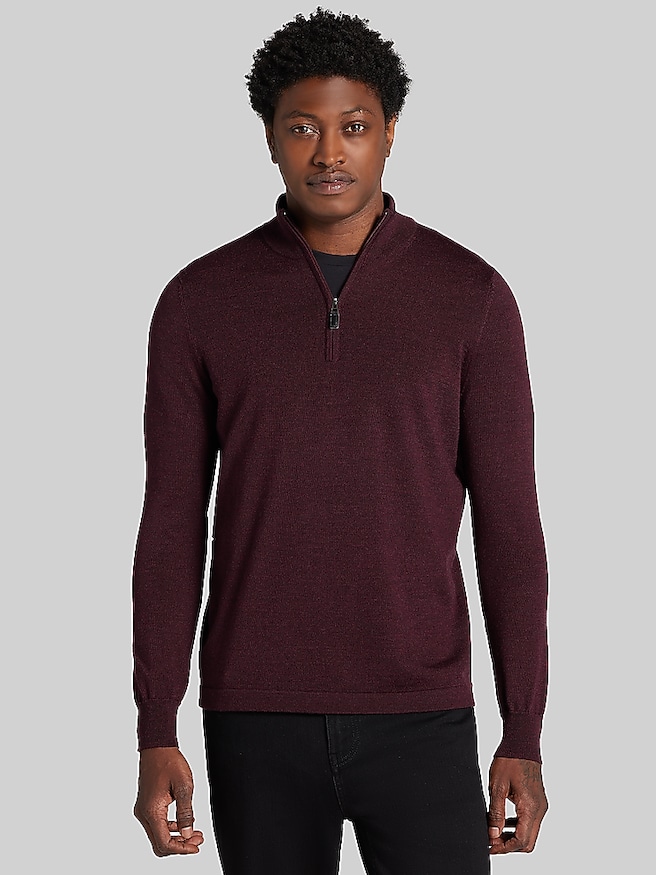
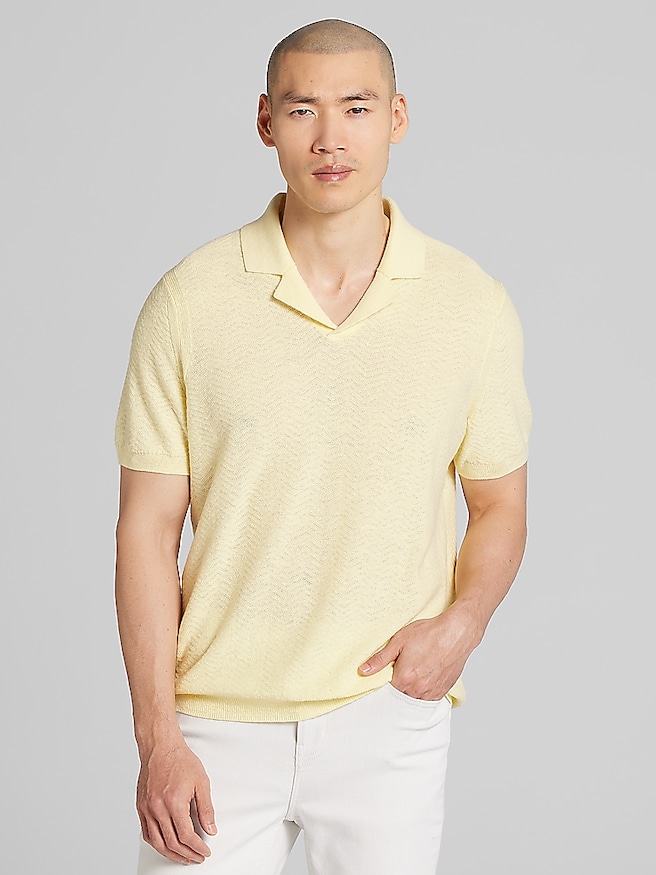
Men’s 3X sweaters are knitwear sized to provide room through the chest, torso, and arms, with silhouettes ranging from clean, close-to-the-body layers to more relaxed shapes. The 3X label identifies a size category rather than a universal set of measurements, so chest circumference, sleeve length, and overall length matter more than the label alone. Although 3X and 3XL may be used for comparable sizes, their proportions can vary by cut and sizing system. A regular-length sweater and a tall-length sweater can also fit differently even when they carry the same size designation. For a comfortable fit, the fabric should lie smoothly across the chest without stretching into horizontal lines, and the sleeves should allow the elbows to bend without pulling the body upward. Shoulder seams on a traditionally constructed sweater generally sit near the edge of the shoulder; dropped-shoulder designs intentionally extend farther down the arm. Ribbed cuffs help keep sleeves in place, while the hem can either sit close to the hips or hang more loosely, depending on the design. A sweater worn over a button-down needs enough room for the shirt’s shoulders and sleeves without bunching at the underarms. One worn over a lightweight T-shirt may have a neater profile. The neighboring 2X Sweaters category offers another size reference when comparing proportions, though sizing down does not necessarily create a better fit. Knit structure and the intended silhouette still influence how a sweater hangs. Looking at a well-fitting sweater laid flat can make measurements easier to understand, especially when comparing body width, sleeve reach, and hem placement. For anyone who spends time sitting at a desk, driving, or moving between meetings, ease through the middle and upper arms is especially useful. A good fit stays comfortable in motion rather than looking right only while standing still.
Materials and construction give 3X sweaters much of their character, from the smooth surface of a fine-gauge pullover to the raised texture of a substantial cable knit. Cotton often has a familiar, soft hand and works well for everyday outfits, although heavier cotton knits can feel weightier and may stretch if stored on a hanger. Wool has natural resilience and can often be worn several times between cleanings when it remains fresh and unsoiled. Merino wool is known for its finer fibers, while other wool yarns may have a more textured feel against the skin. Cashmere offers a soft touch and typically benefits from gentle handling, particularly at friction points such as the underarms and sides. Synthetic fibers, including acrylic, nylon, and polyester, may be blended with natural fibers to influence weight, strength, softness, or shape retention. The fiber blend alone does not tell the whole story: yarn quality, stitch density, and finishing also affect how a sweater feels and wears. Fine-gauge knits generally create a smoother line beneath a jacket, while cables, ribs, and other pronounced stitches add visible depth. A crewneck frames the collar of a T-shirt or button-down without much adjustment. A V-neck leaves more space around a shirt collar and can accommodate a tie without covering the knot. Cardigans provide an open-front option that is easy to remove, and zip-neck designs allow the neckline to sit open or closer to the neck. For an office outfit, a lightly textured sweater with tailored trousers has a composed appearance without the structure of a full suit. With dark denim and leather boots, a more substantial knit feels relaxed but intentional. Smooth, solid colors allow the texture and fit to stand out, while patterns add another element to an otherwise simple outfit. The right balance depends on how the sweater will be worn: under a jacket, over a collared shirt, or as the main layer with casual pants.
Lasting comfort in a 3X sweater depends as much on everyday care as on the original fabric. The care label is the most reliable reference because similar-looking knits can require different washing and drying methods. Some cotton and blended sweaters tolerate machine washing on a gentle setting, while certain wool and cashmere styles call for hand washing or professional cleaning. When washing is permitted, gentle detergent, limited agitation, and careful handling help protect the yarn and surface texture. Supporting the full garment when wet reduces strain on the shoulders and neckline, and laying it flat to dry helps maintain its shape when the label calls for that method. Hanging a heavy knit can lengthen the body or leave bumps at the shoulders, so folded storage is often a better match for sweaters. Pills can develop where fabric rubs against itself, a bag strap, or an armrest; their appearance does not automatically mean the whole garment has worn out. Careful removal with an appropriate sweater-care tool can improve the surface without unnecessary pulling. Smooth seams, secure neckline finishes, and ribbing that recovers after a gentle stretch are useful signs of construction intended to hold its shape. Rotating between wears and addressing small snags before they spread can also help preserve a sweater’s appearance. These practical qualities make men’s 3X sweaters useful for a wide range of routines, from a casual workday to dinner with friends or a family gathering. They can also make thoughtful birthday or Father’s Day gifts when the recipient’s measurements, preferred neckline, and care habits are known. Someone who dislikes restrictive collars may appreciate an open neckline, while someone who favors simple outfits may get more use from a solid knit that pairs with familiar pants. A successful addition to a wardrobe is not just the correct size on paper; it has the proportions, texture, and upkeep that suit the person wearing it.