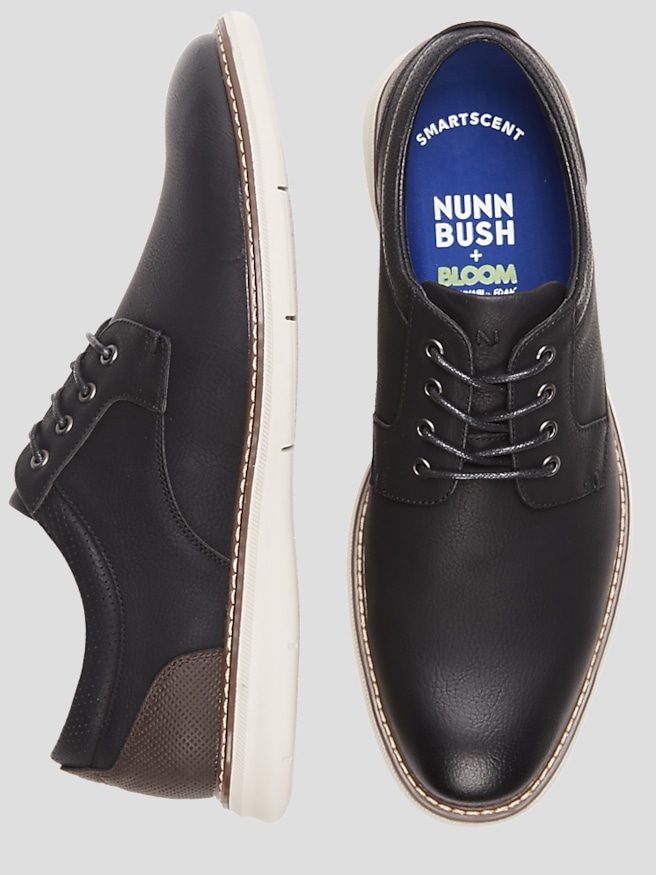
3E dress shoes bring extra room to a polished silhouette, giving broader feet space without requiring a longer shoe. Also written as EEE, 3E generally identifies an extra-wide width in men’s footwear, with more room across the forefoot than a standard medium D width. Width designations are not completely uniform, so the fit can vary by maker, size, and the last—the foot-shaped form used to build a shoe. The benefit is straightforward: a dress shoe should look neat beneath tailored trousers without squeezing the ball of the foot or crowding the toes. For someone whose usual shoes press against the sides before the workday is over, a properly fitted extra-wide shape can make a meaningful difference. Choosing additional width rather than unnecessary length also helps keep the heel seated and the shoe’s flex point aligned with the foot. That balance matters for office commutes, presentations, wedding receptions, and any occasion involving both sitting and standing. Extra width does not have to mean a bulky appearance. A well-proportioned toe, clean stitching, and a balanced sole profile can preserve the crisp outline expected of dress footwear. Cap-toe designs add a defined seam across the front, while plain-toe styles keep the surface simple and understated. Decorative perforations and wingtip patterns introduce more visual texture, particularly alongside textured tailoring or less formal separates. Black leather works naturally with charcoal suits and traditional business attire; dark brown offers versatility with navy, gray, and many earth tones. Lighter brown shades create a more noticeable contrast and often feel less formal. The right choice depends on both the shape of the foot and the setting, whether that means a quiet conference room, a busy reception hall, or a dinner that calls for something sharper than everyday casual shoes. A successful fit keeps attention on the outfit and occasion rather than on pressure at the toes.
Fit in 3E dress shoes involves more than the width printed inside the shoe. Toe-box shape, instep height, heel volume, and fastening style all influence how comfortably a pair holds the foot. A broad forefoot can coexist with a narrower heel, which makes secure rearfoot fit just as important as room up front. Toes should have space to rest naturally, without being pinched together or pushed against the end, while the ball of the foot should sit near the widest part of the shoe. Noticeable side pressure, persistent heel lifting, or a foot that slides forward are signs that the shape or size may not be right. Trying shoes with the dress socks intended for regular wear gives a more useful picture than testing them with unusually thick athletic socks. Measuring both feet also matters because small differences in length and width are common. Lace-up construction offers adjustment across the instep, although the opening varies by style. Derby shoes have open lacing, which can offer more flexibility over a higher instep; oxfords use closed lacing for a closer, cleaner appearance. Neither construction guarantees a particular fit, and an extra-wide designation alone does not establish how much vertical space is inside. Loafers provide a streamlined slip-on option, but their fixed opening makes the match between foot shape and shoe shape especially important. Underfoot details deserve equal attention. Cushioning can soften the feel of each step, while a stable heel and a sole that bends appropriately at the forefoot help support natural movement. A removable footbed may be useful for someone who wears an insert, provided the shoe has enough interior depth to accommodate it without adding pressure. For routines that include substantial walking between appointments, Active Dress Shoes offer a related category to consider alongside width and fit requirements. Comfort-focused features complement an appropriate fit; they cannot compensate for a shoe that is too narrow or the wrong shape.
Materials and construction help determine how extra-wide dress shoes feel, age, and suit everyday routines. Smooth leather is a familiar choice because it takes polish well and can develop character with wear. Full-grain leather retains the natural surface of the hide, while more heavily finished leather can have a more uniform appearance; the quality of the material and the way it is assembled both matter. Suede brings a softer, textured look that pairs easily with chinos, sport coats, and less formal tailoring, though it requires different care from smooth leather. Synthetic uppers vary considerably in flexibility and breathability, making the lining and overall construction worth considering alongside the exterior. Inside the shoe, smooth seams and a well-finished lining can help reduce distracting friction. Leather soles offer a traditional appearance and feel, while rubber soles often provide greater flexibility and grip, depending on their compound and tread. A discreet rubber sole can still look appropriate beneath dress trousers, especially when the edge remains slim and neatly finished. Welted construction may allow resoling when the upper remains sound, although repair options depend on the individual construction and a cobbler’s assessment. Cemented construction can support a lighter, flexible design, but sole replacement may be less practical. Whatever the construction, consistent care helps preserve both appearance and useful life. Removing surface dust with a soft brush or cloth keeps buildup from dulling the finish. Smooth leather benefits from an appropriate conditioner when needed and polish suited to its color and finish; suede calls for a dedicated brush rather than conventional leather polish. Testing care products on an inconspicuous area helps avoid unwanted changes in color. A shoehorn protects the heel counter during dressing, and correctly sized shoe trees help maintain shape between wears. Letting shoes rest and dry naturally after use, away from direct heat, also helps protect the materials. For someone building a professional wardrobe or choosing a thoughtful gift for a graduate entering office life, extra-wide dress shoes combine practical fit with lasting wardrobe value. Confirming the recipient’s size and preferred shape matters more than guessing from appearance alone. The most useful pair is one that fits comfortably, complements familiar clothing, and remains presentable through repeated wear.