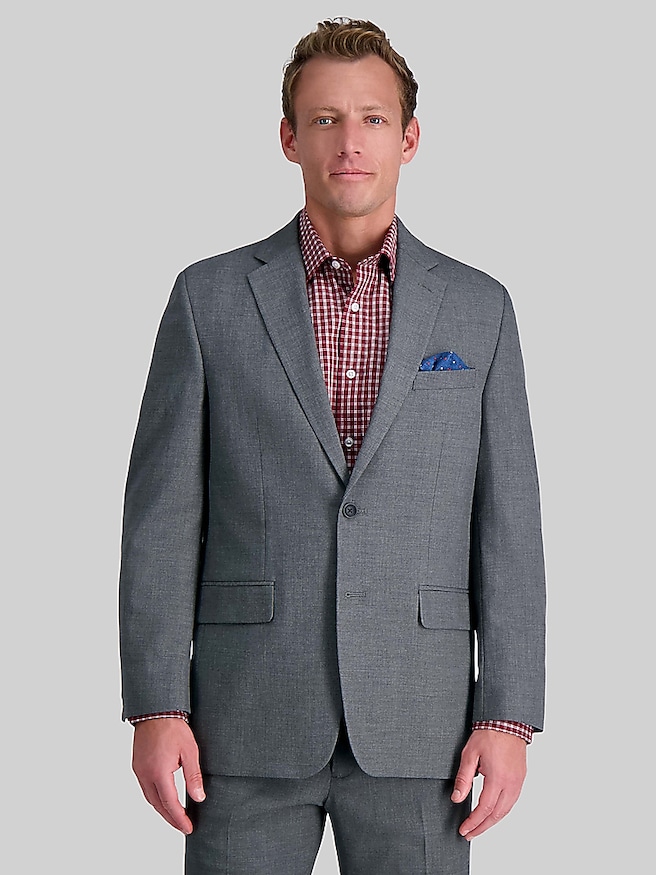
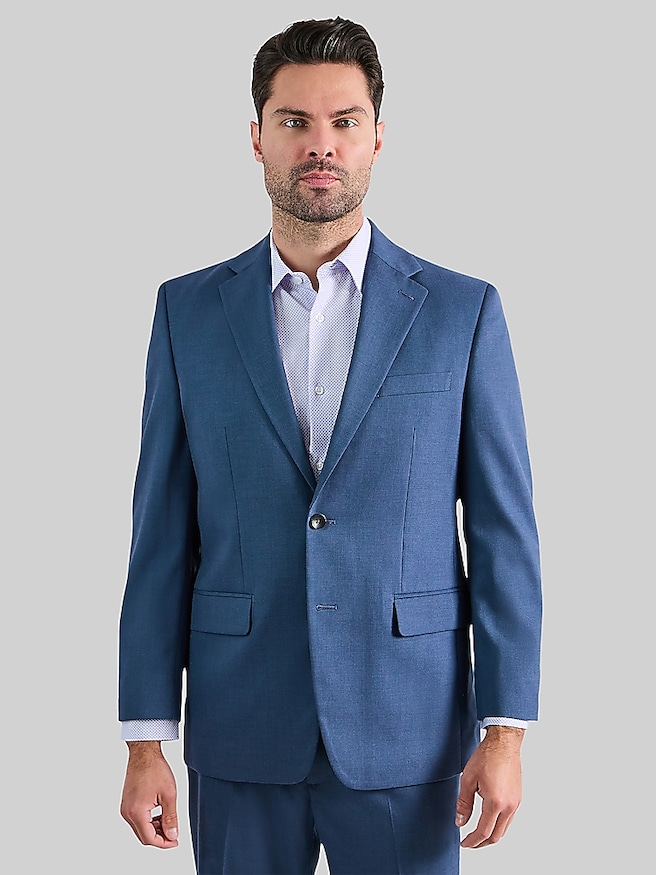
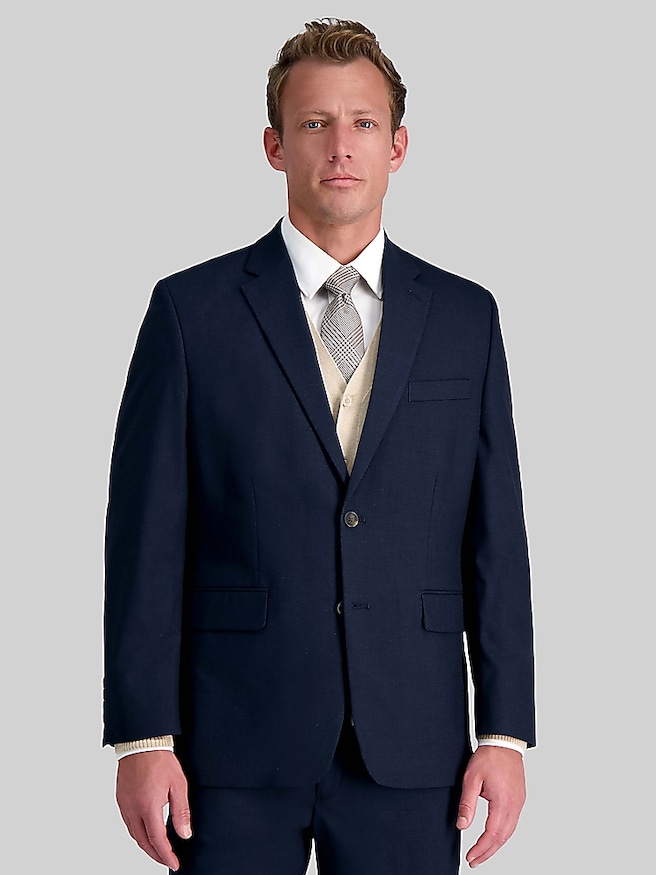
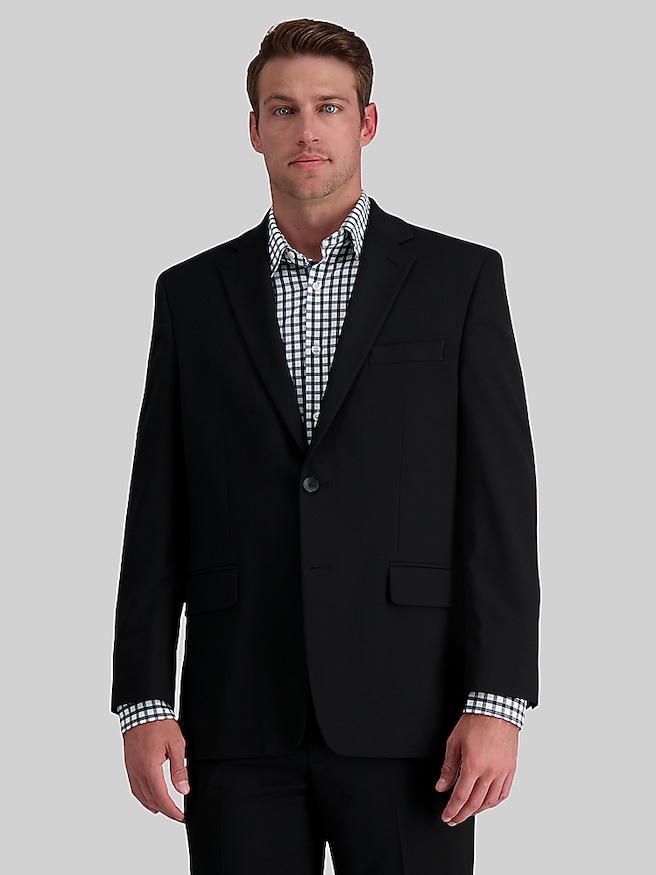
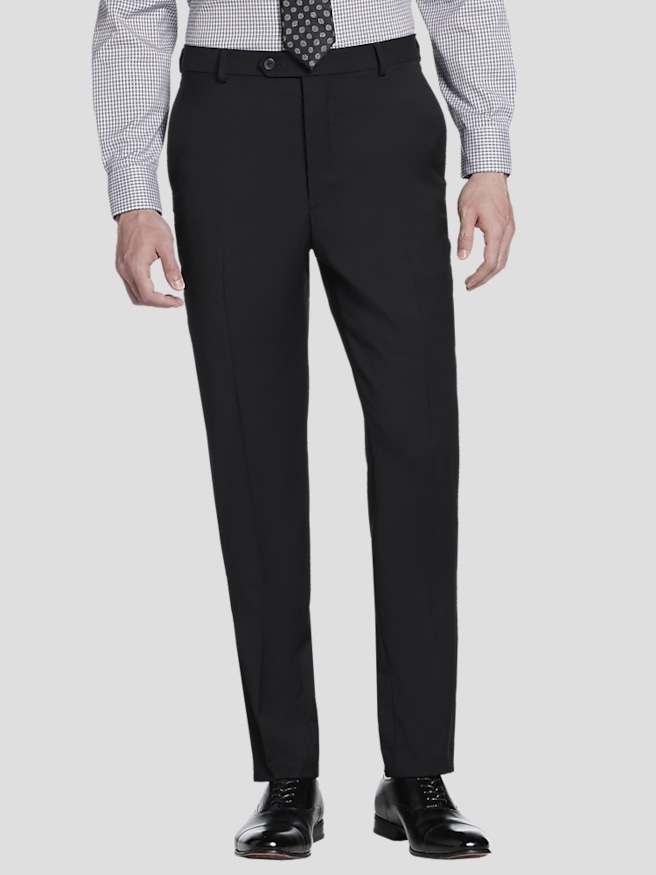
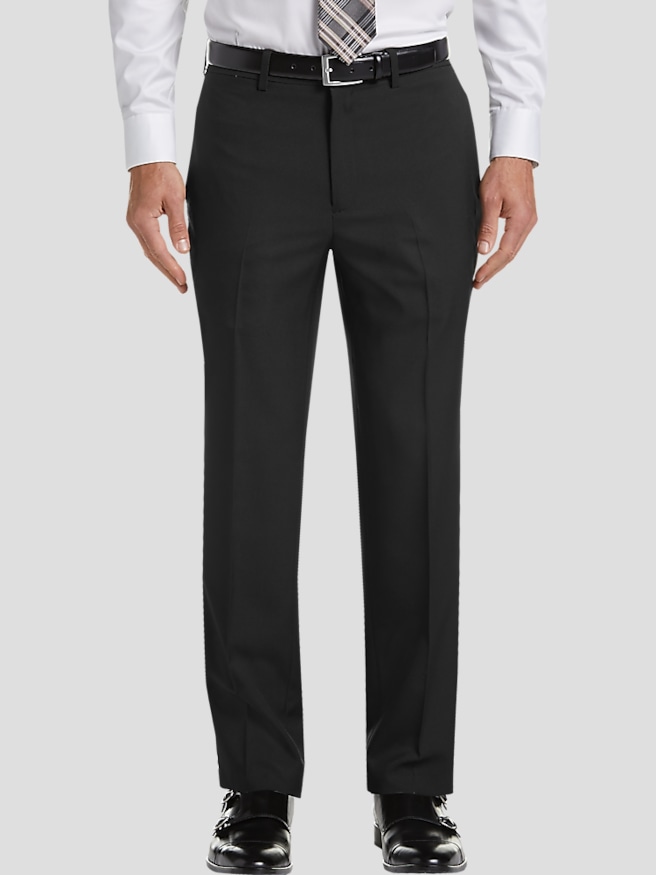
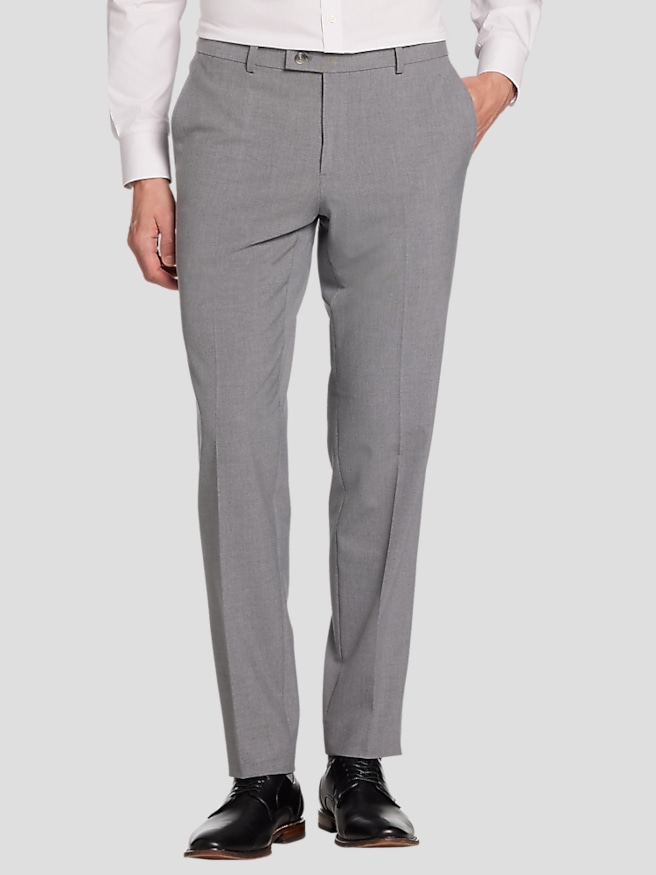
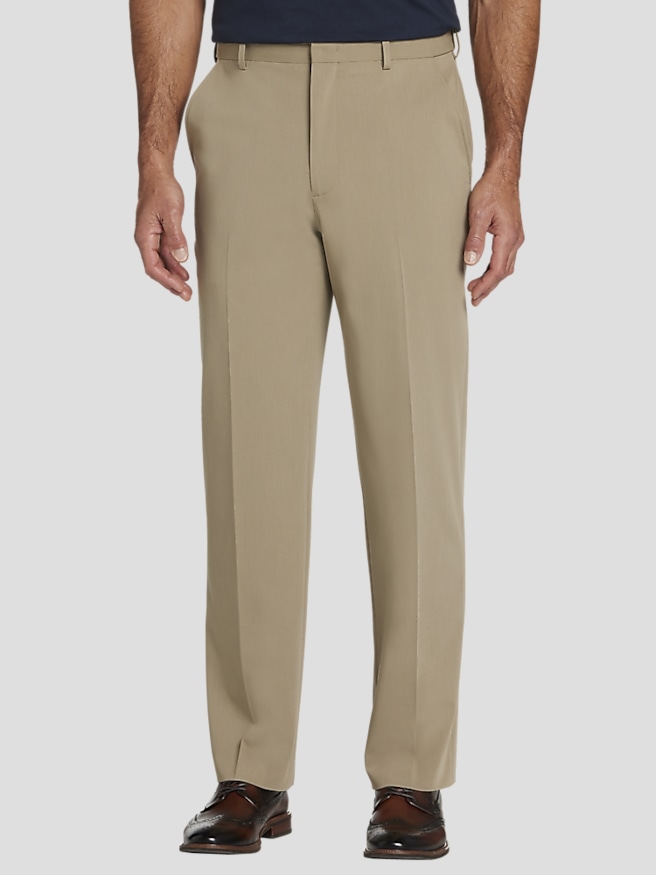
30W dress pants are trousers labeled for a nominal 30-inch waist, with the inseam listed separately to indicate leg length. That distinction matters: a 30W label describes the waist size, not how long the pants are or how closely they fit through the seat and thighs. In a size such as 30W x 32L, the second measurement refers to a 32-inch inseam. Actual fit can vary with the cut, rise, fabric, and construction, so two pairs carrying the same waist label may feel noticeably different. For someone building a work wardrobe, dressing for interviews, or putting together an outfit for a wedding, the most useful fit combines a clean outline with enough room to sit and move comfortably. A waistband should rest securely without digging in or needing a tightly cinched belt to stay in place. Front pockets that pull open, horizontal strain across the hips, or a fly that does not lie flat can indicate that the shape or size needs adjustment. Slim and skinny cuts generally create a narrower silhouette, while straight and classic cuts typically leave more room through the leg, although those descriptions are not standardized. Someone with a 30-inch waist and fuller thighs may prefer additional room in the seat and upper leg rather than a smaller-looking cut throughout. Rise also affects comfort and proportion: it determines where the waistband sits and how much space there is between the waistband and crotch. Flat-front dress pants offer a smooth, understated appearance, while pleated styles can provide additional ease when the pleats lie neatly at rest. Length completes the silhouette. A slight break creates a small fold where the hem meets the shoe; a no-break hem gives a sharper, shorter finish. The right balance depends on the leg opening, footwear, and personal preference rather than waist size alone. Viewed together, these details make 30W a starting measurement, while the overall cut determines how the trousers look and feel throughout a full day.
Fabric gives 30W dress pants much of their character, from the way a crease holds to the way the legs drape when walking. Wool is valued in tailored clothing for its resilience and graceful drape, making it a useful choice for business settings and occasions that call for a polished appearance. Wool blends can combine those qualities with other fibers that influence texture, strength, and maintenance. Polyester and rayon blends often have a smooth surface and fluid movement, though their feel and care requirements depend on the exact composition and weave. Cotton offers a more familiar, sometimes slightly firmer hand that works well in dress trousers with a less formal finish. A small amount of elastane can add stretch, particularly helpful during a commute, a long meeting, or an evening spent moving between a dinner table and a dance floor. Stretch, however, does not replace adequate room through the hips and thighs; fabric should not remain visibly strained when standing naturally. Weave and finish matter alongside fiber content. Fine twill brings subtle diagonal texture, while a smoother weave can look especially crisp with a pressed shirt and leather shoes. A matte finish generally blends easily into an everyday professional wardrobe, and restrained patterns add interest without dominating an outfit. Construction also contributes to durability. Neat stitching, securely attached closures, finished seams, and pockets that lie smoothly help trousers maintain a tidy appearance through repeated wear. Pocket lining should feel comfortable rather than bunching beneath the outer fabric, and the waistband should retain its shape without folding over during ordinary movement. For someone who carries keys, a phone, and a wallet, keeping bulky objects out of the front pockets helps preserve the clean line of the pants. Fabric that drapes well will still show the outline of an overfilled pocket. These practical details are especially meaningful in trousers intended for frequent use, where comfort at a desk matters just as much as a sharp appearance when standing to greet a client.
The versatility of 30-inch-waist dress pants comes from how easily they connect the more formal and relaxed parts of a wardrobe. Charcoal trousers with a light blue dress shirt make a dependable combination for an office presentation; navy with a white shirt and a textured sport coat feels composed at a rehearsal dinner or graduation celebration. Black dress pants create a more pronounced contrast with a pale shirt, while medium gray provides a softer foundation for both solid and patterned layers. Shoes help set the tone: lace-up dress shoes reinforce a tailored appearance, and polished loafers can make the same trousers feel less formal. Dress pants and a jacket do not need to match when worn as separates, but trousers intended to complete a suit should coordinate with the jacket in fabric and color rather than merely looking close under one light. For gift giving, a confirmed waist measurement, inseam, and preferred fit are more useful than guessing from someone's height or build. When comparing sizing for another recipient, 36W Dress Pants represent a separate nominal waist size, not a longer version of a 30W pair. Once fit is established, thoughtful care helps preserve the fabric, crease, and finish. The sewn-in care label should determine whether trousers are machine washable, hand washable, or dry-clean only; fiber content alone does not tell the whole story because linings, waistbands, and finishes may require special treatment. Hanging dress pants neatly after wear helps prevent unnecessary creasing, and rotating between pairs gives each time to air out. When pressing is permitted, the appropriate heat setting and a pressing cloth can help protect the surface from shine. A loose hem or button is worth addressing before it becomes a larger repair. With suitable care and a comfortable cut, dress trousers can remain a reliable part of an outfit for a first interview, an established office routine, or an important family gathering.