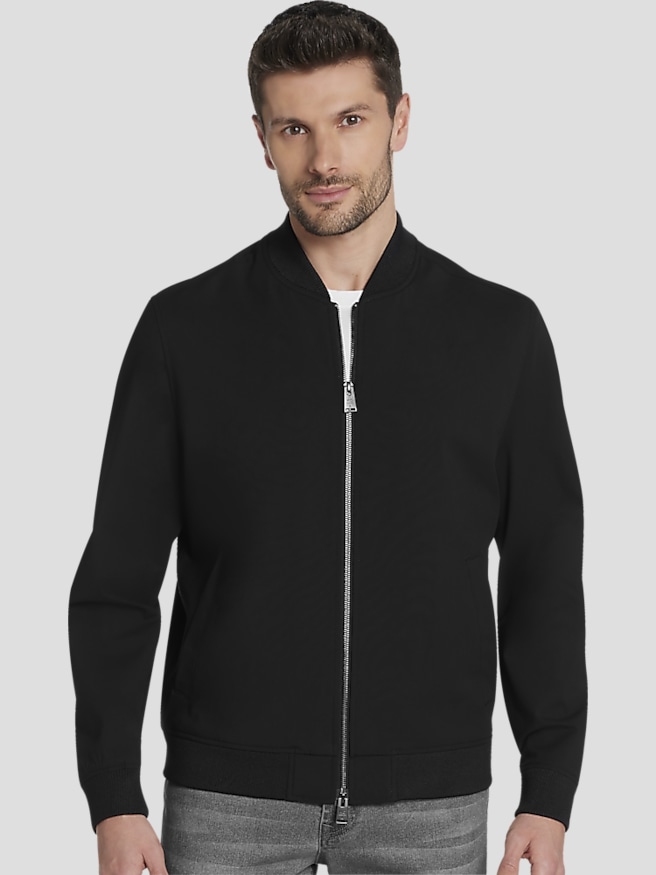
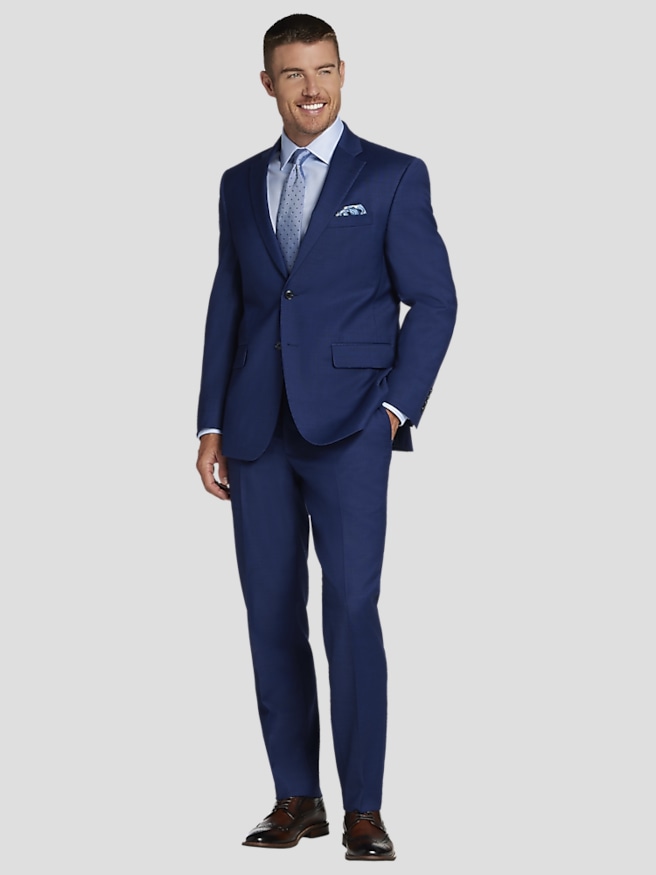
Men’s 2X jackets bring structure, comfort, and a finished look to everyday outfits, with silhouettes suited to casual plans, travel, and settings that call for a little more polish. The 2X designation identifies a size within a maker’s sizing system, but it does not correspond to one universal set of measurements. Chest, waist, sleeve, and body dimensions can vary, and 2X and XXL should not automatically be treated as interchangeable. A size chart provides a more useful starting point than the label alone, particularly when it includes both body measurements and garment measurements. The distinction matters: a jacket needs room beyond the body’s dimensions to accommodate clothing and allow movement. Across the shoulders, the fabric should sit smoothly without pulling toward the collar or hanging noticeably past the shoulder line, unless the style intentionally uses a dropped shoulder. Through the chest and midsection, a closed zipper or button front should lie comfortably rather than strain or form pronounced horizontal creases. Sitting at a desk, reaching for a seat belt, and bending to pick up a bag are practical examples of the movement a well-fitting jacket should accommodate. Sleeve length deserves similar attention. Casual jacket cuffs generally finish near the wrist, while a tailored jacket may leave a small amount of shirt cuff visible. Body length changes the overall impression, too: a shorter hem creates a compact, casual outline, while a longer cut offers more coverage over an untucked shirt. Size 2X does not necessarily mean tall, so someone with a longer torso or arms may need to check length measurements separately. Someone with broader shoulders and a narrower waist may prioritize a different silhouette than someone who needs more ease through the middle. The most useful fit follows the wearer’s proportions without restricting the activities that make up an ordinary day.
Materials and construction give 2X jackets much of their character, affecting how they drape, feel, and hold up to repeated use. Cotton twill has a familiar, substantial hand that works well with chinos and casual trousers, while denim brings a more pronounced texture and gradually develops character at seams and folds. Both can feel structured at first, depending on fabric weight and finishing. Nylon and polyester fabrics can provide a lighter feel and a smooth surface, although their performance depends on the weave, lining, and any applied finish rather than the fiber name alone. A small amount of stretch may make reaching and sitting more comfortable, but stretch is not a substitute for adequate room through the shoulders and chest. Wool and wool-blend fabrics lend themselves to a softer, more tailored drape, making them useful when a jacket needs to look at home with dress trousers or a collared shirt. Leather has its own distinctive grain and develops creases with wear; suede offers a softer, matte texture but requires particular attention to spills and surface marks. Inside the garment, a smooth lining helps sleeves slide over a shirt, while a partially lined or unlined construction changes the jacket’s weight and flexibility. For layered outfits, enough space through the upper arms and body helps prevent bunching over knitwear, including 2X Sweaters. Quilting and padding add volume, so their placement can affect both the silhouette and the room needed underneath. Details that seem minor on a hanger often become important in use: a zipper that moves cleanly, cuffs that adjust without pinching, and pocket openings that comfortably admit a hand. Reinforcement around pocket corners and secure stitching at stress points can support durability. An interior pocket may be convenient for a wallet, while an exterior zippered pocket can help keep small essentials contained during travel. Pocket placement also matters visually, since bulky contents can interrupt an otherwise clean line.
The appeal of a 2X jacket often comes down to how naturally it fits into an existing wardrobe. For a commute followed by a casual dinner, a simple silhouette with understated hardware can sit comfortably between relaxed and dressed-up clothing. For a workplace with a less formal dress code, a structured jacket over a button-down shirt adds definition without requiring a full suit. A more relaxed shape works easily with a T-shirt and jeans for errands, a road trip, or an afternoon with friends. Dark neutrals tend to coordinate with a broad range of trousers, while earth tones and textured fabrics can introduce variety without making an outfit feel busy. Proportion is more useful than rigid styling rules: a fuller jacket can look balanced with straight-leg pants, and a closer-fitting shape can create a clean outline without needing to hug the body. Practical habits help preserve that appearance. Care instructions should always take priority, because similar-looking fabrics may require very different cleaning methods. A washable cotton or synthetic jacket may have specific directions for water temperature, cycle, and drying, while tailored wool, leather, or suede may call for professional attention. Emptying pockets before cleaning prevents forgotten objects from damaging the lining, and treating marks according to the care label can keep a small spot from becoming a larger problem. Between wears, a hanger suited to the jacket’s weight helps support the shoulders; delicate or heavy constructions may have additional storage requirements. Avoid leaving a jacket compressed in a bag for extended periods, and check occasionally for loose buttons, worn pocket linings, or threads that need repair. Small repairs made early can prevent more extensive damage. A 2X jacket can also make a thoughtful gift for a partner, parent, sibling, or friend when the recipient’s measurements, preferred fit, and daily routine are known. A familiar size label is helpful, but the strongest choice also reflects how that person dresses, what they carry, and whether they prefer a trim shape or extra room for layering. Those everyday details are what turn a jacket into something that gets worn repeatedly rather than left on a hanger.