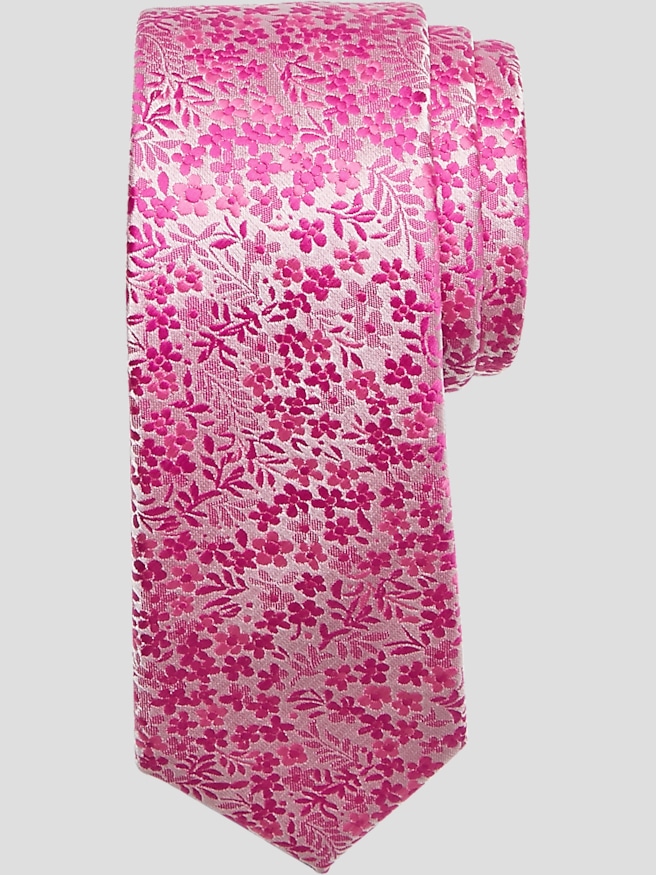
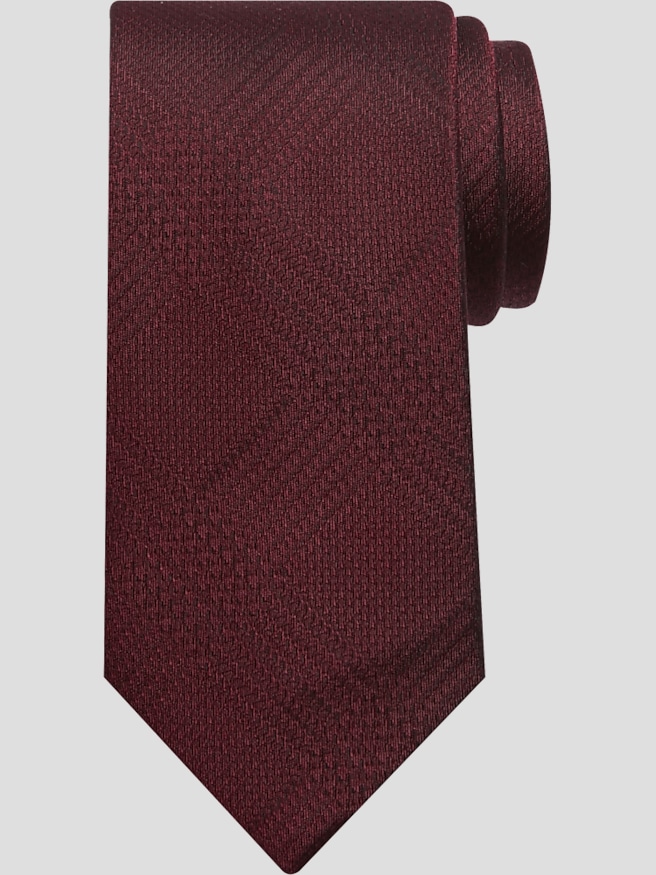
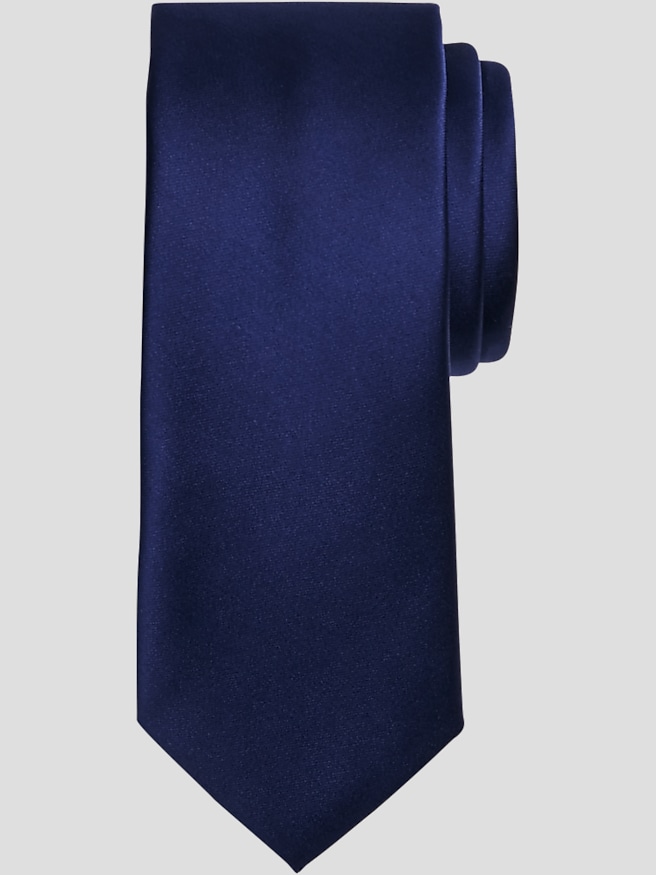
A 100% silk tie remains one of the most versatile finishing touches in a well-dressed wardrobe. Silk is valued for its soft hand, natural luster, and fluid drape, allowing the tie to settle neatly against a dress shirt without looking stiff or bulky. It also forms a clean, polished knot, making it a dependable choice for business attire, weddings, formal celebrations, interviews, dinners, and other occasions that call for a considered appearance. The character of a silk tie can vary considerably depending on its weave and finish. Twill silk has a subtle diagonal rib that adds depth while standing up well to regular wear; satin silk has a smoother, more reflective surface suited to dressier settings; grenadine silk has an open, textured weave that gives a tailored outfit quiet visual interest; and jacquard or printed silk can introduce pattern through woven designs, paisleys, foulards, dots, or other refined motifs. When selecting from a collection of 100% silk ties, consider the clothing already in your closet as well as the events you attend most often. Solid navy, burgundy, charcoal, and muted blue tones can serve as reliable foundations, while warm earth tones and richer jewel shades bring dimension during the cooler months. A restrained pattern can enliven a plain shirt, whereas a more subdued tie may be the right balance for a boldly checked or striped shirt. The tie should complement the shirt and suit without disappearing into either one, and its width is best chosen in proportion to the wearer’s build and jacket lapels. A medium-width silhouette offers broad versatility, while a narrower profile can create a sharper, more contemporary line when paired with a trim suit.
Pure silk ties are also practical additions to a working wardrobe because they can move easily from professional settings to social occasions. A neatly knotted silk tie can give a simple white or light-blue shirt a finished appearance for the office, then pair naturally with a dark suit for an evening reception. For less formal gatherings, a textured weave or softly patterned design can bring polish to a blazer and trousers without making the outfit feel overly formal. During warmer stretches of the year, lighter colors, open textures, and understated patterns can keep an ensemble looking fresh, while deeper shades and richer woven surfaces feel especially at home with flannel, wool, tweed, and heavier tailoring as the weather cools. Silk ties can make thoughtful gifts for a graduate beginning a first professional wardrobe, a wedding party member, a father, partner, colleague, or anyone preparing for a new role that calls for business or formal dress. They are easy to give while still feeling personal, particularly when the color or pattern reflects the recipient’s usual style. Someone who favors classic clothing may appreciate a quiet solid or traditional stripe; a more expressive dresser may enjoy a paisley, geometric, or intricately woven design. For a wedding or formal event, a silk tie can also serve as a useful keepsake that remains wearable long after the occasion has passed. Shoppers browsing Cool Silk Ties may want to compare color, texture, width, and finish together rather than focusing on appearance alone. Details such as a carefully finished blade, balanced proportions, and a quality inner slip can affect how the tie hangs and how well it recovers after a long day. Many well-made ties use a wool-blend inner lining to help the silk maintain its shape, support a smooth knot, and resist deep wrinkles. A tie that feels supple but not flimsy and returns neatly after being handled is generally easier to wear and care for over time.
Proper care helps preserve the sheen and structure that make 100% silk ties distinctive. After wearing a tie, untie the knot gently instead of pulling the narrow end through, which can stretch or crease the fabric. Lay the tie flat for a short period or hang it loosely so ordinary folds can relax, then store it on a tie rack or roll it carefully without creating tight bends. Avoid leaving silk ties crumpled in a drawer, beneath heavy garments, or knotted around the collar between wears. Small marks should be addressed promptly, but rubbing, soaking, ironing, and household stain removers can damage delicate silk or alter its finish. Professional dry cleaning is the safest approach when a tie needs thorough cleaning; tell the cleaner that the item is silk and follow any care instructions attached to the garment. Direct sunlight can gradually fade rich colors, so storage in a cool, dry, shaded place is preferable. It is also helpful to rotate ties rather than wearing the same one on consecutive days, giving the fabric and lining time to recover their natural shape. Before dressing, check that the tie’s length allows the tip to reach the middle of the waistband or belt area when knotted, and adjust the knot without forcing the fabric. A four-in-hand knot offers a relaxed, versatile shape, while a half-Windsor creates a fuller, more symmetrical appearance for spread-collar shirts. With the right proportion, thoughtful coordination, and gentle maintenance, a 100% silk tie can add color, texture, and confidence to everything from a first presentation to a formal celebration, remaining a useful part of a polished wardrobe through changing seasons.