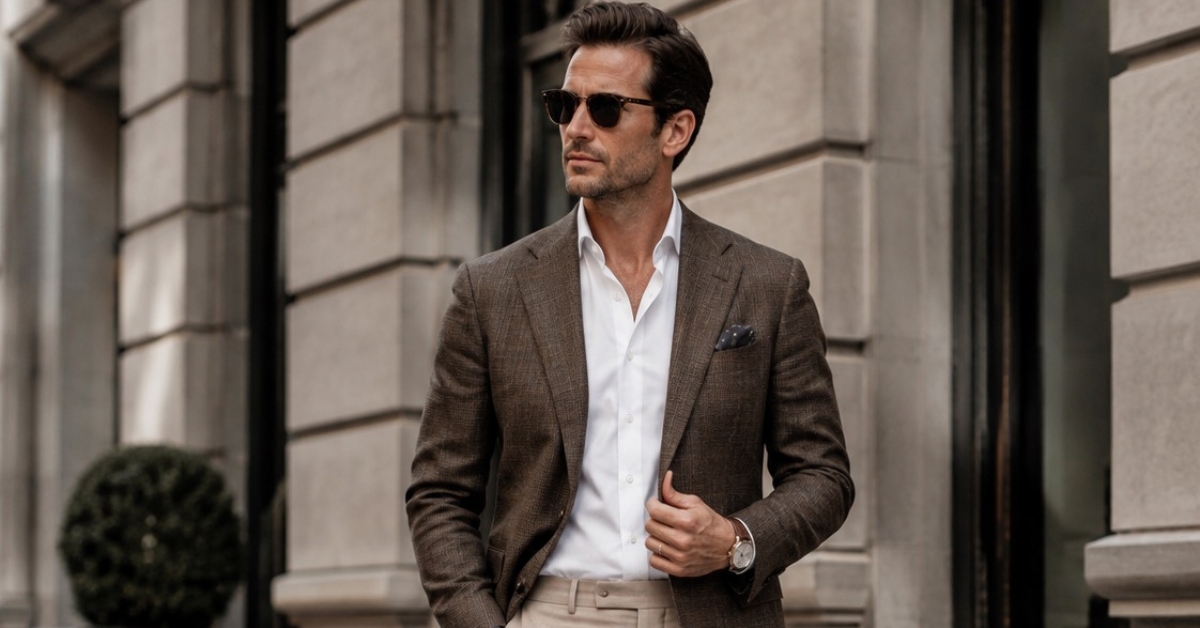

Dapper style often evokes images of classic movies and formal occasions. For many, the term is synonymous with pricey, high-end tuxedos and suits. While formalwear certainly fits the aesthetic, dapper style is much broader than black tie.
If you’re building a wardrobe and your primary goal is to look dapper, you don’t need a massive budget — you just need an eye for fit and details. This guide covers what dapper is, how to pick the right clothes, and why tailoring matters.
What Does Dapper Style Mean?
Dapper is an aesthetic centered around refined clothing pieces and classic styling. Originally used to describe someone neat and well-dressed, the word dapper has become synonymous with polished, intentional style.
At its core, dapper is about dressing confidently and intentionally. It’s not a single piece of clothing. A dapper-looking outfit could easily be a navy suit or the tan chinos and polished leather shoes you wear to dinner on the weekend.
The Core Principles of Dapper Style
There are three key principles in dapper fashion. Here’s how to apply them to your wardrobe.
Fit Comes First
Fit lets clothes fall naturally, improves confidence, and boosts comfort. It instantly helps an outfit look dapper, adding a touch of polish and class. This matters more than price tag — a well-fitting shirt looks better than an poorly tailored expensive one.
A good rule of thumb is to start at the shoulders. If it sits at the edge of your shoulder without sliding down the arm, it’s a keeper. Pay attention to sleeve length and chest circumference, too. You should be able to move naturally without feeling a tug across the chest or shoulders.
Quality Over Quantity
You don’t need a closet full of formal clothing to meet dapper standards. Instead, buy fewer, better pieces that last: well-made oxfords, wool trousers, and high-quality button-downs. Fill your closet slowly to build a reliable capsule wardrobe. Start with basics in plain, versatile colors — navy, charcoal, and tan — and then gradually add accessories and statement pieces.
Attention to Detail
For the little details, start with your shoes. A scuffed heel or worn leather instantly spoils a dapper look, so opt for classics like oxfords or derbies, and maintain them regularly.
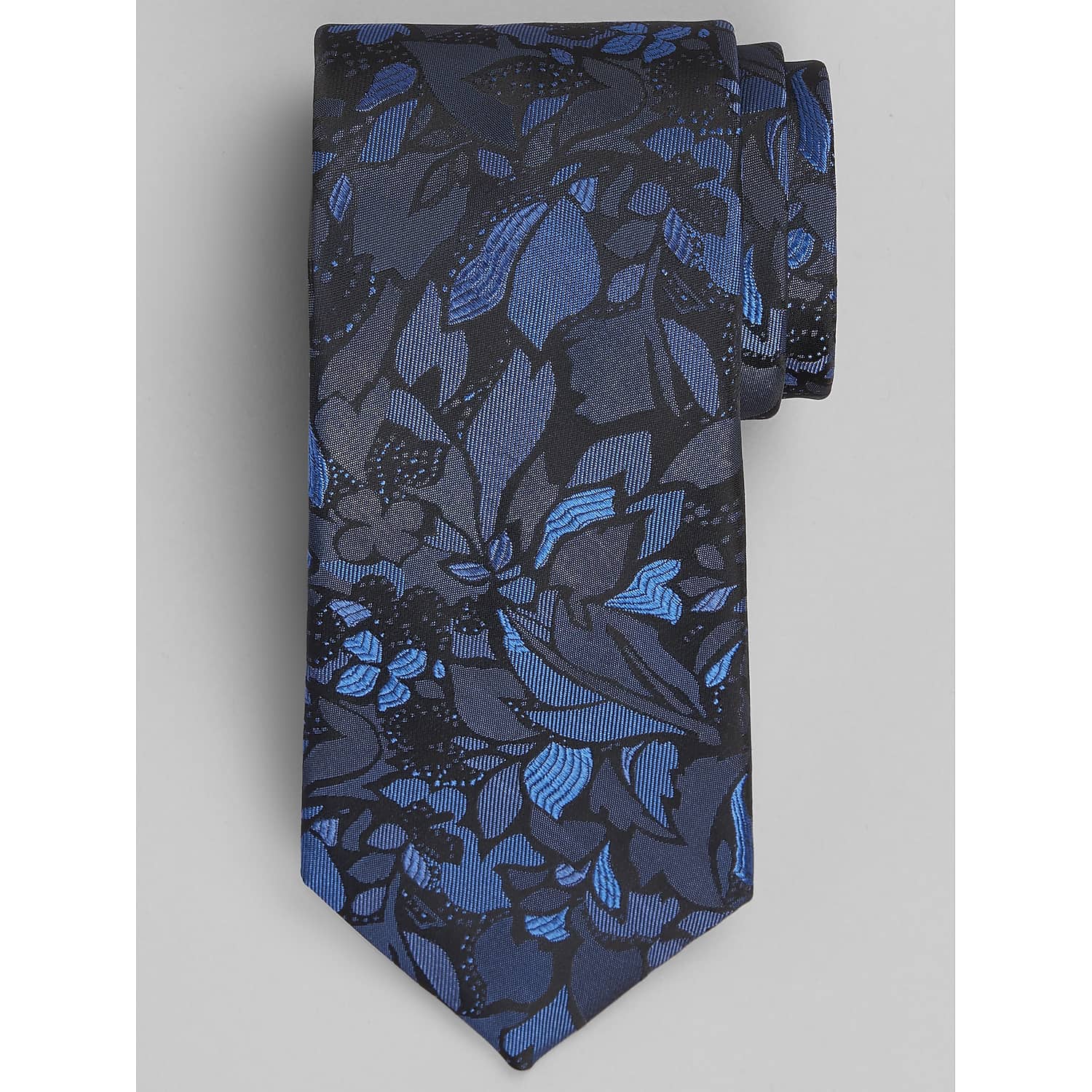
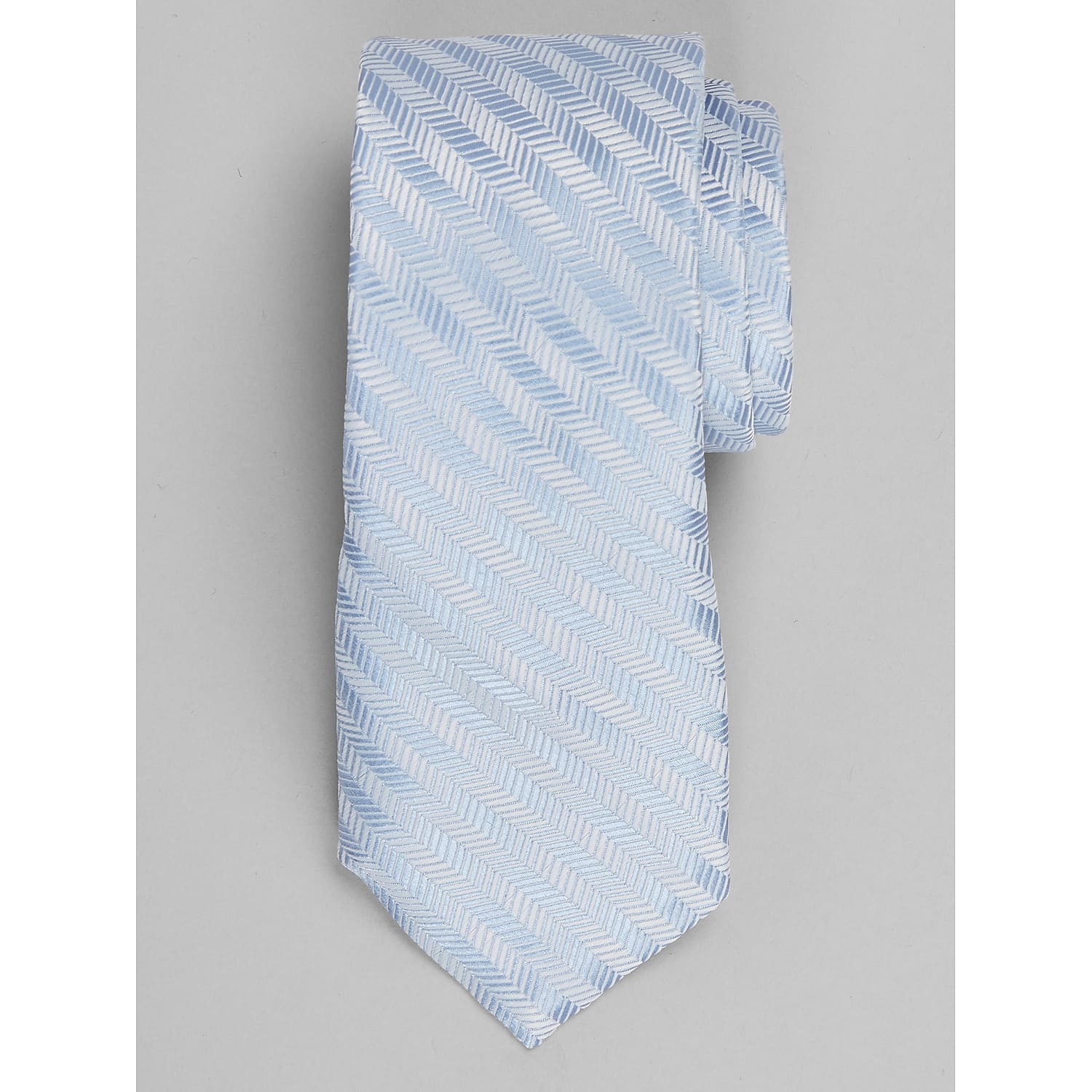
Find some key accessories to accent a variety of looks. Consider a watch, a tie or bow tie, and a belt that pairs well with each pair of shoes.
Essential Clothing Pieces for a Dapper Wardrobe
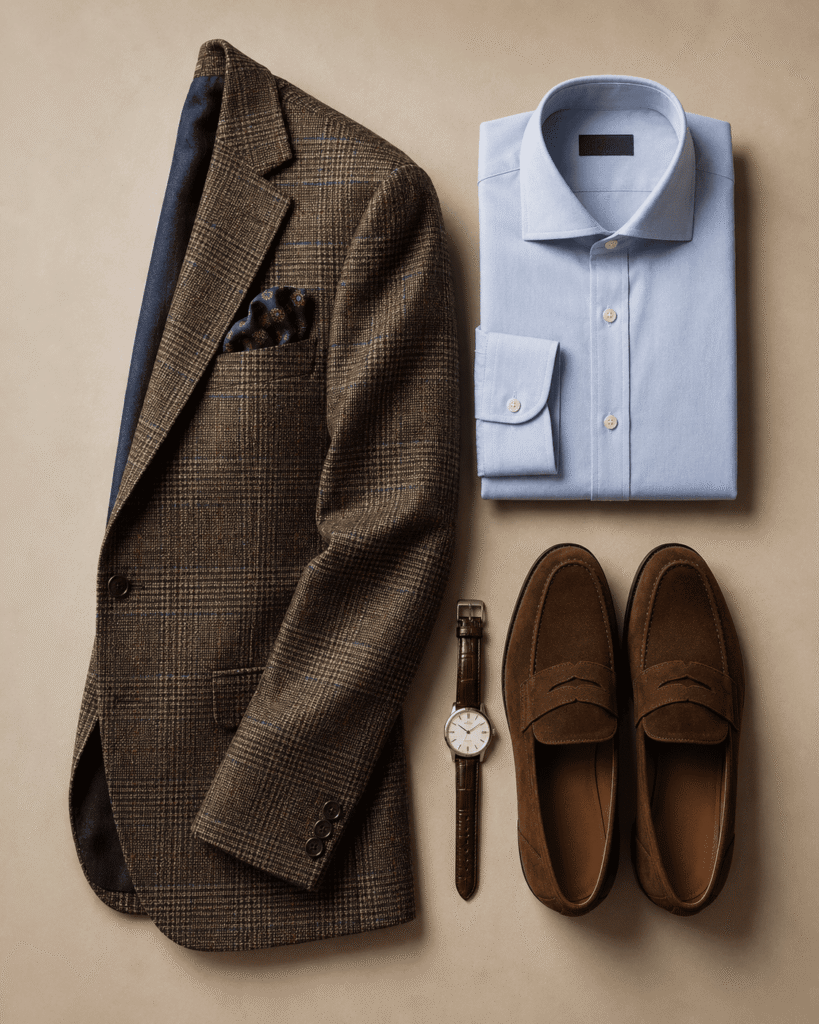
There are a few essentials in dapper men’s clothing that let you create a sophisticated look in moments. Here are a few anyone can add to their closet.
Sport Coats and Blazers
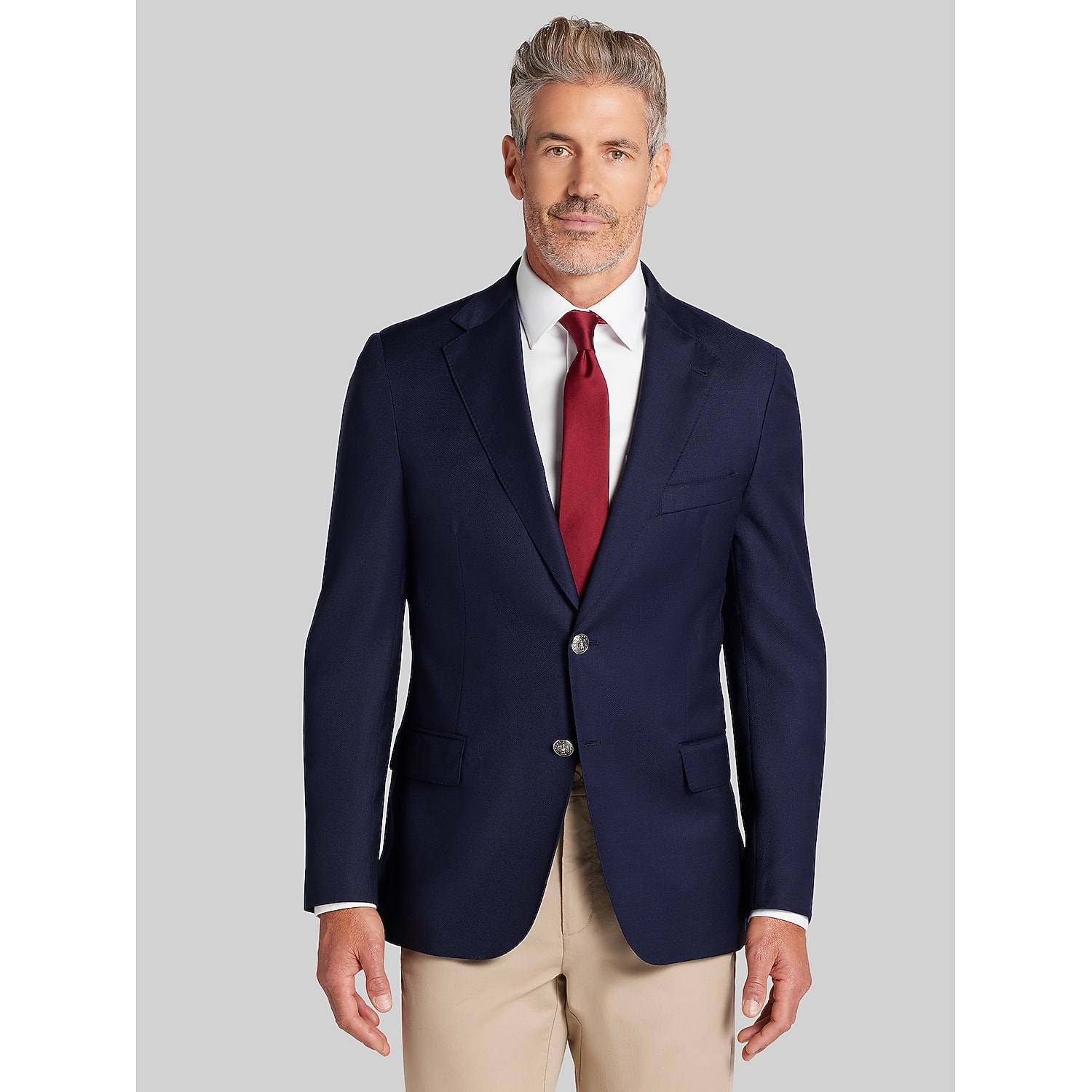
Sport coats and blazers are versatile, pairing with jeans and a plain T-shirt as well as slacks and dress shirts. Start simple: Find a sport coat in navy or gray, with minimal structure, and wear it open over a crisp button-down. Add gray trousers and brown derbies for a refined outfit that isn’t overly formal.
People tend to buy a size too large when picking sport coats, which can spoil the feel and look. Pay attention to the shoulder fit, and make sure the seams don’t slip down your arms. While tailors can fix this detail, it’s an intensive job, so it’s typically best to find a coat that suits your shoulders from the start.
Dress Shirts
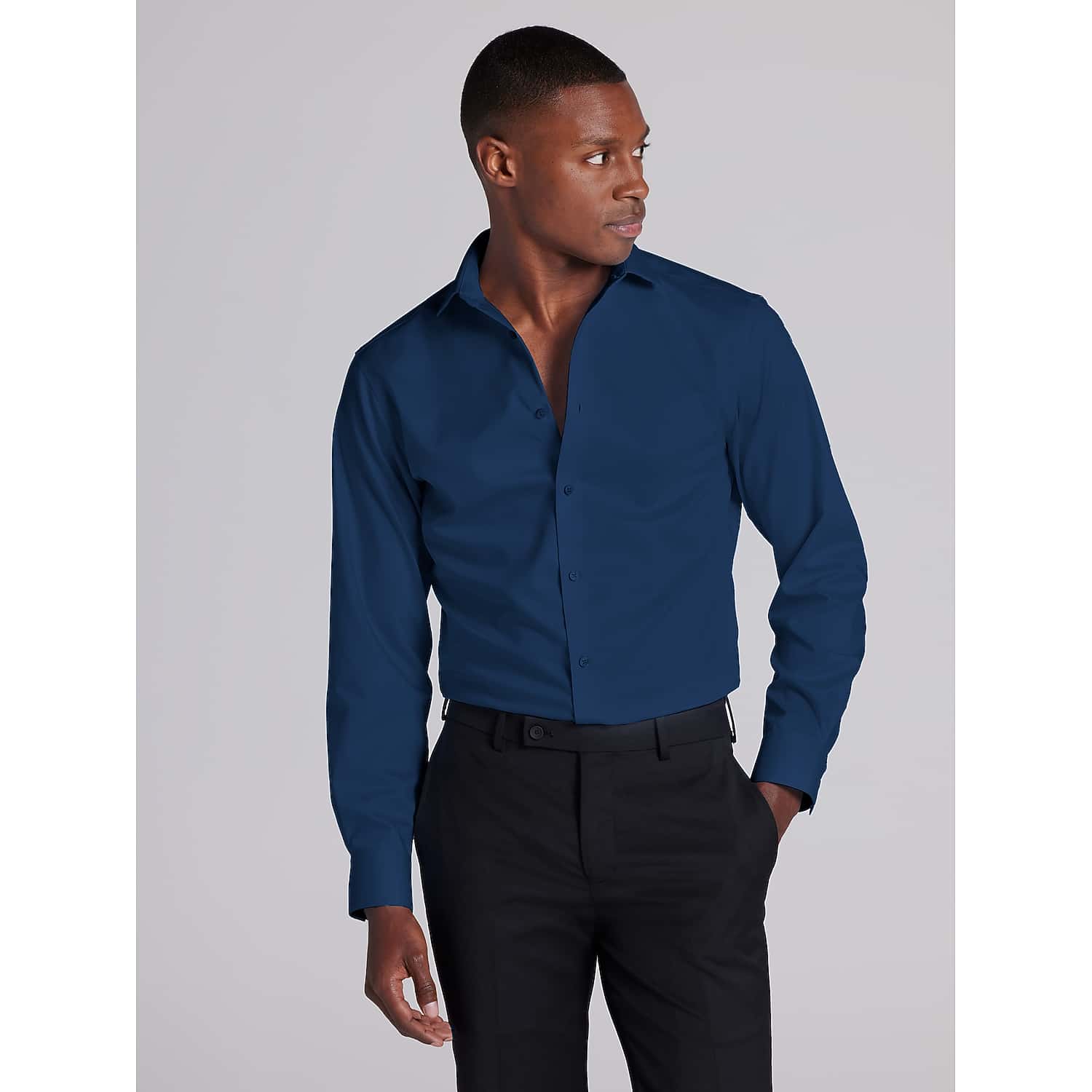
Dress shirts in neutral colors look great with countless pieces, whether paired with a jacket or acting standalone with a crisp pair of slacks. Try a classic white piece tucked into black trousers for a semi-formal outfit, or opt for a light blue dress shirt with beige chinos for a casual summer look.
Keep in mind that a noticeably tight collar affects the silhouette of a dress shirt, warping the placket and creating bulges. The right shirt should leave one finger’s worth of room between the collar and neck when fully buttoned.
Tailored Trousers and Chinos
Anyone striving for a dapper look needs a few pairs of high-quality trousers. Flat-front wool trousers offer a dressed-up look, while well-cut chinos work well in casual settings; both provide a versatile base for dapper outfits.
Wear gray or navy chinos with a pale blue dress shirt for comfortable yet refined workwear, and choose dark wool slacks with a white shirt and black jacket to meet a formal dress code.
Avoid fabric pooling at the shoe line. Aim for a single clean break where the hem meets the leather. Don’t stress about finding this from the start — a tailor can easily modify the hem for you.
Quality Footwear
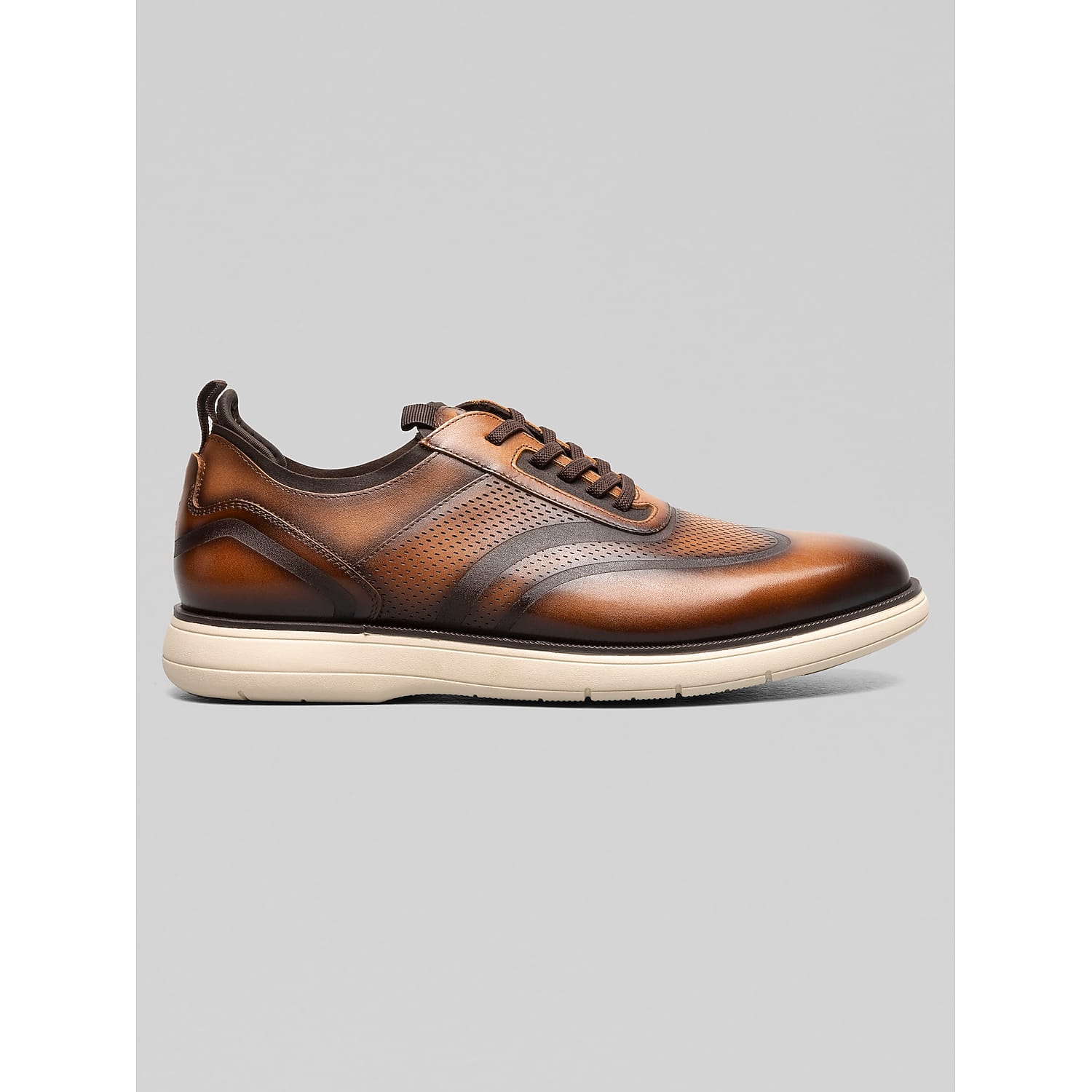
Grab a few pairs of high-quality shoes to rotate between dapper outfits. Three types cover the gamut: loafers for relaxed days, derbies for daily wear, and oxfords for dressing up. Brown offers the most versatility for everyday wear, while black remains the go-to choice for more formal occasions.
It’s easy to kick off your shoes and forget about them until the next time you need to go out, but giving them a little attention goes a long way. Try giving them a quick two minute brush to keep your pair shining.
Accessories
Don’t overlook the accessories in dapper men’s fashion. They’re often subtle, but most outfits shine with a finishing touch. Add a watch and a simple belt that matches your shoes to tie your look together. Keep metals consistent, too — if your watch is silver, wear a belt buckle or cuff links with the same color hardware.
Be mindful not to overdo it. Wearing every accessory you own looks too busy for a dapper aesthetic. If you’re unsure how many accessories work, subtract one from what you’ve picked out until your outfit feels minimalist with a dash of personality.
How Tailoring Creates a Dapper Look
While the right fit adds a clean aesthetic necessary for a dapper look, some people skip tailoring in favor of something “close enough” from a shelf. Off-the-rack clothing fits a wide range of body types rather than your exact measurements. But that doesn’t mean store-bought clothes are off limits. A tailor can take that piece you found on the rack and fit it to your frame.
These professionals can alter more than you might expect:
- Sleeve length: A jacket sleeve, ideally, should end at your wrist, with approximately half an inch of shirt cuff showing. A shirt sleeve should end at the base of your thumb.
- Jacket suppression: Taking in the waist of a jacket allows the fit to trace your torso instead of hanging baggy off your frame.
- Trouser hem: Hems should typically graze the ankle or pool very slightly on the shoe. You can ask tailors for different breaks depending on your desired look.
- Pant taper: Tailors can narrow pant legs to improve overall fit and make trousers look more modern.
You don’t need expert tailoring knowledge to request alterations. Simply point at what doesn’t feel right and ask plainly. All you need to do is ask straightforward questions like “Can you take in the waist?” or “Where should this hem land?”. A good tailor will work with you to find what’s worth altering and what’s unnecessary.
Build Your Dapper Wardrobe Over Time With Men’s Wearhouse
You don’t need to establish a full wardrobe in one weekend. Dapper style comes down to confidence and intention, so small additions make a big difference. A well-fitting jacket, polished shoes, and tidy trousers in complementary colors create a polished look without feeling overdone.
If you’re looking to build up your closet one piece at a time, check out the selection at Men’s Wearhouse. Our refined clothes fit into anyone’s dapper style naturally, from button-down dress shirts to full, formal suits. Men’s Wearhouse also offers professional tailoring. Ask our experts to taper and trim what’s currently in your closet to get the most from the clothes you already own.
Shop Related Products