
A white dress shirt is one of the few pieces in your closet that can do almost anything. Dress it up with a suit and tie for the office, or dress it down with chinos and loafers for a Saturday lunch. Its strength comes from how well it supports the rest of your outfit rather than competing with it. The real question is how to style it well for whatever you’ve got on your calendar.
This guide breaks down how to wear a white dress shirt for work, weddings, dates, and casual occasions. We’ll show you which pants and shoes to choose and when it makes sense to leave your shirt untucked.
Why the White Dress Shirt Works With Almost Any Wardrobe
A white dress shirt is one of the most adaptable pieces in a man’s wardrobe. It works with almost any outfit because it doesn’t compete with the rest of your clothing:
- Your suit color determines the formality: A navy or charcoal suit looks professional, while a lighter gray suit feels a touch more relaxed.
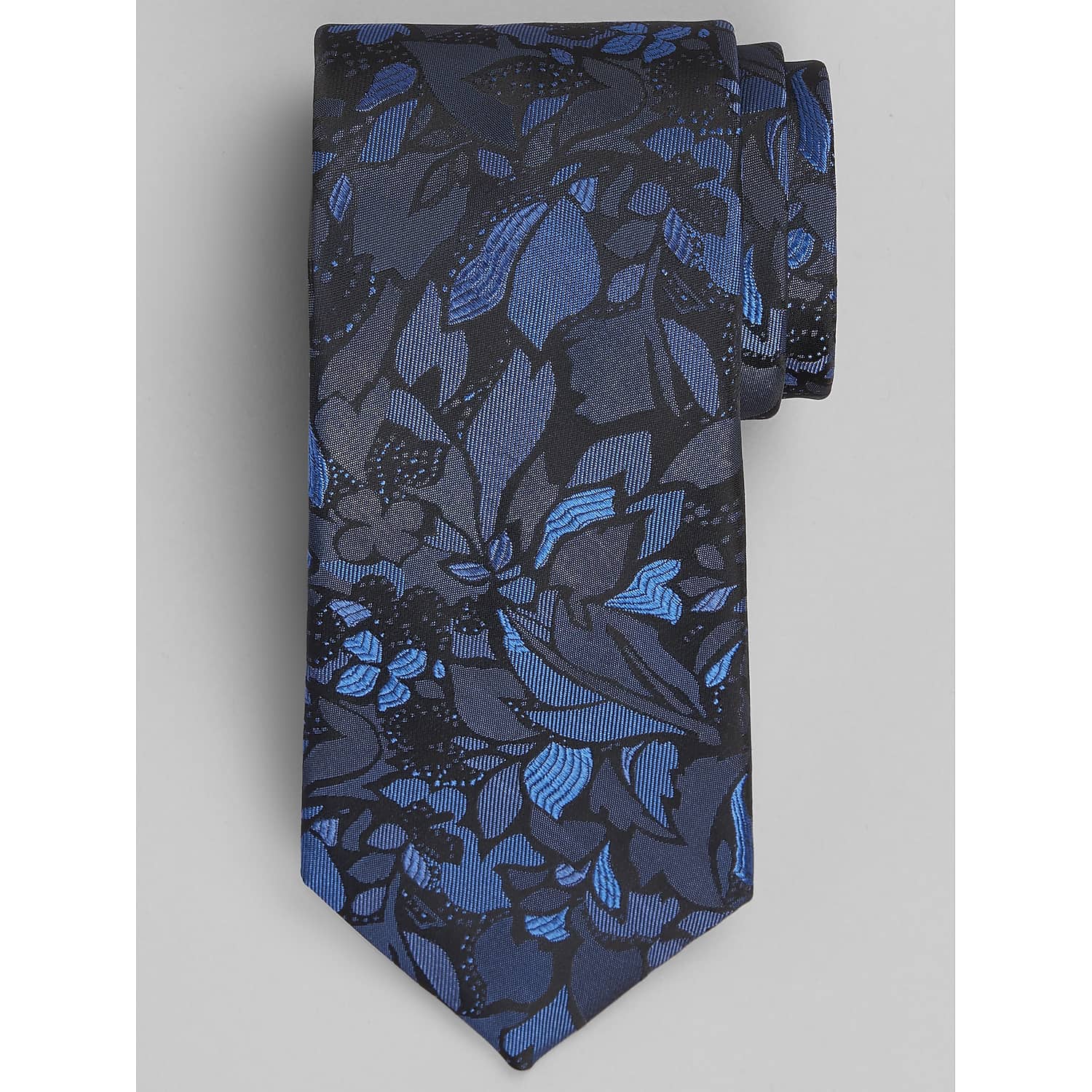
- Your tie introduces color or pattern: Since the white dress shirt stays neutral, you get more room to experiment with your tie without the outfit feeling busy.
- Your pants make the outfit more or less casual: Swap dress pants for chinos or dark denim, and the same shirt shifts from boardroom to weekend.
- Your shoes establish the finishing level of polish: Oxfords sharpen the look, while loafers loosen it up.
How a White Dress Shirt Should Fit
Fit matters with every type of shirt, but it matters even more with a men’s white dress shirt since there’s no pattern or color to distract from a bad fit. Excess fabric, pulling buttons, and sleeves that run too long all show clearly with white fabric.
Whether you prefer a classic cut or a men’s slim-fit white dress shirt, the shirt should follow your shape without restricting movement.
Collar
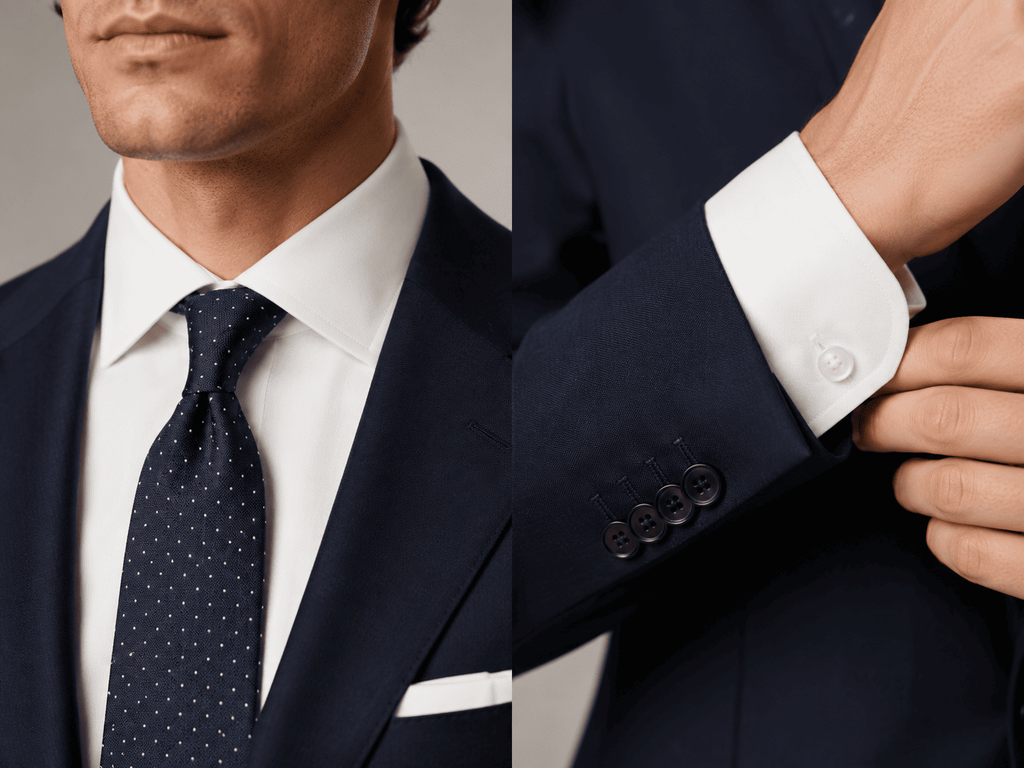
Your collar should sit comfortably against your neck, with enough room for about one or two fingers between the fabric and your skin when buttoned. A collar that’s too loose looks sloppy, and one that’s too tight will bother you all day. If the fabric puckers around the top button, the collar is likely too tight.
Shoulders and Torso
The shoulder seams should align naturally with the edge of your shoulder, not droop past it or pull tight against it. Across the torso, the shirt should skim your body and leave enough room to move comfortably. Watch the button placket as you move. Pulling, puckering, or gaps between buttons mean the shirt is too tight. Extra material at the waist means it may be too roomy, especially if you plan to wear it under a suit jacket or coat.
Sleeves
With your arms resting naturally, the cuffs should reach your wrist bones. Under a suit jacket, about one-quarter to one-half inch of shirt cuff can show. Sleeves that cover part of your hands look ill-fitted and are too long, while cuffs that sit above the wrist make the shirt appear too short.
Shirt Length
Traditional dress shirts are designed to stay tucked, so you want enough length remaining in your waistband even after you sit down or move around. A shirt that keeps untucking throughout the day is the wrong size or not designed to be tucked in.
Tailoring
Off-the-rack sizing doesn’t always account for your specific proportions, and that’s fine. If your sleeves run a little long or the torso feels roomier than you’d like, a tailor can bring both closer to your body for a better fit. Keep in mind that shoulder width, collar size, and armholes are much more complicated to alter. Choose a shirt that fits well in those areas before considering any tailoring.
White Dress Shirt Outfits for Different Occasions
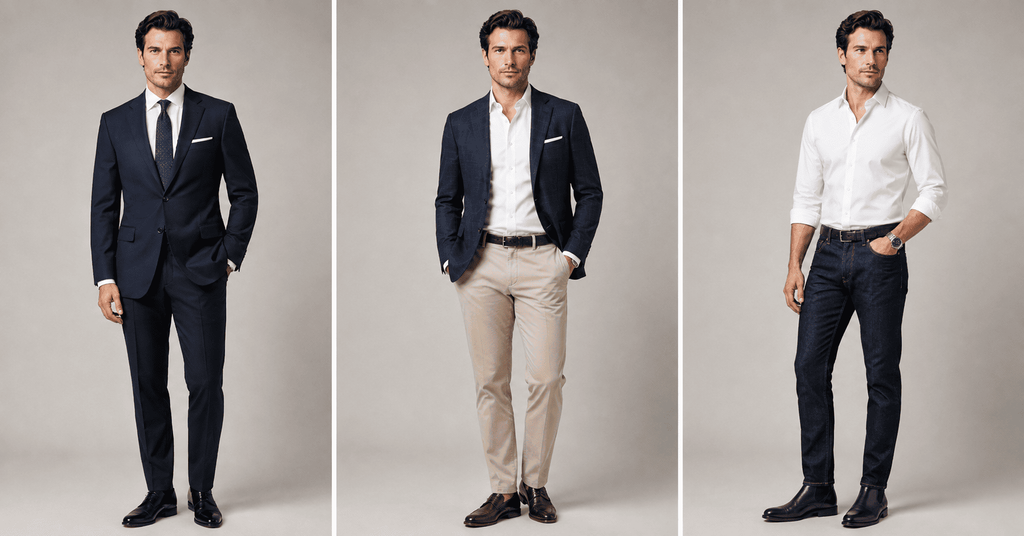
Once you have the right fit, the next step is knowing what to pair it with. Start with the occasion, then choose pants, shoes, and accessories that support the same level of formality. Here’s how to build a complete look for four common occasions.
Business and Office Outfit
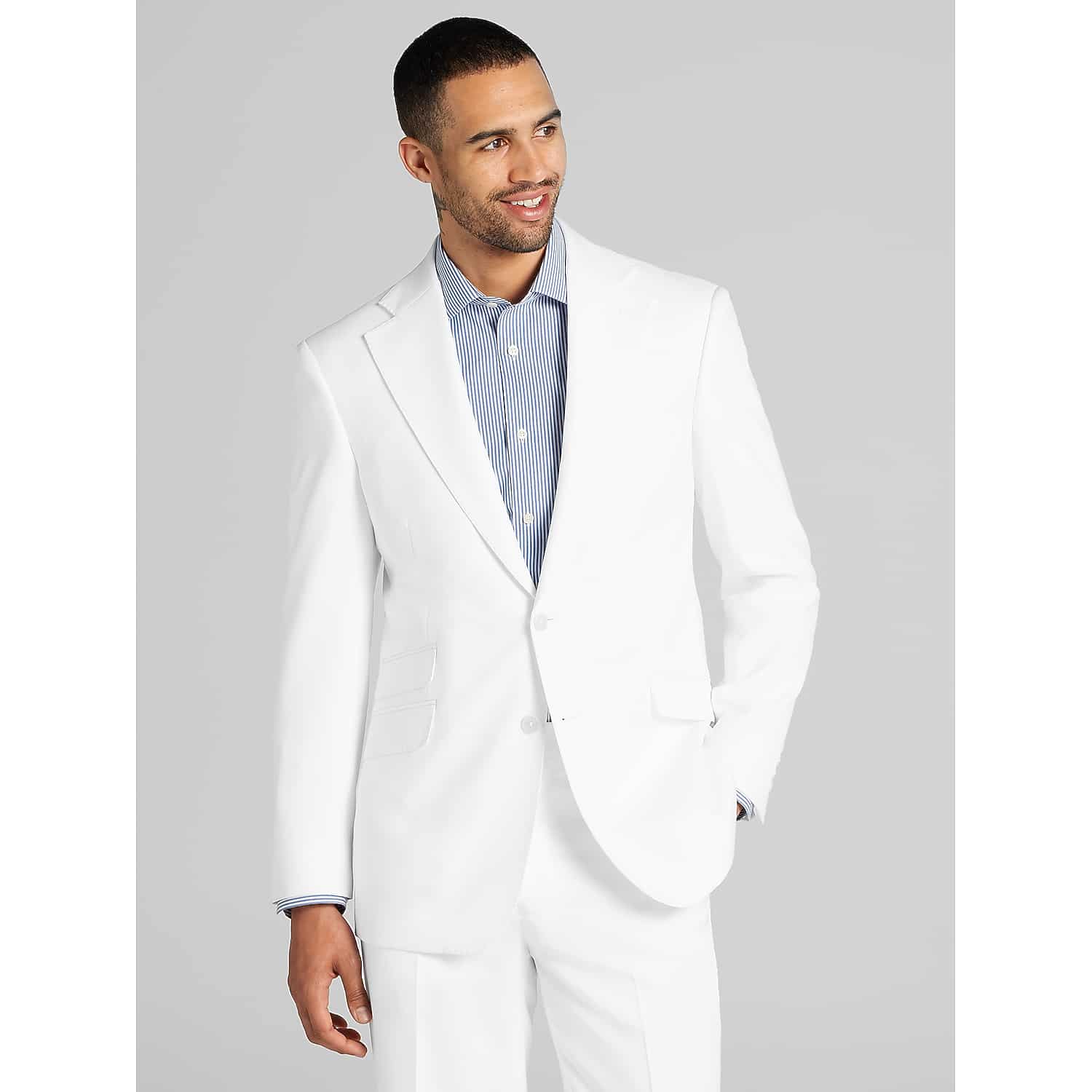
The suit is your safest, most professional option for office settings. It’s appropriate for client meetings, interviews, and everyday office wear.
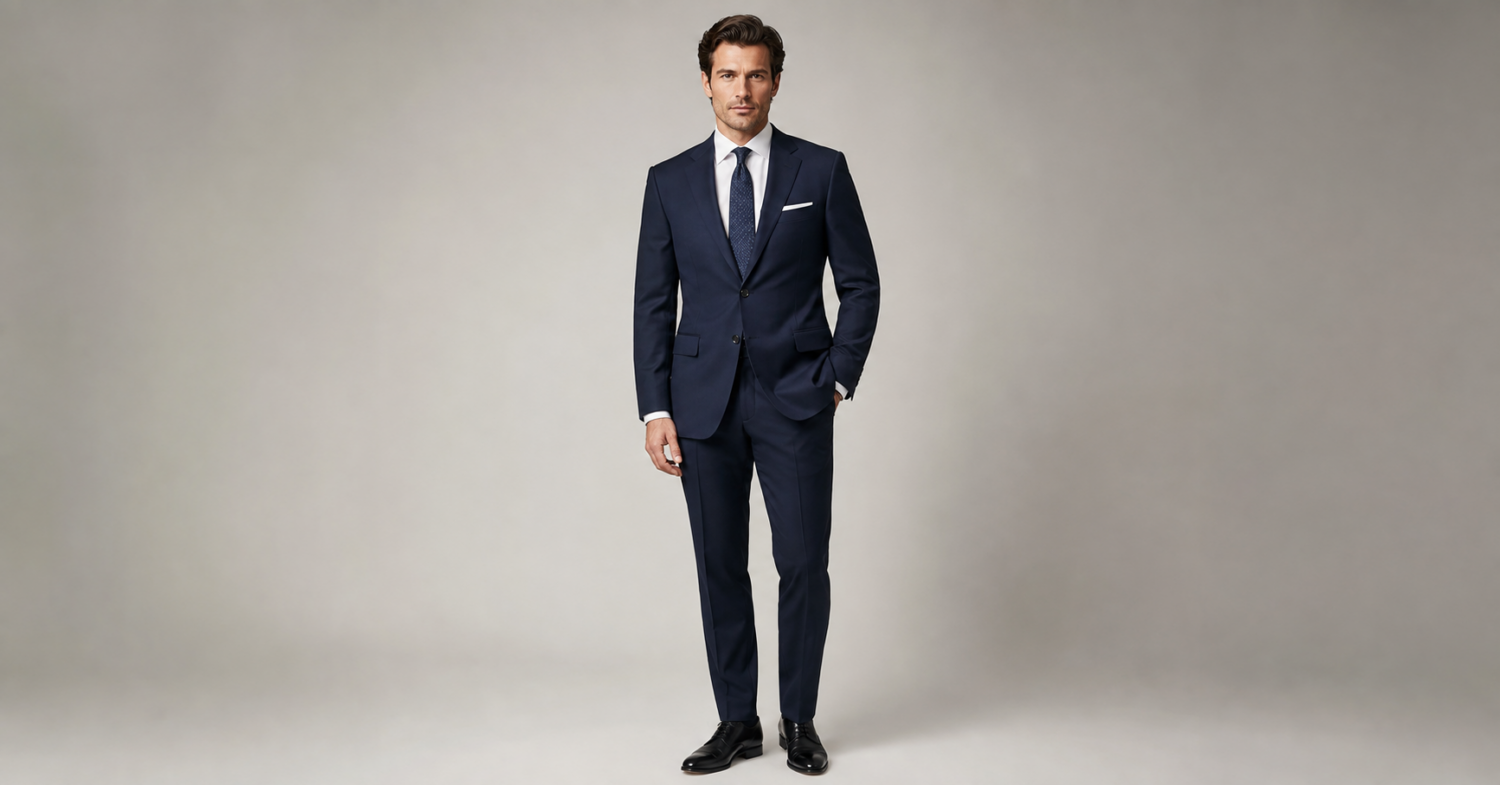
- What to wear: White dress shirt, navy or charcoal suit, a conservative tie, and oxford or derby shoes.
- Why it works: White gives you a clean foundation for the traditional colors most offices expect and it won’t clash with whatever tie you choose. This combination reads as polished without trying too hard.
- Styling tip: A solid navy tie, restrained stripe, or small geometric pattern adds interest while keeping the outfit office appropriate. If your office allows for business casual, you can remove the tie and open the collar slightly. This shifts the same suit to a more relaxed look without losing its structure.
Wedding Outfit
Guests have flexibility when dressing for a wedding but should still respect the dress code and avoid competing with the wedding party.
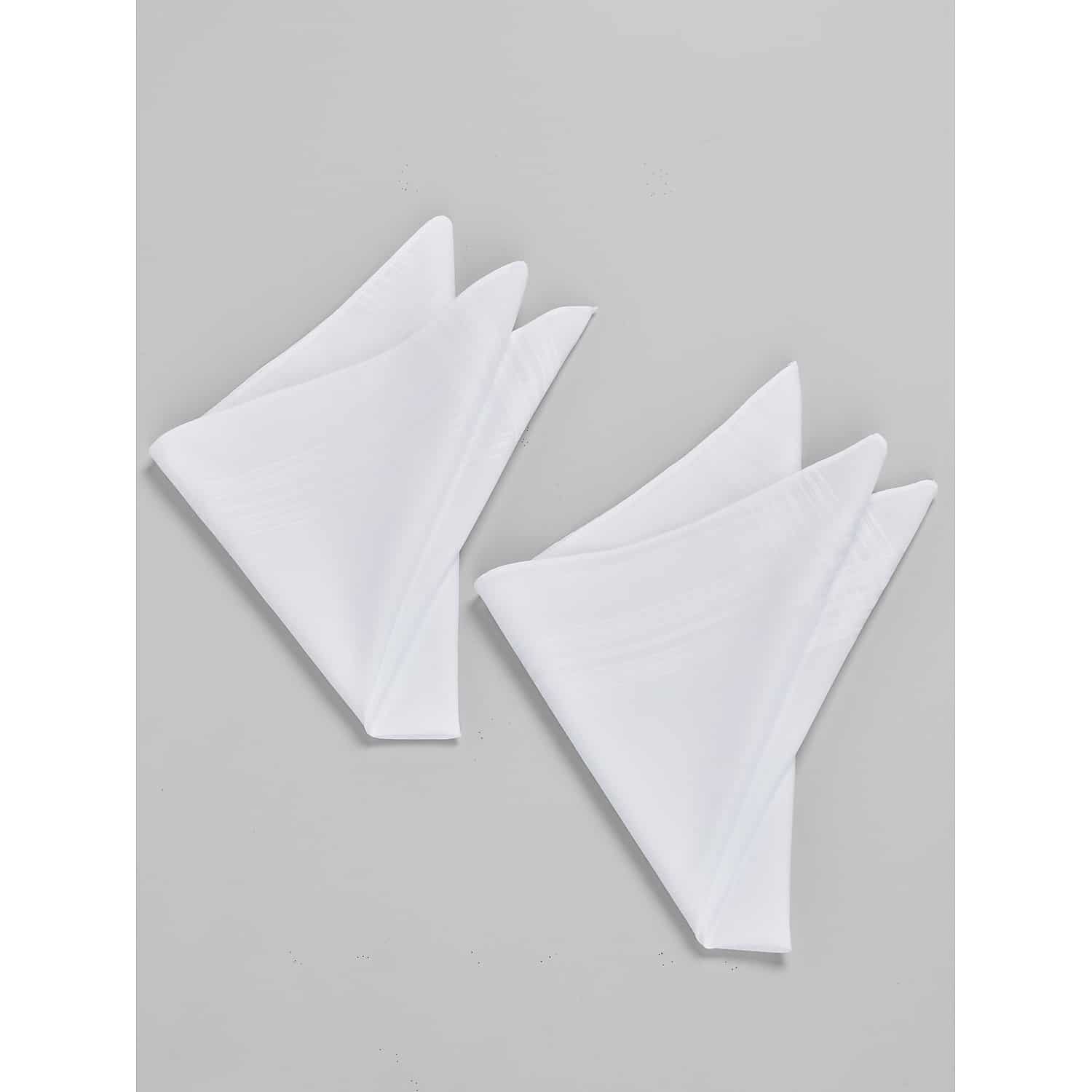
- What to wear: A navy suit with a white shirt and a burgundy or textured tie. Or go with a gray suit with a white shirt and a seasonal tie, such as soft blue for spring or a deeper wine shade for fall. A pocket square should complement your tie rather than match it exactly.
- Why it works: Weddings give you more room to show personality than the office does. A patterned tie or colorful pocket square adds character while the white shirt keeps everything grounded.
- Styling tip: Groomsmen typically coordinate with the wedding party’s color scheme and the groom often wears a slightly elevated version of the same formula. At other semi-formal celebrations, like homecomings, the same white-shirt foundation works with a suit or polished separates.
Smart Casual Outfit
This sits comfortably in the smart-casual category. Perfect for dinners out, casual work settings, or daytime events.
- What to wear: White shirt, chinos, loafers, and an optional sport coat.
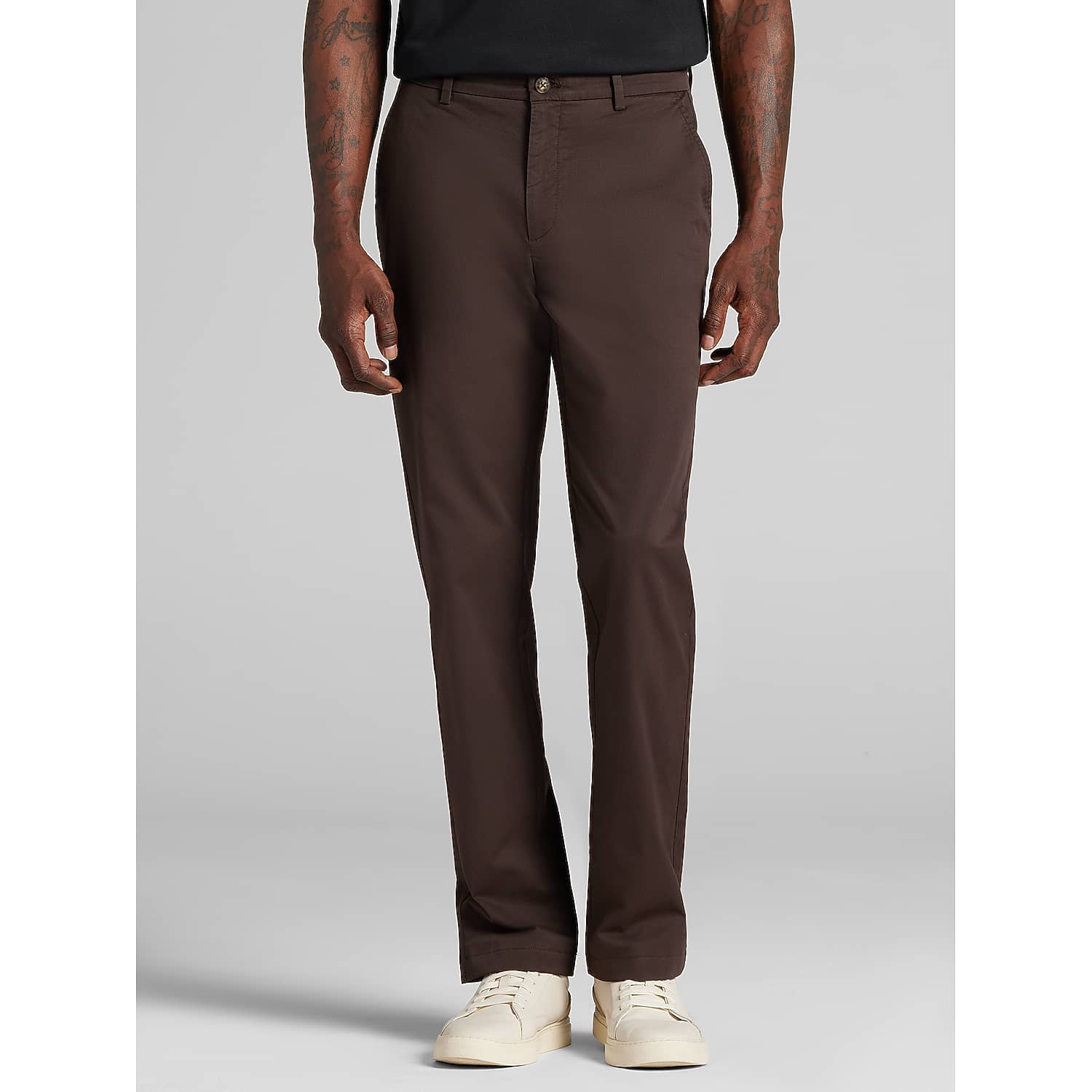
- Why it works: Dropping the tie relaxes the look. Chinos add texture and soften the line compared to dress trousers. A men’s white short-sleeve dress shirt also works well here, especially in warmer weather.
- Styling tip: If you roll your sleeves, keep the roll clean and even. With an open collar, skip a visible undershirt or choose one close to your skin tone.
Date Night Outfit
This look is casual but still feels put together, right for dinner reservations or a night out.
- What to wear: White shirt, dark tailored trousers or clean dark denim, and loafers or Chelsea boots.
- Why it works: Denim along with loafers or boots adds a little edge. An optional jacket can give the simple white shirt more depth.
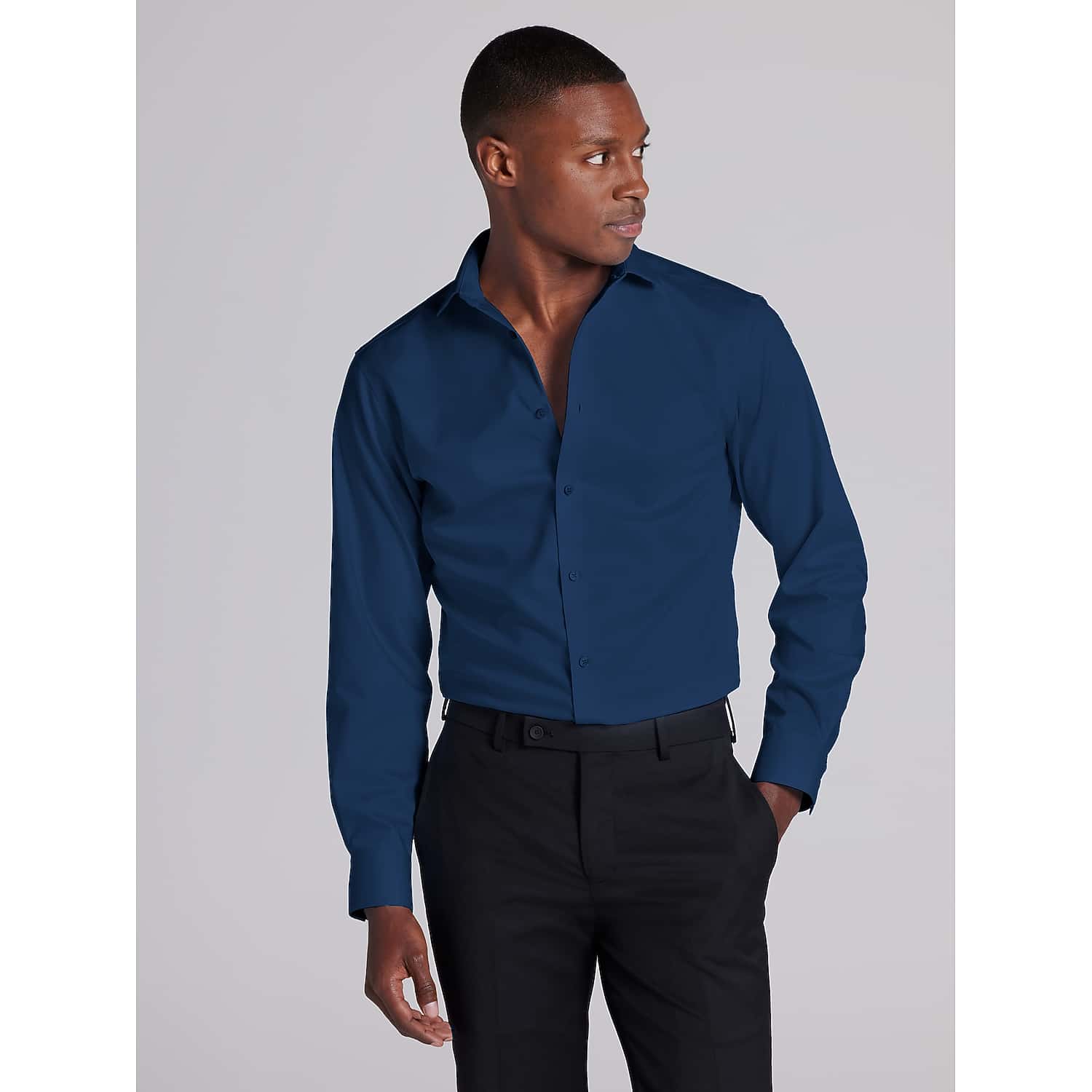
- Styling tip: Open one collar button for most dates. Two can work in a relaxed evening setting, but more tends to look careless. If you’re looking for a bit more, a men’s black-and-white dress shirt with a pattern or contrasting trim makes a stronger statement than a solid white option.
Tucked or Untucked: How Should You Wear a White Dress Shirt?
Tuck in a white dress shirt when you wear a suit or dress trousers. It should also be tucked in for formal events or whenever you wear a tie. A clean tuck preserves the long line of the shirt and prevents fabric from hanging below your jacket.
An untucked shirt can work with chinos or denim when the outfit is intentionally casual and the shirt is cut for it. Look for a shorter hem that lands around mid-fly. Traditional dress shirts usually extend well below that point because they are designed to stay inside your trousers. That extra length can look sloppy when worn loose.
A White Dress Shirt Earns Its Place by Doing More With Less
A classic white dress shirt doesn’t need bold styling to be useful. Its value comes from how easily it adapts to different outfits when the fit is right and the surrounding pieces support the look.
That’s where Men’s Wearhouse comes in. Our team can help you find the right cut from traditional to slim-fit. We also offer expert tailoring to make sure your collar, sleeves, and torso fit exactly the way they should. Stop by a store near you or shop online to find the perfect white dress shirt.
Shop Related Products