
Lots of men put time and effort into picking out a suit. But the accessories you pair with that suit can really transform your outfit. A silk tie can make a navy suit ready for a client presentation, while a colorful pocket square makes that same outfit perfect for an outdoor wedding.
This guide walks through how to accessorize a suit by color and occasion, so you can avoid the most common missteps when styling your suit.
Start With the Suit, Not the Accessories
Before you reach for a tie or dress watch, think about the color and pattern of your suit. You probably don’t want to wear a neon green polka-dotted tie with a pastel pink suit. But even items that look good together can be a bad choice depending on the occasion and dress code. A silk cummerbund looks out of place at a business casual event, and you probably shouldn’t wear a brightly colored tie and pocket square to a funeral.
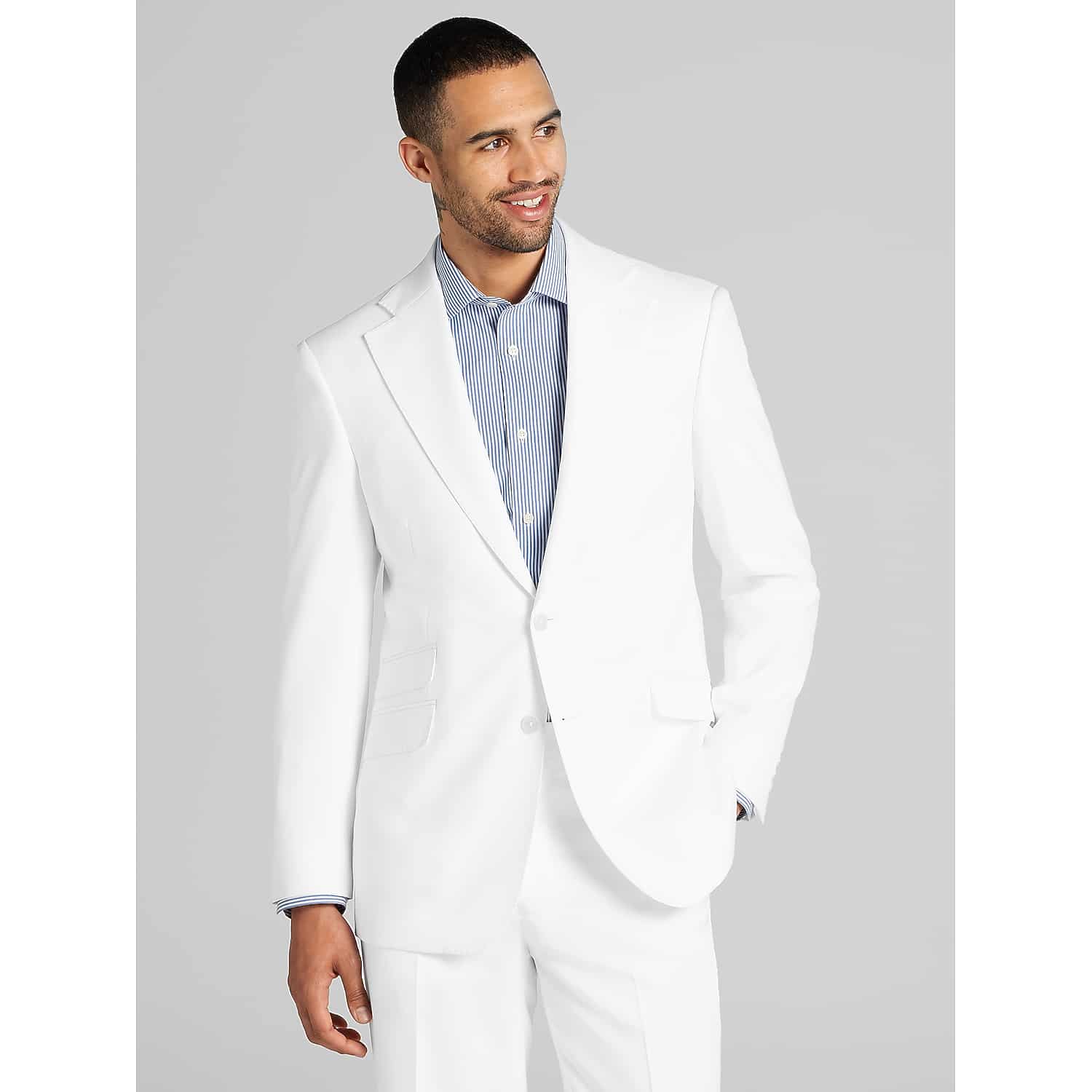
Silhouettes are also important. A boxy fit or sleeves that run long can throw off even a perfectly coordinated pair of cufflinks. Understanding what a men’s well-cut suit should fit like is an essential step before you start adding accessories.
Essential Suit Accessories and How To Wear Them
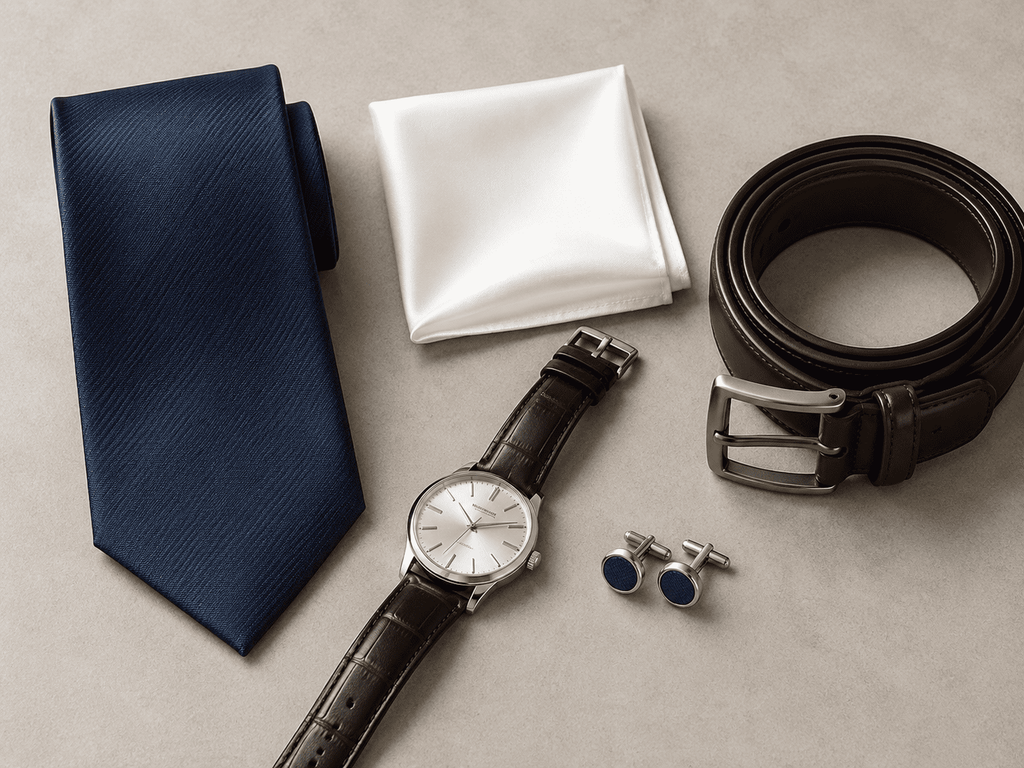
The best suit accessories do a specific job for your outfit. Some establish formality, some connect the colors, and others add a small signature that makes the outfit feel personal. This suit accessories guide explains how to make each choice without turning every detail into the main focal point.
Ties and Bow Ties
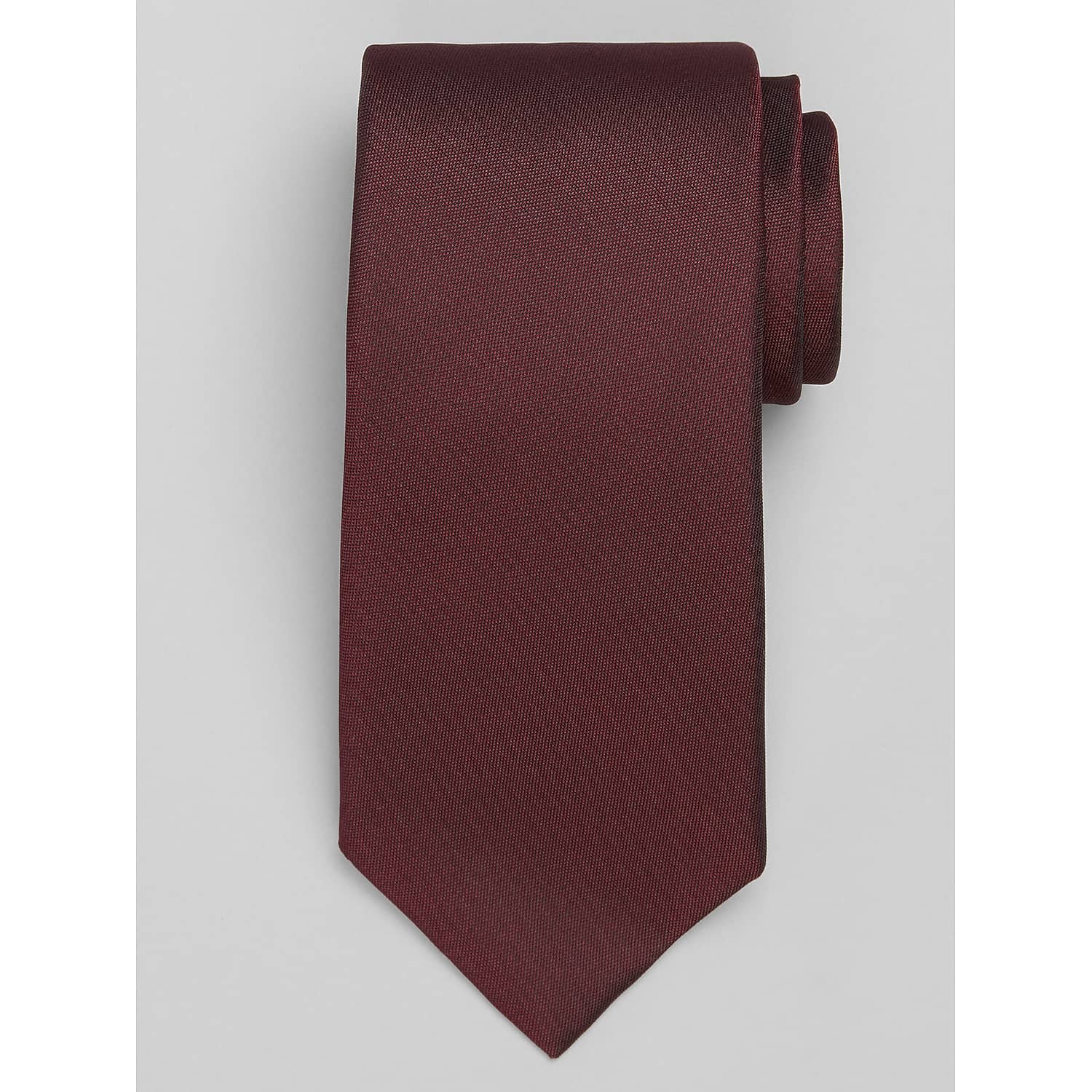
Your tie does more work than any other accessory in setting the formality of your outfit. A solid tie in a rich color keeps things classic, while a pattern or texture adds personality. Whatever tie you choose, make sure it plays off your shirt and jacket. Power clashing might be fun for an artsy night out in the city, but sticking with classic, neutral colors is always appropriate.
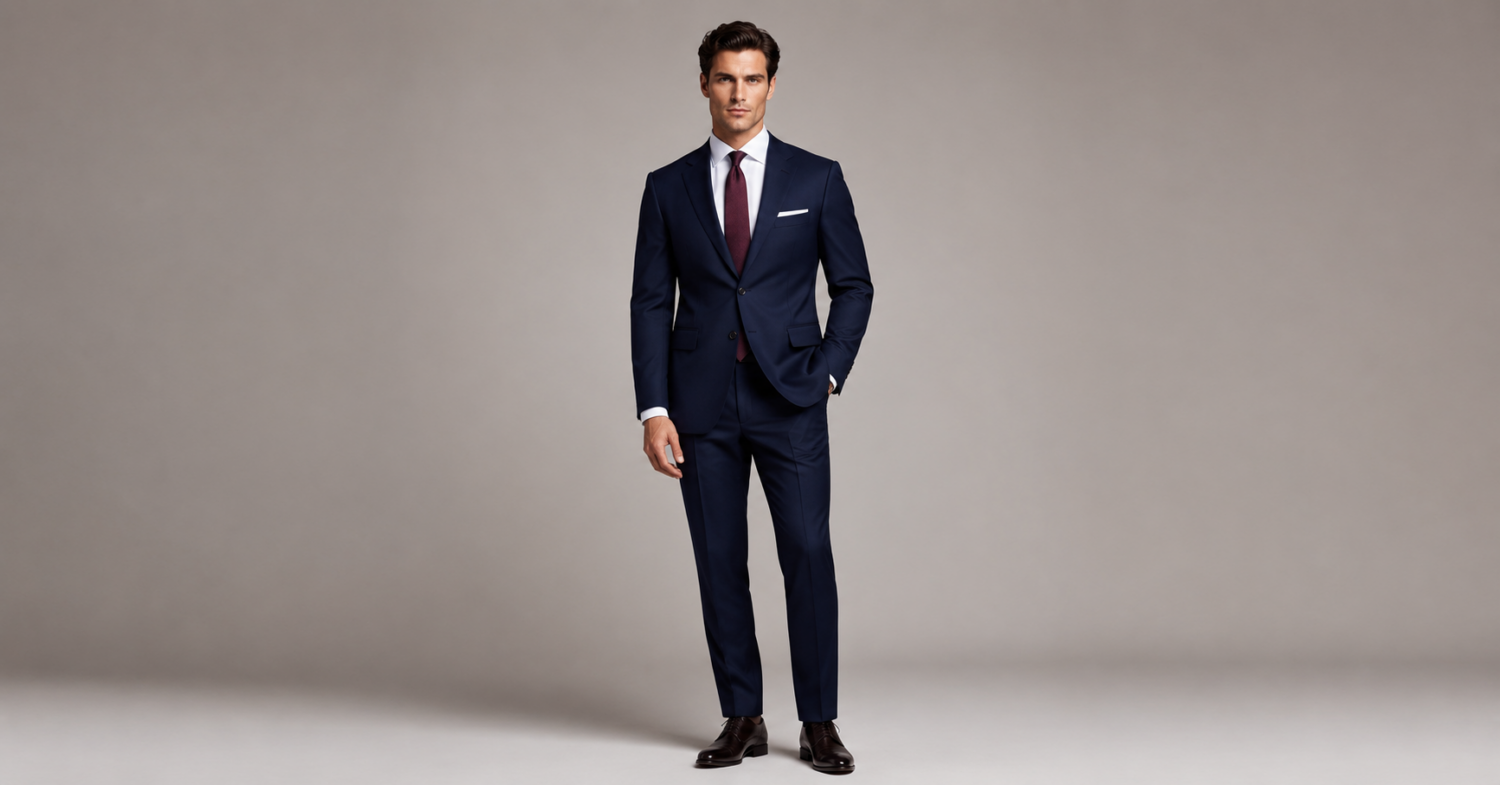
One combination that rarely misses is a navy suit, white shirt, and burgundy tie. It’s simple, but it works in nearly any setting.
Bow ties make sense for black-tie events and for weddings where the dress code leans more formal. Outside of those settings, a standard tie is usually the safer call.
Pocket Squares
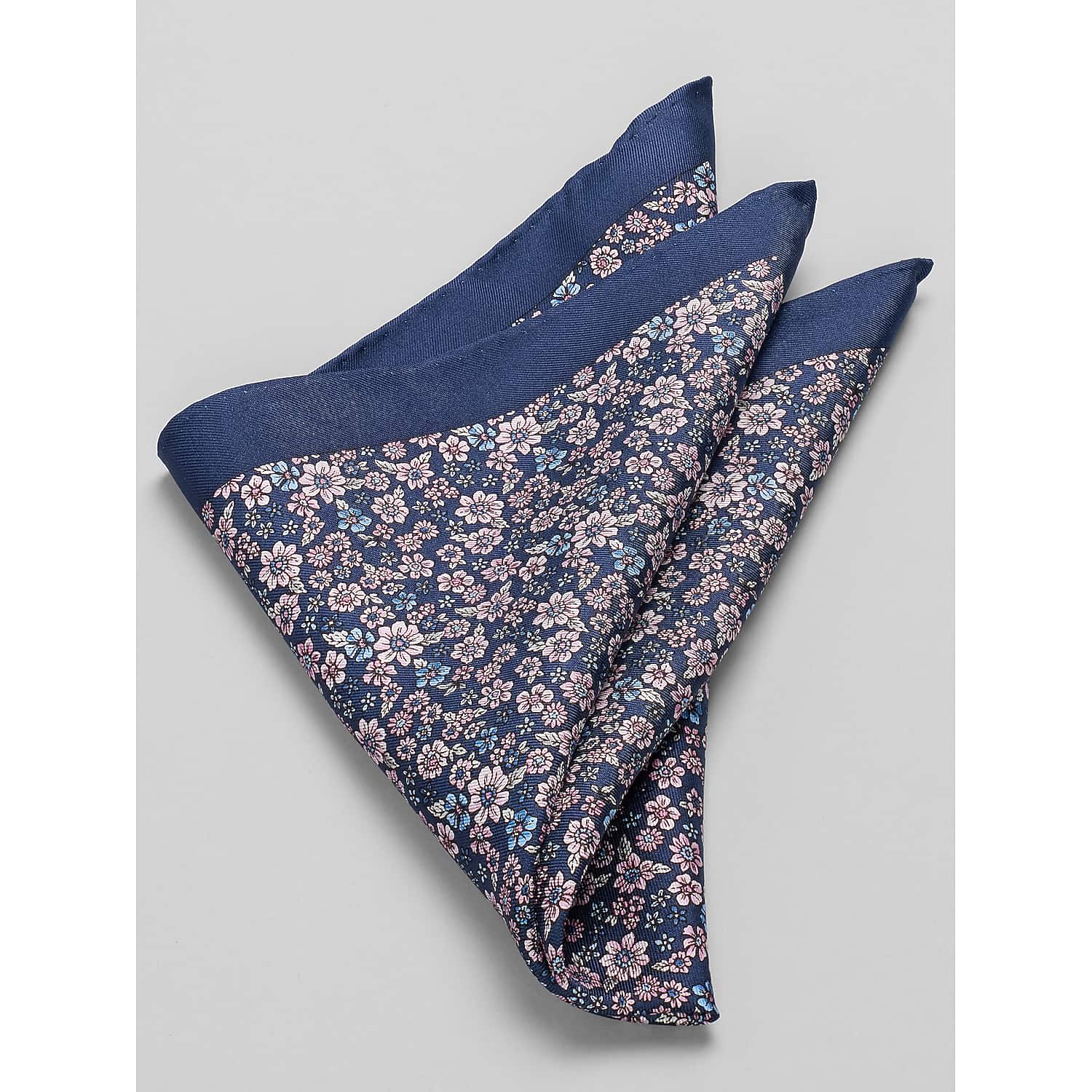
A crisp white linen square is the safest way to add polish to your outfit without competing for attention, especially in formal settings. Once you’re comfortable with the basics, a silk pocket square in a subtle color or print can bring in some personality, particularly for weddings and other social events where a bit more personal expression fits the occasion. A simple presentation fold looks clean in nearly every setting, so don’t overthink it.
One common mistake is assuming your pocket square should match your tie exactly. Wearing a tie and pocket square in the same color can look childish, like you’re wearing a costume. If your tie has a multi-colored pattern, pick one of the lesser colors for your pocket square. If your tie is a solid color, try a complementary color for your square — blue and orange or yellow and purple, for example.
Watches
Your watch should match the outfit’s overall vibe. A leather strap pairs naturally with traditional cuts, while a metal bracelet looks more modern. Save the oversize sports watch for the weekend because it rarely belongs next to a tailored suit.
If you go with a leather strap, match it to any other leather accessories, like your belt and shoes.
Cufflinks
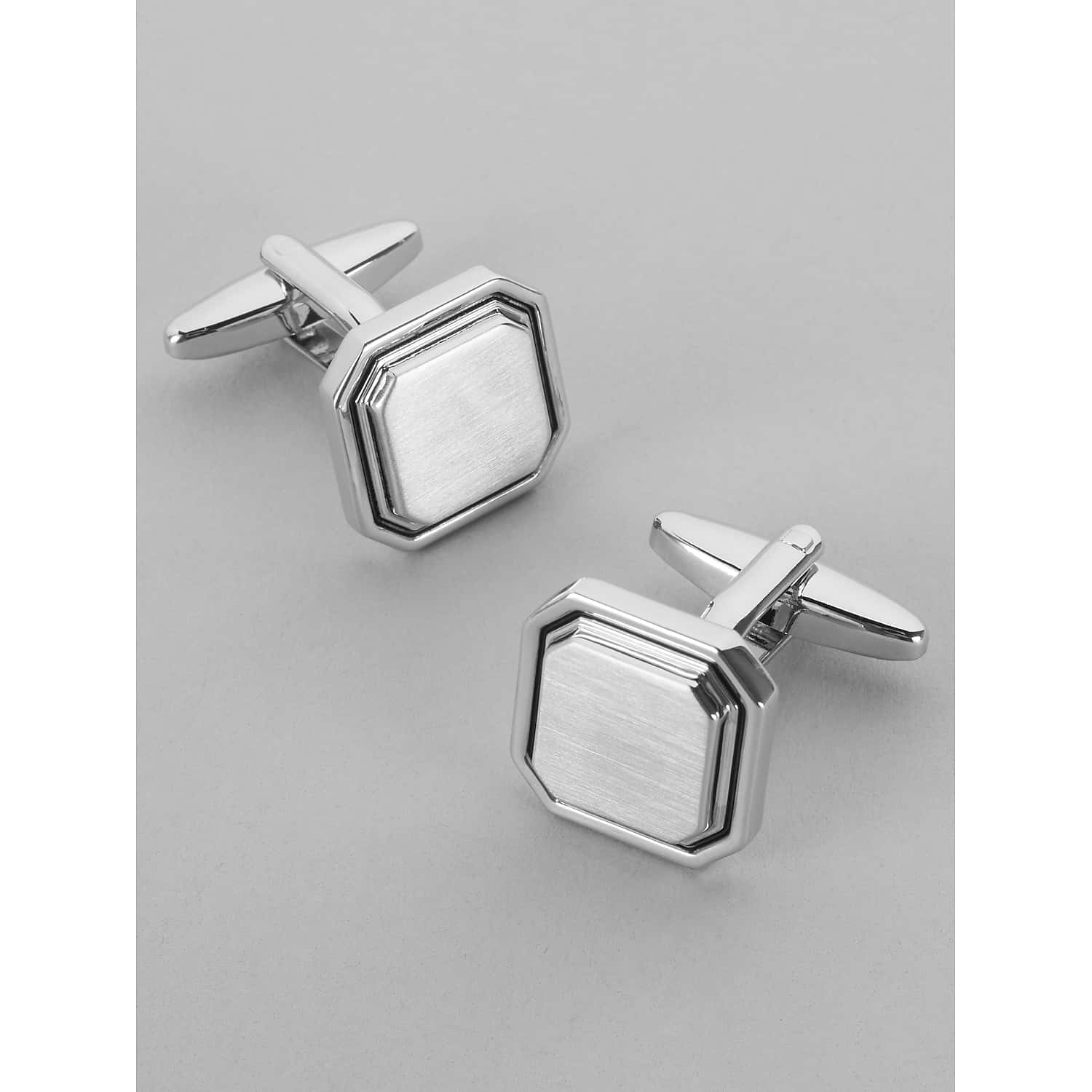
If you’re wearing a shirt with French cuffs, cufflinks aren’t optional; they’re part of the shirt’s construction. They also work well with formal business attire, weddings, and black-tie events. Simple metal designs in silver or gold tend to be the most versatile choice, since they’ll pair with almost everything else you’re wearing.
Personalized or novelty cufflinks can be a fun touch for a wedding, but they work best in small doses. Save the bold statement pieces for one detail or accessory, not several.
Belts and Suspenders
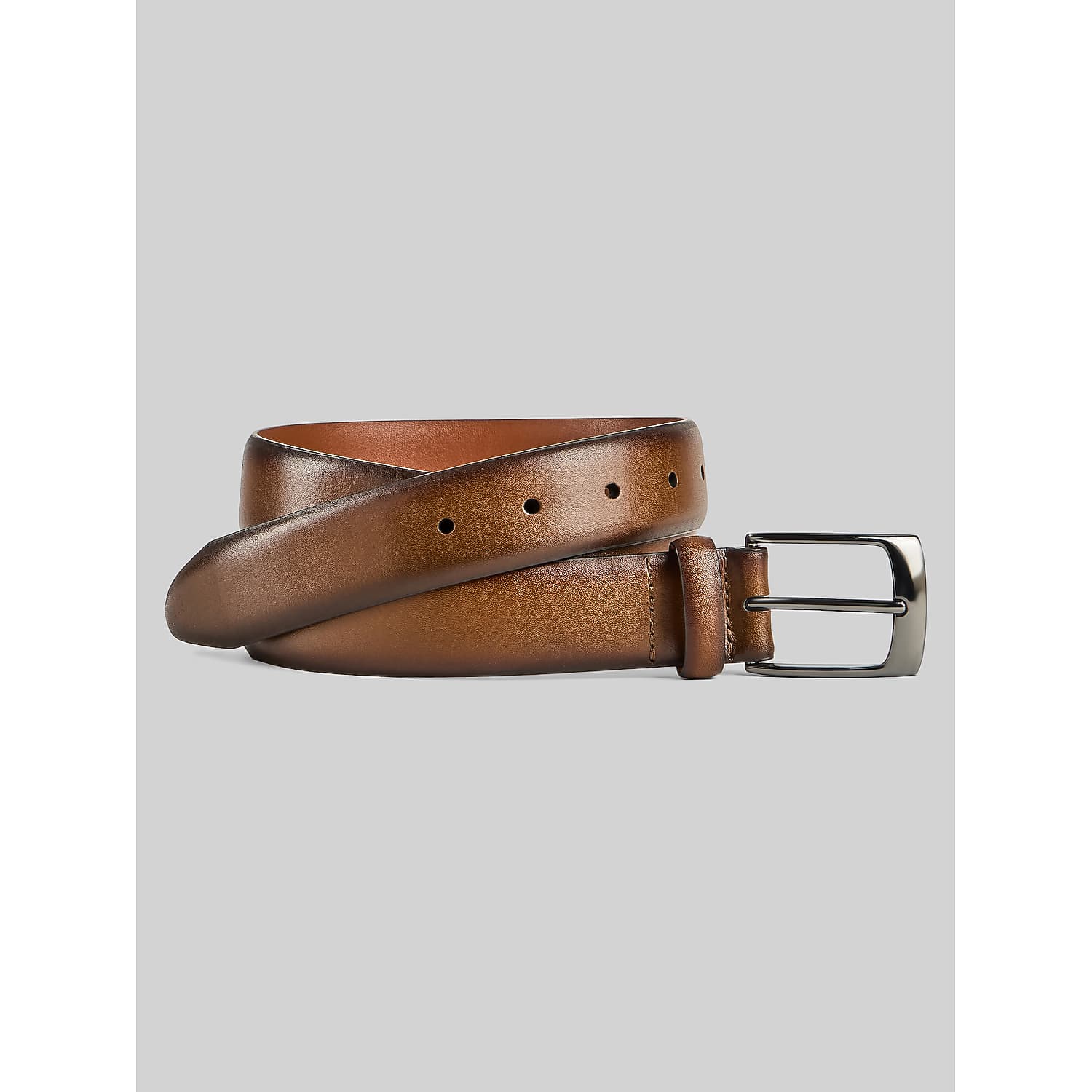
Keep it simple: your belt should generally match the color and finish of your shoe leather. Black shoes call for a black leather belt, and brown shoes call for a brown one.
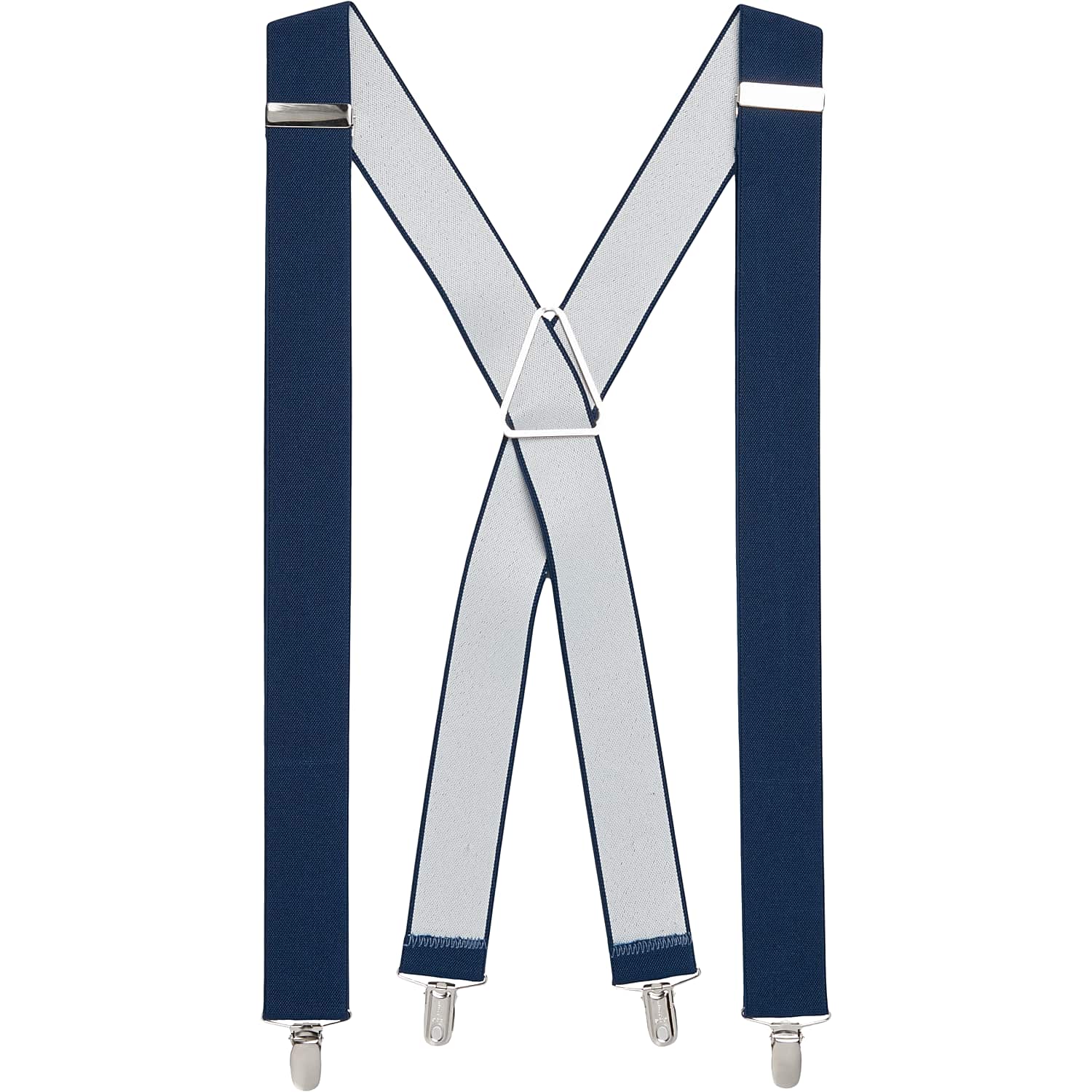
Suspenders are a solid alternative, particularly with more formal suits and tuxedos. But remember that they’re a substitute for a belt, not an addition to one. Wearing both at once defeats the purpose and creates unnecessary bulk.
Socks
The traditional approach to accessorizing with socks is to coordinate them with your trousers, which keeps the link from your pants to your shoes looking seamless. For more casual or social occasions, a patterned or colorful sock can add some flair. Just steer clear of athletic socks with tailored clothing because they undercut the whole look the moment you sit down and your pant leg rides up.
How To Accessorize Different Suit Colors
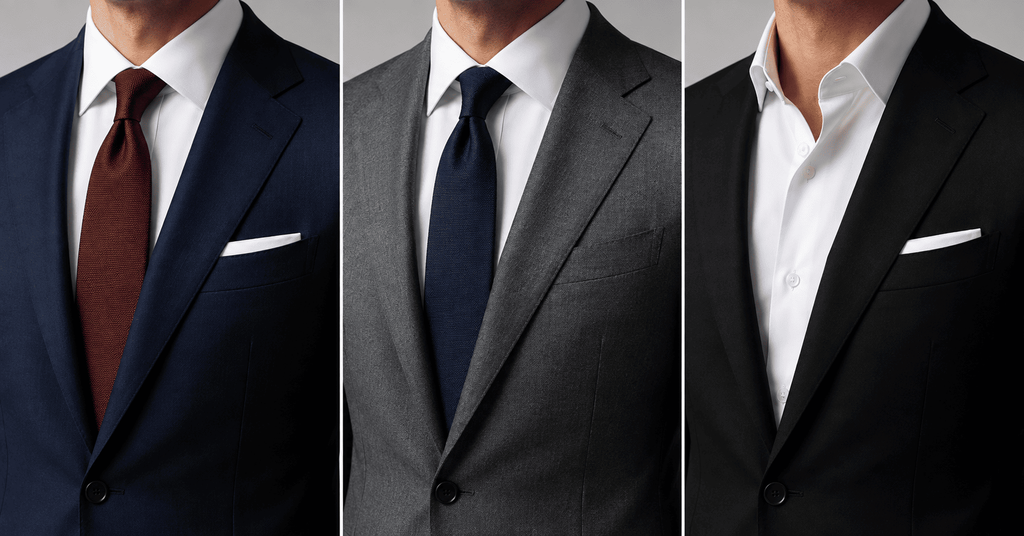
These suit color combinations give you a practical starting point for jazzing up your look.
Navy Suit
For a navy suit, try a burgundy, navy, or forest green tie. If you go with a pocket square, stick with white. Brown leather accessories (watch straps, shoes, and belts) look best.
Gray or Charcoal Suit
For a gray or charcoal suit, choose a navy, wine, or silver tie. A white or black pocket square is the best option for these suit colors. Stick with black or dark brown shoes and belts.
Black Suit
The most effective black suit combinations rely on clean contrast. Keep the accessories understated: A black, silver, or subtly patterned tie, a white pocket square, and black leather shoes are all classic.
Tan Suit
With a tan suit, reach for navy, olive, or burgundy neckwear. A pocket square in a warm or seasonal shade is the best option while brown leather accessories complement tan the best.
Common Suit Accessory Mistakes To Avoid
When adding accessories to a suit, they should always complement the overall look, not overpower it.
Common accessory mistakes to avoid include:
- Matching your tie and pocket square exactly: Stick with the same fabric but different colors or patterns.
- Wearing too many statement accessories at once: Pick one or two bold accessories to stand out, and let the rest stay understated.
- Mixing dress-code levels: Don’t wear a tuxedo shirt with a suit or a regular tie with a tux.
- Mismatching your belt and shoe leather: A small tonal difference is fine. A black belt with brown shoes isn’t.
- Wearing an oversize casual watch with formal tailoring: Save the bulky sport watch for the gym or weekends.
- Focusing on accessories while ignoring the fit: No tie or pocket square combination fixes a jacket that doesn’t sit right in the shoulders or sleeves that run too long. Having a suit that fits correctly is the first step before even considering accessories.
Find The Best Accessories for Men
The right accessories take your suit from good to great. Nailing the little details shows that you care and makes you look put together.
Men’s Wearhouse can help you find the right accessories to add to your collection. Our team can help you coordinate your suit, shirt, shoes, and accessories, while in-store tailoring helps each detail sit where it should. Visit a store or shop online to build a look that feels polished, comfortable, and unmistakably yours.
Shop Related Products