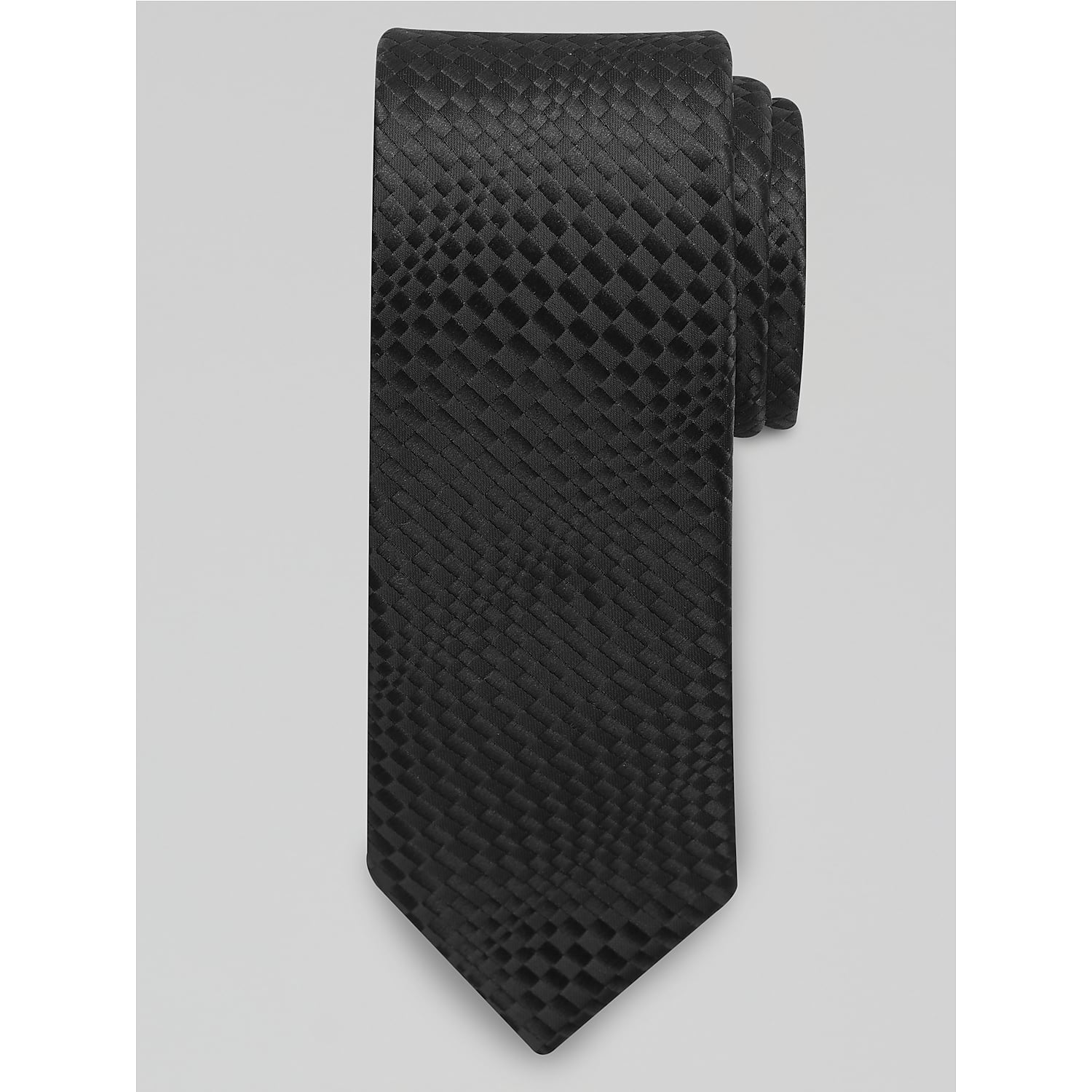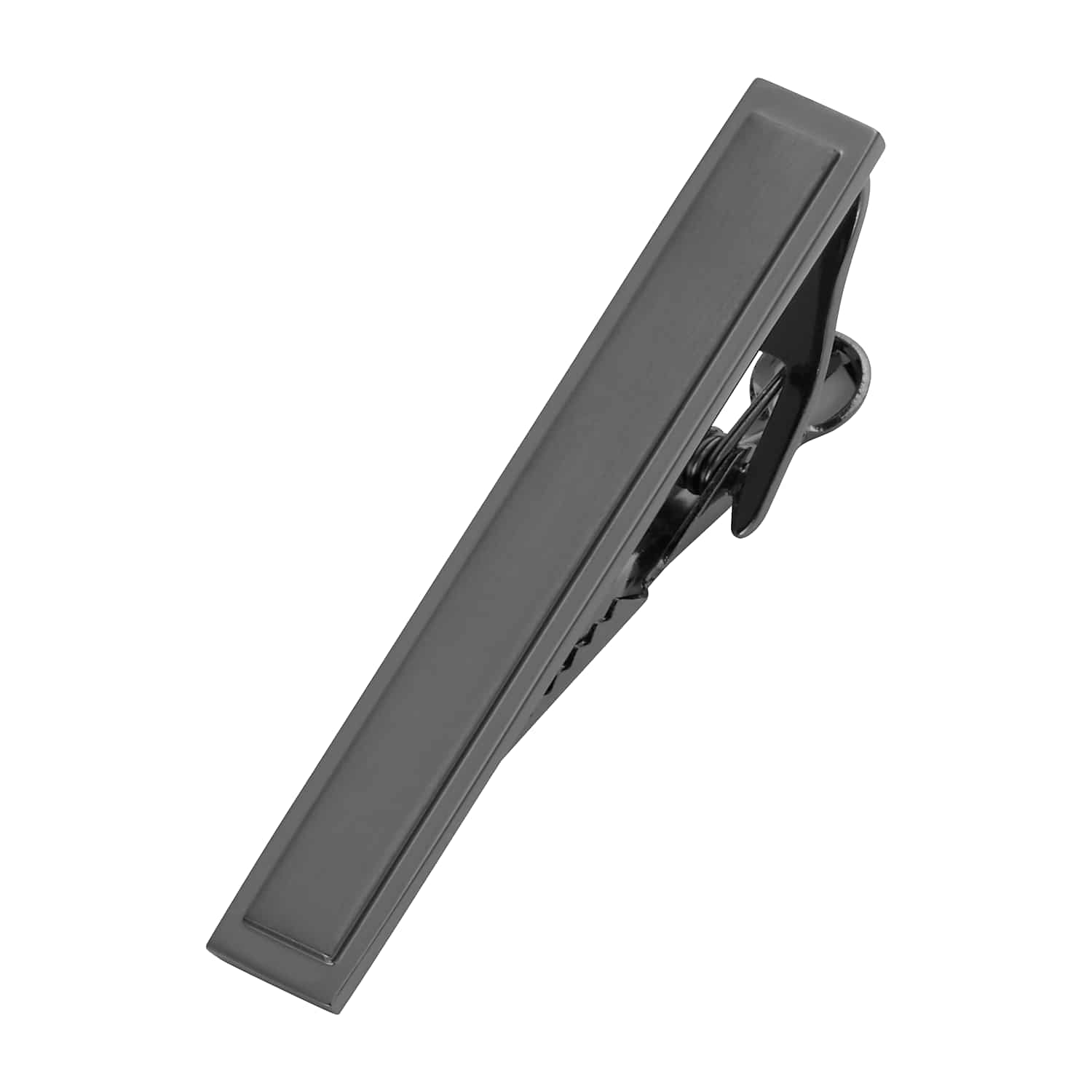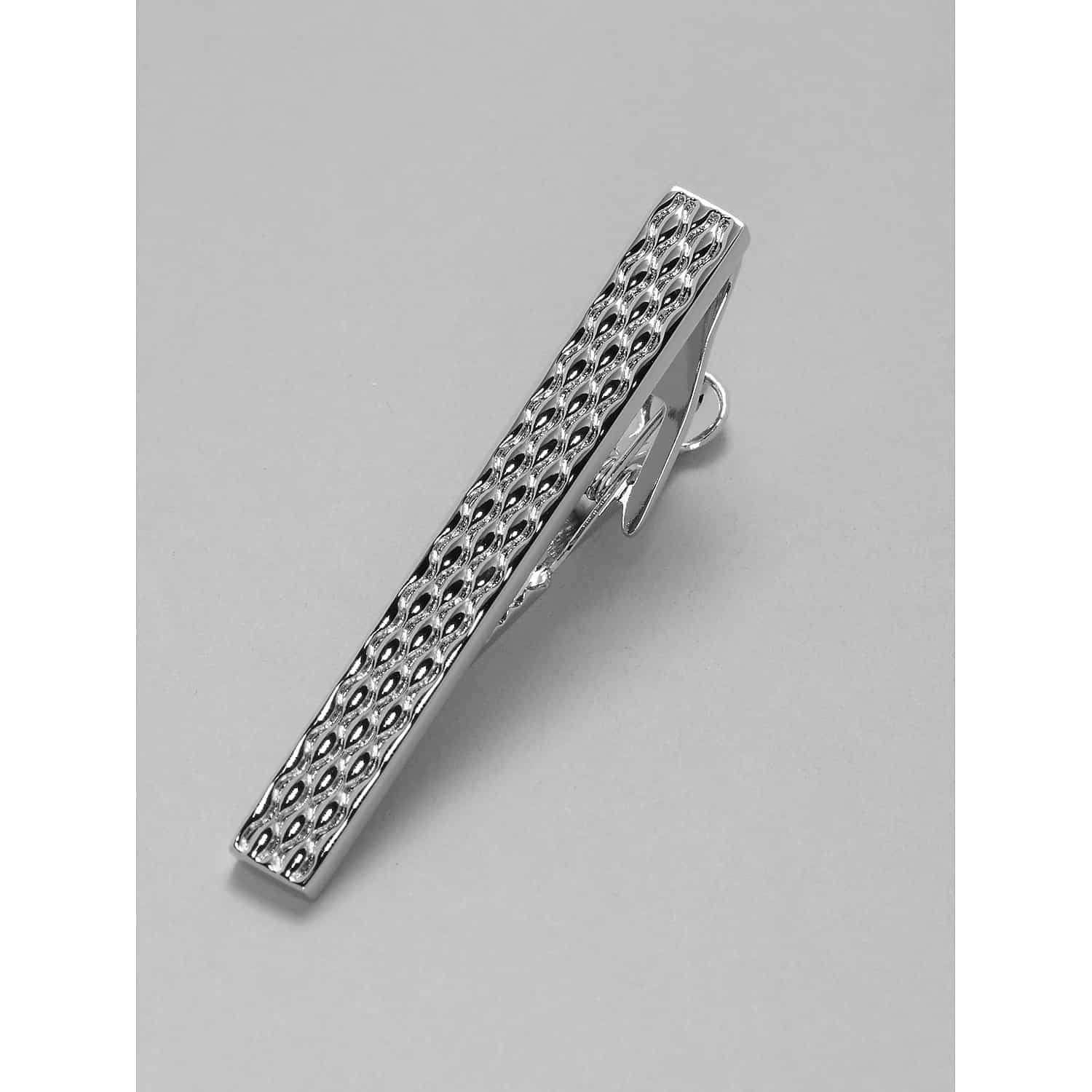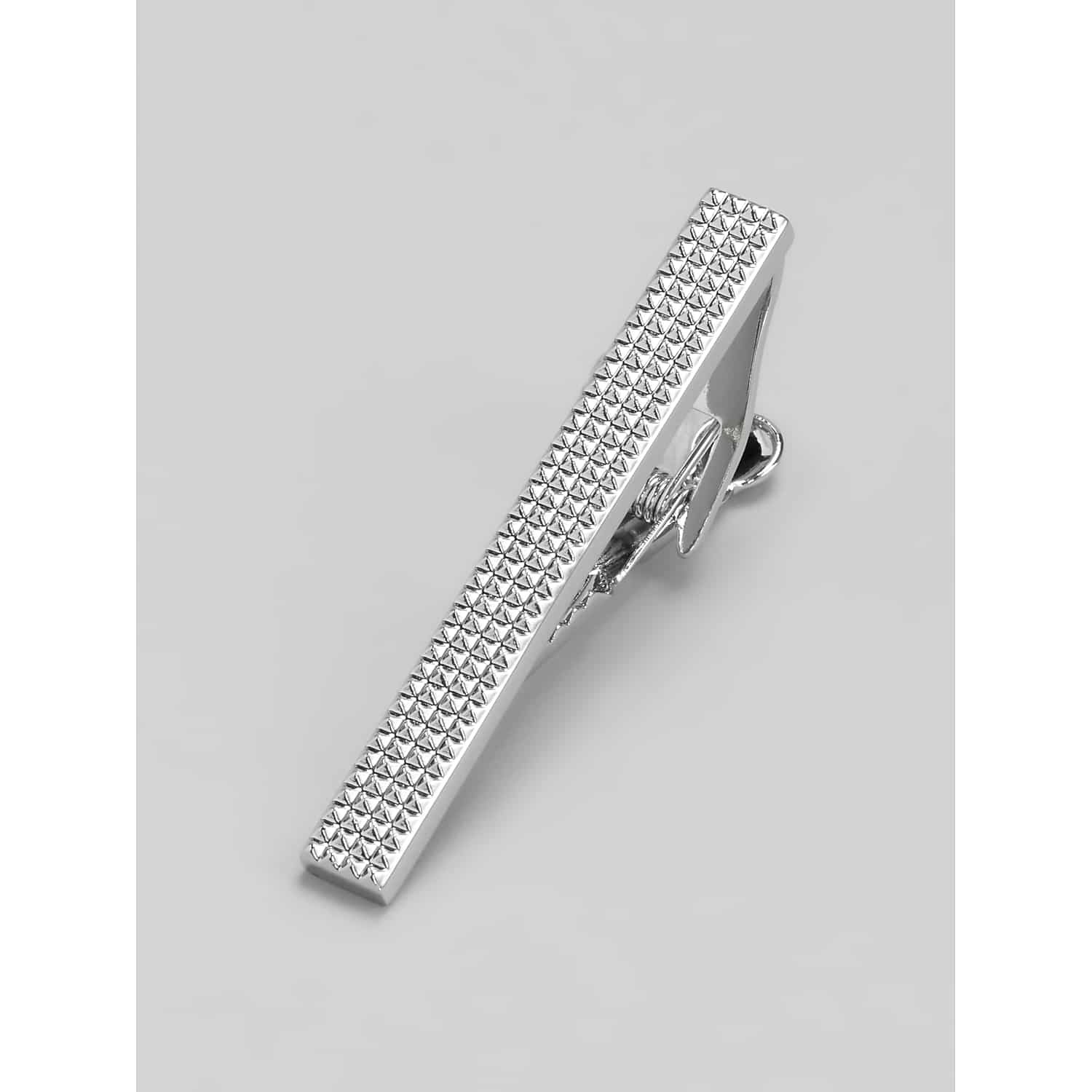

A tie bar may be small, but it makes a noticeable difference in how put together your outfit looks. If you wear it the wrong way, though, you can make your tie look uneven or unfinished.
Learning how to wear a tie bar starts with proper placement and a secure hold. Once you understand the fundamentals, you can adjust the look to match your style and the event.
Read on to learn how tie bars work. We’ll show you how to attach one properly and how you can bend the rules to make this classic accessory your own.
Tie Bar vs. Tie Clip vs. Tie Pin
Did you know a tie bar, tie clip, and tie pin aren’t the same? They keep your necktie under control and add a bit of polish to your look. But each accessory controls your tie in a different way and creates a distinct look.
Tie Bar
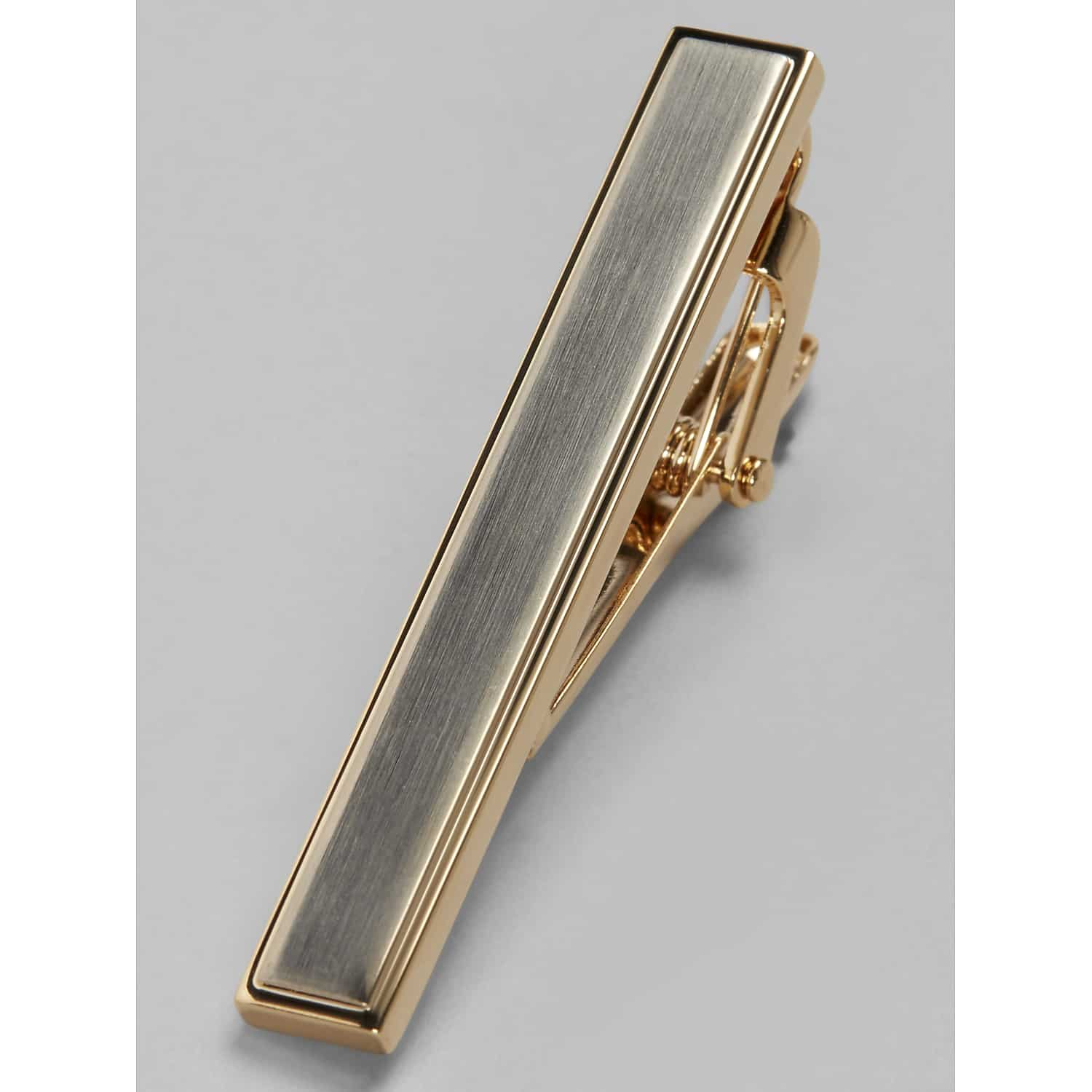
A tie bar is the most classic option. It has a straight, sliding design that uses tension instead of a hinge. You slide it horizontally over your necktie and shirt placket to hold them together. This simple design works well for daily office wear and formal occasions.
Tie Clip
A tie clip gives you a little more grip. Instead of sliding into place, it uses a spring hinge that opens and clamps around your tie and shirt placket. It has a stronger hold than a tie bar, which makes it useful if your tie is thicker and heavier.
Tie Pin
A tie pin is more decorative. It pierces the fabric of your tie rather than clamping or sliding around it. A tie tack, which is a type of tie pin, uses a pin with a short chain and a T-bar that anchors to the buttonhole of your dress shirt. These are best for formal and vintage outfits when you want an old-school look.
What Is a Tie Bar for and How Does It Work?
The main job of a tie bar is to fasten your tie to your shirt, keeping it centered and close to your body. This helps your tie stay flat and reduces the chance of it swinging forward when you walk or lean over.
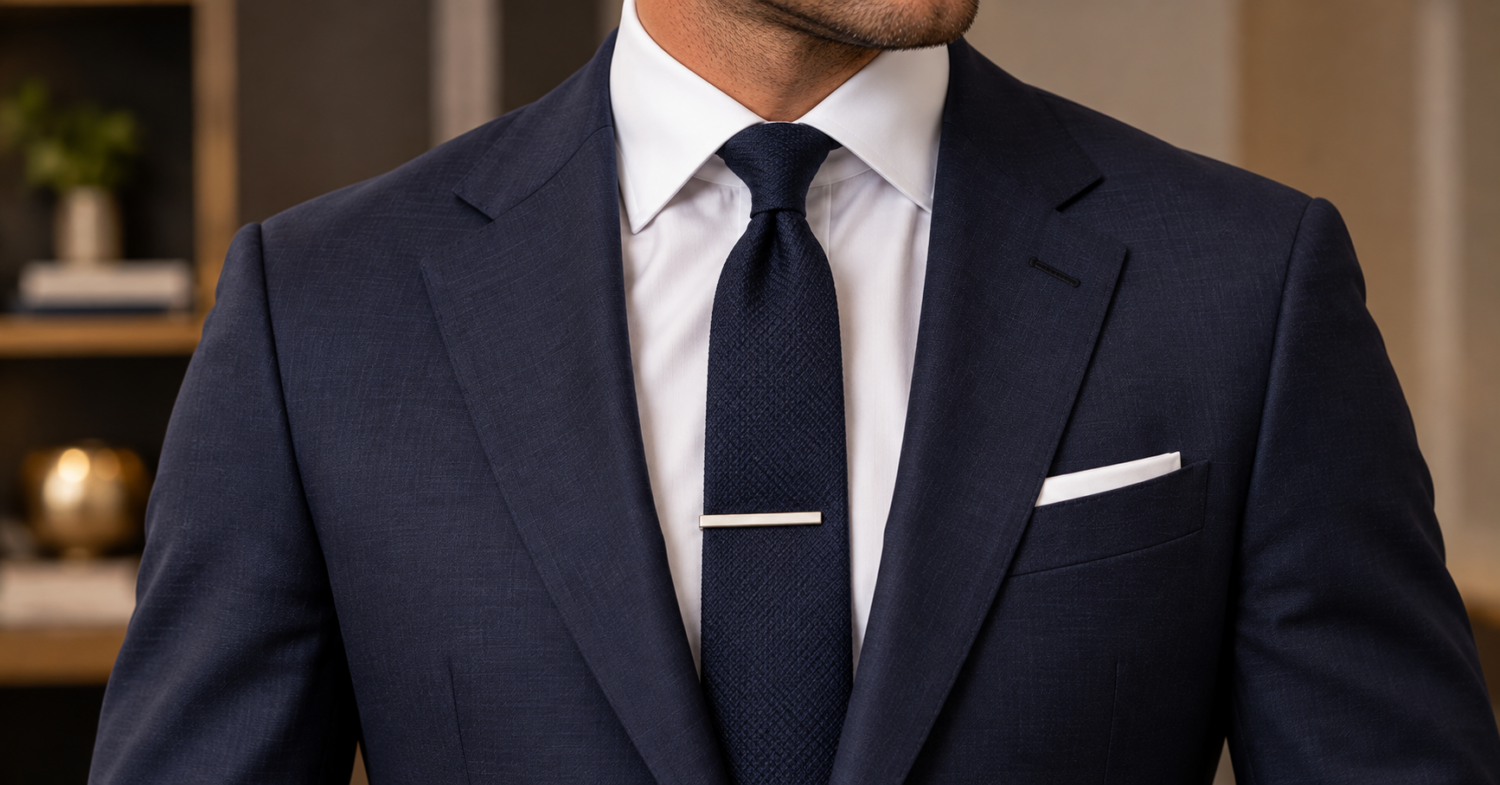
To get it right, straighten your tie against your dress shirt. Slide a classic tie bar over your tie blades and shirt placket, between your shirt’s third and fourth buttons.
If you’re using a tie clip, open the hinge and fasten it over the layers of fabric. The tie bar should sit level and snug against your shirt without bunching or pulling the fabric.
The Rules: Placement, Height, and Proportion
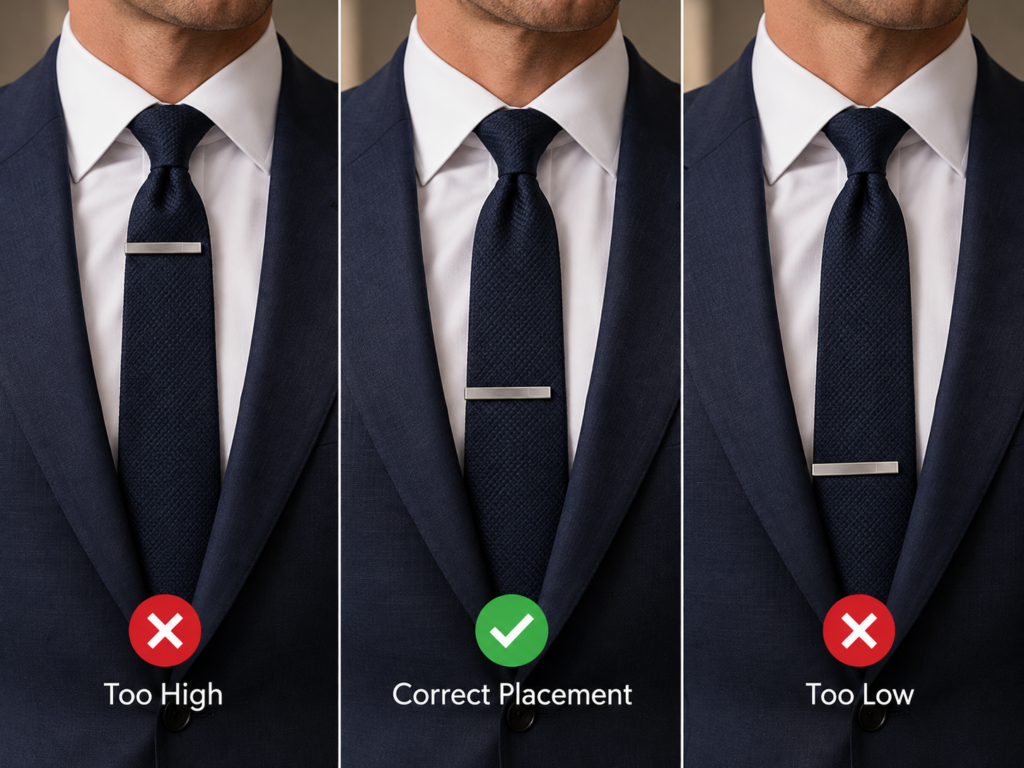
A tie bar should look intentional while keeping your necktie in place. These basic rules help you get it right every time:
- Placement: Proper placement of a tie clip or bar is horizontal across both tie blades and your shirt placket. It should hold your tie and shirt together rather than just clipping the two layers of your tie.
- Height: How high should a tie clip be? Aim for the area between your third and fourth shirt buttons, or roughly level with your jacket pocket. This puts the bar around the middle of your chest, helping it stay visible when you button your suit jacket.
- Proportion: Your tie bar should cover 70% to 80% of your tie’s width. A smaller bar looks more balanced on skinny ties, and a bigger bar looks better on wider ties.
- Length: Never wear a tie bar that extends past the tie’s edge. Size down for a cleaner look if you see metal peeking out.
Before you head out, give yourself a quick check in the mirror. Your tie bar should land roughly midway between your collar and the button point of your jacket, sit straight across your shirt, and stay within the edges of your tie.
How To Break the Rules
Once you get the basics down, you don’t have to treat every tie bar rule like it’s set in stone. Here are ways to add a little personality and excitement to your look:
- Play with proportion: Create contrast by wearing a 1-inch micro tie bar on a standard necktie. You can also try the opposite approach and wear a tie bar that sits nearly flush with a skinny tie’s edge.
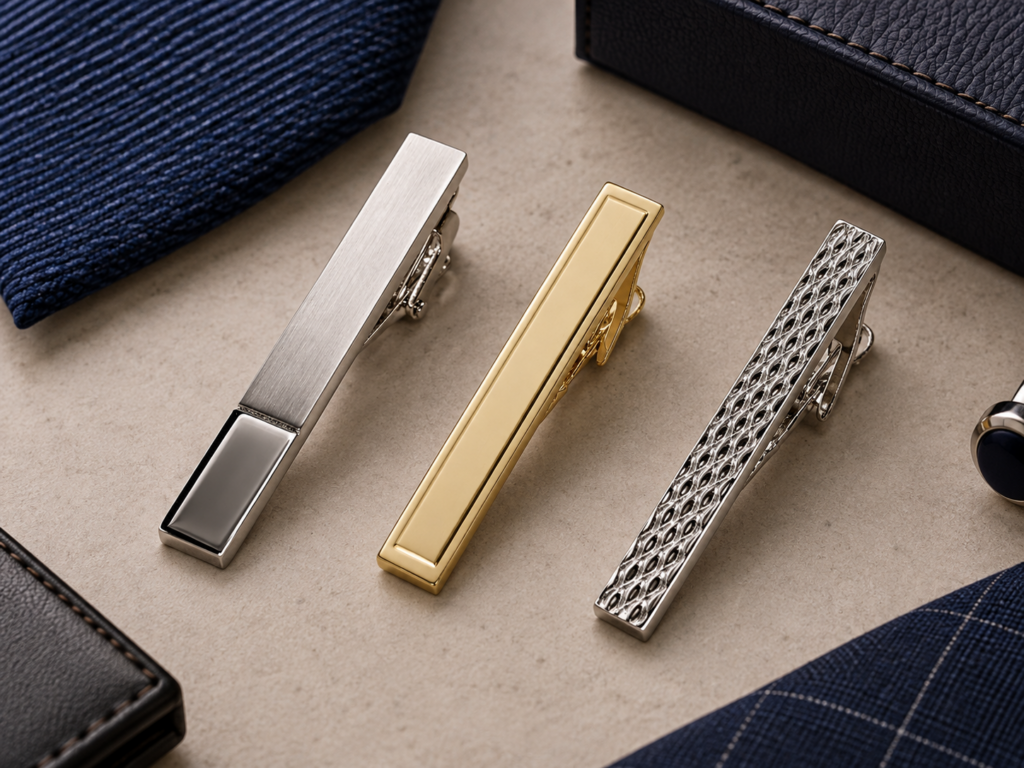
- Coordinate or mix and match metals: Match your tie clip’s finish to your watch, belt buckle, or cufflinks to make your outfit feel more styled. You can also mix and match different metals for something more unique.
- Try different materials: Silver and gold are common choices, but there’s more out there. Tie bars with matte finishes, enamel, textured metal, and other decorative details add character to your overall look without overpowering it.
- Skip the jacket: You don’t have to wear a suit jacket to add a tie bar. Make the accessory shine by wearing it with just a dress shirt and tie.
Where you’re heading can help you decide how far to push your style. While some occasions call for something more subtle, others give you more room to have fun with color, texture, and proportion:
- Keep formal looks polished: For a formal occasion like a wedding or gala, wear a sleek tie bar with a simple polished finish. This keeps the focus on your suit.
- Loosen up for casual events: In a more relaxed, creative setting, try a slimmer bar, something more colorful, or an edgier finish you’ve been wanting to try out. This is a great way to show some personality.
- Know when to skip it: A textured or knit tie has enough depth and weight to make a tie bar feel unnecessary. If you still want the function, choose a smooth, understated design.
Common Tie Bar Mistakes To Avoid
It’s easy to make a small misstep that throws off an otherwise well-styled outfit. Here are five common mistakes you can fix in just a few seconds:
- Wearing it too high or too low: Keep your tie bar between the third and fourth button on your dress shirt. Go much higher and it crowds your tie knot. Too low and it might be hidden by your jacket.
- Going wider than your tie: Your bar should stay inside the edges of your necktie and not hang past it.
- Clipping only the tie: A tie clip does more than just hold the front and back blade of your tie together. Always fasten both layers to your shirt placket.
- Wearing it at an angle: Keep your tie bar horizontal across your shirt. Even a slight slant tends to look off.
- Pulling the tie completely flat: Don’t clamp everything down so tightly that your tie loses its natural shape. Leave a small amount of slack above the tie bar so the fabric can move and doesn’t pull against your neck.
Complete the Look at Men’s Wearhouse
No outfit’s complete without the right finishing touches. At Men’s Wearhouse, you can pair ties, tie bars, and dress shirts with everything from modern-fit suits to more classic, tailored looks. With so much to choose from, it’s easy to find a combination that fits perfectly and feels right.
If you’re not sure what works together, stop by your local Men’s Wearhouse for personalized style guidance and garment fittings. Our friendly and experienced team is waiting to help you find the right fit. Once everything is dialed in, the tie bar becomes the perfect finishing touch.
Shop Related Products