
The day of your big event has arrived, and you’ve got everything ready. Your suit or tux is laid out and your shoes are polished. But what accessories should you wear? Cummerbund vs. vest? This guide will help you understand what each garment is and when to wear it, so you can relax knowing you’ve nailed every detail.
What Is a Cummerbund?
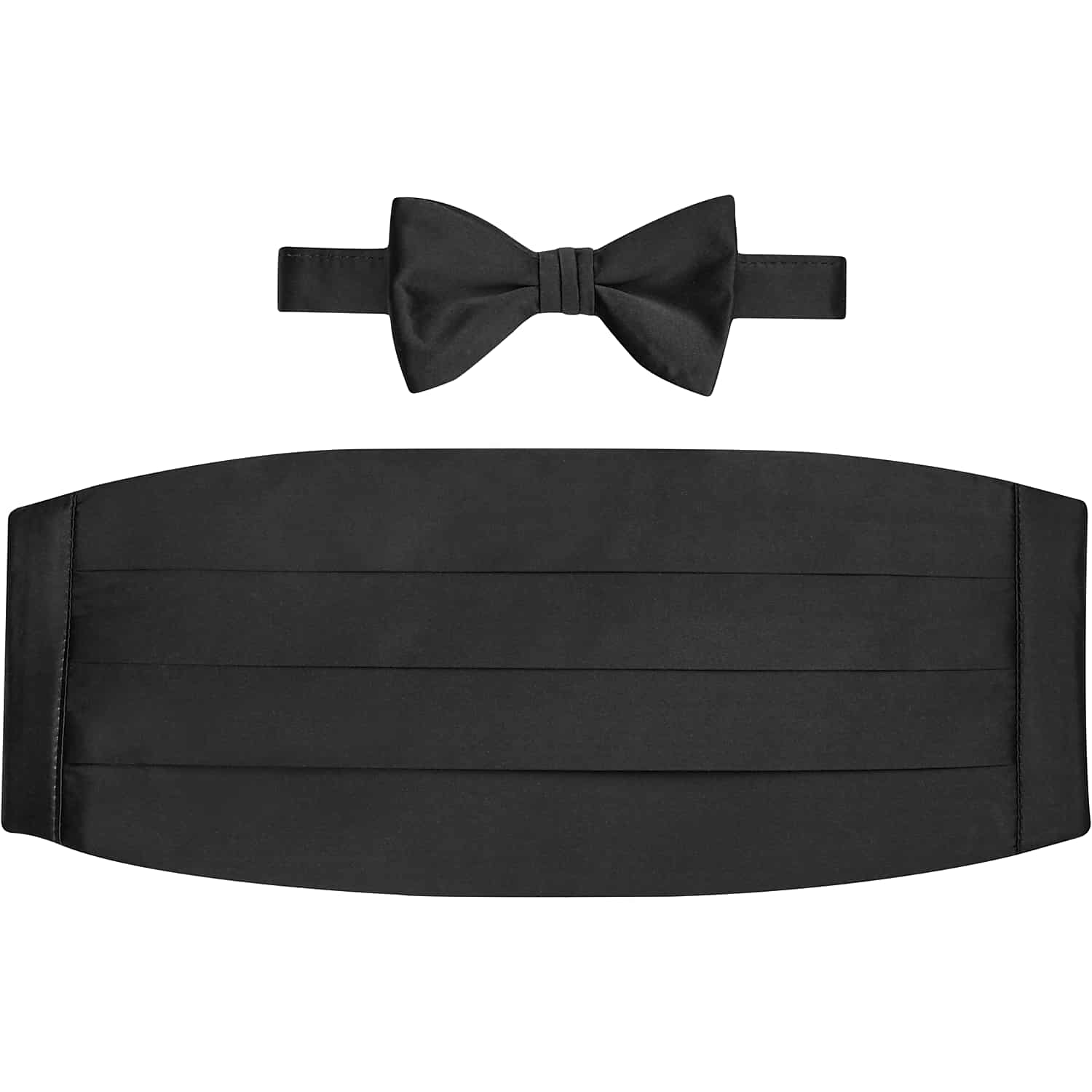
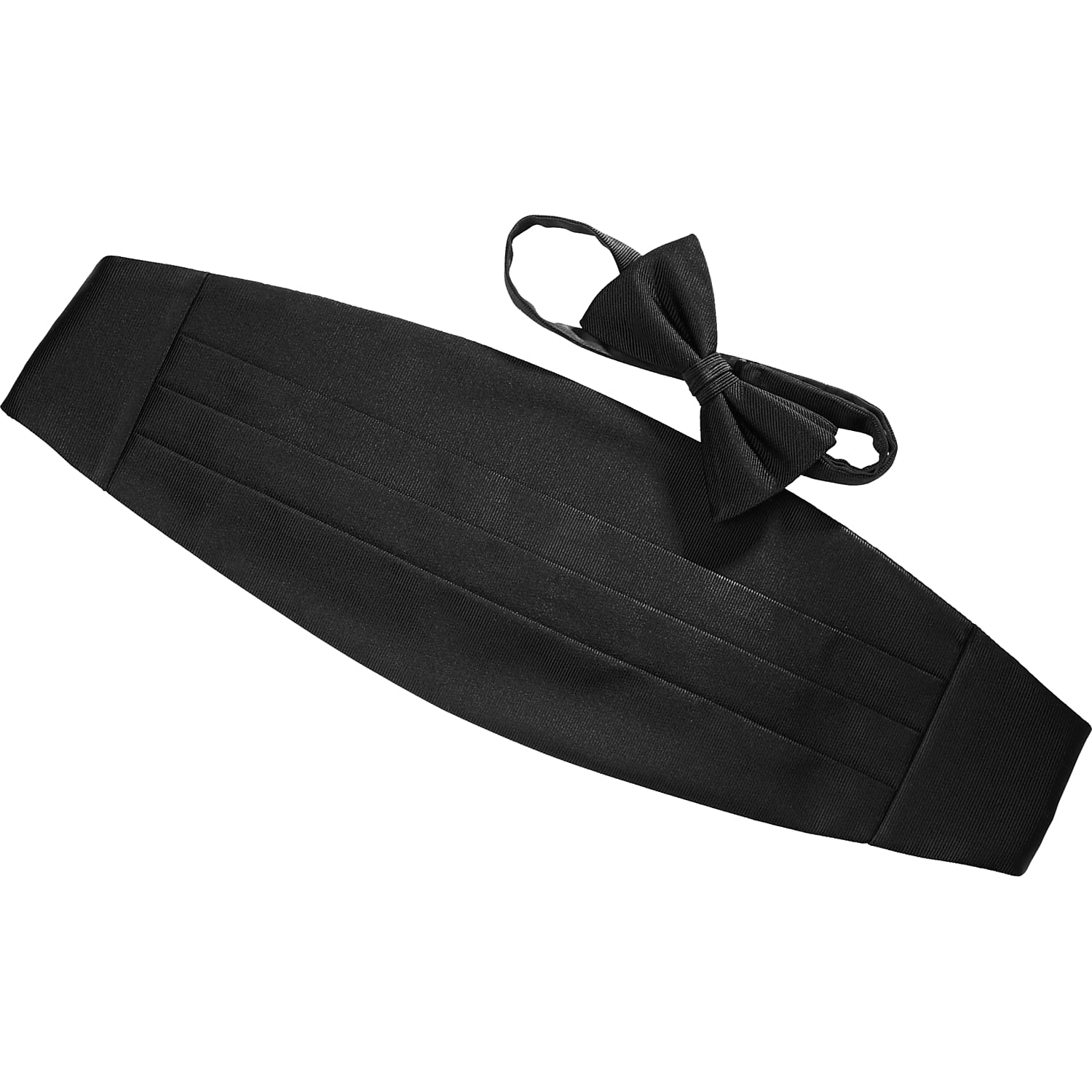
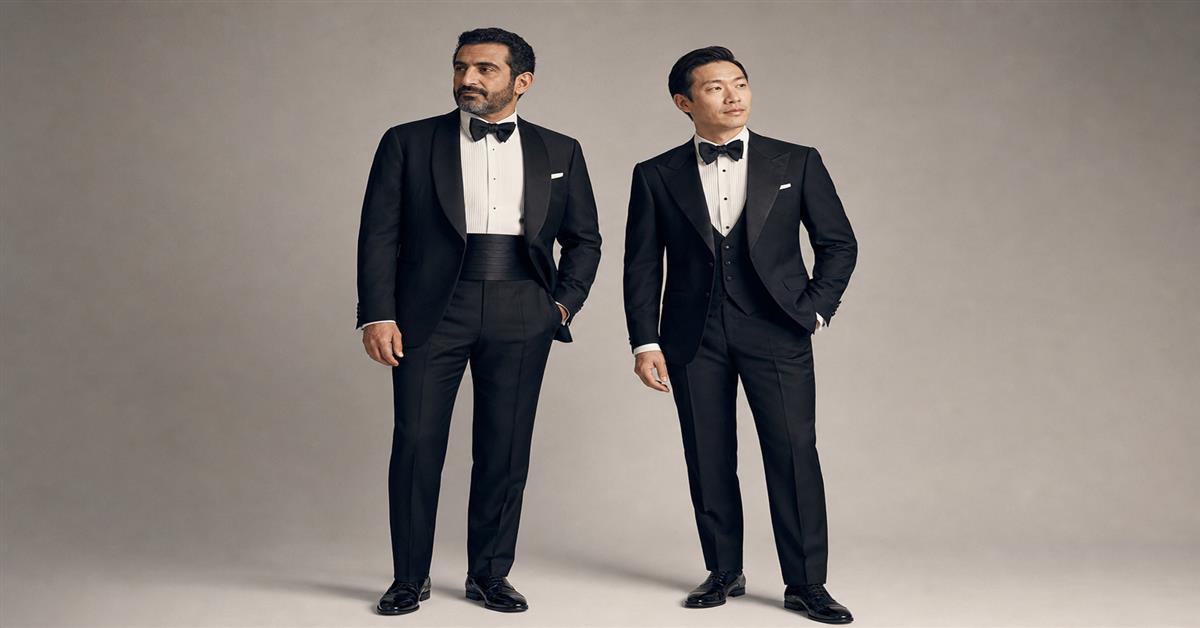
A cummerbund is a pleated silk sash traditionally worn with tuxedos at black-tie events. It covers the area where the waistband of your trousers meets the bottom of your shirt, slimming your waist and making you look taller.
The cummerbund’s origins date back to 19th-century India. British military officers observed local Indian royals and soldiers wearing ornate sashes around their waistbands, often adorned with precious metals or jewels. These kamarbands clearly functioned well as formal attire but kept the wearer visibly cooler than the stiff British waistcoats. Officers adopted the garment, which quickly became popular with civilians attending formal events in warm weather. By the late 1800s, the cummerbund was a mandatory addition to black tie attire for men.
How Do You Wear a Cummerbund?
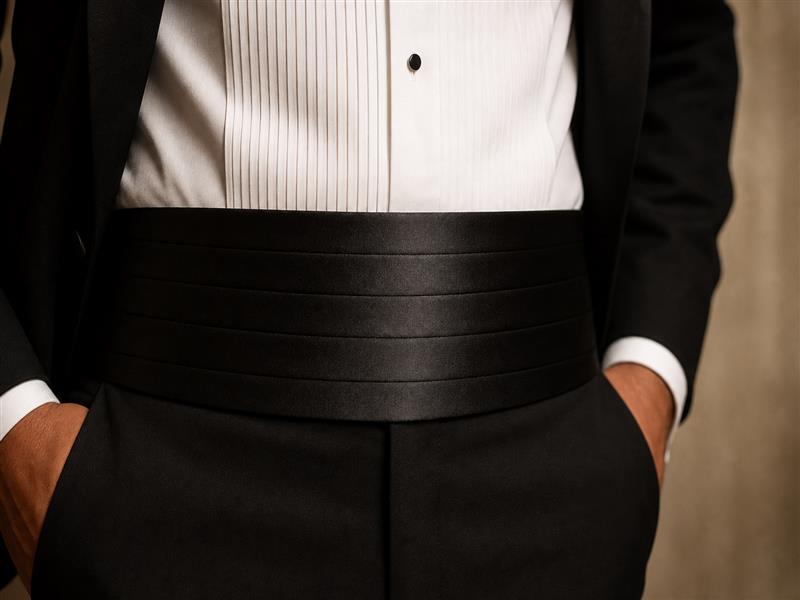
Cummerbunds are traditionally worn without a belt, which can create a noticeable bulge or ridge under the fabric. They are made of silk or satin and should match the fabric and color of your bow tie. According to a traditional black tie dress code, these accessories should be black. But you may see men wearing ties and cummerbunds in bold colors at modern events. For example, young men attending prom may match their cummerbund to the color of their date’s dress.
Wear your cummerbund with the pleats facing upward. In the Victorian era, men would often use the folds to carry tickets or other small, lightweight items. The one exception is if you are wearing U.S. Army dress blues — regulations dictate the cummerbund be worn with the pleats facing downward.
When Should You Wear a Cummerbund?
If you are attending an event with a black tie dress code, you must wear a tux, and that traditionally includes a cummerbund. Popular black tie events include weddings, galas, and awards dinners.
If your invitation says “black tie optional,” you can choose between a tux and a dark suit. If the event is being held in the evening or at a sophisticated location, such as a ballroom or an art museum, you’ll probably feel your best in a tux with a cummerbund. If you choose to wear a suit, you should not wear a cummerbund.
What Is a Vest?
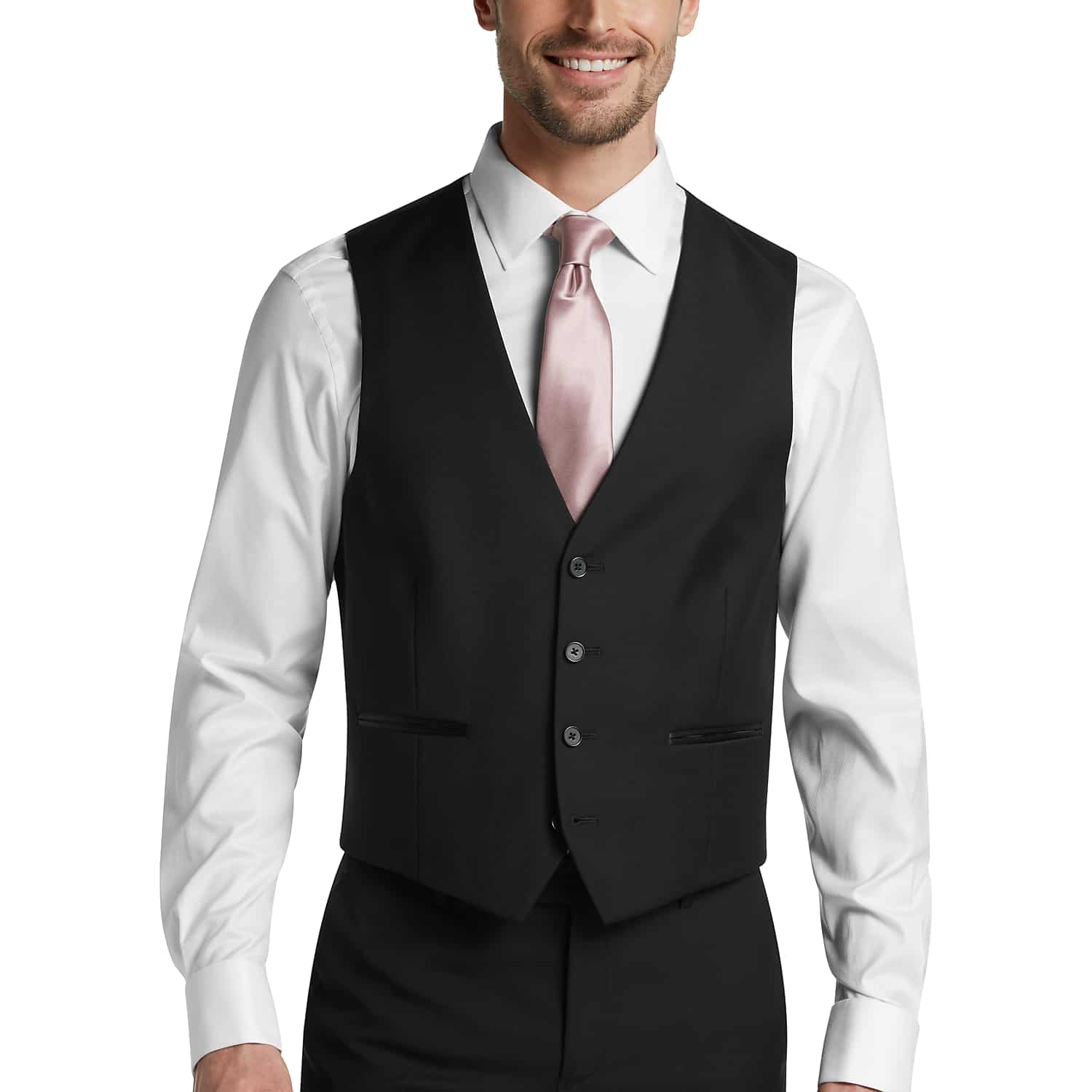
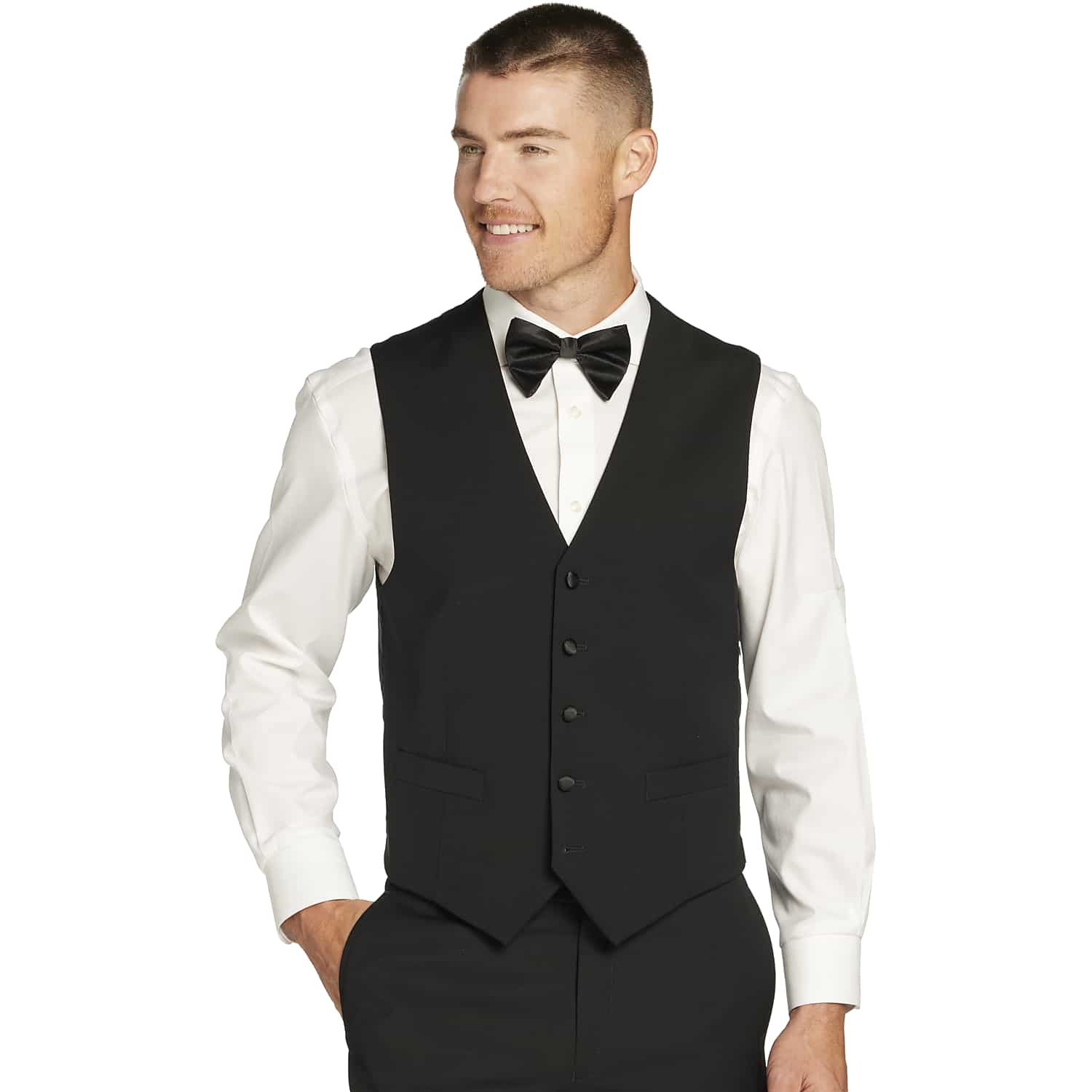
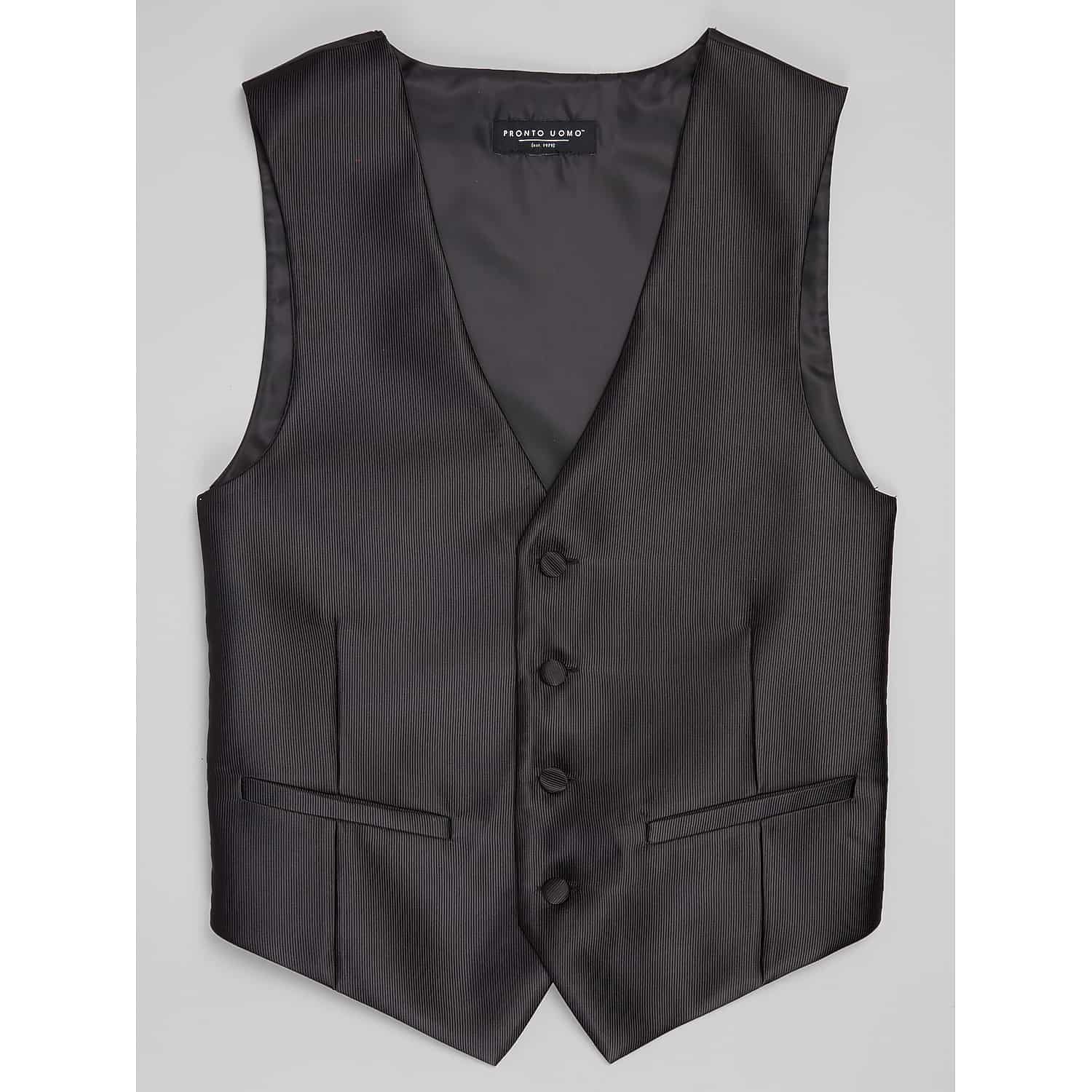
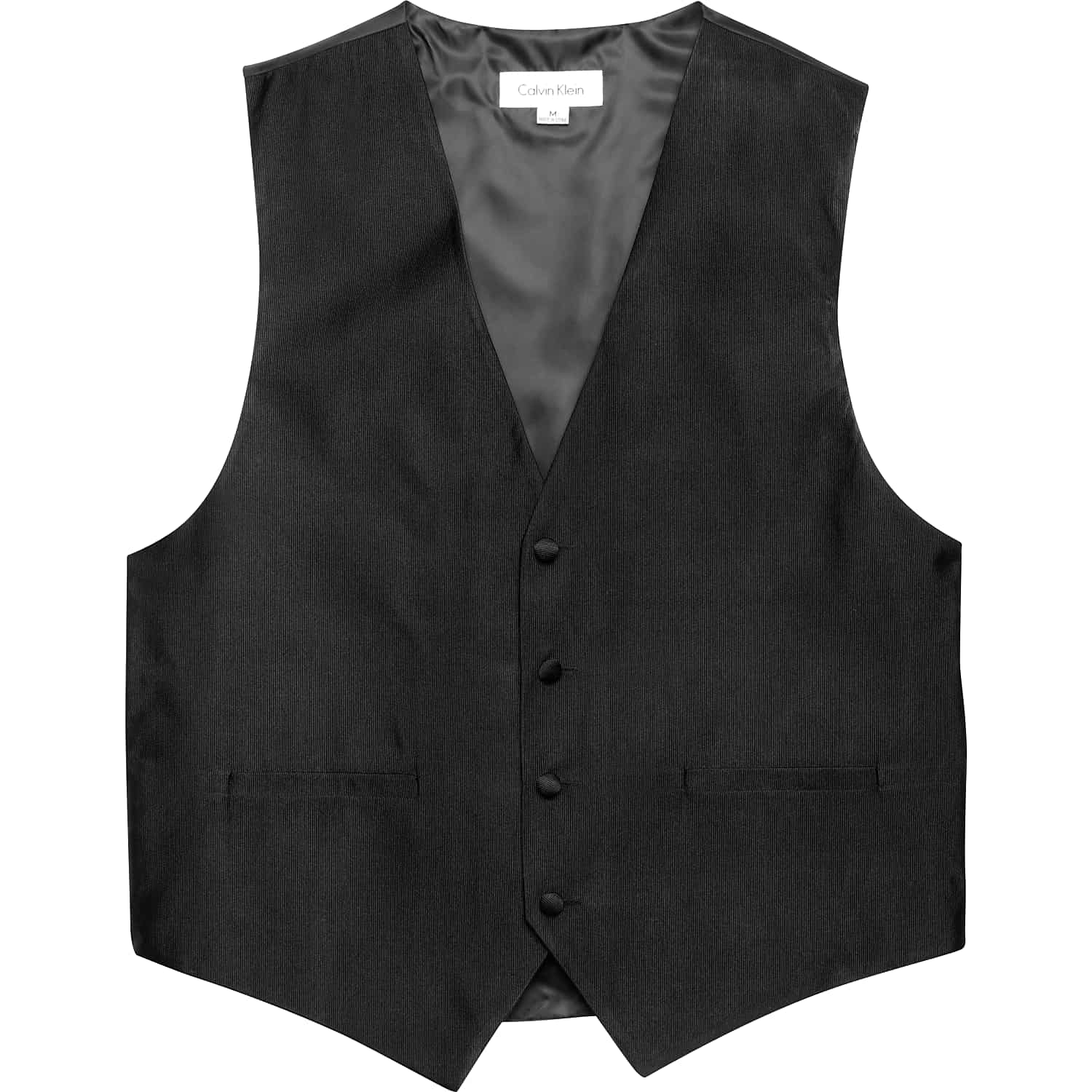
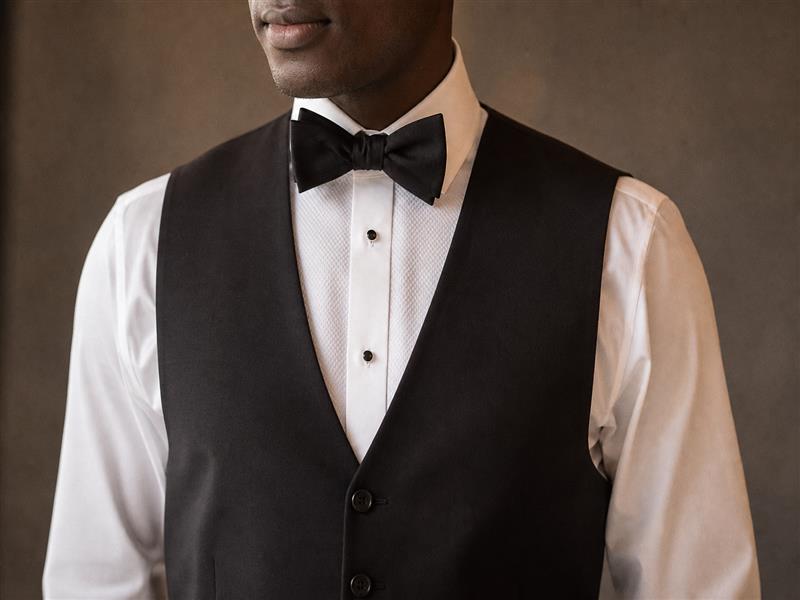
A vest is a sleeveless garment with buttons worn over a long-sleeve shirt. It typically covers the torso, from the waist to the chest. For those who carry their weight through the middle, the vest feels and looks slimming.
Fashion historians trace its origins back to the 17th century. In 1666, King Charles II decreed the men of his court would stop wearing French fashions in favor of a vest and coat. This was the first iteration of the three-piece suit that dominated men’s fashion for centuries.
How Do You Wear a Vest?
A vest, also known as a waistcoat, should be made in the same fabric and color as your jacket. For a formal suit, that typically means a fine wool. But you can also get vests made in breathable fabrics like cotton or linen if you’re wearing your suit to an event in warm weather.
A well-fitted vest should lie flat against your body, with no pulling or visible wrinkles. Even though it adds an extra layer of fabric to your outfit, it shouldn’t feel tight or restrictive. If you’re wearing it for a formal occasion, it’s tradition to leave the bottom button open, but the underlying shirt should not be visible. Do not tuck in your vest. It should be long enough to cover the top of your belt.
If you want to show off your personal style, you can add one or two accessories to your vest. A pocket watch with an Albert t-bar chain is a classic addition to three-piece suits. But you can also wear a silk pocket square, boutonniere, or lapel pins.
When Should You Wear a Vest?
A special type of waistcoat made of white marcella or piqué is mandatory for white tie attire. If you choose to wear a suit to a black tie optional affair, a vest is appropriate. You can also wear one to formal or semiformal events like homecoming, weddings, board meetings, and funerals. A wool vest can be practical if you attend a formal event in cold weather, but you can also get one in lightweight, breathable fabrics for summer events.
Can You Wear a Vest With a Tuxedo?
A cummerbund is the traditional accessory for a tuxedo, but you can wear a vest if you prefer. You may want the extra fabric for cold-weather occasions or to make your midsection look slimmer. Just make sure you wear a tuxedo vest instead of a generic waistcoat. Tuxedo vests have silk or satin lapels to match your jacket and lower necklines to show off your shirt studs.
Should You Wear a Cummerbund or a Vest to a Wedding?
The decision to wear a cummerbund or vest to a wedding depends on your role and the formality of the event.
Groom
If you and your partner have selected a black tie dress code, a cummerbund is the classic choice. But if you’re hosting a black tie optional, formal, or semiformal affair, you can use your choice of cummerbund or vest to reflect your special role. Maybe you opt for a cummerbund while your groomsmen wear vests. Or if you decide all the men should wear three-piece suits, perhaps your vest is a different color.
Groomsman
Unless the couple specifies otherwise, groomsmen typically all wear the same outfit. Vests are popular for groomsmen because they are flattering on a wide range of body types and look sleek in group photos. Assigning vests to groomsmen for semiformal or formal weddings can help distinguish them from guests, who may prefer two-piece suits.
A note on logistics: Coordinating attire for groomsmen can be tricky, especially if everyone lives in different areas. Two black wool vests from two different stores could be slightly different colors or textures. If you want the wedding party to look their best, get everyone’s formalwear from the same place. Whether you rent or buy your attire, Men’s Wearhouse can help assign looks to every groomsman and keep tabs on their fittings and alterations.
Guest
If your invitation says “black tie,” then you should wear a tux. If you’re wondering whether you should wear a vest or a cummerbund with a tuxedo, consider the location. Ornate, formal venues like ballrooms call for a cummerbund. If you’re going to be outside in cold weather, you may prefer a tuxedo vest.
Black tie optional calls for either a tux or a dark, three-piece suit. A vest can elevate your suit for a formal or semiformal daytime affair. When in doubt, ask the couple what they prefer.
Suit Up for Your Next Event With Men’s Wearhouse
There are a few rules to remember when it comes to men’s formalwear that will help you dress appropriately for any occasion. If you have to wear a tuxedo, pick up a cummerbund. If you can wear a suit, a vest is an optional but classic accessory to level up your look. Neither garment is “better” than the other — they each have their place in your closet.
Whether your next formal event calls for a cummerbund or a vest, Men’s Wearhouse can help you show up in style. Visit us online or at one of our in-store locations today.
Shop Related Products