


Merino Wool vs. Cotton: Differences and Styling Tips
In this article
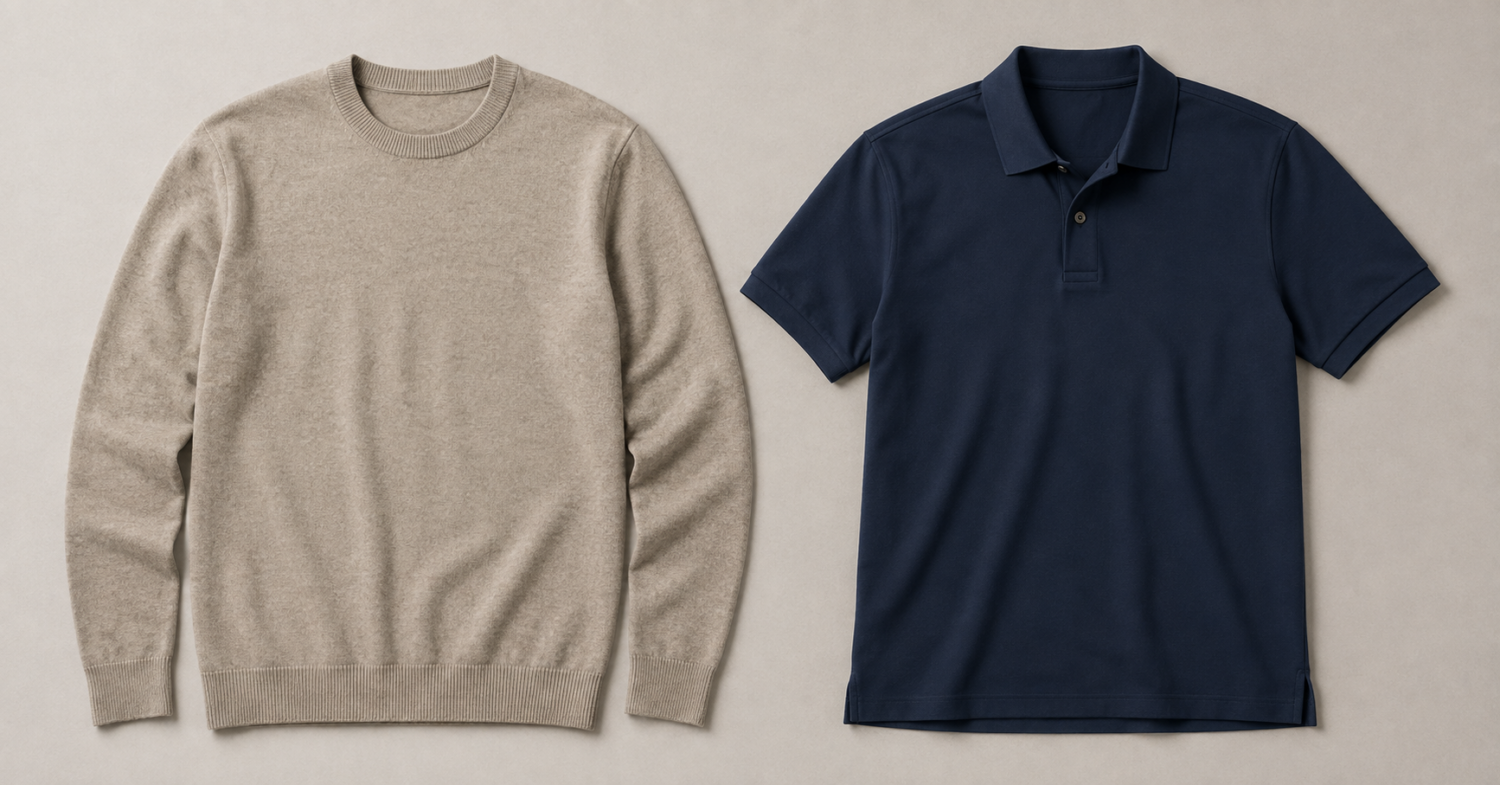
Wool has a long-standing reputation for generally feeling scratchy and heavy. Merino wool has earned a different one, though. It comes from the merino sheep known for soft, lightweight fleece. It insulates in cool weather, helps regulate body temperature as conditions change, and naturally resists odors.
Choosing merino wool vs. cotton isn’t always straightforward. Wool is warmer than cotton, but for an office that runs hot, lightweight merino knitwear is often the better pick because it regulates temperature, while thin cotton knits stay cool and breathable. You’ll find both on the sweater and polo racks, and they both look and feel natural, despite their differences. Here’s how to tell the two apart and choose on which occasions you’ll want one or the other.
Merino Wool vs. Cotton at a Glance
Picking out a fabric might start with appearance, but it also involves factors like warmth, breathability, and odor-resistance. Here’s a breakdown of how wool and cotton stack up in these areas.
| Category | Merino Wool | Cotton |
| Warmth | Warm despite its lightweight nature; insulates well when damp | Loses warmth when wet |
| Breathability | Breathes well and vents sweat | Airy and cool in dry heat |
| Moisture | Soaks up a considerable amount before feeling wet | Soaks up sweat fast, then dries slowly |
| Odor Resistance | Naturally odor-resistant | Absorbs odors and smells sooner |
| Softness | Fine fibers feel smooth against the skin | A familiar, broken-in softness |
| Wrinkles | Resists wrinkles and creasing | Wrinkles easily |
| Care | Wool cycle or hand wash only | Machine wash, but may shrink over time |
| Price | Slightly more costly per piece | Affordable and widely available |
| Everyday Use | Dress shirts, sweaters, travel | Default for casual wear |
One fabric isn’t better overall than the other. Cotton often feels cooler against your skin in dry heat, while merino handles changing temperatures more consistently. It’s also cheaper and easier to replace, making it more accessible. But there’s always a time and a place to splurge for something more upscale.
Which Fabric Is More Comfortable?
Style matters, but comfort also determines whether a shirt earns a regular spot in your rotation. You’re picking out something to wear all day, so you want the fabric to feel natural on your skin. The less physically aware you are of how your clothes are feeling in the moment, the better.
Cotton feels smooth especially once it’s broken-in. It’s typically dependable and doesn’t leave you pulling or adjusting your clothes all day. But note that there are different weights to consider. Poplin is a lightweight, durable, and smooth type of cotton, built for warm-weather attire. Fleece, which is naturally breathable and soft against the skin, is warm enough to withstand cooler temperatures.
Merino wool offers a different experience. Many people still associate wool with itchy sweaters from their childhood. But merino, when spun properly, has natural fibers that become thin and incredibly comfortable against the skin. It’s also moisture-wicking, quick-drying, and environmentally friendly. Most people notice the comfort first, and the performance becomes a bonus.
But like cotton, merino wool does have its downsides. Fiber quality and knit construction make a noticeable difference in how a garment looks, feels, and fits. It’s best to try items on before buying them instead of purchasing clothes based on appearance and a quick touch.
Which Is Better for Warm and Cold Weather?

Weather is a non-negotiable deciding factor in what you wear. A shirt may feel breezy and cooling when it’s 85 degrees out but become insufficiently light at 45 degrees.
Warm Weather
On the other hand, merino absorbs moisture vapor before it starts to feel damp, helping it stay comfortable longer than cotton during active wear. Merino wool may feel cooler than cotton on a humid afternoon walk or high-heat picnic in the park. You’ll note that a merino shirt feels drier and less clingy, which most people find soothing in the hot summer months.
Cold Weather
Generally, merino wool is warmer than cotton, and it looks better in semi-formal cold-weather settings. During a mild winter, a cotton sweater works well enough. But when you want genuine warmth as temperatures plummet, pick merino wool. Merino wool socks tend to hold back the cold better than cotton socks, too.
Changing Temperatures
Shop Related Products
Merino Wool vs. Cotton for Sweaters, Polos, and Everyday Clothing
When you open your closet or pick something off the rack, consider how each of these items will work in context.
Sweaters
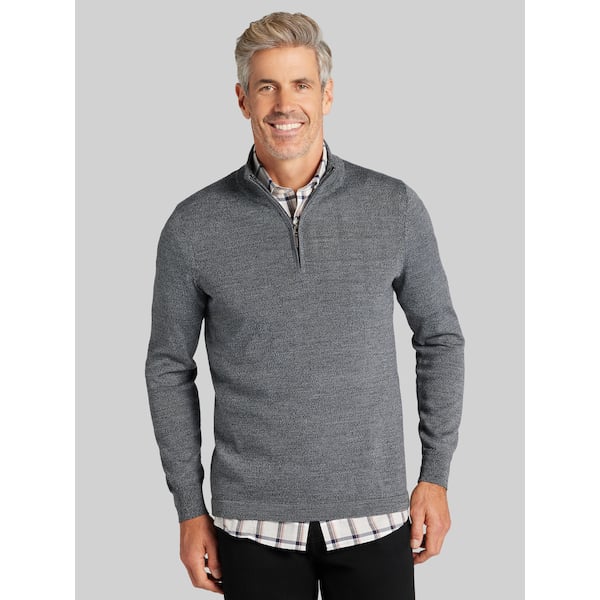
Cotton sweaters still earn their place. It’s the more casual version of the merino sweater, albeit heavier and breathable for spring or fall outings. Cotton sweaters pair well with a polo or T-shirt and jeans for a coffee date or a more relaxed day at the office.
Polos
Layering

Merino makes an excellent base layer because it manages moisture more effectively. A thin crewneck sweater or T-shirt under a jacket helps pull sweat from your body, and the material dries quickly. The result is that you stay dry longer throughout the day. It’s an excellent choice for long travel days for this very reason.
Which Fabric Is Easier To Care For?
Cotton built its reputation on being low-effort. After a long day of wear, toss it in the washing machine alongside everything else in the hamper. Just remember that some cotton will shrink in a hot wash, and it can wrinkle when it comes out of the dryer. Sweaters might do better air-drying, too.
Merino needs a little more care. When washing merino wool clothing, opt for a wool cycle or hand wash, then place it on a flat surface or drying rack to dry. Because merino naturally wicks moisture, it doesn’t require washing as frequently as cotton. Many people wear merino multiple times between washes because it naturally resists odors.
No matter the material, it’s best to read the care label on any piece of clothing you wear. A blend can also change how you wash your clothes.
Different Fabrics, Different Jobs
The debate of merino wool versus cotton isn’t one with a clear winner. They both tackle different jobs in different circumstances. Cotton is an easy, affordable staple that you can throw on for regular wear with your favorite jeans. Merino is more specialized, designed with temperature control and clean layering in mind, with different knits for varying levels of formality.
So, are wool and merino wool better than cotton? Only in some ways. The smart choice isn’t to select one or the other, but to build a wardrobe with both. That’s where Men’s Wearhouse can help.
Whether you’re shopping for everyday staples or something more specialized, Men’s Wearhouse assists with comparing fabrics, finding the right fit, and building a wardrobe that works for your lifestyle. Explore our collection today and let our expert stylists help you make the right choices.
Browse Related Collections
Powered by TBI