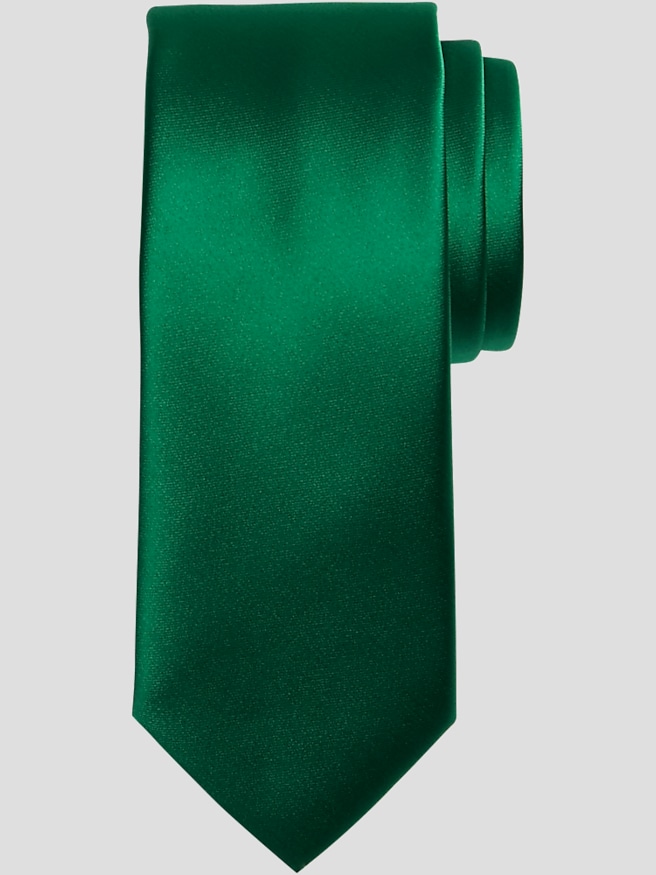
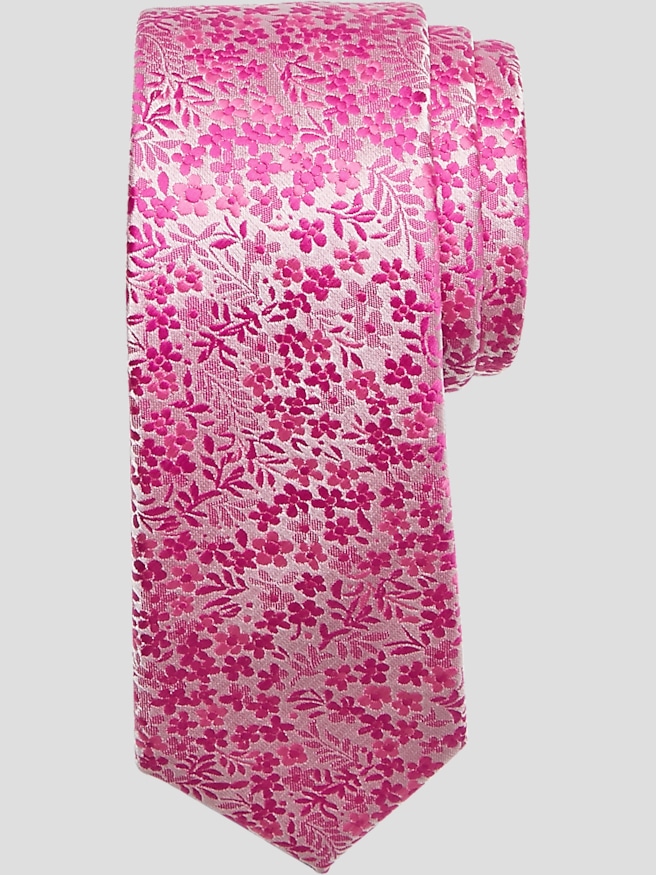
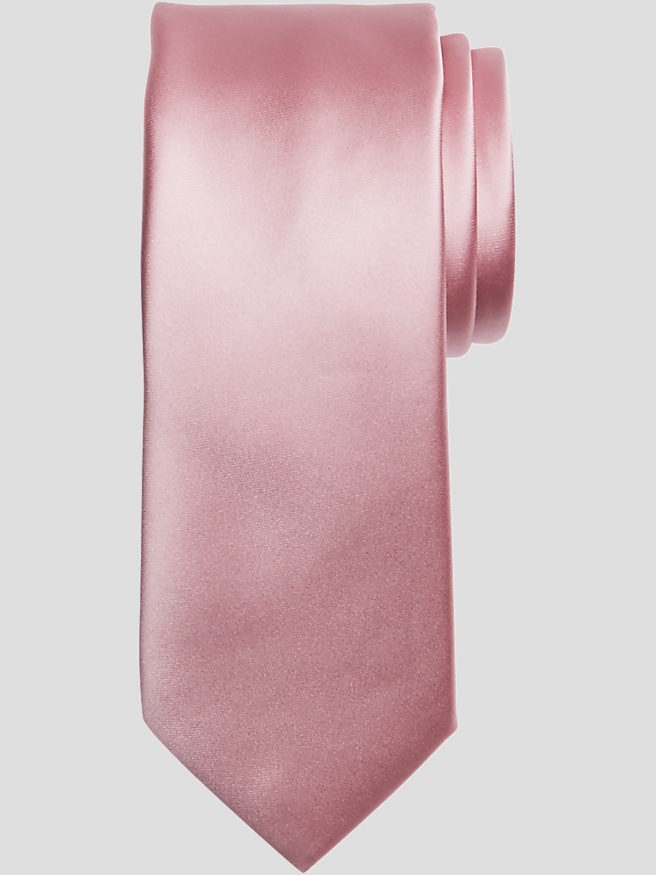
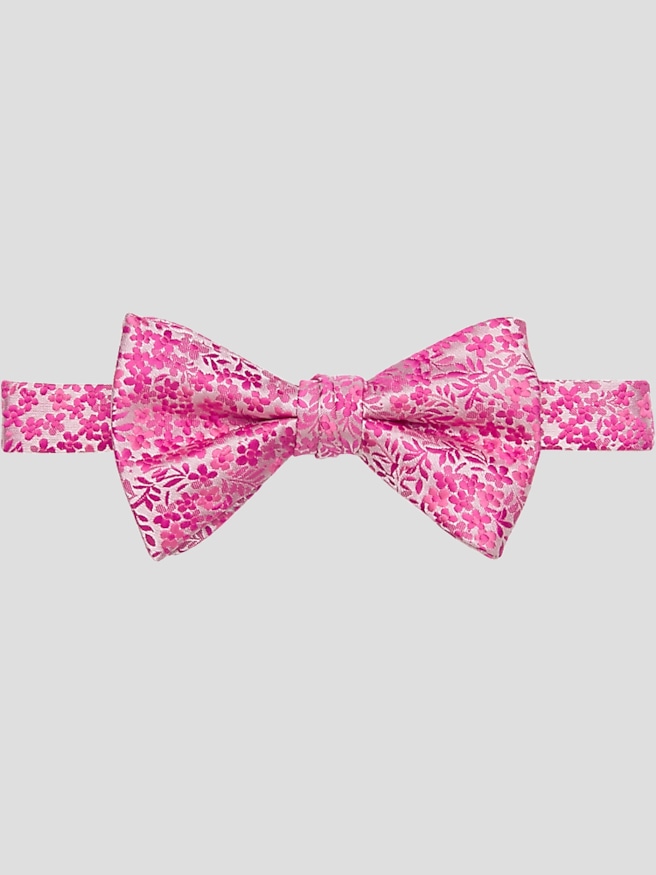
Wedding ties for men connect the suit, shirt, and wedding palette, giving an outfit a clear sense of occasion without requiring every accessory to match. Silk, cotton, linen, wool, and synthetic blends each offer a distinct combination of texture, drape, and care needs, while solids, woven patterns, and restrained prints suit different levels of formality. For a groom, the tie can be a defining detail: ivory against a white shirt for a quiet tonal effect, a textured neutral with a navy suit, or a deeper accent drawn from the ceremony flowers. Groomsmen can share a color family while wearing slightly different textures, creating a coordinated group without making every outfit identical. Fathers, attendants, and guests also have room to reflect the celebration while keeping their clothing appropriate to the invitation. A smooth solid or fine woven pattern generally feels dressier than a visibly casual knit, though the suit and shirt matter just as much as the tie itself. Cocktail and semiformal celebrations commonly accommodate a tailored suit with a long tie, while black tie generally calls for a tuxedo and a black bow tie. The stated dress code takes priority over a preferred color or pattern. Color choices look most intentional when they relate to the outfit rather than simply repeating the wedding decorations. Burgundy can give a charcoal suit depth, pale blue can soften a navy-and-white combination, and muted green can add interest without dominating a photograph. With a patterned shirt, a solid tie creates a clear focal point; with a plain shirt, a small geometric or understated floral pattern adds detail. Exact fabric matches are not always necessary, especially across ties and pocket squares. A pocket square that picks up one small accent in the tie can look more considered than an identical pattern repeated twice. The overall effect should leave faces, expressions, and the occasion at the center of the picture.
Fabric makes a noticeable difference at close range and in photographs. Silk satin has a smooth surface that reflects light, creating a polished finish, while a silk twill shows subtle diagonal texture and often has a more restrained sheen. Jacquard weaving brings the pattern into the fabric itself, adding depth that can be especially effective in a small geometric design or tonal motif. Cotton and linen tend to have a more matte appearance, complementing less formal tailoring when the invitation allows it. Wool offers a soft, textured finish, and polyester or blended fabrics can provide consistent color and practical resilience, with care requirements determined by the individual fabric and construction. The way a tie hangs matters as much as its surface. A well-proportioned tie falls smoothly from the knot without twisting, and its width should feel balanced with the jacket lapels, shirt collar, and wearer’s frame. Men considering skinny ties for wedding outfits can pair that narrower silhouette with slim lapels and a compact knot for a cohesive look. A broader tie often sits more naturally against wider lapels and a fuller collar spread. Length also affects the finished appearance: with the knot secured, the front blade should generally reach the waistband or belt buckle area. Taller wearers, longer torsos, and larger knots may call for additional tie length. A four-in-hand creates a relatively compact, slightly asymmetric knot, while a half Windsor provides a more balanced shape without the bulk of a full Windsor. Thick fabric can make a large knot feel crowded beneath a small collar, so the combination deserves attention before the ceremony. A comfortable shirt collar should button without strain and leave the knot sitting neatly in place. For a ceremony followed by dinner and dancing, those proportions help the tie remain an integrated part of the outfit rather than a detail that needs constant adjustment.
Wedding-day wear puts a tie through more than a brief appearance in front of a camera. There are seated dinners, embraces, speeches, and hours of movement, making sound construction and sensible care meaningful considerations. An even shape, tidy stitching, and a lining that supports the outer fabric help a tie form a clean knot and recover after wear. Neither thickness nor shine alone indicates durability; the weave, finishing, and handling all contribute to how well the fabric holds up. A tie bar can keep the blade close to the shirt during movement, provided it fastens to the shirt placket and does not extend beyond the tie’s width. Before the celebration, trying the complete outfit together makes it easier to notice an overly bulky knot, an awkward length, or a pattern that competes with the shirt. Checking the combination in natural light also helps reveal subtle color differences that indoor lighting can conceal. After the event, loosening the knot carefully rather than pulling the narrow end through a tight knot helps limit unnecessary stress on the fabric. Hang or loosely roll the tie as appropriate for its construction, and keep it away from prolonged direct sunlight. Follow the care label for cleaning and pressing; a polyester tie is not automatically machine washable, and silk may need professional attention. If food or drink lands on the fabric, blot gently rather than rubbing, and avoid applying heat before the stain has been assessed. These small habits help preserve the tie for later ceremonies, anniversary dinners, and other dressed-up occasions. A wedding tie can also make a thoughtful gift for a groom, a father, or members of the wedding party, particularly when its color has a connection to the celebration. A subtle pattern or versatile solid offers opportunities for repeat wear, while a distinctive ceremonial color can remain a personal keepsake. Whether chosen for a central role in the ceremony or a guest’s finishing touch, a well-balanced tie brings the outfit together with personality and purpose.