Warm weather vests are lightweight, sleeveless layers that add shape and polish without the coverage of a jacket. For dress and smart-casual clothing, the most useful features are breathable fabric, limited bulk, and a fit that leaves enough room to move comfortably over a shirt. These styles serve a different purpose from specialized cooling vests, hydration vests, or mesh equipment designed for outdoor work and sports: a lightweight dress vest can make an outfit less cumbersome, but it is not engineered to lower core body temperature or prevent heat illness. Its appeal is a finished silhouette that works for a garden wedding, an outdoor reception, a business gathering, or dinner on a shaded patio. Linen brings an airy texture and a relaxed character, with natural creasing that becomes part of the look rather than a flaw to eliminate. Cotton offers a familiar feel and can suit occasions where a sharply tailored suit would feel too formal. Lightweight wool, particularly in an open weave, can provide breathability along with a smoother drape and better wrinkle recovery than pure linen. Blends may balance softness, structure, and ease of care, although fiber content alone does not determine comfort. Fabric weight, weave, lining, and how closely the garment sits against the body all matter. A thin outer fabric paired with a substantial lining can feel warmer than its appearance suggests, so the full construction deserves attention. An unlined or partially lined design may reduce bulk, while a fully lined vest can slide more smoothly over a dress shirt. Pale gray, sand, and soft blue create an understated warm weather palette; navy and charcoal bring a more traditional finish. Color sets the visual mood, but fabric and construction do more to determine how the vest feels through a long afternoon. For occasions that move between sunny grounds and indoor dining rooms, that balance of lightness and structure is especially useful.
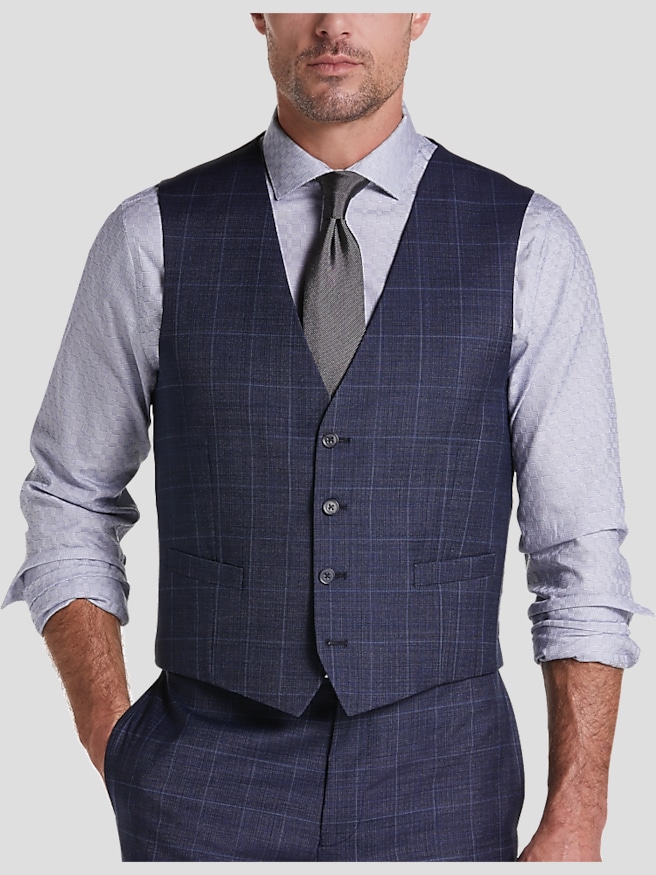
The fit of a warm weather vest should feel close and controlled without pulling across the chest or pressing into the waist when seated. The front should lie smoothly when fastened, with no pronounced X-shaped wrinkles radiating from the buttons. Shoulder sections should rest flat, and the armholes should allow natural movement without cutting into the shirt or leaving excessive gaps. Length matters just as much as width: a tailored dress vest generally covers the trouser waistband so that a strip of shirt does not appear between the two pieces. That proportion becomes especially noticeable when a jacket comes off for photographs, dinner, or dancing. An adjustable back strap can refine the waist, but it cannot correct a vest that is too narrow through the chest or too short through the body. Testing the fit while sitting, reaching forward, and standing naturally gives a more realistic sense of comfort than checking only a front-facing mirror. The shirt underneath also changes the result. A breathable dress shirt with manageable sleeve and torso volume keeps excess cloth from bunching at the armholes or waistband. For a wedding party, a vest made to coordinate with the trousers creates a cohesive appearance even when jackets are set aside where the dress code permits. For a less formal celebration, a subtly textured vest with contrasting trousers looks intentional without needing an exact fabric match. Similar levels of formality help those combinations work: crisp tailored trousers sit more naturally with a structured vest than heavily worn casual bottoms. A tie adds definition for ceremonies and professional settings, while an open collar can soften the same silhouette for a relaxed dinner. Pocket squares belong in a jacket’s breast pocket unless the vest has a pocket specifically suited to one; keeping accessories restrained prevents a lightweight outfit from looking crowded. The goal is an outfit that stays composed through ordinary movement, not one that requires constant tugging and adjustment.
Good construction and thoughtful care help lightweight vests hold their shape through repeated wear. Even stitching, secure buttons, neatly finished buttonholes, and a smooth lining are practical details worth noticing, particularly around the armholes and front edges where movement creates stress. Lightweight does not have to mean fragile, although loosely woven fabrics can be more vulnerable to snagging on rough chair backs, jewelry, or bags. Pockets are best kept lightly filled so that keys or a phone do not stretch the front or interrupt its clean line. After wearing, empty the pockets and let the vest air in a dry, ventilated space before returning it to the closet. A hanger that supports the shoulders helps preserve the shape without creating sharp pressure points. Care should follow the garment’s label rather than a blanket rule based on the outer fabric: a cotton or linen vest may still require professional cleaning because of its lining, interfacing, or tailored construction. When washing is permitted, the recommended water temperature and drying method help protect against shrinkage and distortion. For wrinkles, gentle steaming may be appropriate if the care instructions allow it, while pressing requires the correct heat setting and protection against unwanted shine. Prompt attention to loose buttons and small seam openings can prevent minor wear from becoming a larger repair. These details make a breathable vest a useful part of a wardrobe for wedding guests, graduates attending celebratory dinners, professionals who favor tailored separates, and travelers packing for a dressy occasion in a warm destination. It can also be a thoughtful gift for someone who enjoys dressing with a little extra structure, provided chest measurements, preferred fit, and usual trouser rise are known. For trips that involve contrasting climates, lightweight tailoring and insulated outer layers fill separate roles; Winter Puffer Vests are intended for warmth rather than the airy feel sought in warm weather dress. Choosing with the occasion, fabric construction, and complete outfit in mind helps a vest earn repeat wear beyond a single event.