Tie clips make thoughtful groomsmen gifts because they bring a useful finishing touch to the wedding-day outfit and remain easy to wear long after the celebration. Small enough to feel understated, a well-chosen clip helps keep a necktie close to the shirt during a walk down the aisle, a round of photographs, or a toast at the reception. It adds a deliberate line of metal to the center of a suit without competing with the tie’s pattern or the jacket’s shape. For a wedding party, matching finishes can create a cohesive look while leaving room for individual preferences in shirts, shoes, and other accessories. A simple polished surface feels crisp against a solid tie, while a brushed or lightly textured finish brings a quieter contrast to patterned silk. The appeal as a gift lies in that balance of occasion and everyday usefulness: the same accessory that completes an attendant’s wedding outfit can later accompany a business suit, an anniversary dinner, or another celebration. Stainless steel and brass are common base materials, each lending a different weight and feel depending on the design. Silver-tone finishes offer a cool, neutral appearance, while gold-tone finishes introduce warmth; neither description alone indicates the underlying metal. Construction, surface finish, and the smoothness of the edges matter more than shine alone. A cleanly finished clip should feel comfortable to handle and sit neatly against the tie rather than catching its fabric. For a recipient who rarely wears accessories, an uncomplicated shape often feels approachable. Someone who enjoys dressing with more personality may appreciate subtle engraving, geometric detail, or a distinctive texture. Shared design elements can mark the group’s role in the celebration without making every accessory identical, giving each groomsman something that feels considered rather than simply part of a uniform. That personal connection is especially meaningful when the gift reflects how the recipient actually dresses beyond the wedding.
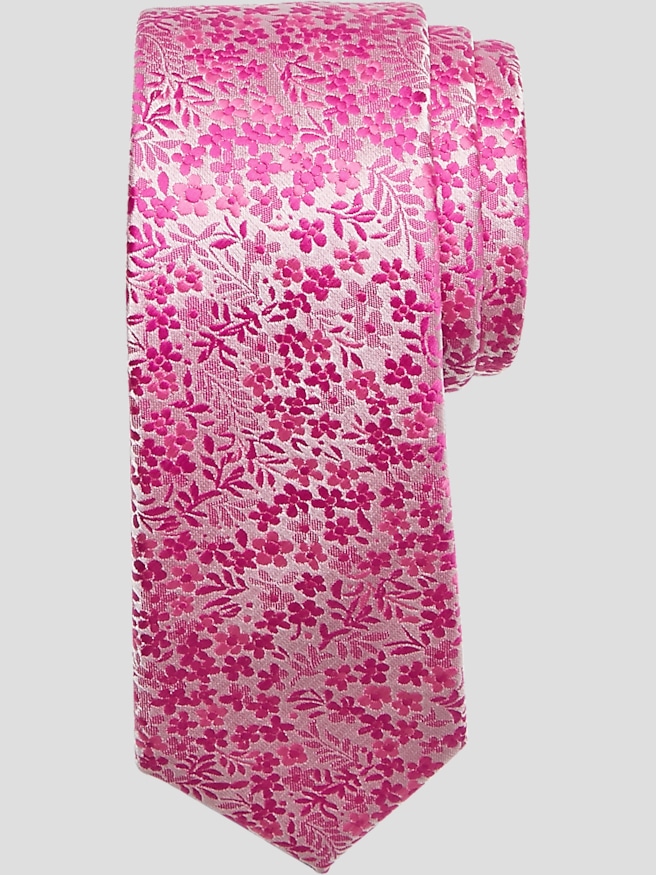
Proportion makes a noticeable difference in how a tie clip looks and functions. A clip generally looks balanced when it spans roughly two-thirds to three-quarters of the tie’s width, and it should not extend beyond the tie’s edges. Narrow neckties call for shorter clips, while broader ties can carry a longer horizontal line without looking crowded. The goal is a secure, tidy arrangement rather than a piece of metal that dominates the outfit. Placement usually falls between the third and fourth shirt buttons, where the clip can hold both layers of the tie to the shirt placket. Positioned there, it remains visible within many jacket openings and helps limit swinging when the wearer leans forward or moves through a busy reception. A small amount of natural ease above the clip lets the tie hang comfortably instead of pulling tight against the chest. Fastening style also influences the experience of wearing it. Spring-hinged clips open to grip the fabric, while slide-on styles slip over the tie and placket; the better match depends on fabric thickness, construction, and the pressure each design applies. Smooth contact surfaces are particularly important with delicate woven ties, and bulky knitted fabrics may need more room than a close-fitting slide allows. These practical differences are worth considering for gifts intended for several recipients, especially when the wedding party is coordinating neckwear of different textures. Visually, a tie clip can echo a watch case, cuff links, or a belt buckle without requiring every metal detail to match perfectly. A consistent finish creates a particularly clean group photograph, but restrained combinations can feel equally intentional. With a patterned tie, a plain clip offers a calm counterpoint; with a solid tie, a textured surface can add interest without adding another color. The result is most convincing when the accessory supports the outfit and feels comfortable enough that the wearer is not repeatedly adjusting it.
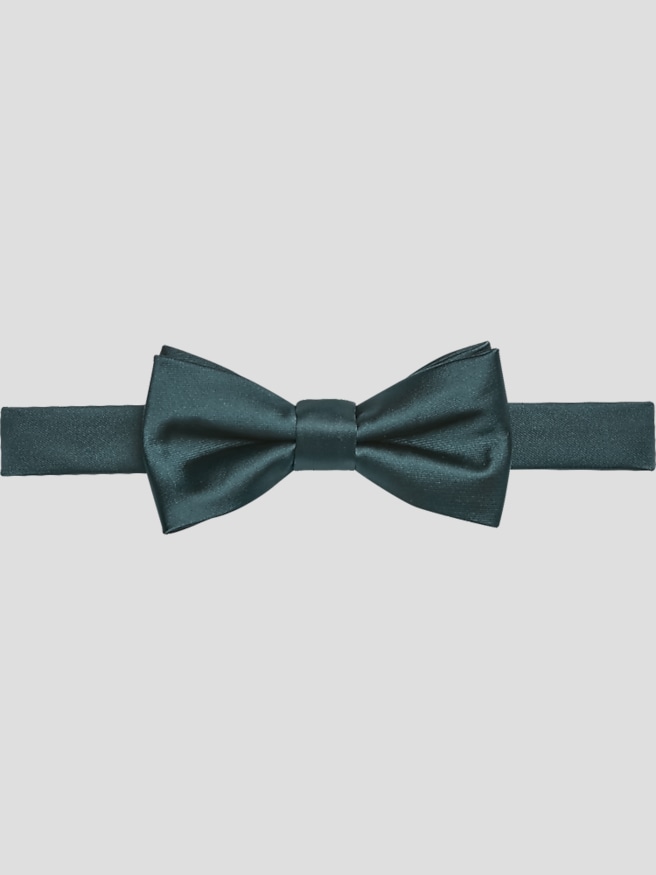
As gifts, tie clips also offer a way to connect a shared occasion with each groomsman’s personal style. A coordinated set of finishes can tie the wedding party together, while differences in shape or surface detail keep the gesture from feeling impersonal. Where a design allows for engraving, discreet initials or a meaningful date can add significance without changing the visible character of the outfit. Presentation matters in a practical sense, too: a protective box or soft pouch gives the recipient somewhere to keep the clip when it is not being worn and helps prevent it from rubbing against cuff links, watches, or other metal accessories. Durable use depends partly on that everyday handling. A soft, dry cloth is usually a sensible starting point for removing fingerprints, while any deeper cleaning should follow the care directions for the particular metal and finish. Abrasive cleaners can scratch polished surfaces or wear away plating, and contact with fragrance, grooming sprays, and prolonged moisture may affect some finishes. Opening a hinged clip by its mechanism rather than pulling it away from the tie helps protect both the accessory and the fabric. These are small habits, but they help a wedding-day keepsake remain presentable for future occasions. For parties considering both long neckties and Bow Ties For Groomsmen, the distinction is straightforward: a tie clip belongs with a long necktie, not a bow tie. Coordination can still come through shared colors, fabrics, and metal accents elsewhere in the outfit. A groomsman wearing a long tie may appreciate the clip’s practical role during a ceremony, then find it just as useful at a presentation or a formal dinner. That continued usefulness gives the gift a life beyond the photographs. Chosen with the recipient’s tie width, preferred finish, and usual level of formality in mind, a tie clip can carry the memory of the celebration without looking reserved for that occasion alone.