A tie clip is a men’s accessory that fastens the front blade and narrow back tail of a necktie to the shirt placket, helping keep the tie straight and in place. Also called a tie bar, it adds a small, deliberate finishing detail while preventing a loose tie from swinging forward during everyday movement. That practical purpose becomes clear when leaning across a conference table, greeting guests at a wedding, or sitting down to dinner: the tie stays closer to the shirt instead of drifting into the way. Its visual effect is equally useful. A clean horizontal line can bring definition to a solid tie, add contrast to a textured weave, or provide a quiet metallic accent beneath an open suit jacket. Proportion matters more than size alone. A tie clip generally looks most balanced when it spans roughly half to three-quarters of the tie’s width without extending past either edge. Narrow ties call for shorter clips, while wider ties can accommodate a longer bar. Placement between the third and fourth shirt buttons usually keeps the accessory visible above the jacket’s buttoning point without crowding the knot. The clip needs to catch the shirt placket as well as both layers of the tie; fastening only the tie layers together leaves the whole tie free to move. A little natural ease above the clip helps the fabric hang comfortably rather than pulling tight across the chest. Although the names are often used interchangeably, some designs close with a spring-loaded hinge, while others slide over the fabric with a tension-based grip. The right construction depends partly on the thickness of the tie and shirt together. A substantial woven tie may need more room inside the fastening than a lightweight silk tie. Smooth contact surfaces and a secure, gentle hold help preserve the fabric while keeping the accessory steady. The best fit feels unobtrusive through a full day of standing, sitting, and moving, with no tugging at the shirt or noticeable distortion of the tie.
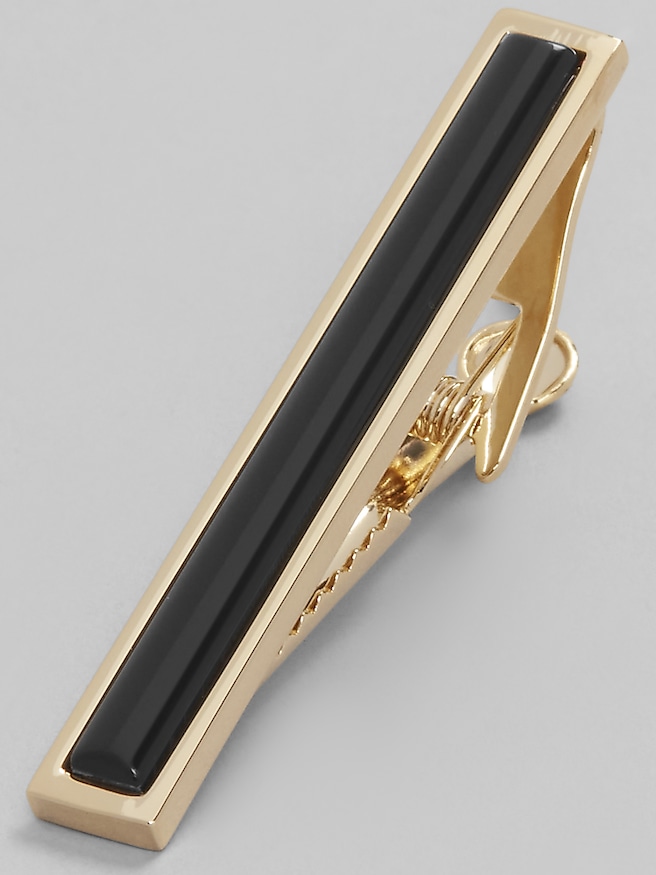
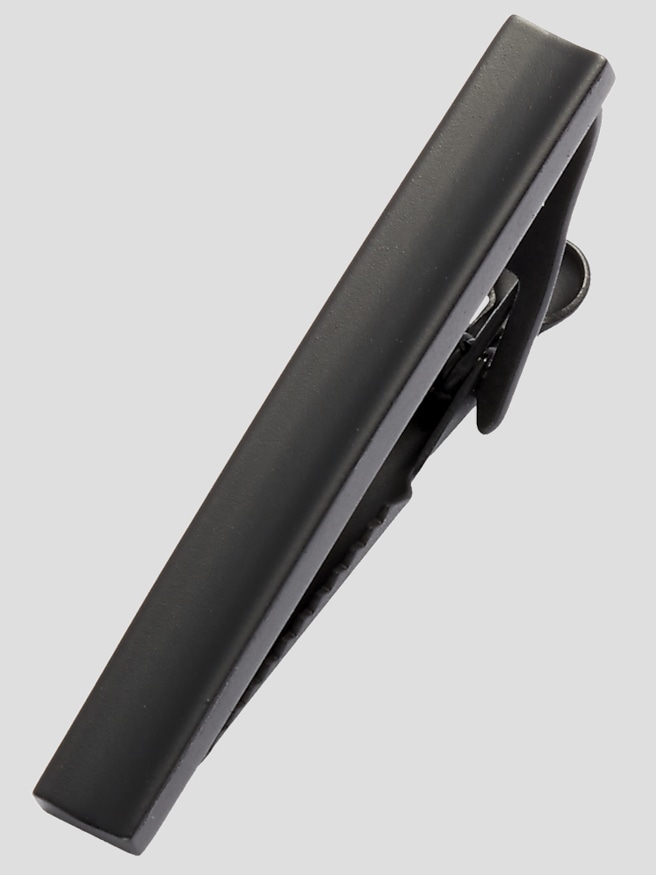
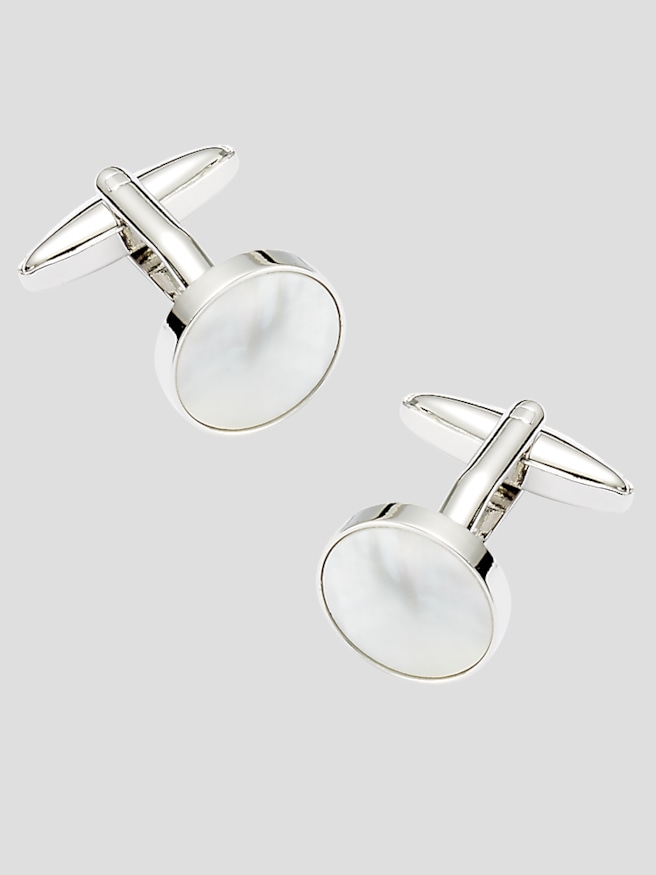
Materials and finishes shape both the appearance and the everyday performance of tie clips. Common constructions include stainless steel and brass, sometimes finished with plating that creates a silver-tone, gold-tone, or darker metallic surface. The underlying metal contributes structure, while the finish determines much of the visible color and sheen. A polished surface creates a crisp reflection that stands out against matte wool or a softly textured tie. Brushed and satin finishes produce a quieter effect, with less reflected light and a more understated presence. Darker finishes can create a defined accent against a pale shirt, while warmer metallic tones work naturally with brown leather accessories and richly colored neckwear. Matching every metal detail exactly is not essential, but coordinating the general tone of a tie clip with a watch case, belt buckle, or cuff links can make the outfit feel considered. Construction deserves attention beyond the visible front. A hinge that opens smoothly, a bar that sits straight, and edges that feel even are useful signs of careful finishing. The fastening should hold without requiring excessive pressure, particularly around delicate silk or an open knit. Raised textures and decorative details also need to sit comfortably against the tie rather than catching its fibers. Durability depends on handling as well as material: even a sturdy metal accessory can develop scratches when tossed loose into a drawer with keys or other jewelry. A separate compartment or soft pouch helps protect the surface and keeps the mechanism from being bent. Routine care is usually simple. A soft, dry cloth removes fingerprints and everyday residue, while abrasive cleaners and vigorous polishing can wear down plated finishes. Material-specific care directions take priority, especially for decorative inlays or specialized coatings. Removing the clip before loosening the tie reduces unnecessary pulling, and opening a hinged fastening fully is gentler than dragging it across the fabric. These small habits help maintain a clean finish and a reliable grip without turning a practical accessory into something demanding.
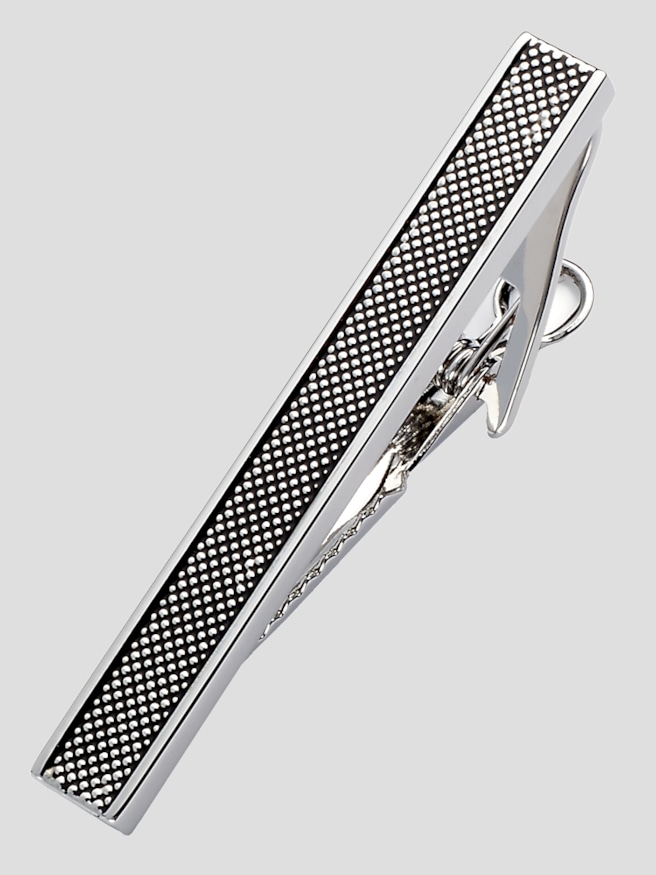
Tie clips work especially well in wardrobes where a suit or tailored jacket is worn with a necktie, but their character can range from strictly businesslike to quietly personal. A slim, undecorated bar complements a navy suit, white shirt, and patterned tie without adding another competing motif. A textured finish can bring interest to a solid tie, while a more distinctive shape offers personality when the rest of the outfit stays simple. For dressier combinations, Luxury Tie Bars offer a subtle focal point that does not need to compete with the tie’s color or pattern. The overall balance matters: a bold pocket square, patterned shirt, decorative cuff links, and elaborate tie clip can draw attention in several directions at once. Letting one or two details lead often creates a more confident result. Business presentations, interviews, graduation ceremonies, wedding celebrations, and anniversary dinners all provide settings where a tie clip can feel purposeful rather than ornamental. For a groom or members of a wedding party wearing neckties, coordinated metal tones can bring consistency to the group while leaving room for individual watches and other personal accessories. A tie clip belongs with a necktie, not a bow tie, so its role depends on the outfit rather than simply how formal the occasion sounds. It can also make a thoughtful gift for a father, partner, graduate, colleague, or mentor who regularly dresses in tailored clothing. Unlike a shirt or jacket, it does not require an exact clothing size, though the recipient’s usual tie width still helps determine a suitable proportion. Someone who favors narrow, understated neckwear will likely get more use from a compact, simple design than an oversized statement piece. For frequent travelers and professionals moving between meetings, its appeal is practical as much as visual. Small enough to tuck into a dedicated accessory case, a well-chosen tie clip contributes a consistent finishing touch across many combinations of shirts, ties, and suits.