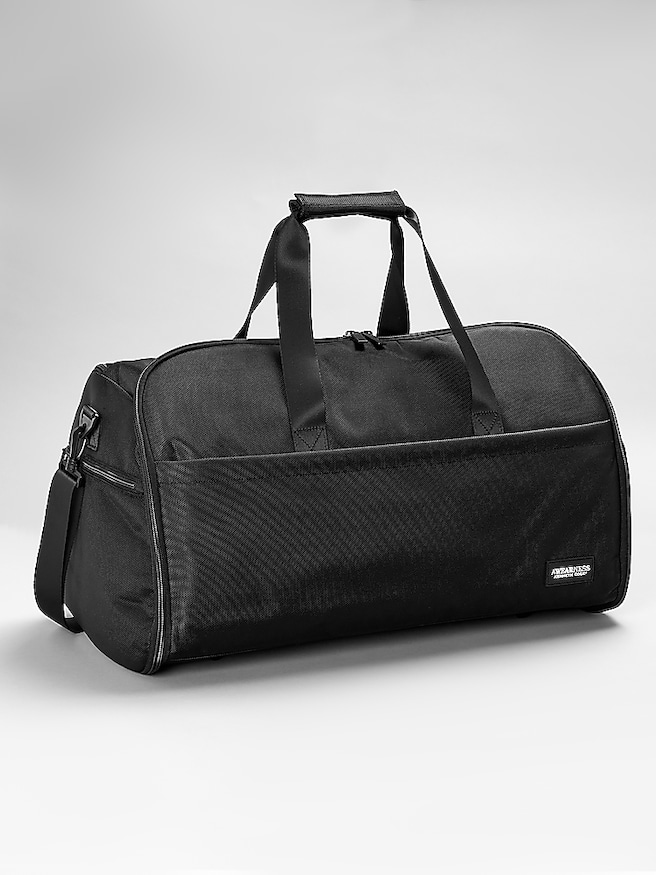
Stylish men's backpacks combine a clean silhouette with practical organization, making them a useful companion for office commutes, campus days, business travel, and weekends away. The strongest designs look balanced when packed, keep everyday essentials within easy reach, and complement an outfit without overwhelming it. Material plays a large part in that impression. Leather backpacks tend to feel more polished, especially in black or deep brown with understated hardware and minimal exterior pockets. Full-grain leather retains the hide's natural surface character and can develop a patina with use, while pebbled textures can make small marks less noticeable. Leather also carries some weight of its own, an important consideration when a laptop and charger are part of the daily load. Canvas brings a softer, more relaxed texture that works naturally with chinos, denim, knit polos, and casual jackets. A dense weave, reinforced base, and neatly finished seams contribute to durability, though fabric weight alone does not establish how well a bag will hold up. Nylon and polyester offer other possibilities, often with a lighter feel and a streamlined appearance suited to busy routines. Their performance depends on the weave, construction, and finish rather than the fiber name alone. Shape matters just as much as material: a structured rectangular backpack sits comfortably alongside tailored clothing, while a softly rounded profile feels more casual. Discreet logos, tonal stitching, and hardware that does not compete for attention help a backpack move between settings. A black pack can create a cohesive look with charcoal trousers and black shoes; brown leather or muted canvas can add texture beside navy chinos and a cotton shirt. Matching every accessory exactly is unnecessary, but keeping finishes and colors in a similar visual register makes the whole outfit feel considered. For a broader view of carry options, Men's Stylish Bags offers a natural point of comparison when deciding how a backpack fits into an everyday wardrobe.
A backpack's proportions should suit both its wearer and its usual contents. An oversized bag with only a notebook inside can collapse awkwardly, while a compact pack stretched around a laptop, lunch container, and gym clothes loses the tidy profile that made it appealing. Capacity measurements provide a starting point, but usable space depends on the layout, opening, and shape of each compartment. Laptop fit deserves particular attention because a screen-size label does not describe the full dimensions of the device. The sleeve's measurements should accommodate the computer and any protective case without forcing the zipper or pulling the corners tight. Padding adds cushioning, and a sleeve raised slightly above the base can reduce direct contact when the bag is set down, though neither makes a device immune to impact. For a commute that involves walking several blocks or standing on a train, broad adjustable shoulder straps and a padded back panel can make the load more comfortable. The pack should sit close to the body rather than sag low, with the straps adjusted evenly and heavier contents positioned near the back. Comfort is best judged with a realistic load, not an empty bag. Organization should reflect familiar habits: a small pocket for keys keeps them from disappearing beneath a sweater, a dedicated section for charging cables prevents tangles, and a secure pocket can keep a wallet separate from frequently handled essentials. Bottle pockets are useful when they hold a container firmly without stretching the bag out of shape. A wide main opening makes packing easier, while a restrained arrangement of exterior compartments keeps the appearance clean. For business travel, a luggage pass-through can help stabilize a backpack on a rolling suitcase, provided the sleeve fits the handle securely. Airline personal-item limits vary, so actual packed dimensions matter more than a travel label. Someone heading straight from the office to a fitness class may appreciate room for a separate clothing pouch; someone carrying only a tablet and documents may prefer a slimmer build. Useful space, rather than maximum space, is what keeps a backpack manageable.
Long-term satisfaction often comes down to details that are easy to overlook at first glance. Shoulder-strap attachment points handle repeated stress, making reinforced stitching and securely finished seams especially valuable. Zippers should move smoothly around corners without catching the lining, and pulls should be easy to grasp without feeling bulky. A sturdy top handle is helpful for lifting a loaded bag from beside a desk or moving it through a crowded aisle. Inside, a lining that lies neatly against the shell is less likely to bunch around small objects, while bound or cleanly finished edges help protect areas exposed to repeated friction. Even a well-made backpack benefits from sensible loading: forcing an overfilled compartment closed strains the zipper and seams, and loose sharp objects can damage the lining. Care should follow the manufacturer's instructions because leather treatments, fabric coatings, trims, and internal padding require distinct handling. Leather generally benefits from gentle surface cleaning and, when recommended, a suitable conditioner tested first on an inconspicuous area. Canvas and synthetic fabrics may allow spot cleaning with a soft cloth and a mild cleaning solution, but machine washing is not appropriate unless the care label permits it. Emptying crumbs and debris from pockets, wiping up spills promptly, and allowing the bag to dry fully before storage help keep the interior fresh. Store a backpack without heavy contents pulling on its straps, and use light stuffing if needed to support its shape. These practical qualities also make a stylish backpack a thoughtful gift for a graduate, a new professional, a frequent traveler, or someone whose daily carry has outgrown a basic book bag. A successful gift reflects the recipient's routine: laptop dimensions, preferred colors, typical clothing, and the amount carried each day are more useful clues than decorative features alone. For an office regular, restrained styling and organized technology storage may matter most. For a student balancing classes and an internship, adaptable space and comfortable straps may take priority. The most useful men's backpacks bring appearance, comfort, and construction together in a form that feels appropriate wherever the day leads.