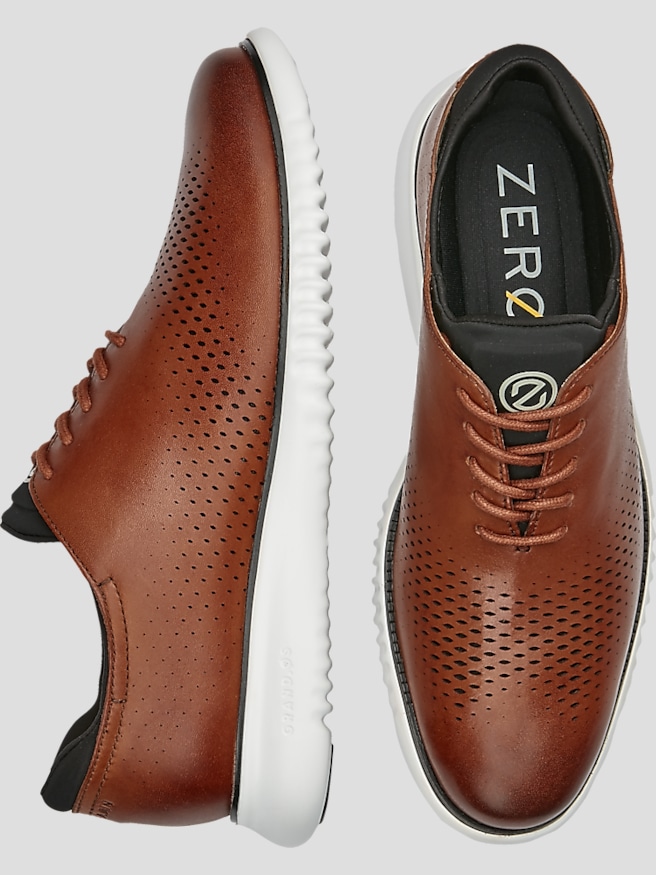
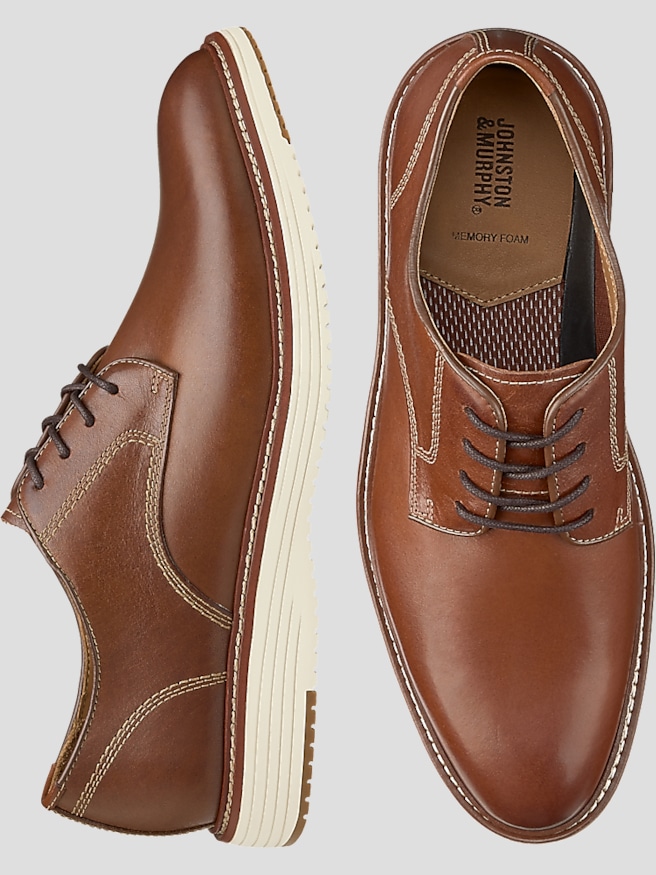
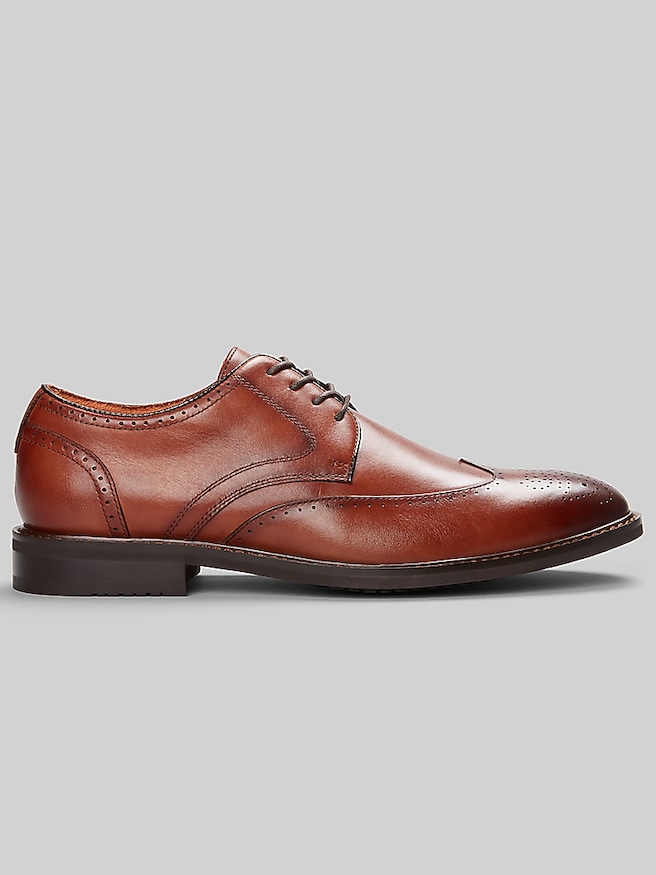
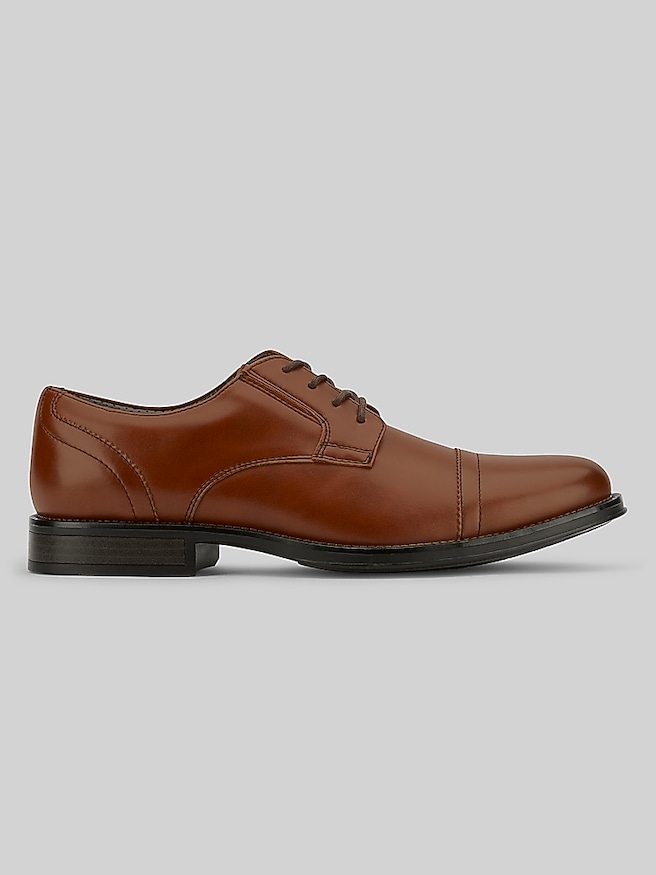
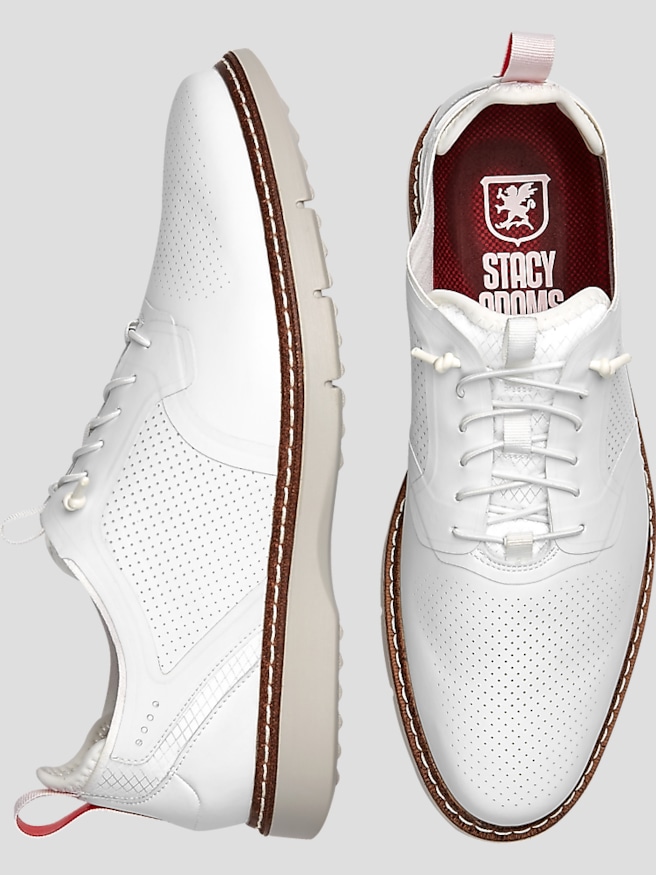
Two-tone shoes bring a distinctive sense of character to a men’s wardrobe, pairing contrasting colors, textures, or finishes in a way that feels polished without looking predictable. Often associated with classic spectator styling, these shoes carry a lively connection to jazz-era tailoring, dance floors, and the sharp formalwear of the early twentieth century, while modern designs make them easy to wear with today’s suits, sport coats, trousers, and dark denim. A lighter vamp with a darker heel or toe can draw attention to the shape of the shoe, while burnished finishes, patterned panels, and subtle variations in tone create depth that becomes more noticeable as the light changes. This makes two-tone footwear especially appealing to men who enjoy traditional details but want an accessory with more personality than a standard black or brown dress shoe. The right pair can anchor an outfit at a wedding, reception, cocktail gathering, dinner, or special celebration, and it can also add an expressive finishing touch to a business-casual look. For a more conservative setting, choose colors that stay within the same family, such as warm tan and brown, charcoal and black, or navy with a deep neutral. Bolder combinations work well when the rest of the outfit is kept simple, allowing the shoes to serve as the focal point. Men building a memorable formal wardrobe may also want to explore complementary silhouettes, including Stacy Adams Square Toe Shoes, for a stronger, more defined profile under tailored trousers.
When selecting two-tone shoes, begin with the occasion and the clothing already hanging in the closet. A pair intended for a wedding or formal evening event should coordinate with the suit rather than compete with it. Black-based combinations tend to look refined with charcoal, black, or deep navy tailoring, while brown and tan variations blend naturally with earth tones, medium blue, olive, and lighter seasonal fabrics. For daytime celebrations, garden venues, or less traditional ceremonies, contrast stitching, textured panels, and warmer color combinations can feel especially at home. Pay close attention to the shape as well as the color. A rounded toe generally offers a classic, easygoing appearance, while a more squared profile brings a crisp, architectural line to the outfit. Fit matters just as much with statement footwear as it does with a suit: the heel should remain secure when walking, the widest part of the foot should sit comfortably within the shoe, and toes should have enough room to move without pressing against the front. Consider width options when available, particularly if dress shoes typically feel tight across the forefoot or loose at the heel. Interior cushioning and supportive footbeds can make a meaningful difference during long receptions, ceremonies, travel days, or evenings spent standing. Removable footbeds may also be useful for men who prefer to use their own inserts. Leather and leather-like uppers often become more comfortable with regular wear, but new shoes should be broken in gradually rather than worn for the first time during an all-day event. Trying them on with the socks intended for the occasion provides a more accurate sense of fit and prevents last-minute surprises.
Two-tone shoes can make a thoughtful gift for a groom, graduate, father, partner, or anyone refreshing a dress wardrobe with a style that feels individual. They are particularly well suited to men who appreciate vintage-inspired clothing, enjoy dressing for live music and celebrations, or prefer accessories that start conversations. If the shoes are being purchased as a gift, a flexible color combination is usually the safest choice, especially when it complements garments the recipient already owns. Take note of his usual shoe size and width, and review the retailer’s return or exchange policy before ordering when the fit is uncertain. A well-chosen pair can move comfortably between occasions: worn with a suit for a formal gathering, paired with pressed trousers and a knit polo for a dinner out, or styled with dark jeans and a sport coat for a relaxed evening. During the cooler months, the rich tones of brown, oxblood, navy, and black pair naturally with wool trousers, textured jackets, heavier sweaters, and layered outerwear. At the same time, lighter two-tone combinations remain useful indoors and at dressy daytime events, so the style does not feel limited to one part of the year. Care will help preserve the contrast that gives these shoes their appeal. Brush away surface dust after wearing, use a conditioner suited to the upper, and store the shoes with support to help maintain their shape. Keep them away from prolonged moisture and allow them to dry naturally if they become damp. Rotating them with other footwear gives the materials time to rest and helps extend their polished appearance. With thoughtful color coordination, a comfortable fit, and simple upkeep, two-tone shoes offer a confident way to bring history, craftsmanship, and personal style into both formal and everyday dressing.