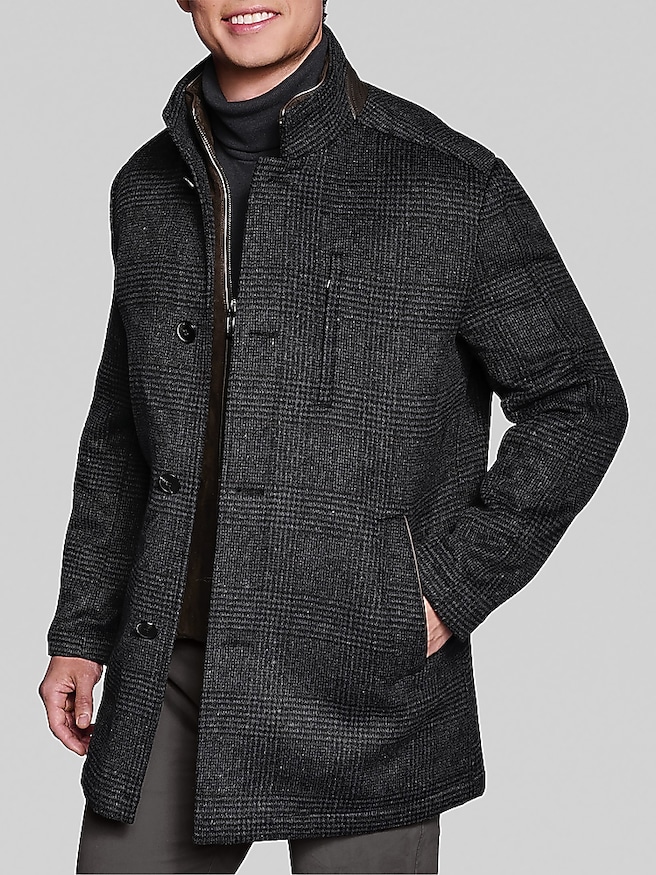
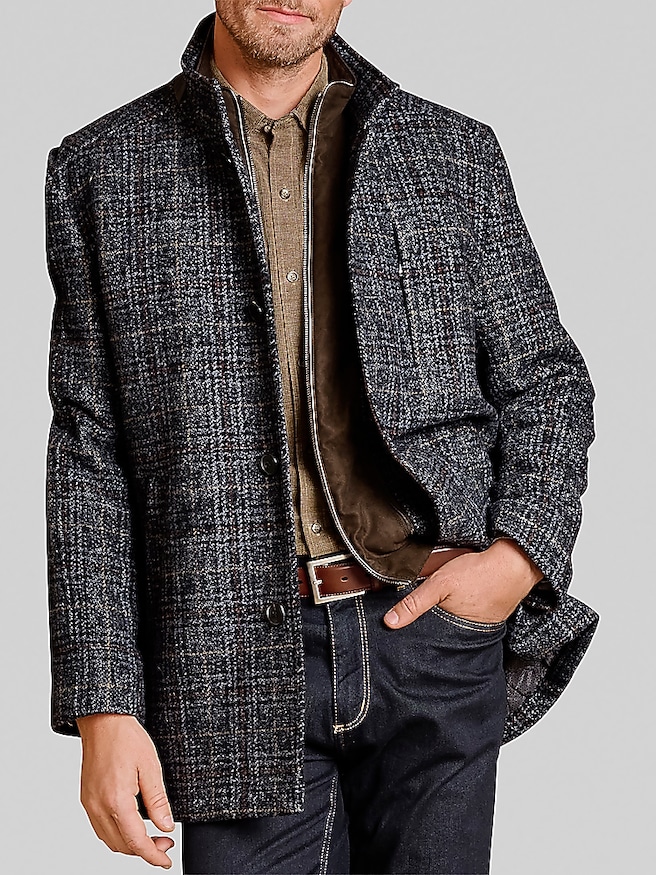
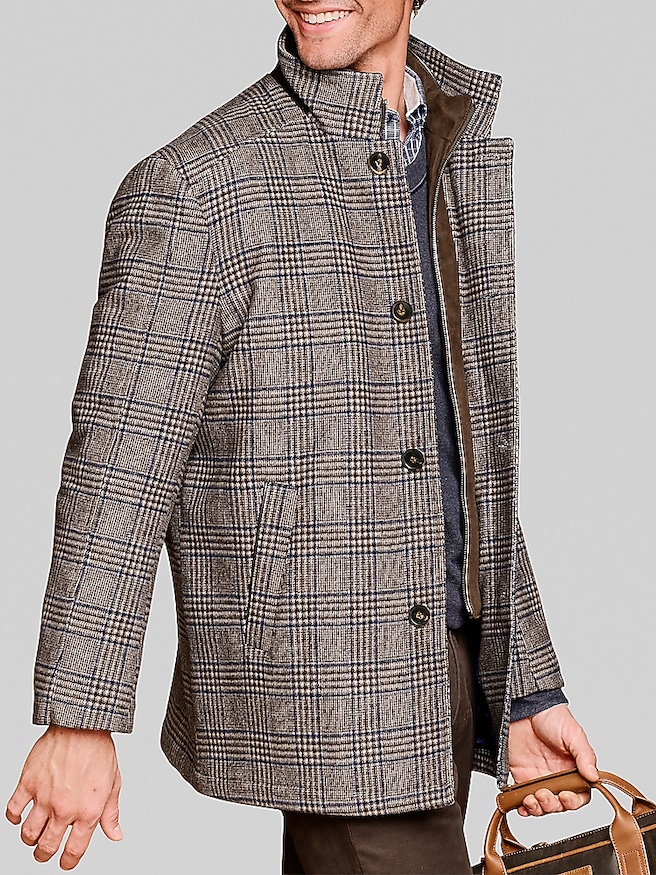
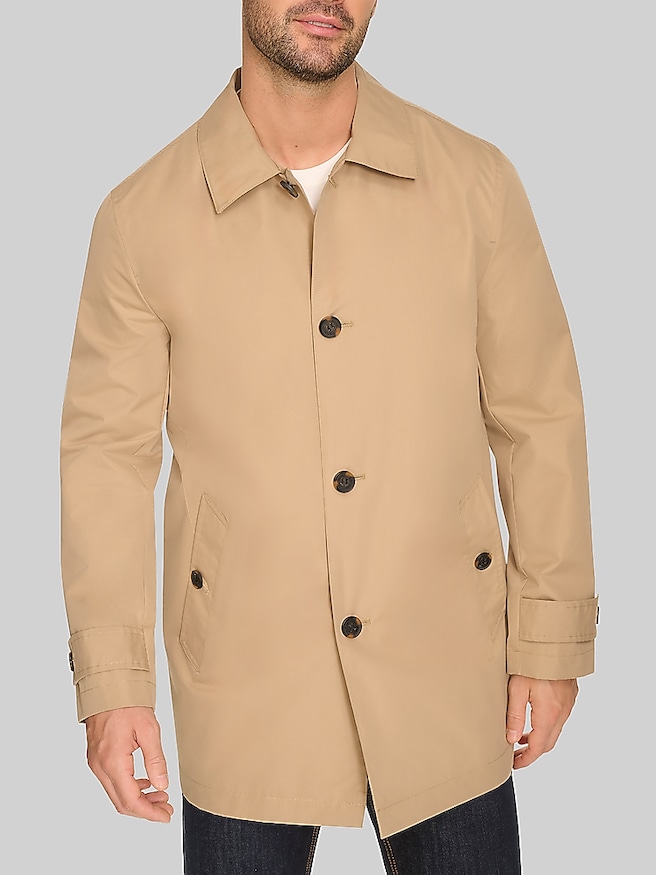
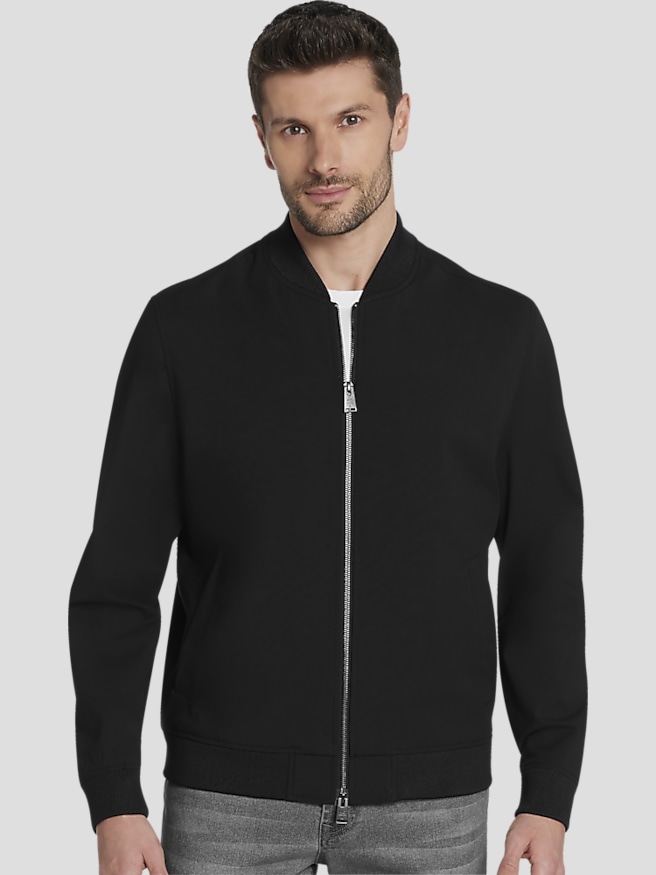
Spring lightweight jackets provide an outer layer for mild days, breezy commutes, and evenings that call for more coverage than a shirt alone. Their appeal comes from a balance of modest weight, comfortable movement, and enough structure to give everyday outfits a finished appearance. Within the broader category of Spring Jackets, lightweight designs generally use unlined or lightly lined construction rather than substantial insulation. The result is a layer that feels practical over a T-shirt, polo, button-down, or fine-gauge sweater without adding unnecessary bulk. Windbreakers tend toward a sporty look, with closely woven shells that can help limit the chill of a breeze. Bomber jackets bring a defined waist and cuffs, while utility jackets emphasize practical pockets and a slightly more relaxed shape. Denim jackets offer a familiar, textured finish, and overshirt-style jackets sit comfortably between a shirt and traditional outerwear. Each silhouette has its own character, but fabric and construction matter just as much as the name. Cotton twill can provide a soft, substantial feel without heavy padding; nylon and polyester shells can deliver coverage at a low weight. Linen blends bring visible texture and an easy drape, although some creasing is part of their character. A densely woven fabric may help block wind, while a more open weave can allow greater airflow. Breathability also depends on the lining, finish, and overall construction, not simply the fiber listed on the label. For occasional drizzle, a water-repellent finish can be useful, but it is not the same as waterproof protection. Prolonged rain calls for construction specifically designed for that purpose, including appropriate seams and closures. Lightweight spring outerwear is especially useful for the stretch between a cool walk to the train and a comfortable afternoon outdoors, when a heavily insulated coat would feel excessive.
Fit gives a lightweight jacket much of its versatility. A clean shoulder line, comfortable sleeves, and enough room through the chest allow the jacket to work over everyday layers without looking oversized. The front should close without pulling across the body, and reaching for a steering wheel or lifting a bag should not create pronounced tension through the upper back. Sleeve length depends partly on the design: ribbed cuffs usually sit close to the wrist, while open cuffs create a looser finish. A hip-length hem pairs naturally with jeans and chinos, and a slightly longer utility shape can provide extra coverage when sitting on an outdoor bench or walking across a breezy parking lot. Unstructured designs often feel easy through the torso, whereas a more defined collar and a smooth front can look polished enough for a casual office. Neither approach needs to feel stiff. Lightweight construction should leave room for ordinary movement, whether that means carrying a laptop bag, taking a neighborhood walk, or settling into a patio chair. Styling is equally straightforward. A navy jacket over a pale blue shirt and tan chinos creates a restrained combination with clear contrast. Olive works well with off-white knitwear and dark denim, while stone or light gray can soften an outfit built around deeper colors. Tonal combinations offer another option, with texture providing distinction when the jacket and trousers share a similar shade. A matte cotton shell reads differently from a smooth technical fabric, even in the same color. Collars, pocket shapes, and visible hardware also influence how casual a jacket feels. Men who move between relaxed work settings and weekend plans often benefit from details that suit both, such as unobtrusive pockets and a simple closure. As a gift, a lightweight jacket can be a thoughtful everyday layer when the recipient’s measurements, preferred fit, and usual clothing style are known.
The small construction details become noticeable through repeated wear. A zipper that moves smoothly, securely attached buttons, and neat stitching at pocket corners all contribute to a jacket that feels dependable in daily use. Lining can make sleeves easier to slip over a woven shirt, while an unlined body may feel less bulky when carried over an arm. Neither construction automatically guarantees better comfort; the fabric, cut, and intended use determine the overall experience. Pocket placement matters when hands are full, and an interior pocket can help keep small essentials separate from the main hand pockets. Heavy objects can distort a lightweight garment, so pocket capacity is not always a reason to fill every compartment. Packable designs can be convenient for travel or a day away from home, although not every thin jacket is meant to compress into a small pouch. Fabric resilience and care requirements deserve equal attention. Cotton may soften with wear and develop creases, while some synthetic fabrics recover their shape more readily; individual performance depends on the weave and finish. Denim can develop natural fading at seams and other points of friction, adding character over time. Care labels remain the most reliable reference because shells, linings, trims, and protective finishes may need distinct treatment. Some jackets allow machine washing, while others require professional cleaning. Excessive heat can affect certain fibers and finishes, and fabric softener may interfere with the performance of some technical materials. Prompt attention to a small stain can reduce the need for repeated full cleaning, provided the treatment is suitable for the fabric. Between wears, allowing the jacket to dry fully before storage helps prevent lingering odors. A supportive hanger helps preserve its shape without crowding the shoulders. With thoughtful care and construction suited to its purpose, a lightweight spring jacket can remain a useful layer for commuting, casual gatherings, travel, and ordinary days spent moving between indoors and out.