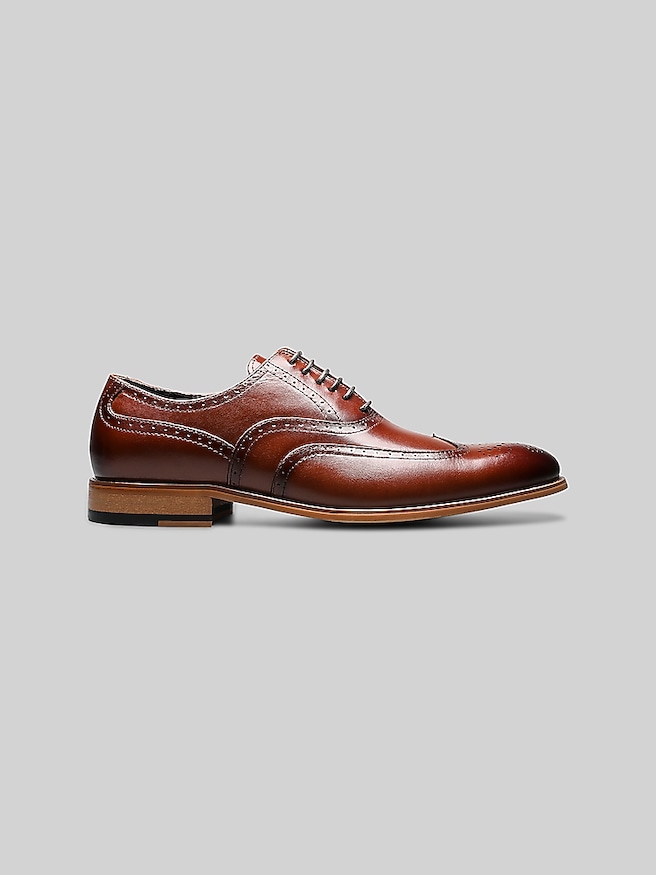
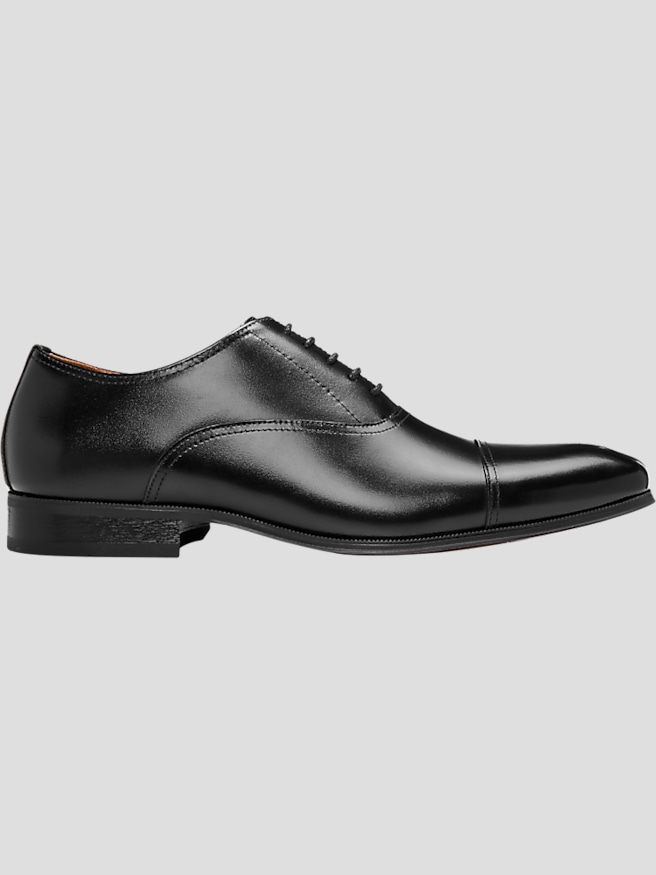
Spring dress shoes for men balance polished styling with comfortable construction and versatile colors suited to spring weddings, graduations, office days, and evening plans. Smooth leather, soft suede, and textile uppers each bring a distinct look and feel, while shades such as brown, tan, navy, and black make it easy to coordinate footwear with suits, dress pants, and chinos. The right level of formality depends as much on the occasion as on the shoe itself. A sleek leather oxford has a clean, structured appearance that complements tailored suits and more formal celebrations. A derby, recognizable by its open lacing, offers a slightly more relaxed profile that works well with business attire or a sport coat and trousers. Loafers create an easy transition between dressed-up and casual settings, particularly with lightweight wool pants, cotton chinos, or a linen-blend suit. Details help establish the overall mood: a plain toe keeps the silhouette understated, a cap toe adds definition, and decorative broguing lends texture without requiring a bold color. For a spring wedding with a garden ceremony and an indoor reception, medium-brown leather can sit comfortably between the softness of a light-colored suit and the polish expected for the celebration. Black leather remains a dependable match for charcoal tailoring and occasions calling for a more restrained finish. Tan and taupe suede introduce a softer visual texture, especially alongside blue, cream, and muted earth tones. Textile or knit uppers can offer flexibility and airflow in more relaxed dress-shoe designs, though their appearance generally suits less formal settings than traditional smooth leather. Shape matters, too. A balanced almond-shaped toe pairs naturally with most tailored clothing, while an overly long or sharply pointed silhouette can draw attention away from the outfit. The most useful spring footwear feels connected to the clothes and occasions already on the calendar, whether that means a full day of meetings or a celebration that continues onto the dance floor.
Materials and fit influence how dress shoes feel well beyond the first few steps. Leather uppers can gradually soften and conform to the foot, but a new pair should still feel secure and comfortable rather than painfully tight. Suede has a supple hand and a matte finish that makes tailored clothing feel less rigid, while breathable linings can help manage moisture during extended wear. A lighter shoe may be appealing for spring, but weight alone does not determine comfort; underfoot cushioning, forefoot flexibility, heel stability, and enough space through the toe box all contribute. A good fit holds the heel without pronounced slipping, supports the foot through the middle, and leaves room for toes to lie naturally without pressing against the sides. Width deserves as much attention as length, especially for anyone who feels pressure across the ball of the foot or finds that dress shoes pinch after several hours. Lace-up designs allow some adjustment across the instep, while loafers rely more heavily on a close match between the shoe’s shape and the foot. Fit is best assessed with the type of socks intended for the occasion and with any regularly worn orthotics. Thin dress socks can feel quite distinct from thicker casual socks, and an insert may change both available depth and heel placement. For days that involve walking from a parking garage to the office, standing through a ceremony, and spending time at a reception, a stable sole and modest cushioning can make a meaningful difference. Rubber outsoles may offer practical grip on smooth walkways, while leather soles provide a traditional finish and can feel more flexible after wear. Neither material guarantees traction on wet surfaces. For outdoor celebrations, a secure heel and a sole suited to uneven paths matter more than an exceptionally delicate profile. Pants should also meet the shoes cleanly, without excess fabric pooling over the vamp, so the finished look stays intentional from the first meeting to the last photograph.
Durability comes from the combination of materials, construction, fit, and consistent care, not simply from how substantial a shoe feels in the hand. Even stitching, neatly finished edges, a stable heel, and a sole that flexes where the foot bends are useful qualities in dress footwear intended for repeated wear. Some stitched constructions can be resoled by a qualified cobbler, while other designs may be better suited to lighter or occasional use; repair options depend on the shoe’s construction. Smooth leather benefits from having dust removed with a soft brush or cloth, followed by suitable conditioner when needed and polish that matches the finish. Suede calls for its own brush and cleaning products, since standard leather creams can alter its texture and appearance. Protective treatments should be appropriate for the material and tested discreetly before broader application. Spring showers make drying habits especially important: damp shoes should air-dry away from direct heat, with absorbent paper inside if needed to help manage moisture. Cedar shoe trees can help maintain shape between wears, and allowing shoes to dry fully before wearing them again helps keep the interior comfortable. A shoehorn reduces strain on the heel counter, particularly with close-fitting loafers. These small habits are useful for footwear that moves between workdays and special occasions rather than staying reserved for a single event. Dress shoes can also make a thoughtful graduation or career-milestone gift when the recipient’s size, width, and style preferences are known. A versatile shape and familiar color are often more useful than an unfamiliar statement detail, especially for someone building a wardrobe for interviews, presentations, and celebrations. For occasions extending beyond spring, Men's Summer Dress Shoes offers a related seasonal focus. Across these settings, well-fitting footwear with appropriate materials and a considered finish helps tailored clothing feel complete without sacrificing everyday practicality.