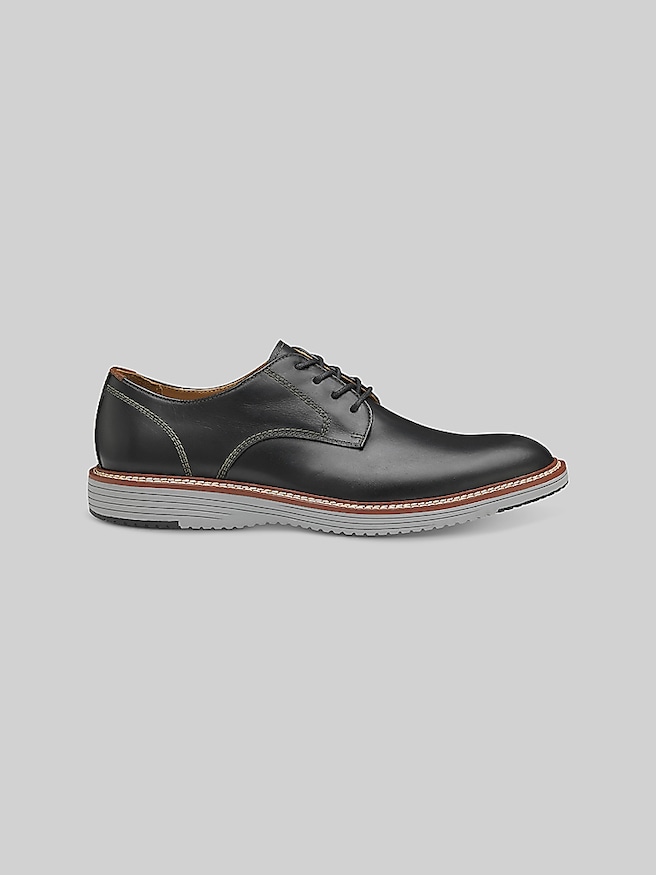
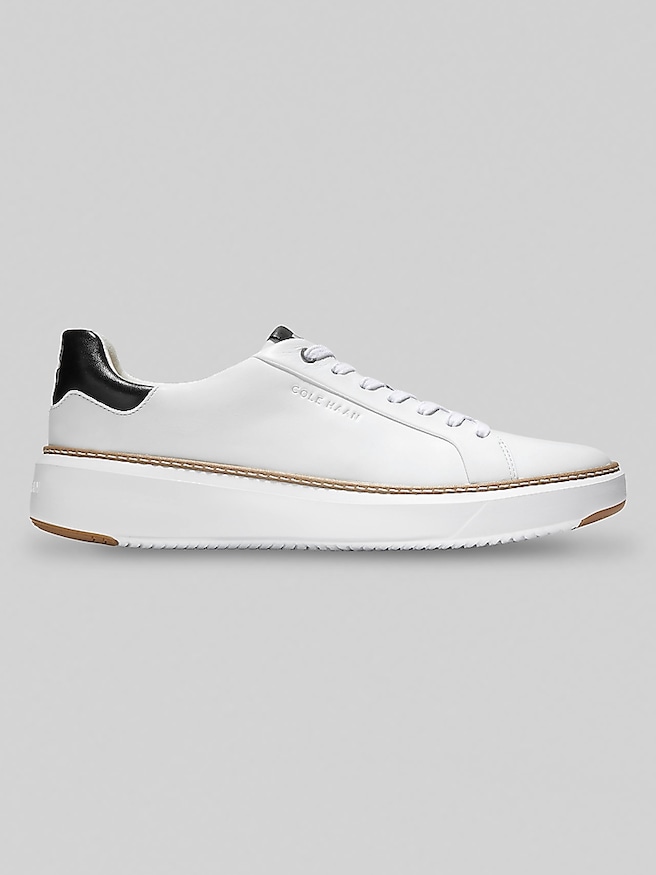
Size 10 shoes bring together the finishing detail of an outfit and the foundation for a comfortable day. In men’s footwear, a US size 10 is a size designation rather than a guarantee of identical fit across every style. Width, toe shape, interior volume, and the last—the form used to shape a shoe—all influence how a pair feels on the foot. Men’s size 10 dress shoes, loafers, and sneakers can serve distinct purposes, from completing a suit for a wedding to pairing with chinos for a relaxed office. A smooth leather lace-up gives tailored trousers a clean, structured finish, while a loafer leaves a simpler line beneath the hem. Sneakers lend themselves to denim, casual pants, and less formal outfits where ease of movement matters as much as appearance. For that more relaxed approach, Men's Size 10 Sneakers connect a familiar size with a versatile footwear category. Color and surface texture also shape the overall impression. Black leather often works well with charcoal or dark formal clothing, while brown tones can complement navy, tan, and textured fabrics. Smooth uppers tend to look dressier than visibly grained leather or brushed suede, though construction and detailing matter, too. A restrained profile can sit neatly under a narrow trouser opening; a fuller sole generally looks more balanced with pants that have a little more room through the leg. These proportions become especially noticeable when seated at a meeting, standing for photographs, or walking across a reception room. For someone building a practical wardrobe, size 10 footwear is less about choosing one style for every setting and more about matching the shape, finish, and level of support to the clothes and activities that make up a typical week. A polished appearance has the most value when the shoes also feel secure and natural during ordinary movement.
Fit deserves particular attention because two pairs marked size 10 can feel noticeably unlike each other. A standard-width shoe and a wide-width shoe are not interchangeable, and moving up in length does not necessarily solve pressure across the forefoot. The foot should sit comfortably at its widest point without the upper pinching at the sides or the sole feeling too narrow underneath. Toes need space to rest and move naturally rather than pressing against the front or being squeezed together. An elongated dress-shoe toe may leave extra space beyond the toes by design, so the position of the ball of the foot and the security of the heel help tell the fuller story. Lace-up styles allow adjustment over the instep, which can be useful when balancing a snug hold with enough room for socks. Loafers depend more heavily on their shape to hold the foot in place; excessive heel movement or a need to grip with the toes can signal a poor match. Trying footwear with the type of socks intended for daily wear gives a more useful impression than testing it with unusually thick or thin socks. Both feet deserve attention, since modest size differences are common, and the larger foot usually sets the comfort requirement. For someone who uses an orthotic, sufficient interior depth and a removable footbed may matter as much as the number on the box. Walking on a clean indoor surface can reveal rubbing, pressure, or unstable movement that is easy to miss while sitting. Leather may soften with use, but a painful fit should not be treated as something that will reliably disappear. For a graduate heading to interviews, a professional moving between meetings, or a wedding guest spending hours on foot, secure fit and appropriate cushioning make the difference between footwear that simply looks right and footwear that remains comfortable beyond the first few steps. A size 10 designation is the starting point; the way the shoe holds and supports the individual foot completes the choice.
Materials and construction influence the feel, upkeep, and useful life of size 10 shoes. Smooth leather can develop creases and character with wear, and suitable conditioning helps keep it supple. Suede has a soft, matte surface that brings depth to casual tailoring, but its raised nap calls for a suede brush and care products made specifically for that finish. Canvas and knit uppers can offer a lighter, less structured feel, while synthetic materials vary widely in flexibility, breathability, and cleaning requirements. The lining matters as well: rough seams, stiff edges, or an abrasive heel area can become distracting during repeated wear. Underfoot, cushioning softens the immediate feel of a step, while the sole’s shape and firmness influence stability. Rubber outsoles often provide practical traction for everyday walking, although grip depends on the tread and the surface beneath it. Leather soles offer a traditional dress-shoe profile but can feel smoother underfoot, especially before they have seen much wear. Neat stitching, securely attached soles, and well-finished edges are useful construction details to notice, without assuming that any single feature guarantees longevity. Care is most effective when it suits the material: remove surface dirt gently, follow the maker’s cleaning directions, and allow shoes to dry naturally away from direct heat. Machine washing is appropriate only when the care instructions expressly allow it. Cedar shoe trees can help leather footwear retain its shape and absorb some residual moisture between wears, while a shoehorn reduces repeated crushing at the heel. Giving a pair time to air out also helps keep the interior fresher. For gifting, size 10 shoes are most straightforward when the recipient’s usual width, preferred style, and fit needs are already known; the size number alone leaves important details unresolved. Whether the intended wearer needs a sharp finish for presentations, an understated companion to weekend denim, or a comfortable pair for celebrations, thoughtful attention to materials and fit gives the footwear a clear role in everyday dressing.