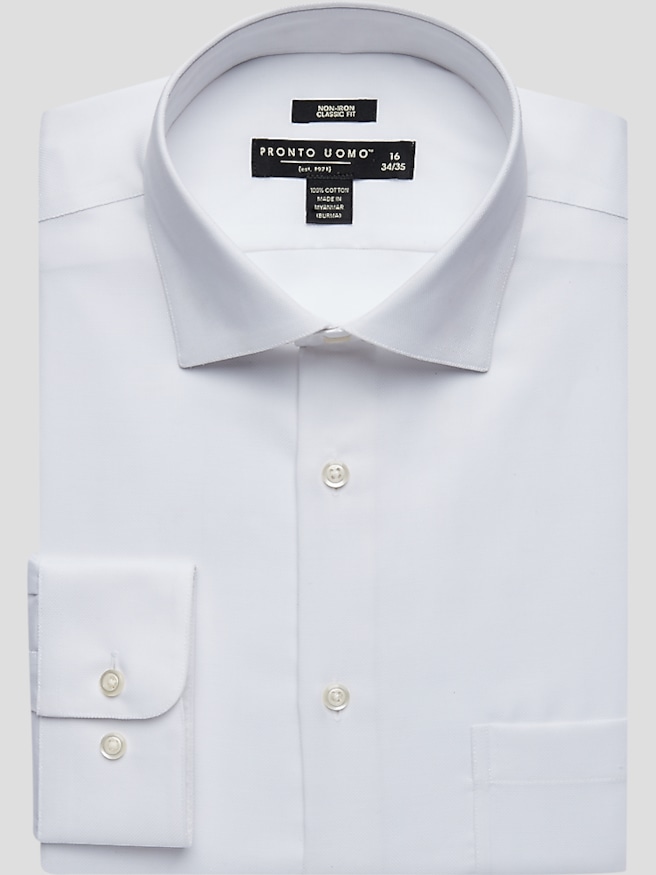
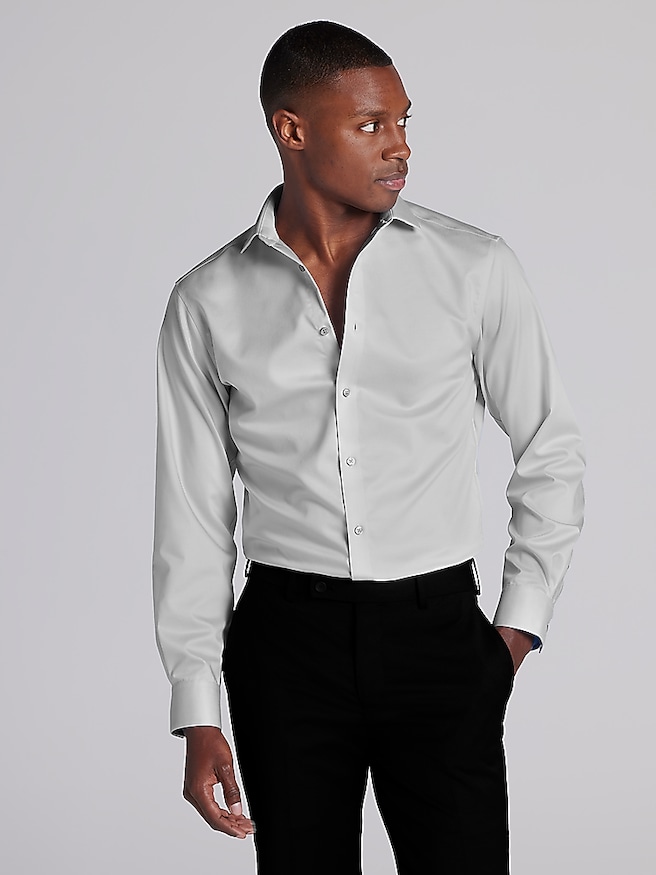
Oxford casual shirts bring a familiar kind of polish to everyday dressing: enough structure to look considered, with a textured fabric that feels at home beside denim, chinos, and soft knitwear. Their character starts with Oxford cloth, a basket-weave fabric that groups yarns together to create a subtly pebbled surface. That texture gives the shirt more visual depth than a smooth, flat shirting fabric, while keeping the overall look understated. Cotton Oxford cloth is valued for its breathable feel and the way it can soften with repeated washing; blended fabrics may add stretch, help reduce wrinkling, or dry more quickly, depending on their composition and finish. Fabric weight matters, too. A lighter Oxford works comfortably beneath a sweater or jacket, while a more substantial cloth offers a sturdy feel for everyday wear during the cooler months. Neither weight determines quality on its own; the right choice depends on how the shirt will be worn and what feels comfortable against the skin. The classic button-down collar is closely associated with Oxford shirts, with small buttons that help keep the collar points in place. It frames the face neatly without needing a tie and adds definition when the shirt is layered under a crewneck sweater. Oxford describes the fabric rather than a single collar shape, however, so collar construction remains its own consideration. Solid white and pale blue have an easy familiarity, while muted colors, narrow stripes, and restrained checks introduce variety without making an outfit difficult to coordinate. A softly textured shirt with dark jeans can feel relaxed enough for a neighborhood coffee stop yet composed enough for lunch afterward. Worn with clean chinos and leather shoes, the same type of shirt takes on a sharper character. That ability to move between settings explains the lasting appeal of casual Oxford shirts: they offer a useful middle ground between a T-shirt and more formal dress shirting, without requiring an elaborate outfit around them.
Fit shapes that versatility as much as fabric does. An Oxford casual shirt should allow comfortable movement through the shoulders, chest, and upper back, whether the day involves sitting at a desk, reaching for a bag, or driving across town. Shoulder seams generally sit near the shoulder edges, and the front placket should lie smoothly rather than pull open between buttons. A close fit can create a clean line beneath a jacket, but excess tension across the chest or elbows can make even a soft fabric feel restrictive. A roomier cut leaves space for movement and layering, although too much loose fabric at the waist can bunch beneath a sweater. Sleeve length deserves equal attention: with the arms relaxed, cuffs should reach the wrist without swallowing the hand. The cuff opening should feel secure but leave comfortable space for a watch if one is worn. Hem length also affects the finished outfit. A longer, curved hem helps a shirt stay tucked during a busy workday, while a shorter hem can look balanced worn loose over casual pants. For an untucked look, the shirt should cover the waistband without extending so far that it overwhelms the proportions of the outfit. These details become especially noticeable in everyday combinations. An Oxford tucked into straight-leg chinos creates a tidy silhouette for an office with a relaxed dress code; worn untucked with jeans and simple sneakers, it feels more suited to a weekend lunch or a casual evening gathering. For office-focused combinations, Business Casual Oxford Shirts offer a related direction where textured shirting meets a more polished setting. During cooler weather, a fine-gauge sweater adds warmth without hiding the collar, while an unstructured jacket brings definition without making the outfit overly formal. Keeping the layers comfortable through the shoulders helps preserve the easy movement that makes an Oxford useful in the first place. The result should feel natural throughout the day, not just look neat while standing still.
Care and construction help determine how an Oxford casual shirt holds up to regular use. The basket weave gives the fabric a substantial character, but durability also depends on yarn quality, stitching, seam finishing, and the attention given to high-contact areas such as cuffs and collars. Even stitching and securely attached buttons are practical details worth noticing, particularly for shirts that will rotate through frequent wear and washing. Cotton can develop gentle creases as the day goes on, which often suits the relaxed appearance of Oxford cloth; a completely crisp finish is a matter of preference rather than a requirement. Fabric blends and easy-care finishes can behave differently, so the care label is the best starting point for washing, drying, and ironing. When permitted by those instructions, washing with similar colors and avoiding excessive dryer heat can help protect the fabric's appearance and limit shrinkage. Removing a shirt promptly after drying and smoothing the collar, placket, and cuffs can reduce the need for additional pressing. A little attention to the neckline and sleeve ends also helps keep perspiration and everyday soil from becoming harder to remove. If ironing is appropriate, using the recommended temperature while the fabric is slightly damp can make smoothing cotton easier. A sturdy hanger supports the shoulders between wears, and allowing the shirt to dry completely before storing it helps keep it fresh. These manageable habits suit a garment intended for repeat use rather than special occasions alone. Oxford casual shirts can be especially useful for someone building an everyday wardrobe, adjusting to a less formal workplace, or seeking a dependable option for dinners, visits, and travel days. They can also make thoughtful gifts when the recipient's size, preferred fit, and usual colors are known. A familiar collar shape and a comfortable cut are often more useful than an unfamiliar detail chosen for novelty. With fabric, proportions, and upkeep considered together, an Oxford becomes an easy shirt to reach for: comfortable through an ordinary afternoon and polished enough when the plans call for a little more effort.