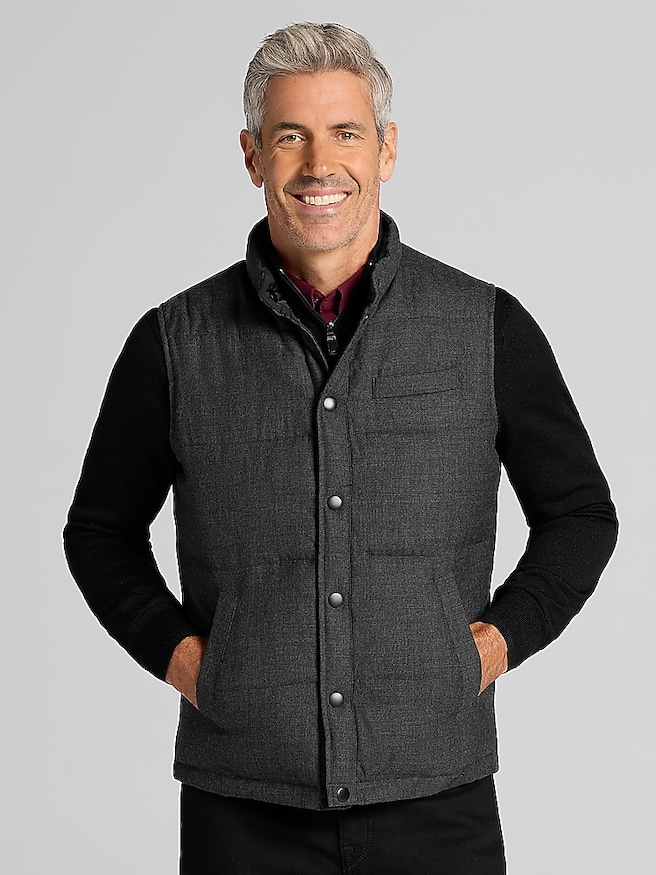
Outerwear vests are sleeveless layers designed to add warmth around the torso while leaving the arms free to move. That combination makes them useful for everyday errands, casual commutes, travel, and time outdoors when a full jacket feels unnecessary or another layer would help. The main types include fleece vests, insulated quilted vests, and down or synthetic puffer vests, each with a distinct feel and purpose. Fleece has a soft, textured surface and provides comfortable warmth without the padded shape of a puffer. It works well over a long-sleeve shirt or beneath a protective outer layer, although fleece alone may offer limited resistance to wind. Down insulation provides substantial warmth for its weight and often compresses well, making it practical when space in a bag matters. Synthetic insulation is another option for lightweight warmth and generally retains more insulating ability than untreated down when damp. Neither insulation type makes a vest waterproof; protection from precipitation depends on the shell, construction, and any protective treatments. Nylon and polyester shells are common because they can be lightweight and durable, while woven finishes range from smooth and understated to more visibly textured. Quilting helps hold insulation in place, with narrow channels creating a different appearance from broad, lofty sections. A water-repellent finish can help light moisture bead on the surface, but it should not be confused with the protection of a waterproof rain layer. The right balance depends on the setting: a short walk between buildings calls for something different from a long stretch outside. For someone moving between a chilly parking lot and a comfortable office, a vest offers an easy layer to remove without the bulk of a full coat. Its appeal is practical as much as visual: warmth where it is useful, room through the shoulders, and a shape that fits naturally into a casual wardrobe.
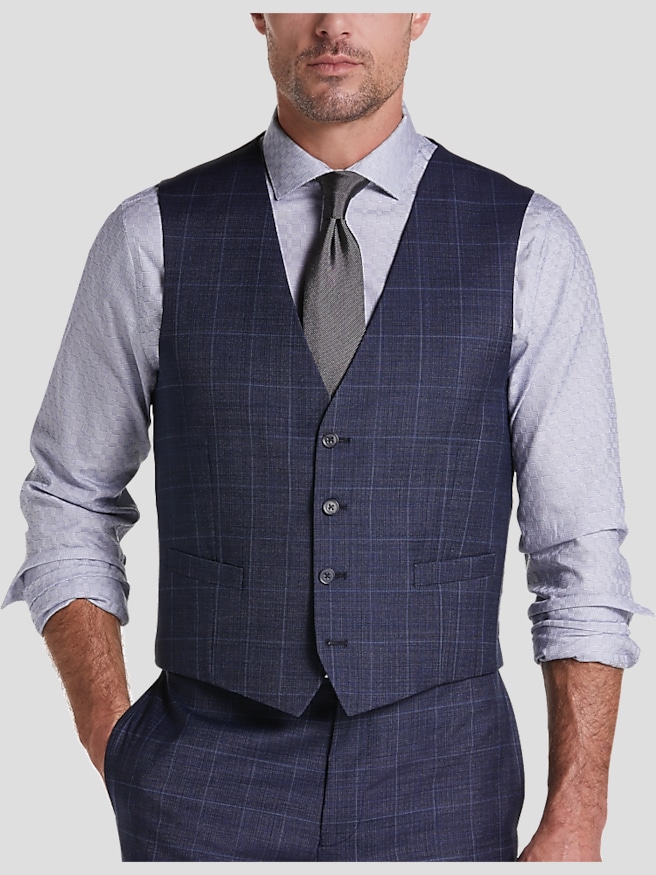
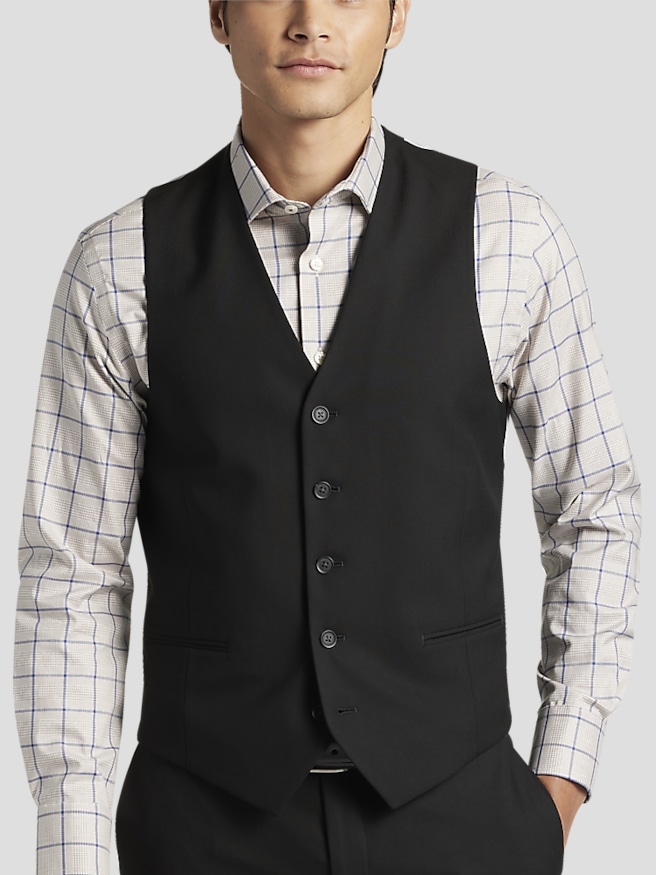
The fit of an outerwear vest depends partly on what sits beneath it. A vest worn over a T-shirt or fine-gauge sweater can have a closer profile than one intended for a substantial sweatshirt or thick knit. In either case, the front should close without pulling across the chest, and the armholes should allow comfortable movement without leaving large gaps. Reaching for a steering wheel, sitting at a desk, or lifting a bag onto a shoulder gives a better sense of fit than standing still in front of a mirror. The hem should provide coverage without bunching excessively when seated, while the neckline should feel comfortable against the shirt underneath. A stand collar can add coverage around the neck, and a lower-profile collar may sit more easily beneath another jacket. Lightweight constructions generally layer more smoothly under a coat; fuller insulation makes a stronger visual statement when worn as the outermost piece. Straightforward colors such as navy, charcoal, olive, and black work with many everyday combinations, while contrast between the vest and the underlying layer helps define the outfit. A textured fleece over a brushed cotton shirt feels relaxed and approachable. A smooth, lightly quilted vest over a fine knit creates a cleaner line with chinos and leather boots. Dark denim, a crewneck sweater, and Stylish Winter Vests make a comfortable combination for a casual dinner or an afternoon visiting friends. Outerwear vests serve a different purpose from tailored waistcoats worn with suits: their construction prioritizes layering, mobility, and protection rather than a formal silhouette. Pocket placement also affects everyday comfort. Hand pockets offer a place to warm fingers, while secure closures can help keep small essentials contained. Carrying less in those pockets preserves the shape and prevents keys or a phone from creating an awkward bulge against the body. Thoughtful proportions keep the vest from overwhelming the rest of the outfit, particularly when several layers are involved.
Materials and construction influence how an outerwear vest wears over time, but care habits matter just as much. A tightly woven shell can help resist everyday abrasion, while sound stitching, neatly finished edges, and a smoothly operating zipper contribute to dependable use. Areas around pocket openings, the hem, and the collar often receive the most handling, so their condition can reveal when a piece needs attention. Even a durable vest can show wear from a rough bag strap or repeated contact with abrasive surfaces. Fleece may develop surface pilling, and insulated styles can lose some loft when stored tightly compressed for long periods. Giving a vest room in the closet helps preserve its shape between outings. Cleaning should follow the sewn-in care label because shell fabrics, insulation, linings, and finishes may have different requirements. Some constructions allow machine washing, while others call for a different method. Harsh products and excessive heat can affect performance or appearance, and fabric softener may be unsuitable for certain technical materials. When washing is permitted, closing fasteners and checking pockets beforehand helps protect the garment and the rest of the load. Insulated vests need to dry completely before storage; down, in particular, requires appropriate drying to help restore an even distribution of loft. Small marks may be manageable with gentle spot cleaning when the care instructions allow it, reducing the need to clean the entire garment after every wear. These practical details also make men's outerwear vests a thoughtful gift for someone who values useful clothing: a daily commuter, a frequent traveler, or a person who prefers easy layers for weekend plans. Familiar colors, an appropriate level of insulation, and enough room for the recipient's usual shirts or sweaters make the gift easier to wear. Whether the goal is a compact layer for a day bag or comfortable coverage over a favorite knit, a well-suited vest earns its place through repeated use rather than elaborate styling.