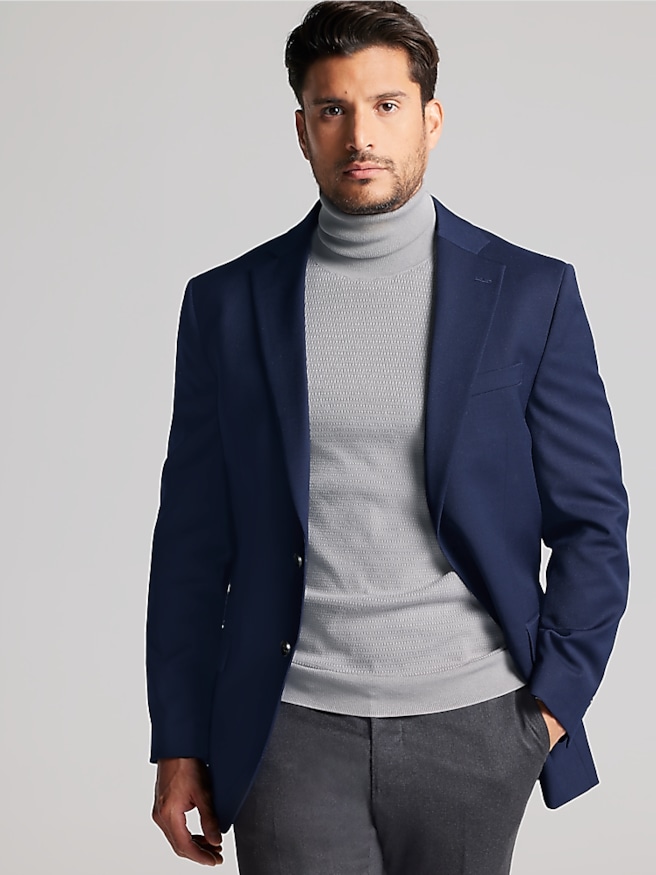
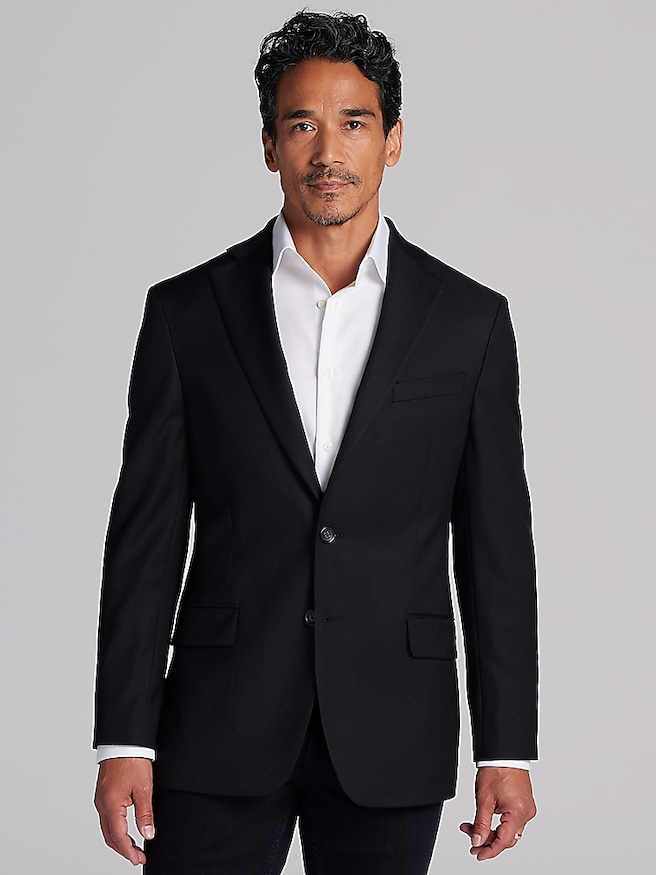
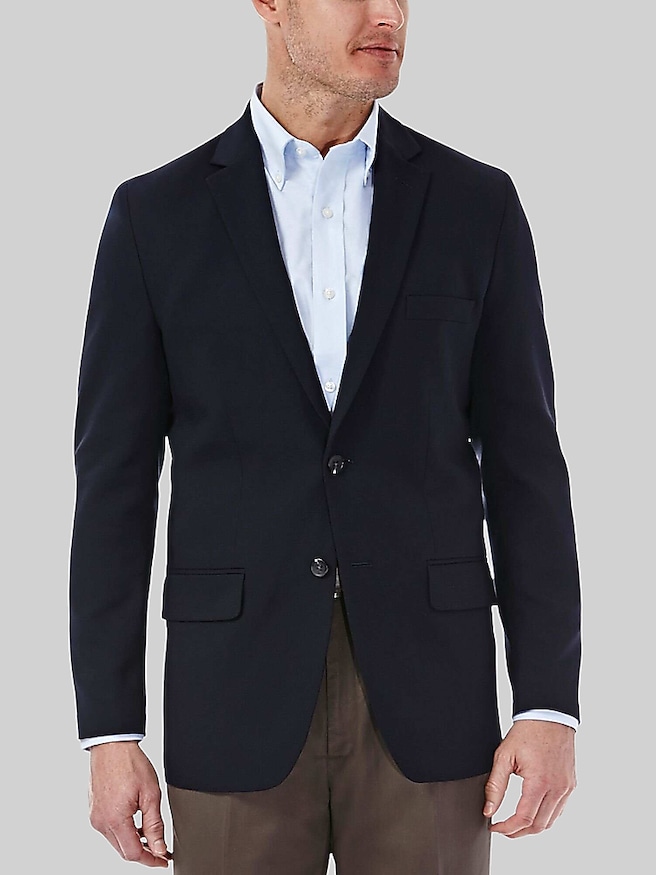
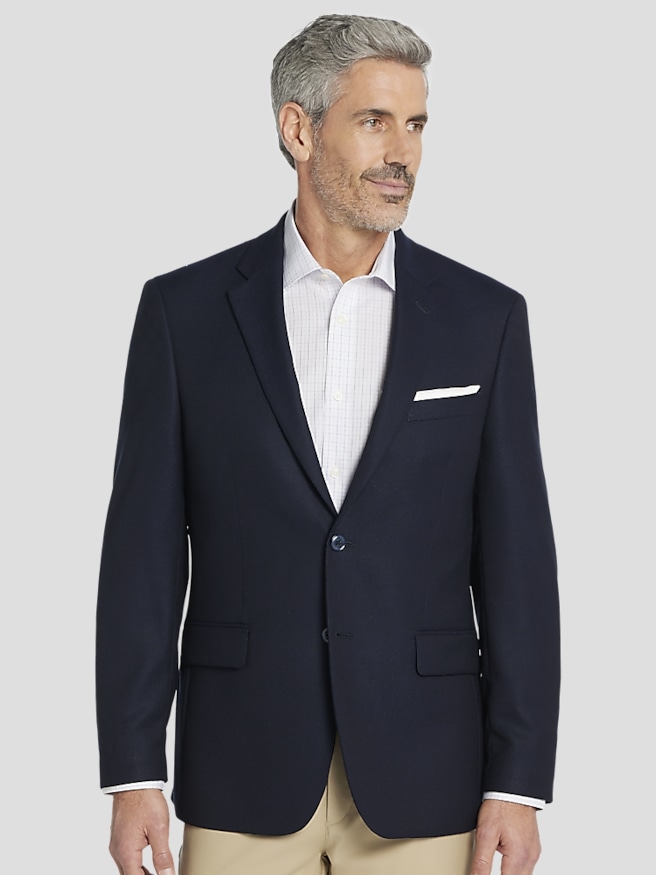
Nautical-inspired big and tall clothing pairs relaxed American sportswear with proportions designed for broader builds, taller frames, or both. Clean lines, familiar blues, and understated patterns create an easygoing look that works for a casual office, a family lunch, or a weekend spent moving between errands and dinner. The appeal is practical as much as visual: clothes should feel comfortable through a full day without looking oversized simply to provide enough room. Big and tall are related fit categories, but they address distinct needs. Big sizing generally adds room through areas such as the chest, waist, seat, and thighs, while tall sizing generally adds length through the body, sleeves, or inseam. Some men need both; others need extra length without additional width, or a fuller cut without longer sleeves. A size label is only part of the picture, since measurements and proportions can vary by garment and cut. In a well-balanced Big & Tall wardrobe, a shoulder seam sits close to the edge of the shoulder, a collar rests comfortably at the neck, and a hem provides coverage without overwhelming the frame. Enough room across the upper back makes reaching for a seat belt easier, while a comfortable rise and sufficient thigh room matter when sitting through a meeting or a long meal. Sleeves that reach the wrist without covering the hands help maintain a neat outline. These details give casual clothing a more considered appearance, whether worn tucked in for a workday or untucked for an informal get-together. A palette built around navy, white, gray, and other versatile shades also makes getting dressed less complicated. Stripes can add interest without requiring elaborate combinations, and restrained details keep the focus on a clean fit. This approach suits men who want dependable everyday style with a maritime influence, rather than an outfit that feels tied to a single setting.
Fabric makes a noticeable difference in how big and tall clothing hangs, moves, and holds its shape. Cotton is valued for its softness and breathability, with texture ranging from smooth jersey to the lightly pebbled surface of piqué. A knit structure generally allows more natural give than a tightly woven fabric, although fiber content and construction both affect the finished feel. Cotton blends can balance a familiar hand with properties such as improved shape retention or reduced wrinkling, depending on their composition. A small amount of stretch can make bending, reaching, and sitting more comfortable, but it should complement a sound fit rather than compensate for clothing that is too tight. Fabric stretched sharply across the chest or thighs can pull at seams and distort the intended silhouette. At the other extreme, excessive fabric may bunch beneath an outer layer or gather around the waist. A comfortable middle ground leaves enough ease for movement while allowing the material to fall cleanly. Fabric weight matters, too: a substantial knit can provide structure, while a lighter fabric may create a softer drape. Neither is automatically better; the right choice depends on the desired feel and intended use. For a desk-to-dinner routine, a collar that lies flat and fabric that stays presentable after sitting can be especially useful. For travel or an active day of errands, freedom through the shoulders and knees becomes more noticeable. Construction supports that everyday usefulness. Even stitching, secure buttons, neatly finished seams, and resilient ribbed edges are meaningful details because these areas experience repeated handling and movement. Layering also works best when the base garment fits correctly on its own. A comfortable sleeve and a smooth shoulder line help an overshirt or casual jacket settle naturally, without pulling or creating bulky folds. Coordinating pieces through color and texture keeps the overall look cohesive without making every element match. A textured neutral beside a simple stripe, for example, gives an outfit depth while preserving the straightforward character of nautical-inspired dressing.
Consistent care helps preserve the qualities that make everyday clothing comfortable in the first place. The care label is the best reference for washing, drying, and ironing because similar-looking fabrics may have distinct requirements. Cotton can shrink with excessive heat, while some blended fabrics need lower temperatures to protect stretch or maintain their finish. When permitted by the label, washing with similar colors, turning garments inside out, and avoiding unnecessary heat can help limit fading and surface wear. Overloading a washer can also increase friction and leave clothing less thoroughly cleaned. A little attention after laundering makes a visible difference: smoothing a collar, reshaping a knit while damp when directed, and folding heavier knits rather than suspending them from narrow hangers can help preserve their intended lines. Small repairs, such as securing a loose button before it comes away, support continued use without changing the character of a favorite garment. These practical considerations are especially relevant for clothing worn repeatedly for work, travel, and relaxed social plans. A familiar fit and an easy-to-coordinate color can make a piece a regular choice rather than something reserved for an occasional outing. Big and tall clothing can also be a thoughtful gift for a father, brother, partner, or friend when personal preferences and measurements are known. A comfortable garment already worn often offers useful clues about preferred sleeve length, body length, neckline, and overall ease. The size alone may not tell the whole story, especially for someone who needs tall proportions but not a fuller torso. Gifts are more personal when they reflect how the recipient actually dresses: understated colors for someone who favors a quiet look, a restrained pattern for someone who enjoys visual interest, or a familiar fabric texture for someone particular about comfort. Across everyday wear and thoughtful gifting, the strongest choices combine appropriate proportions, a pleasing feel, and care requirements that fit comfortably into an established routine.