Modern formal accessories for men bring polish to tailored dressing without making an outfit feel overworked. The most versatile choices tend to follow a simple idea: clean lines, subtle texture, and just enough detail to show intention. A well-chosen accessory can give a familiar suit a sharper point of view, whether the setting is a wedding reception, an evening celebration, a business presentation, or a formal dinner during the cooler months. Cufflinks with geometric profiles and smooth or dual-finish surfaces offer a contemporary alternative to ornate designs, while tie clips and tie bars keep a neckwear knot in place and create a crisp, uninterrupted line down the front of a shirt. Look for a scale that feels proportional to the wearer and the width of the tie; a slim bar usually complements modern tailoring, while an overly large or decorative piece can distract from the rest of the look. Pocket squares add another opportunity for refinement. A crisp white square in linen or a similar lightweight weave remains a dependable choice with navy, charcoal, black, and gray suiting, especially when folded into a clean straight edge. For a more relaxed interpretation, a soft fold and understated texture can add dimension without appearing fussy. The most successful combinations coordinate rather than match exactly: a pocket square may echo a color found in a tie, shirt, or jacket lining, but repeating the same fabric and pattern from head to chest can make the outfit look overly arranged. Accessories are also an easy way to refresh clothing already in the closet. A restrained metal accent, a neatly folded square, or a refined wristwatch can change the impression of a familiar suit while preserving its versatility.
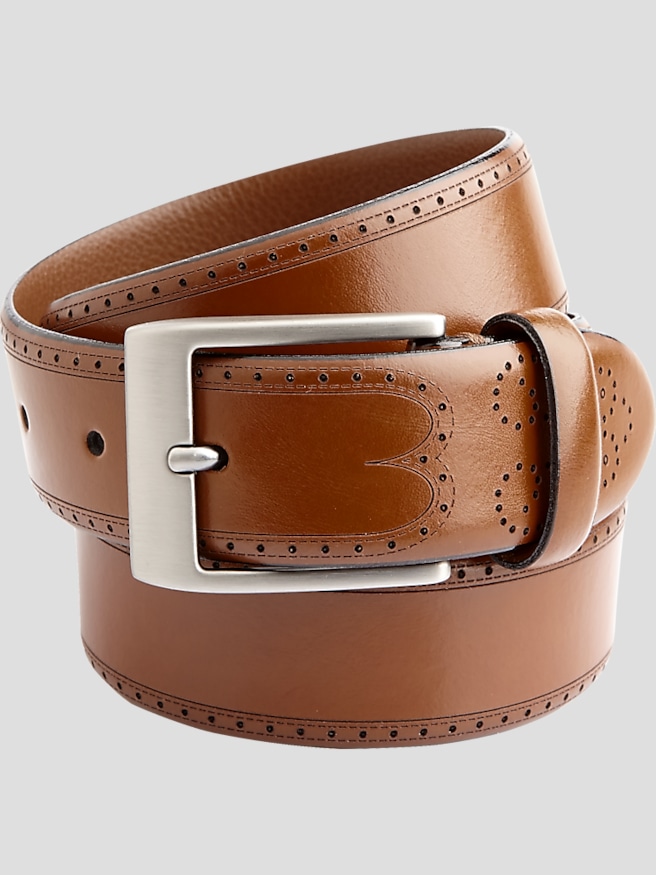
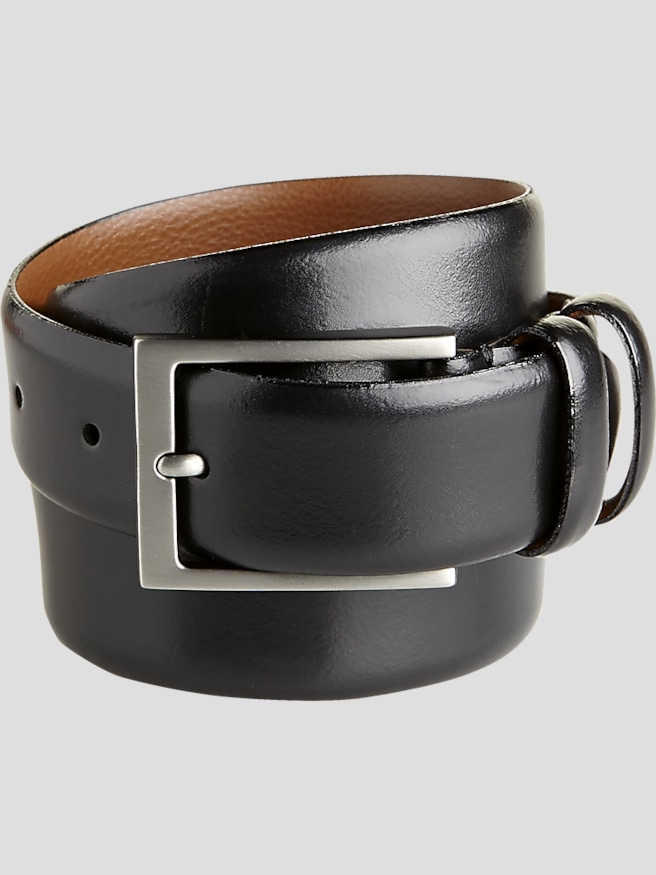
Choosing formal accessories begins with the clothing, the dress code, and the practical demands of the occasion. For a business-formal setting, understated pieces with polished or softly brushed finishes tend to work across meetings, ceremonies, and travel. A simple watch with a clean dial, a proportionate case, and a slim leather strap provides useful timekeeping while maintaining the quiet character of formalwear. Watch size matters: a smaller or medium profile generally sits more comfortably beneath a shirt cuff and keeps the wrist looking balanced with a tailored jacket. Metal coordination helps the entire outfit feel deliberate. Silver-tone details usually pair naturally with one another, as do gold-tone details, so consider the watch case, cufflinks, tie bar, belt buckle, and other visible hardware as parts of the same visual conversation. This does not require perfect uniformity, but a consistent metal family creates an especially clean result. For black-tie occasions, traditional structure remains important. Sleek adjustable braces can support trousers while staying hidden beneath a jacket, and a cummerbund can provide a smooth transition between the shirt and waistband when the dress code calls for one. These pieces should sit comfortably and perform their function without competing with the jacket, bow tie, or shirt front. Fit is just as important for accessories as it is for a suit: a tie clip should sit around the middle of the tie rather than near the knot or hem, a pocket square should hold its shape without bulging, and a watch should feel secure without leaving a tight mark. As the weather warms, lightweight fabrics and breathable textures can make formal dressing more comfortable; as temperatures drop, richer textures and deeper neutral tones can add visual depth while remaining appropriate for polished occasions. For additional ways to build a coordinated wardrobe, explore Men's Modern Accessories.
Modern formal accessories also make thoughtful gifts because they combine personal style with everyday usefulness. A set of refined cufflinks can mark a graduation, promotion, wedding, or milestone birthday, especially when the recipient attends formal events but may not think to update the smaller details of his wardrobe. A tie bar or pocket square can be a practical gift for someone preparing for a ceremony, starting a new role, or building a first collection of dresswear essentials. Watches and other enduring accessories can carry particular meaning when chosen with the recipient’s habits in mind: a minimalist design may suit someone who prefers a quiet, streamlined wardrobe, while a subtle texture or distinctive shape can add character for a man who enjoys details that reveal themselves at close range. When giving accessories, consider the colors already present in his closet. Navy, charcoal, black, white, silver-tone, and soft leather shades tend to travel well between suits and occasions, while brighter colors or bolder patterns are best selected when they reflect a known preference. Formal accessories can also help wedding parties and families create a unified appearance without making everyone look identical. Coordinating metal finishes, pocket-square tones, or waistwear details can establish a polished connection across photographs while leaving room for each person’s individual fit and style. Before wearing any new piece, it helps to try the complete outfit in natural light, fasten each accessory, and check the proportions while standing and sitting. A few minutes of preparation can prevent a tie bar from sitting crooked, a pocket square from disappearing, or a watch from catching on a cuff. The goal is not to fill every available space, but to choose a few well-considered details that make formal clothing feel comfortable, current, and distinctly personal.