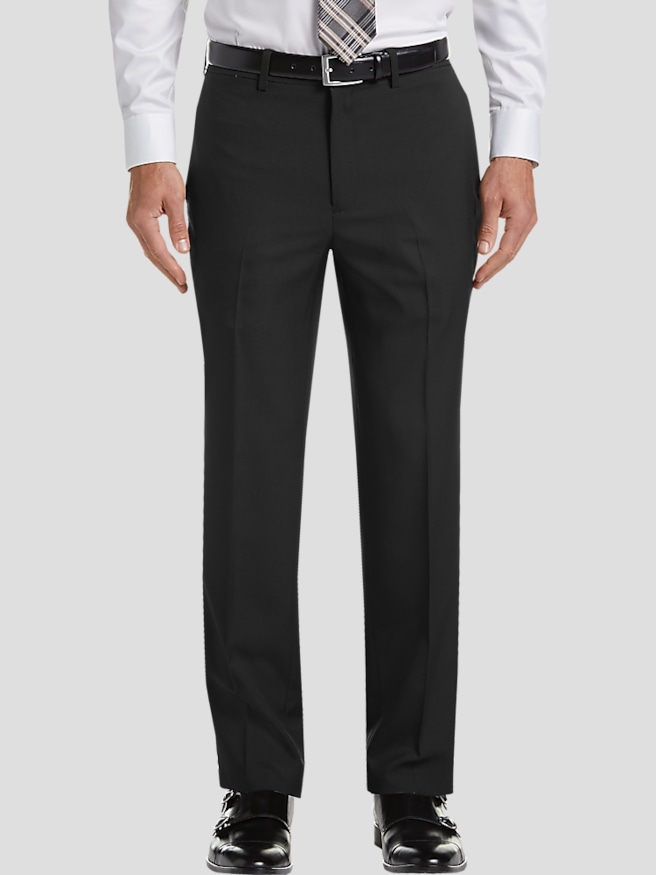
Men’s stretch travel pants combine the clean appearance of everyday trousers with flexibility for long stretches of sitting, walking, and moving between destinations. A useful pair feels comfortable in an airplane seat, holds its shape after a train ride, and looks appropriate when there is no time to change before dinner. The features that matter most are stretch with good recovery, a fit that allows unrestricted movement, and fabric suited to the trip’s activities. Wrinkle resistance, moisture management, and secure pockets can add convenience, but those features depend on the fabric and construction rather than the travel label alone. Polyester and nylon blends are common choices because they can offer durability, relatively low weight, and easier drying than heavier cotton fabrics. Elastane, also called spandex, adds give; the amount of stretch and how effectively the fabric returns to shape depend on the blend and weave, not simply the fiber percentage. Four-way stretch generally allows movement both across and along the fabric, while two-way stretch typically provides flexibility in one direction. Either can work well when paired with the right cut. Cotton-rich stretch pants offer a familiar hand and a more traditional trouser appearance, though drying time and wrinkle behavior vary by construction. A smooth, matte surface often looks more polished with a tucked-in shirt, while a visibly technical fabric gives an outfit a more casual character. Twill has a subtle diagonal texture that brings structure and visual depth without requiring a bold pattern. For a closer look at that fabric category, men’s stretch twill pants share the emphasis on flexible comfort with a familiar woven finish. The most versatile travel trousers balance these qualities rather than relying on a single feature: enough give to reach an overhead compartment, enough structure to keep the knees from looking stretched out, and a finish that works beyond the journey itself.
Fit makes the difference between pants that merely stretch and pants that remain comfortable through a full itinerary. A waistband should sit securely without digging in when seated, and the rise should provide enough room that bending or stepping up does not pull the pants sharply downward. Stretch is helpful, but it is not a substitute for sufficient space through the seat and thighs. Horizontal pulling across the front, pocket openings that flare outward, or fabric that grips the calves can indicate that the cut is too narrow. Slim silhouettes offer a close, streamlined appearance, straight fits provide a more consistent line from thigh to hem, and tapered cuts can leave room above the knee while narrowing toward the ankle. The best match depends on body proportions and preferred styling, not simply the fit name. For travel, the practical test is movement: sitting with both feet on the floor, taking a long stride, and bending to pick up a bag should feel natural. An adjustable or partially elasticized waistband can accommodate changes in posture without giving the entire garment an athletic appearance. A conventional waistband with belt loops may work better for tucked-in shirts and more polished outfits. Hem length matters, too. A slight break can suit loafers or lace-up shoes, while a cleaner hem with little stacking often pairs neatly with low-profile sneakers. Excess fabric around the ankle can look untidy and brush against the ground as luggage moves through a terminal. Pocket placement deserves equal attention. Deep front pockets can keep small essentials seated more securely, and a zippered compartment can help contain a card holder or keys. Closures do not make belongings theft-proof, however, and overfilled pockets can distort an otherwise clean silhouette. Flat seams, a comfortable waistband interior, and pocket bags that stay in place are small construction details that become noticeable over hours of wear. Together, they support a pair of pants that feels considered rather than simply stretchy.
Stretch travel pants fit naturally into wardrobes built around business trips, commutes, road trips, and weekends with plenty of walking. Their appeal is the ability to cover several settings without packing a separate pair for every stop. Navy, charcoal, black, and khaki create straightforward combinations with button-down shirts, polos, knitwear, and unstructured jackets. A restrained pocket layout and a clean front generally make trousers easier to dress up, while cargo details, drawcords, or pronounced seams lean more casual. For a day that begins with a flight and ends at a restaurant, a matte woven pair with a polo and loafers can look composed without feeling stiff. With a button-down and a softly structured jacket, similar trousers can suit many business-casual settings, though formal events and stricter office dress codes may call for traditional dress pants or a suit. Travelers spending much of the day on foot may value abrasion resistance and freedom of movement more than a sharply pressed appearance. Durability depends on more than fabric thickness: secure stitching at pocket corners, sturdy closures, and good stretch recovery help pants stand up to repeated wear. Care is just as important to lasting performance. The garment’s care label should determine wash settings, drying methods, and whether ironing is appropriate. High heat can damage some stretch fibers, and technical finishes may require specific care or the avoidance of fabric softener. A wrinkle-resistant description does not mean wrinkle-proof; folding along existing creases, avoiding an overfilled suitcase, and hanging pants after unpacking can help maintain a neat appearance. Quick-drying performance also varies with fabric weight, airflow, and how thoroughly excess water is removed. These practical details make stretch travel trousers a thoughtful gift for a frequent traveler, a commuter, or someone whose day regularly moves from desk work to an evening out. Knowing the recipient’s waist measurement, inseam, and preferred fit is more useful than choosing by appearance alone. A comfortable cut, dependable fabric, and appropriate care give travel pants their lasting usefulness, both away from home and throughout an ordinary day.