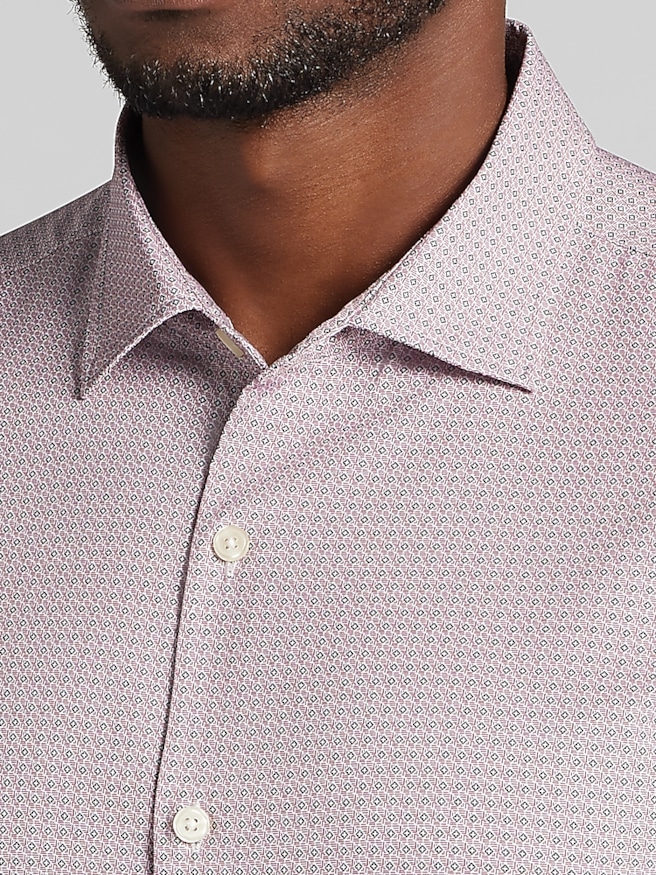
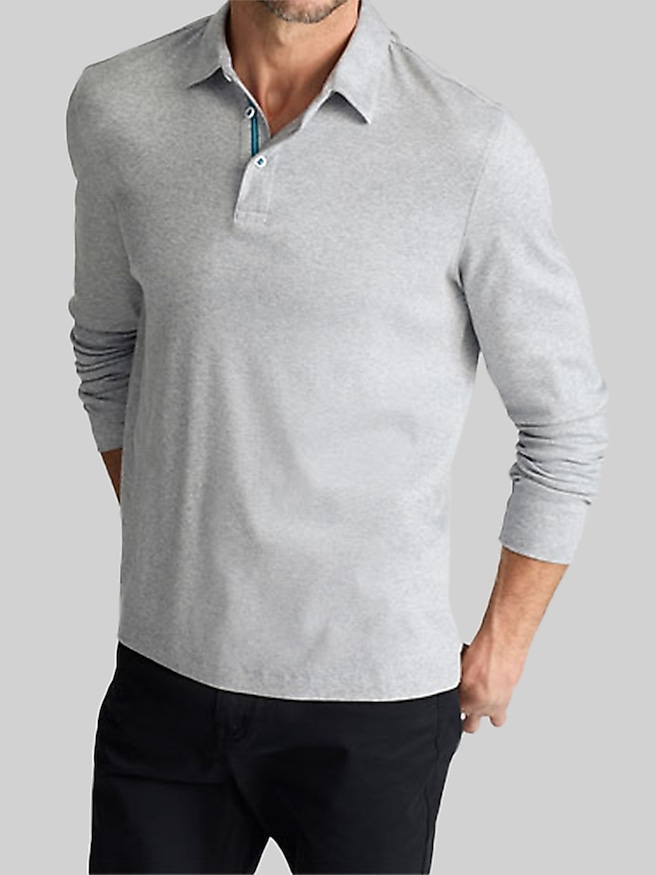
Men's stretch polo shirts combine the familiar shape of a collared, short-sleeve shirt with fabric that gives as the body moves. That flexibility makes them a practical choice for desk work, casual dinners, travel, and activities that involve reaching, bending, or swinging a golf club. Their defining feature is stretch, but the feel and performance of a polo depend on more than that single quality. Cotton-rich blends typically offer a soft, familiar hand, while a small amount of spandex, also called elastane, can add flexibility and help the fabric recover its shape after movement. Polyester and nylon blends may offer a smoother, lighter feel, with some fabrics engineered to move moisture away from the skin or dry quickly. Moisture-wicking and quick-drying properties are not automatic benefits of every stretch polo; those features depend on the fabric and its construction. The knit matters, too. Piqué has a subtly raised, textured surface that gives a polo visual depth and a more substantial appearance. Jersey generally has a smoother face and a softer drape, creating a relaxed look that works naturally with denim or casual trousers. Neither texture alone determines how much a shirt stretches, so fabric composition and construction are useful considerations alongside appearance. Some stretch fabrics give mainly across the body, while four-way stretch fabrics are designed to move both across and along their length. A little flexibility can make a noticeable difference when reaching across a conference table or lifting a bag into an overhead compartment. Collar construction, fabric weight, and the button placket also influence the overall impression. A collar that holds its shape can look tidy under a casual jacket, while a softer collar suits an easygoing outfit. The best match comes down to how the shirt feels against the skin, how it hangs, and what the day is likely to involve.
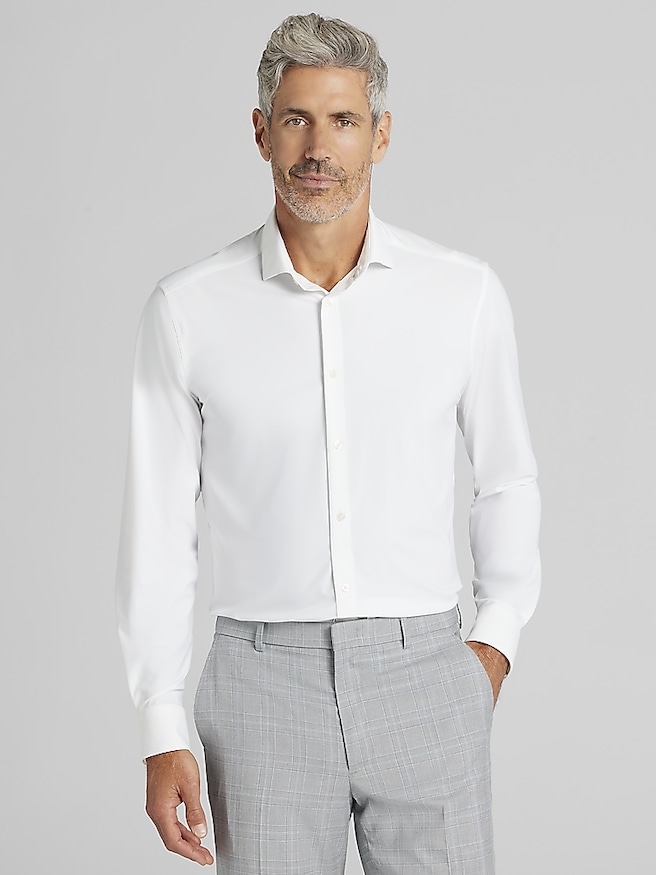
Fit gives a stretch polo its balance between comfort and polish. A shirt can move easily without clinging, and stretch should complement the right size rather than compensate for one that is too small. Shoulder seams generally look cleanest when they sit close to the edge of the shoulders, with enough space through the upper back to reach forward without pulling the placket sideways. Across the chest, the fabric should lie relatively smooth instead of stretching into horizontal lines. Sleeves that follow the upper arm without gripping it create a neat outline, while arm openings with a little breathing room can feel more comfortable through a full day. Slim fits usually sit closer through the chest and waist; classic or regular fits generally allow more room through the torso. Athletic cuts may provide additional space through the shoulders with a narrower waist, although fit names and proportions vary. Measurements and the way a shirt actually hangs are more useful than a fit label alone. Length deserves equal attention. An untucked polo often looks balanced when the hem covers the waistband without extending so far that it visually shortens the legs. A tucked-in polo needs enough length to stay secure when sitting or reaching. Side vents can help the hem move more freely, especially over the hips. For a casual workplace that permits polos, a clean collar and well-proportioned fit pair naturally with chinos, a simple belt, and loafers. Dark denim and sneakers create a more relaxed combination, while tailored trousers can make a smooth-knit polo feel more refined. Solid colors keep the focus on fit and texture; subtle stripes or small patterns add interest without dominating an outfit. The same attention to shoulder placement, torso room, and length applies to men's stretch shirts in other collar and front-closure styles. A polo is especially useful when a T-shirt feels too casual but a traditional button-front shirt feels unnecessary.
Durability depends on the quality of the fabric and construction, along with how a stretch polo is worn and cared for. Even stitching, secure buttons, and a neatly finished placket are practical details because these areas receive repeated handling. Fabric recovery matters as much as initial softness: a shirt should have enough resilience to settle back into shape rather than remain stretched at the elbows, hem, or button opening. Friction from backpack straps, seat belts, and repeated contact with a desk can contribute to surface wear, and some fabrics may develop pilling over time. Care should always follow the garment label, since cotton-rich knits and performance blends can have different requirements. Many polos can be machine washed, but water temperature, drying method, and ironing instructions vary. Turning a shirt inside out and washing it with similar colors can help protect its surface and appearance. High heat can be hard on elastic fibers, so the label's drying guidance is particularly important for stretch fabrics. Fabric softener may interfere with moisture-management finishes on some performance shirts and is best used only when the care instructions permit it. Promptly removing a shirt after washing or drying can reduce creasing, while gently reshaping the collar and placket helps preserve a tidy finish. Folding neatly or using a supportive hanger can also prevent unnecessary distortion between wears. These everyday details matter for someone who reaches for polos repeatedly, whether for office days, road trips, casual gatherings, or time on the course. A stretch polo can also be a thoughtful birthday or graduation gift for a father, brother, partner, or friend whose wardrobe leans toward comfortable, collared shirts. Familiar colors, a preferred fit, and an easy-care fabric are useful starting points when choosing for someone else. The lasting appeal is straightforward: the recognizable polish of a polo, with enough flexibility to move naturally through ordinary plans.