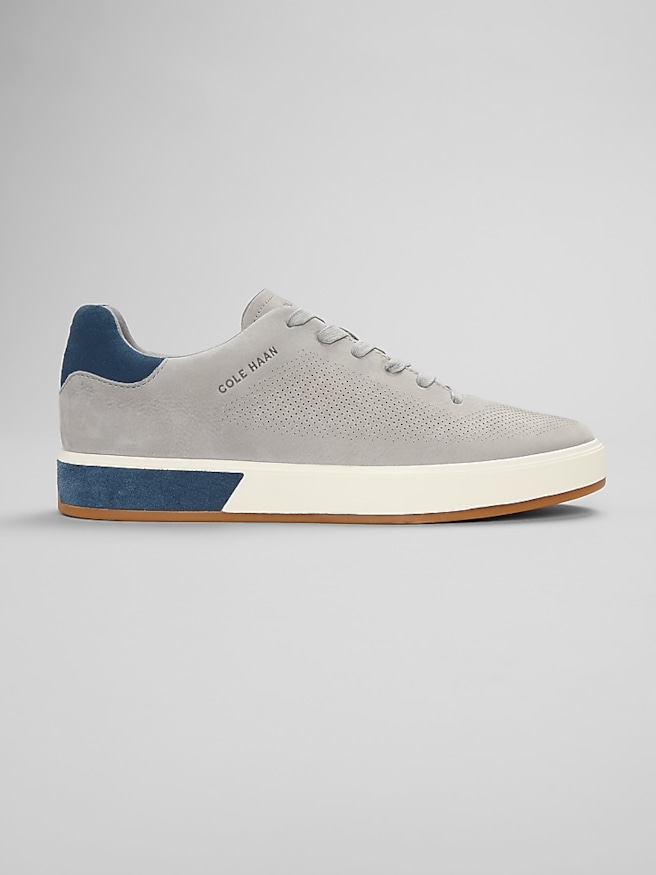
Men’s size 10.5 sneakers bring together everyday comfort and a relaxed finish that works with jeans, chinos, joggers, and casual tailoring. In U.S. sizing, 10.5 is a half size between 10 and 11, but the number alone does not describe how a sneaker will feel. The shape of the toe box, the height over the instep, the heel construction, and the width all contribute to the fit. A streamlined leather sneaker can feel more structured than a knit style carrying the same size designation, while a padded athletic silhouette may take up more space around the ankle. For everyday wear, a comfortable fit generally leaves about a thumb’s width between the longest toe and the front of the shoe, with enough room to move the toes without the foot sliding forward. The heel should feel secure rather than lift noticeably with each step, and the upper should not squeeze the sides of the forefoot. Standard men’s width is commonly marked D; wide and extra-wide designations vary by maker, so a size chart is more useful than assuming every width label means the same thing. U.S. men’s size 10.5 often corresponds to an EU 44 or 44.5, although international conversions are not universal. Foot-length measurements and the maker’s own chart provide a stronger basis for comparison than a generic conversion alone. Socks matter, too: the pair worn for a commute or a full day on foot should leave comfortable space inside the shoe without bunching under the arch. Someone who usually wears 10.5 in dress shoes may still need to assess sneaker sizing separately because the internal shape and padding can change the feel. The aim is a shoe that feels settled from the first few steps, whether those steps lead through an office lobby, across a campus, or into a weekend gathering with friends.
Materials give size 10.5 sneakers much of their character, influencing everything from their weight to how easily they wipe clean. Smooth leather offers a neat, substantial appearance that pairs naturally with flat-front chinos and an unstructured jacket. It can soften with wear, but a tight leather upper should not be expected to stretch enough to correct a poor fit. Suede has a softer, textured look that complements denim and casual trousers, though it needs more attention around spills and surface marks. Canvas keeps the overall effect easygoing, while mesh and knit uppers often allow more airflow and a less structured feel. Synthetic panels can add reinforcement at high-contact areas, including the toe and heel. Inside the shoe, a smooth lining, well-placed seams, and a padded collar can make a noticeable difference over several hours of wear. Underfoot comfort depends on more than softness: the midsole should cushion each step while providing a stable platform, and the outsole should suit the surfaces and movements involved. Rubber tread can help with grip, but traction varies with the tread pattern, compound, and floor surface. A flexible forefoot can feel natural for walking, while a firmer base may be better suited to some strength-training movements. Casual sneakers, walking shoes, running shoes, and training shoes are not interchangeable simply because they share a sporty appearance. Purpose-built running footwear is designed around repeated forward motion; training footwear may emphasize lateral support and stability. For errands, travel days, and casual workplaces, everyday sneakers often put the emphasis on wearable cushioning and versatile styling. Low-profile shapes look clean beneath a straight or gently tapered pant leg, while fuller silhouettes balance relaxed denim and joggers. White and cream create a crisp contrast, black keeps an outfit understated, and gray or navy can blend easily into a familiar rotation of casual clothes. The best match connects the shoe’s construction with how it will actually be worn, rather than relying on appearance alone.
Durability in men’s size 10.5 sneakers comes from a combination of construction, appropriate use, and routine care. Reinforcement around lace holes, tidy stitching, securely joined soles, and substantial rubber in high-wear areas are useful details to notice. No single material guarantees a long life, and even a sturdy upper cannot prevent cushioning from compressing with repeated use. Uneven tread, a heel that has lost its structure, or a midsole that no longer feels supportive can signal that a familiar pair is ready to leave the daily rotation. Letting shoes air out between wears and loosening the laces before taking them off helps preserve their shape and reduces stress on the heel collar. Cleaning should follow the material and the care label. Smooth leather generally benefits from a soft cloth and a cleaner intended for leather; suede calls for a suitable brush and a lighter touch. Canvas, mesh, and knit may respond well to gentle spot cleaning, but machine washing should never be assumed safe. Excessive soaking and direct heat can affect adhesives, finishes, and shape, so drying naturally in a ventilated space is usually the safer approach. Removable insoles, when included, can make airing out and cleaning easier, and anyone using an orthotic should check that the shoe has enough internal depth to accommodate it without crowding the foot. Sneakers can also make a practical gift for a partner, parent, graduate, or friend whose everyday style leans casual. Knowing the recipient’s usual sneaker size, width, preferred colors, and typical activities makes the choice more personal than relying on a size number alone. A size marked inside a frequently worn pair offers a useful starting point, though fit can still vary across footwear. When shopping for someone who wears a larger size, Men's Size 13 Sneakers provides a separate size-focused starting point. For a size 10.5 wearer, thoughtful proportions, comfortable construction, and materials suited to daily routines are what turn sneakers into a dependable part of getting dressed.