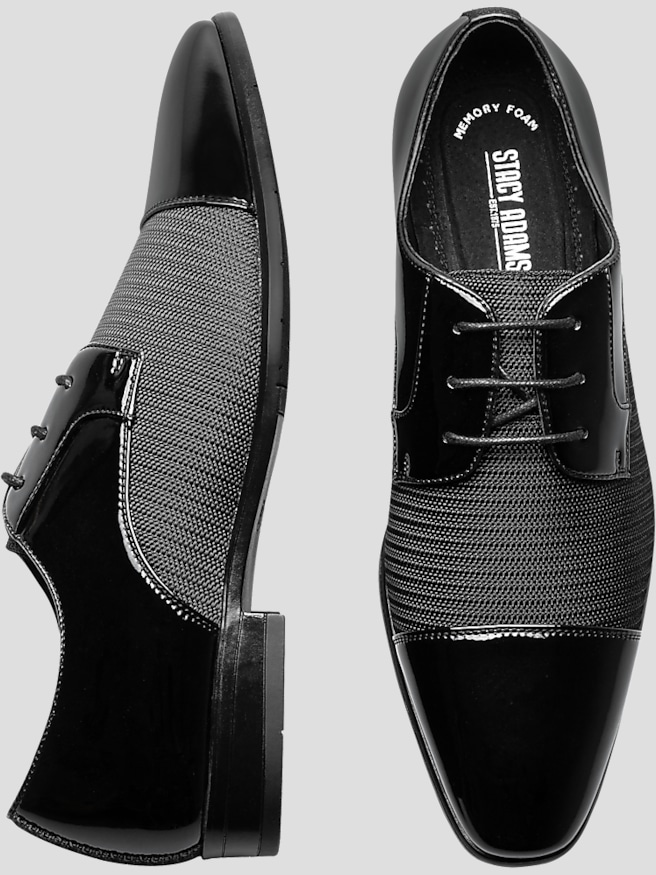
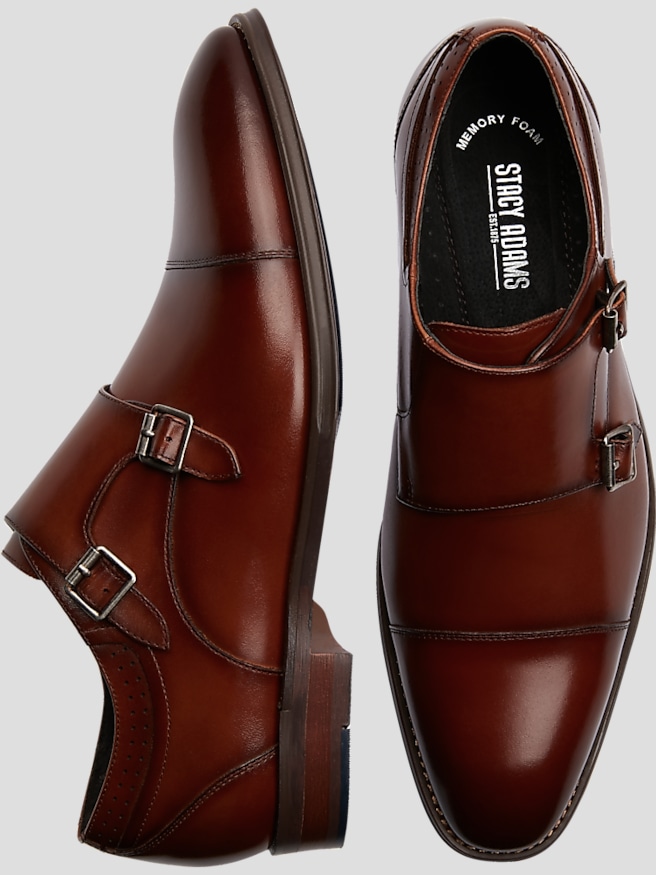
Men’s party shoes bring an outfit into focus, whether the occasion calls for a tuxedo, a tailored suit, or trousers and an open-collar shirt. The right pair looks at home beneath a clean trouser hem and feels appropriate from the first handshake to the last turn on the dance floor. Shape, finish, and detailing all influence that impression. A sleek Oxford, with its closed lacing and restrained profile, has the formality to complement a dark suit at an evening reception. A Derby offers a slightly more relaxed appearance, while a loafer can lend character to cocktail attire without making the outfit feel overworked. Monk straps offer another way to introduce detail, particularly when the rest of the look stays simple. Smooth black leather creates a crisp foundation for formal dressing; brown and burgundy tones can bring depth to navy, gray, and earth-toned tailoring when the dress code allows. Patent leather has a reflective finish associated with tuxedo dressing, while velvet adds a softer visual richness suited to celebratory settings. Suede offers texture with less shine and often works best at gatherings where the mood is polished rather than strictly formal. These distinctions matter most in the context of the whole outfit. Shoes with a broad, substantial shape can look unbalanced under very narrow trousers, just as an extremely tapered toe may feel out of step with relaxed tailoring. A balanced silhouette usually does more for an outfit than conspicuous decoration. For a wedding guest, that might mean understated lace-ups that complement a suit without competing with it. For a birthday dinner or an anniversary celebration, a refined slip-on can supply enough personality alongside a textured jacket. When the invitation points toward a festive evening with elevated attire, men’s luxury holiday party footwear offers a related direction to explore. The goal is footwear that belongs to the occasion while still feeling like a natural extension of the person wearing it.
Comfort deserves as much attention as appearance, especially at events that involve standing through introductions, walking between spaces, and spending several hours away from a seat. Fit begins with the relationship between the foot and the shoe’s shape, not simply the size printed inside. Toes need room to rest naturally without pressing against the sides, and the widest part of the foot should sit comfortably within the widest part of the shoe. The heel should feel secure rather than repeatedly lifting and rubbing with each step. A little firmness in new leather is not the same as painful pressure; pinching across the forefoot or crowding at the toes should not be dismissed as something that wear will necessarily fix. Trying party shoes with the socks intended for the occasion helps reveal the actual fit, particularly with close-fitting lace-ups and loafers. Anyone planning to use an orthotic should account for that extra space as well. Lace-up styles allow some adjustment across the instep, while slip-ons depend more heavily on a close match between the foot and the shoe’s proportions. Inside, smooth linings, well-finished seams, and cushioning beneath the heel and forefoot can make a noticeable difference during a long reception. Leather uppers may gradually soften and conform with wear, while synthetic materials vary in flexibility and breathability. Outsole construction also changes the experience underfoot. Leather soles can create a slim, traditional profile, though smooth surfaces may offer limited grip. Rubber soles or discreet rubber inserts can provide additional traction, depending on their design and the floor beneath them. A flexible forefoot helps the shoe move through a normal stride, while a stable heel keeps the stance feeling grounded. For someone moving from a seated dinner to a crowded dance floor, those practical qualities matter more than an impressive first glance. Wearing a pair indoors before an event can help identify friction points and confirm that the shoes remain comfortable beyond a brief fitting.
Well-chosen party footwear can serve across many celebrations, so materials and construction deserve consideration beyond a single invitation. Smooth leather is a versatile option because its appearance can often be refreshed with appropriate cleaning, conditioning, and polish. Surface creasing is a normal result of movement, but keeping leather clean and avoiding excessive dryness helps preserve its flexibility. Suede needs a different routine: a suitable brush can lift the nap and remove light surface dust without flattening its texture. Velvet benefits from gentle handling and care that follows the maker’s instructions, while patent finishes generally need a soft cloth and a cleaner intended for that surface rather than ordinary shoe polish. Care products should always be tested on an inconspicuous area first. After an event, removing dust and allowing shoes to air out before storage helps keep the interior and exterior in better condition. Properly sized shoe trees can support the shape of leather footwear between wears, and separate storage bags help prevent polished surfaces from rubbing against other shoes. Direct heat is not a shortcut for drying damp footwear, since it can damage materials and adhesives. Durability also depends on details that are easy to overlook in a photograph: secure heel attachment, even stitching, neatly finished edges, and a sole appropriate for the amount of walking expected. Some construction methods allow a cobbler to replace worn soles or heels, though repair options vary. For frequent hosts, wedding guests, and anyone whose calendar includes formal dinners or milestone celebrations, an understated shape can make repeat wear especially straightforward. The same polished lace-ups may work with several suits, while a textured loafer can become a distinctive choice for less formal evenings. Party shoes can also make a thoughtful gift for a graduate building a dress wardrobe or someone preparing for an important celebration, provided the recipient’s size, width, and style preferences are known. Their lasting value lies in that combination of useful versatility and personal fit: shoes that look considered, feel secure, and are ready to take their place in the next memorable outfit.