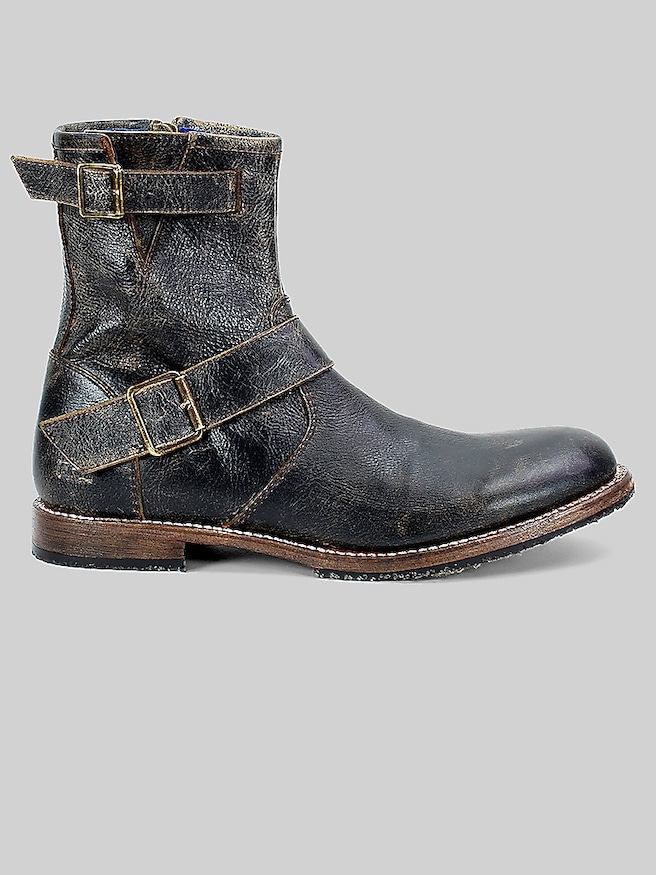
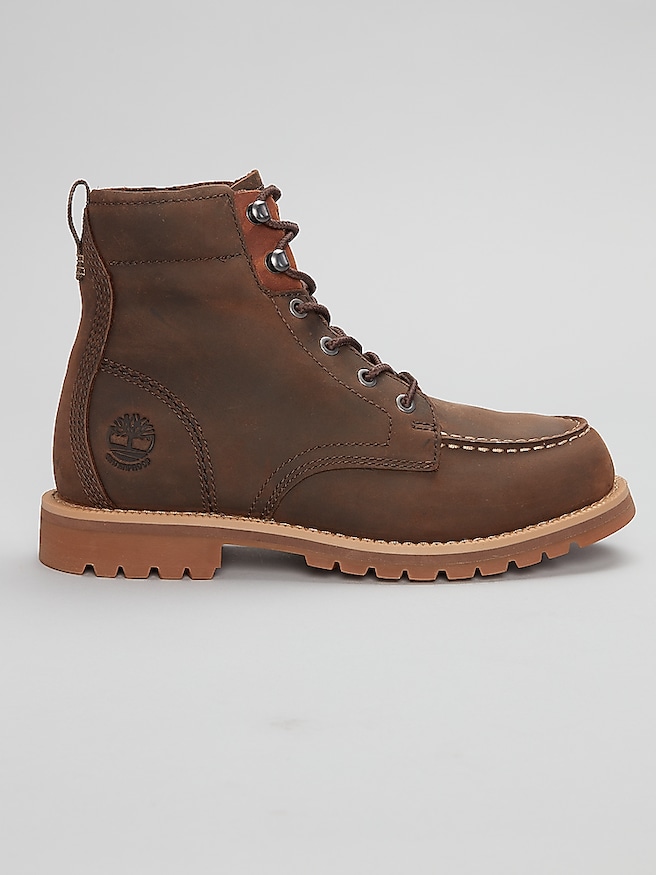
Men's luxury Chelsea boots pair the clean lines of a dress shoe with the coverage and easy pull-on shape of an ankle boot. Their defining features are elastic side panels, an ankle-height shaft, and a lace-free upper that keeps the profile uncluttered. The appeal lies in the details: leather with depth and character, balanced proportions, neatly finished edges, and a shape that works beneath both tailored pants and denim. Smooth calfskin can create a particularly sleek appearance, while full-grain leather retains the surface grain and may develop a distinctive patina with wear. Suede brings a softer, matte texture that sits comfortably alongside brushed cotton, textured tailoring, and dark jeans. Neither finish alone determines quality; the selection of the hide, the precision of the construction, and the finishing all contribute to how a boot looks and wears. Black leather tends to create the most formal impression, especially with a slim sole and a softly tapered toe. Dark brown offers richness without looking overly dressy, while lighter brown and suede finishes lend themselves to more relaxed combinations. Subtle burnishing can add dimension at the toe and heel, though a consistent finish can be equally sophisticated. Toe shape also changes the character of the boot. An almond toe creates a streamlined line beneath narrower pant openings, while a rounded toe gives the silhouette a little more visual weight. A low, well-proportioned heel generally feels more understated than a pronounced heel or an exaggerated sole. For office days, dinners, and celebrations with a smart dress code, these distinctions help Chelsea boots bridge the space between dress shoes and casual footwear. They can complement a suit when the setting allows, but they are not automatically a substitute for the footwear expected with strict black-tie attire. The most convincing luxury look is often quiet: supple material, careful stitching, and a silhouette that feels intentional rather than heavily decorated.
Fit gives that polished appearance its foundation. Because Chelsea boots have no laces to adjust, the relationship between the heel, instep, and elastic panels matters especially. A well-fitting pair should feel secure through the midfoot without squeezing across the ball of the foot or pressing sharply over the instep. The toes need room to move, and the heel should remain controlled during a normal stride. A small amount of initial heel movement can occur in some constructions, but repeated lifting, rubbing, or sliding forward suggests that the shape or size is not right. Leather may soften and conform with use, but a boot that is painfully tight is not a sound starting point. Elastic should make entry easier and then recover its shape, rather than remain visibly stretched while the boot is being worn. Sock thickness affects the fit, too; the socks intended for daily wear provide a more useful reference than an unusually thick or thin pair. Interior finishing deserves as much attention as the upper. Smooth linings, unobtrusive seams, and a supportive footbed can make a meaningful difference on a day that moves from a commute to a desk and then to dinner. Outsole construction brings another set of trade-offs. Leather soles can create a slim, traditional appearance, while rubber soles may provide more cushioning or traction, depending on the compound and tread. A heavier lug sole changes both the visual balance and the underfoot feel, making the boot read more casually. Welted construction can make sole replacement possible when the rest of the boot remains sound, although repair options depend on the particular construction and a cobbler's assessment. Bonded construction can produce a lighter, flexible boot, but repairability varies. No single construction method guarantees comfort or longevity. Consistent stitching, clean joins, well-attached heels, and resilient elastic are useful signs of attention to detail, while comfort ultimately depends on how the entire boot works with the wearer's foot.
In a wardrobe, luxury Chelsea boots earn their place through repeated use rather than elaborate styling. A smooth black pair beneath charcoal dress pants creates a continuous line, especially when the hem rests lightly above the vamp instead of bunching around the shaft. Brown leather works naturally with navy trousers, an Oxford shirt, and an unstructured jacket; suede can soften the same combination or bring texture to straight-leg denim and a fine-knit sweater. The pant opening should settle over the boot without catching awkwardly on the shaft. Too much fabric can hide the shape, while an extremely narrow opening may pull against it. For someone moving between a business-casual office, a restaurant reservation, and a family gathering, that balance makes the silhouette especially useful. Long-term appearance depends on care suited to the material. Smooth leather benefits from regular removal of surface dust with a soft cloth or brush, followed by an appropriate conditioner when the leather needs it. Polish can restore color and sheen, but heavy buildup can obscure the natural character of the hide. Suede needs a dedicated brush to lift the nap, with stain treatments chosen specifically for suede rather than products intended for smooth leather. Any unfamiliar treatment is best tested on a discreet area first. Boots should dry naturally away from direct heat, and a shoehorn can reduce strain on the heel during entry. Properly sized shoe trees help support the shape between wears, while allowing time between outings gives the interior a chance to dry fully. Early attention to worn heel edges, loose stitching, or tired elastic can keep small issues from becoming larger repairs. As a gift for a partner, family member, or close friend, Chelsea boots make the most sense when the recipient's size, fit preferences, and usual clothing are well understood. For another interpretation of the pull-on silhouette, explore Men's Winter Chelsea Boots. Across dressier and more relaxed wardrobes, thoughtful proportions and attentive upkeep give these boots their lasting appeal.