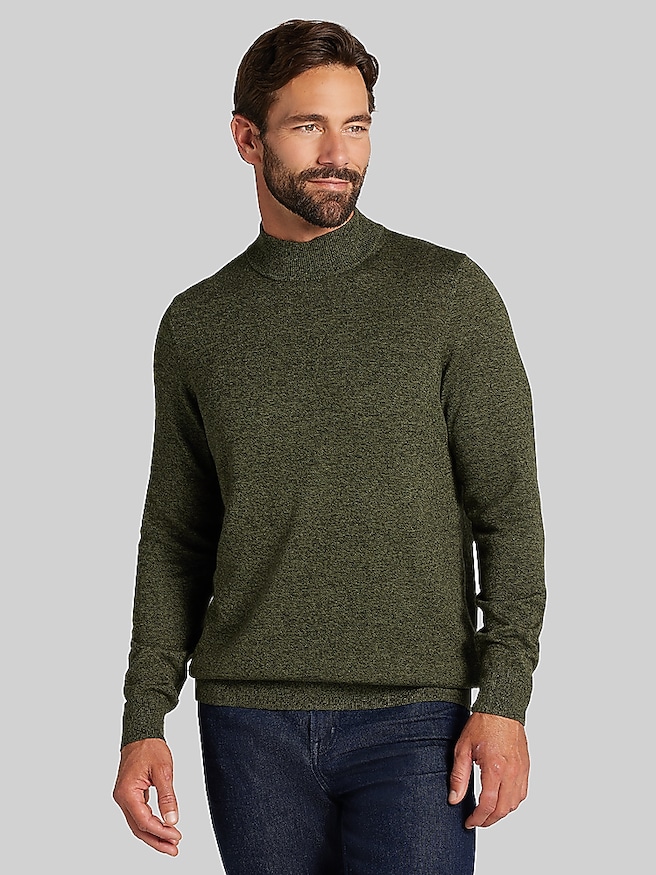
Lightweight button-front cardigans are knit sweaters with a full button opening, designed to add texture and a finished layer without the bulk of a substantial knit. Their appeal comes from that simple construction: the front can sit open over a T-shirt, close neatly over a dress shirt, or button partway for a more relaxed look. For men who move between business-casual offices, casual dinners, and everyday plans, a lightweight cardigan offers an alternative to both a pullover and a structured jacket. Fabric and knit construction shape how it feels and drapes. Cotton often has a soft, familiar hand and a comparatively matte surface, making it easy to combine with denim, chinos, and casual shirts. Fine-gauge merino wool can produce a smooth, supple layer with natural resilience, while blends may combine softness with added stretch or shape retention. Silk in a blend can lend a subtle sheen and fluid drape; synthetic fibers can contribute strength and help a knit recover after wear. No single fiber guarantees a lighter garment, though. Yarn thickness, stitch structure, and the amount of fabric all influence weight and bulk. Fine-gauge knitting generally creates a smoother, less pronounced texture than chunky knitting, which helps a cardigan sit comfortably under a jacket. A small rib, a smooth knit surface, or a restrained textured stitch can each give the same basic silhouette a distinct character. The button band matters visually, too: a narrow, tidy placket keeps the front understated, while more noticeable buttons give a simple sweater added definition. V-neck designs leave room for a shirt collar and tie, and higher necklines create a more enclosed frame around a crewneck tee. These details make lightweight button-front cardigans useful for building outfits that look considered without feeling formal, whether the goal is a polished desk-to-dinner combination or an easy layer for an afternoon gathering.
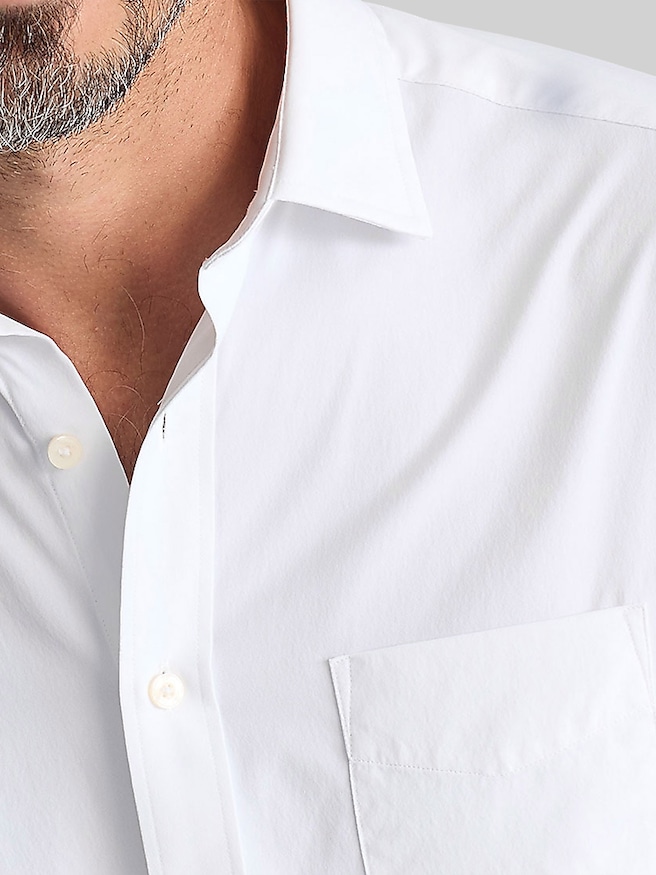
Fit has as much influence on a cardigan’s appearance as its fabric. A close fit should follow the torso without stretching across the chest or pulling the button band into gaps. A relaxed fit leaves more space through the body, but the shoulders and sleeves still need enough definition to keep the sweater from looking oversized by accident. Shoulder seams that sit near the shoulder’s edge, sleeves that finish around the wrist, and a hem that rests near the hips create balanced proportions for many everyday outfits. The layer underneath affects that balance: a thin T-shirt takes up less room than a woven shirt, and a cardigan intended to fit over either should allow comfortable movement through the upper arms and back. Sitting at a desk, reaching for a bag, and bending the elbows can reveal tension that is not obvious while standing still. Ribbed cuffs and hems can help establish a clean outline, although a very tight hem may cause fabric to gather above the waistband. For office settings, a smooth cardigan over an oxford shirt with flat-front trousers creates a softer alternative to a blazer while maintaining clear lines. Pairing a cardigan with Lightweight Button Up Shirts brings together two low-bulk layers, with the shirt collar providing structure against the knit. A solid crewneck tee, dark jeans, and simple leather shoes take the same silhouette in a more casual direction. Navy, charcoal, black, and muted earth tones are easy to repeat across a wardrobe, while a lighter neutral can create a distinct contrast with darker trousers. The cardigan does not need to match every other piece; repeating one color elsewhere in the outfit is often enough to make the combination feel connected. Buttoning the middle portion can define the front without closing the neckline completely, and leaving the lowest button undone may help the hem fall more naturally over the hips. Worn open, the vertical edges frame the shirt beneath and keep the overall look relaxed.
Good construction and thoughtful care help a lightweight cardigan retain its shape and appearance through repeated wear. Even stitching, securely attached buttons, neatly finished buttonholes, and a placket that lies flat are useful details to notice. The knit should feel consistent rather than noticeably thin at stress points, particularly around the underarms, cuffs, and button attachments. Lightweight does not have to mean fragile, but fine yarns can catch on rough surfaces, bag hardware, or exposed fasteners. A close, even knit may be less prone to snagging than a loose, open structure, while fiber content and yarn quality also affect long-term performance. Some surface pilling can occur as fibers rub together, especially along the sides and beneath the arms; it is not, by itself, proof that a sweater is poorly made. Gentle removal with an appropriate sweater-care tool can improve the surface without pulling at the yarn. The care label remains the best reference because cotton, wool, and blended knits can require different washing and drying methods. Where washing is permitted, gentle handling and proper reshaping help protect the garment’s proportions. Hanging a wet knit can stretch the shoulders and lengthen the body, so flat drying is often appropriate when the label calls for it. Folding for storage also reduces the chance of hanger marks, particularly in softer constructions. For travel, a smoothly folded cardigan can slip into a bag as an extra outfit layer, with buttons protected from catching on nearby accessories. Its usefulness also makes it a thoughtful gift for a father, partner, brother, or friend who appreciates clothing that works across several settings. Familiar colors, a preferred neckline, and a fit similar to sweaters the recipient already enjoys are more dependable choices than an unfamiliar silhouette. From a weekday meeting to a family dinner or a casual celebration, a well-fitting lightweight button-front cardigan brings together the comfort of knitwear and the flexibility of an open-front layer, earning a place in a wardrobe through repeat use rather than elaborate styling.