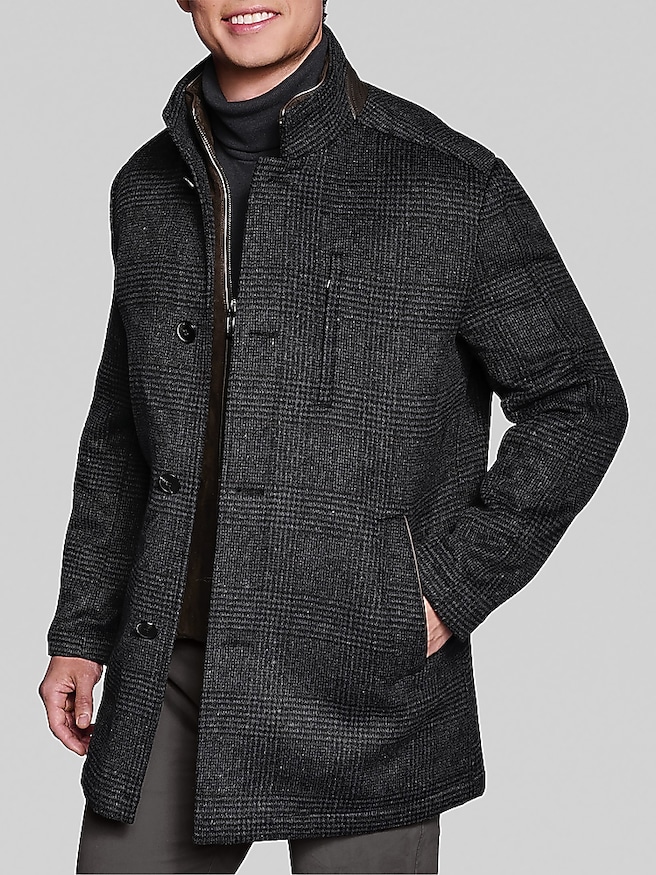
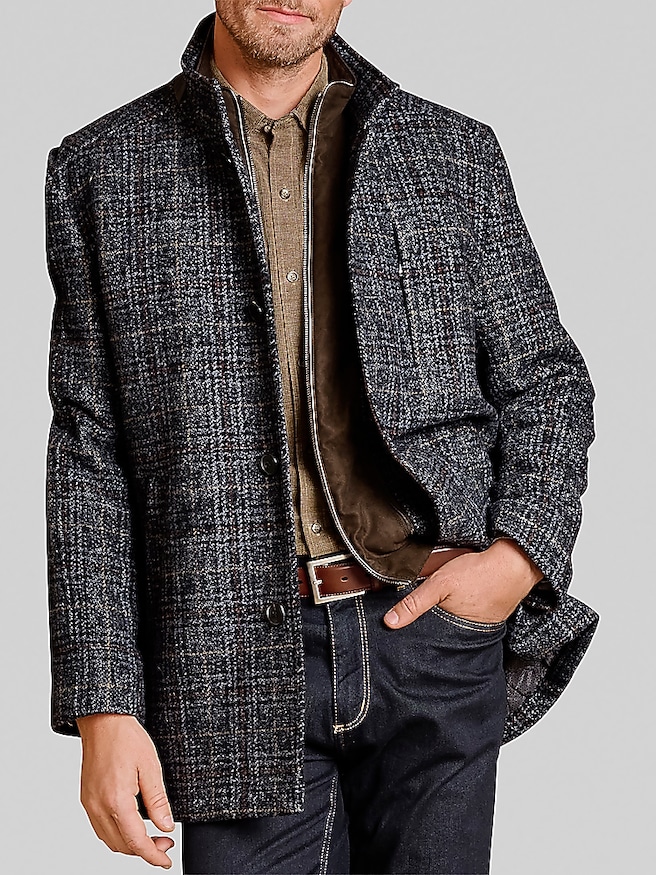
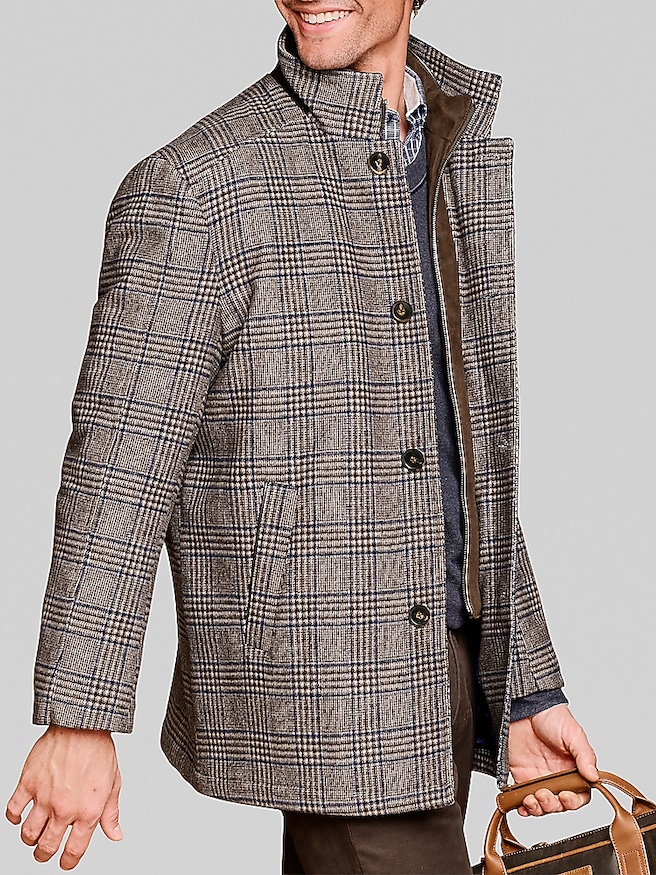
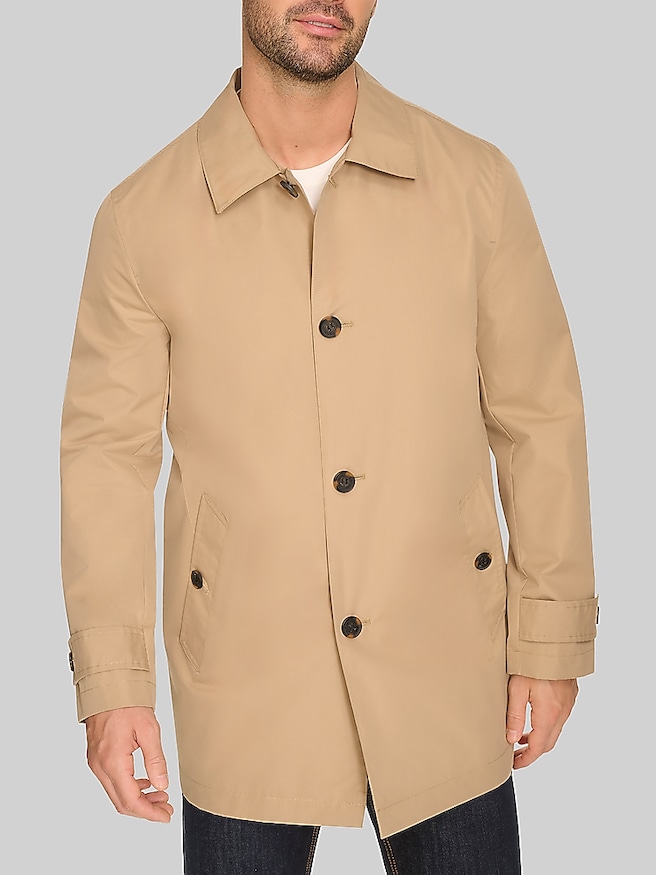
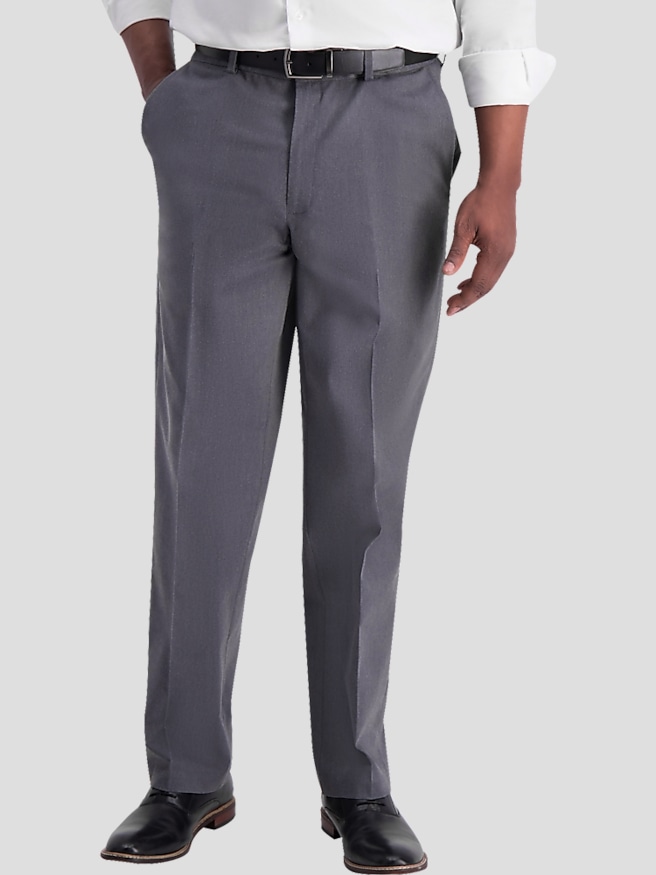
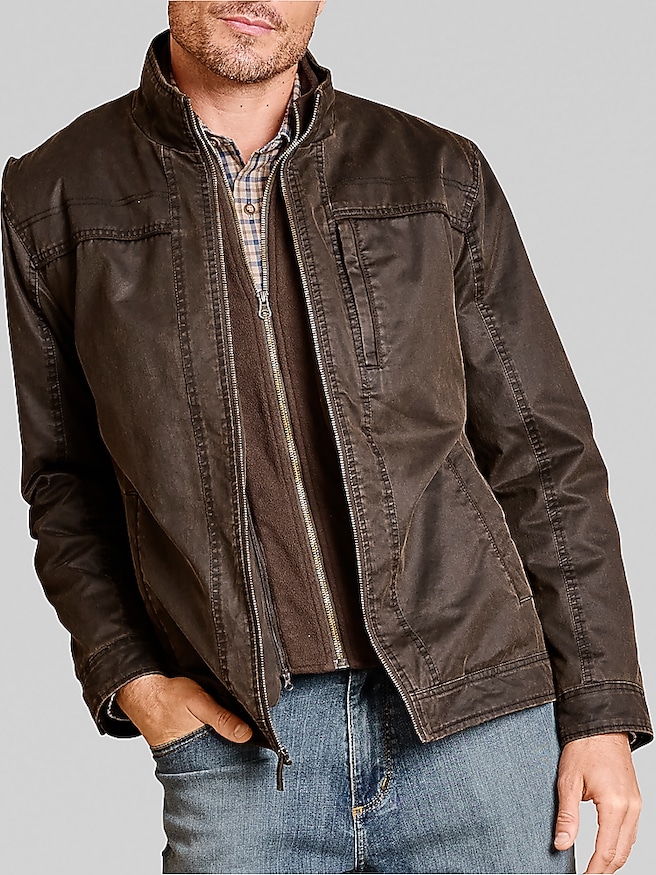
Men’s khaki jackets bring a softer neutral into a wardrobe built around navy, gray, black, and denim. The color can lean sandy and pale, carry a warm golden cast, or sit closer to a muted earth tone, giving each jacket a distinct character without making it difficult to wear. Khaki also describes a color rather than a single fabric or silhouette, so the category spans everything from relaxed outer layers to more tailored shapes. A clean, structured jacket can sharpen the look of dark jeans and a button-down shirt, while an unstructured style feels at home over a knit polo or a lightweight sweater. For an office with a business-casual dress code, khaki offers an alternative to darker jackets that still looks composed beside charcoal trousers and brown leather shoes. For a weekend lunch, a long drive, or an evening gathering, the same neutral works easily with an Oxford shirt, dark denim, and boots. Texture helps set the mood: a smooth surface reads a little neater, while a softly brushed finish or visible weave gives the outfit a more relaxed feel. Contrast matters, too. Navy trousers make a light khaki jacket stand out clearly, while olive, cream, and deeper brown create a quieter combination. Wearing khaki above and below can work, but a noticeable difference in shade or texture keeps the outfit from looking like an almost-matching suit. A crisp white shirt adds brightness near the face; burgundy or forest green introduces color without overpowering the jacket. For a deeper neutral with a similarly versatile character, men’s brown jackets offer another direction for outfits built around blue, gray, and cream. The appeal of khaki is its balance: light enough to break up a dark outfit, understated enough for repeated wear, and adaptable to both polished and casual settings. That makes it useful for anyone whose day moves between a desk, a commute, and plans that do not call for a full suit.
Fabric and construction have as much influence on a khaki jacket’s usefulness as its color. Cotton twill has a familiar diagonal weave and a substantial feel, making it a natural fit for casual jackets that benefit from some structure. Cotton-rich blends may introduce stretch or help a garment hold its shape, although the fiber percentages and construction determine how it actually feels in motion. Wool and wool-blend fabrics can provide warmth and a more tailored appearance, particularly when the surface has a subtle texture that complements knitwear. Lightweight synthetic shells serve a separate purpose, often emphasizing low bulk and easy layering; protection from wind or moisture depends on the garment’s stated features, not simply its fiber content. A water-resistant finish should not be confused with waterproof construction. Lining also changes the experience. A smooth lining can help sleeves pass over a sweater without catching, while an unlined or partially lined jacket may feel less bulky indoors. During the cooler months, the most useful weight depends on how much time the wearer spends outside. A jacket for short walks between the car and office does not need to do the same job as an outer layer for an extended outdoor gathering. Room for a fine-gauge sweater broadens its use, but a lightweight khaki jacket is not automatically a substitute for an insulated winter coat. Details deserve attention because they affect everyday comfort: a collar that sits comfortably against the neck, pockets positioned where hands naturally fall, and closures that operate smoothly all become noticeable with repeated wear. Pocket design can also influence the silhouette. Patch pockets tend to look more casual, while less prominent pockets keep the front visually clean. Secure stitching, well-attached buttons, and reinforcement at frequently stressed points contribute to durability. A fabric’s weight alone does not establish its quality; a lighter jacket with sound construction can be better suited to regular use than a heavier one that restricts movement or feels cumbersome through a long day.
Fit gives a men’s khaki jacket its final shape, whether the intention is crisp and tailored or easy and relaxed. On a structured style, the shoulder line should generally sit close to the wearer’s natural shoulder, with the collar resting neatly rather than pulling away from the shirt. A casual design may deliberately allow more room, but extra fabric should support movement rather than collect in awkward folds. Fastening the jacket provides a useful check: the front should close without pronounced pulling, and reaching forward should not create uncomfortable tension across the upper back. Trying it over the type of layer it will usually cover makes that assessment more meaningful. A fit that feels comfortable over a T-shirt may become restrictive over a sweater, especially through the sleeves and chest. Length should suit the silhouette and intended use. A shorter casual jacket pairs naturally with jeans and boots, while a longer tailored shape provides more coverage over the seat and works well with dress trousers. Sleeves should leave the hands free, and cuffs should feel comfortable when sitting at a desk or holding a steering wheel. For a gift, the recipient’s usual jacket size is a starting point, but preferred fit, layering habits, and daily routine are equally valuable clues. Someone who dresses up for work may appreciate a cleaner shape, while someone who spends weekends traveling or meeting friends may get more use from a relaxed layer. Care should always follow the garment label, since khaki jackets can require very different cleaning methods depending on their fabric, lining, and structure. Address marks promptly with a method approved for the material, and avoid vigorous rubbing that could alter the surface. Between cleanings, airing the jacket and using a suitable hanger can help preserve its appearance. Emptying pockets prevents unnecessary strain and keeps the front from sagging. Store it clean and dry, away from prolonged direct sunlight, and allow a damp jacket to dry according to its care instructions before putting it away. These small habits help maintain the shape, texture, and easy versatility that make khaki worth wearing often.