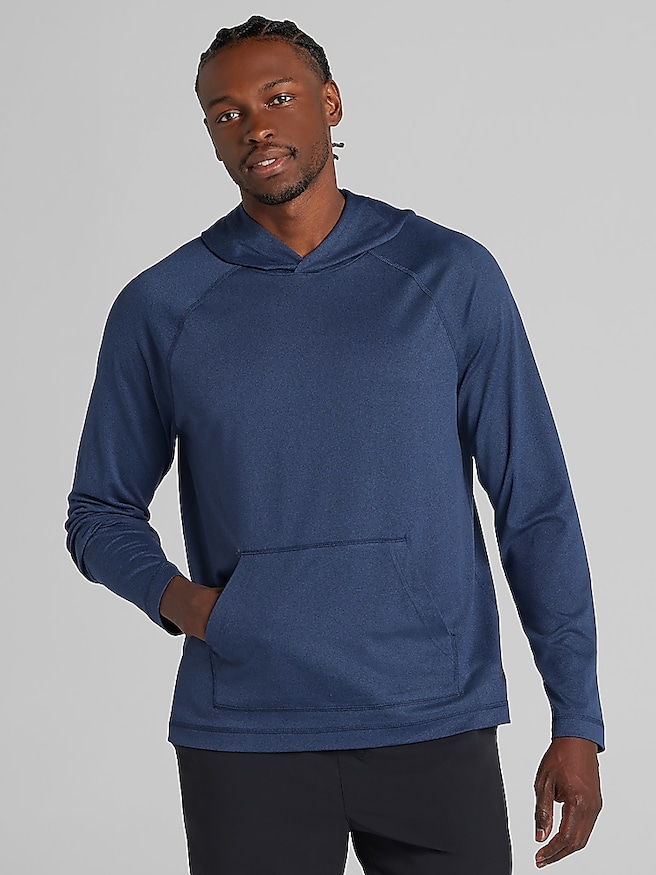
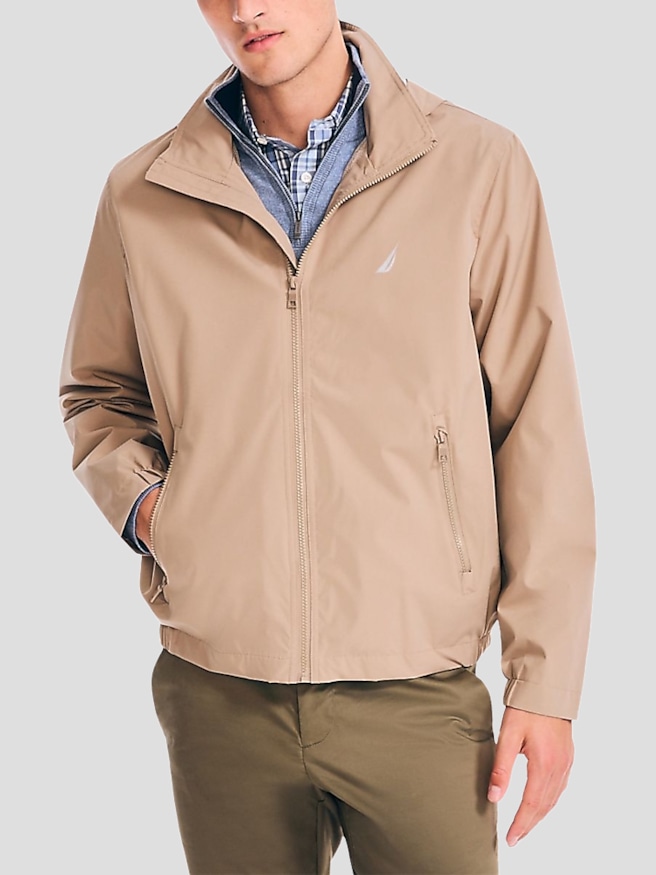
Men’s hoodies bring the familiar comfort of a sweatshirt together with a hooded neckline, making them a practical choice for casual outfits, travel days, downtime, and trips to the gym. The main distinction is between pullover hoodies and zip-up hoodies. A pullover has an uninterrupted front that emphasizes the fabric, shape, and any pocket detailing, while a full-zip hoodie opens completely for easy layering and a more adjustable fit through the torso. Pullovers often have a kangaroo pocket that provides a place to rest hands or carry small essentials; zip-up designs commonly use separate front pockets. Neither construction is automatically better for every routine. A pullover works well for someone who prefers a straightforward outfit with jeans and sneakers, while a zip-up can be convenient for someone who frequently adds or removes a layer between activities. Fabric makes just as much difference as construction. Cotton-rich knits typically have a soft, familiar feel, and cotton-polyester blends can balance that softness with improved shape retention and drying performance, depending on the fabric. Fleece generally has a brushed interior with a plush texture, while French terry has small loops on the inside and a less fluffy feel against the skin. Smooth jersey constructions tend to drape more fluidly, making them useful when a bulky silhouette is not the goal. Fabric weight describes how substantial the material is, but it does not tell the whole story about softness, breathability, or durability. Knit density, fiber composition, and finishing all influence how a hoodie feels and wears. For a less bulky layer under a jacket or an easy addition to a travel bag, men’s lightweight hoodies offer another direction to consider. Athletic use calls for closer attention to fabric specifications: moisture-wicking or quick-drying performance should be stated rather than assumed from a sporty appearance. For everyday wear, a comfortable interior, a neckline that sits naturally, and fabric that moves without feeling restrictive often matter more than technical features.
Fit gives a men’s hoodie much of its character. A regular fit generally leaves comfortable space through the chest and body without creating a pronounced oversized shape. A slim fit sits closer to the torso and can layer neatly beneath a casual jacket, provided there is still enough room to reach forward or bend the arms. Relaxed and oversized fits create a roomier silhouette, often with dropped shoulders, wider sleeves, or additional length. Those proportions are intentional, so simply choosing a larger size in a standard fit may not produce the same result. Shoulder placement is a useful starting point: a conventional shoulder seam usually sits near the shoulder edge, while a dropped seam extends farther down the upper arm. Raglan sleeves run diagonally from the neckline toward the underarm and create a less defined shoulder line. Sleeve length, cuff tension, and hem placement deserve equal attention. Sleeves should allow natural movement without repeatedly covering the hands, and ribbed cuffs should hold their position without digging into the wrists. A hem that rests around the hip is a familiar everyday proportion, though the right length depends on torso length and the intended silhouette. Sitting at a desk, reaching for an overhead bag, or driving can reveal fit issues that are easy to miss while standing still. Size charts and garment measurements help clarify the space available through the chest and body, especially when the hoodie will be worn over another shirt. Styling can stay simple without looking careless. A solid hoodie with straight-leg jeans and clean sneakers creates an easy casual outfit, while tapered chinos bring a more defined line to the same basic combination. Joggers emphasize comfort and movement; a structured casual jacket can balance a softer, roomier sweatshirt underneath. Neutral shades are easy to repeat across outfits, while a deeper or brighter color can provide the main point of contrast. Logos, graphics, visible stitching, and textured fabric change the overall impression, so the most useful design is one that fits the wearer’s usual clothes and settings.
The details that seem minor at first often determine whether a hoodie becomes a dependable part of a weekly rotation. A hood should sit comfortably behind the neck without pulling the neckline backward, and its shape should leave enough room for natural head movement when raised. A double-layer hood can feel more substantial, though the added weight may not suit someone who prefers a lighter garment. Adjustable drawstrings offer control around the opening, while a drawstring-free design keeps the neckline simpler. Pocket depth matters when carrying a phone, but an open pouch is not secure storage for valuables during exercise or a busy commute. Zipper operation is another practical consideration: smooth travel, a comfortable pull, and a clean finish at the neckline make repeated use easier. For durability, look for even stitching, securely finished seams, and ribbing that returns to shape after gentle stretching. Reinforcement at pocket corners can help where hands and carried essentials place repeated stress on the fabric. No single fiber guarantees a long service life, and a heavier hoodie is not necessarily better made than a lighter one. Friction from bags, repeated washing, and everyday use can affect the surface of any knit, making care part of the purchase decision. The garment’s care label should always take priority. When permitted, washing with similar colors on a gentle cycle and using lower dryer heat can help limit unnecessary wear and shrinkage. Turning the hoodie inside out may reduce abrasion on the outer surface, particularly around printed details, while securing zippers can help prevent snagging. Avoid overloading the washer, which can keep clothing from moving and rinsing properly. Folding a substantial knit rather than leaving it stretched over a narrow hanger can help preserve its shape. These everyday considerations also make hoodies thoughtful gifts for a college student, a frequent traveler, a fitness enthusiast, or someone who values easygoing clothes for time off. Matching the recipient’s preferred fit, familiar colors, and usual care routine is more useful than choosing by appearance alone. A hoodie that feels right, works with existing outfits, and tolerates ordinary use earns its place through repeated wear.