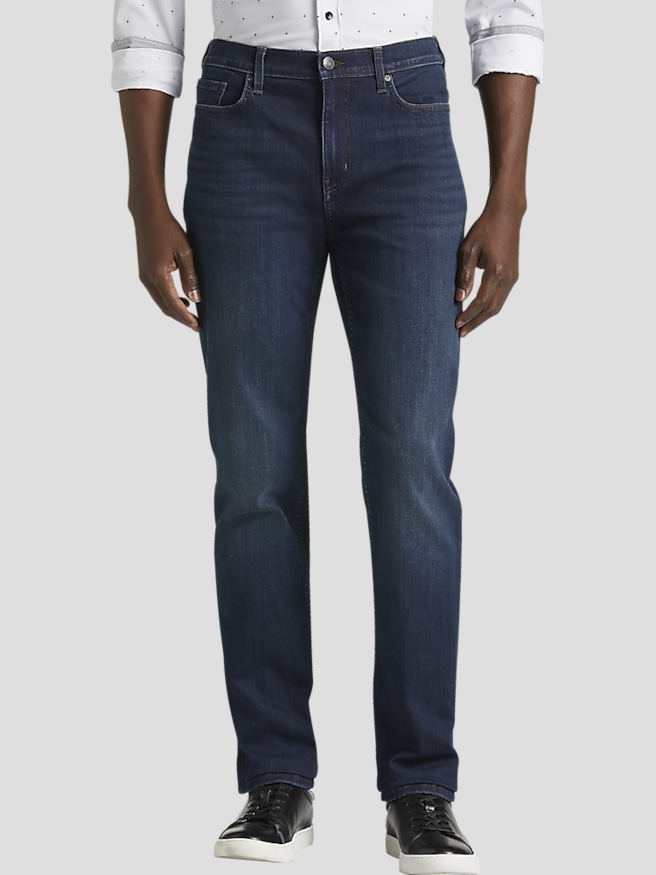
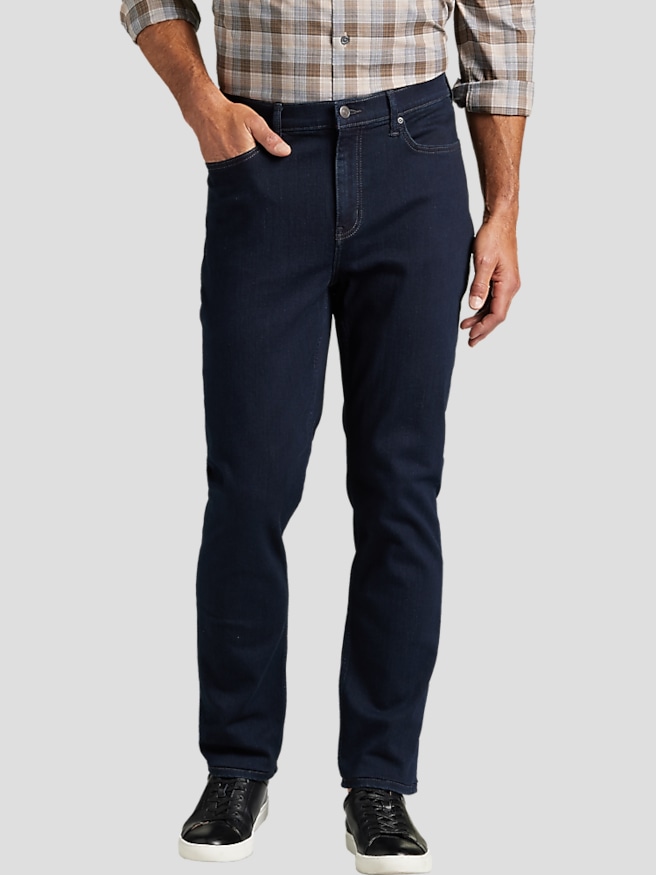
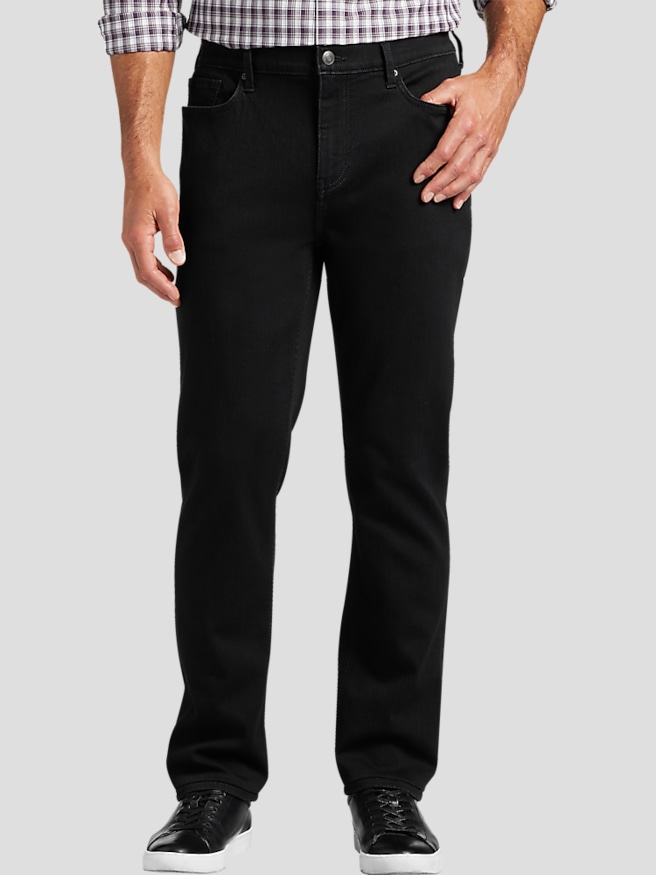
Men’s fall jeans often favor deep indigo, charcoal, black, and earthy brown washes, with straight, relaxed, and tapered fits that pair naturally with boots, knitwear, and layered shirts. These colors bring depth to a casual outfit without competing with the texture of a flannel shirt, a corduroy jacket, or a substantial sweater. Dark indigo has a particularly versatile character: clean enough for dinner at a neighborhood restaurant, easygoing enough for a Saturday spent watching a game, and appropriate for some workplaces with a relaxed dress code. Charcoal and black denim create a quieter backdrop for olive, burgundy, camel, and cream, while chocolate brown offers an alternative to blue that still feels familiar with leather footwear. Wash and finish matter as much as color. Minimal fading and restrained stitching give jeans a more polished appearance; visible whiskering, faded thighs, and worn edges create a distinctly casual impression. For fall outfits built around textured layers, denim with a simple finish keeps the overall look from feeling busy. The shape of the leg also changes how those layers come together. Straight-leg jeans provide a consistent line from knee to hem and usually sit neatly over low-profile boots. A tapered leg narrows toward the ankle, bringing definition to an outfit with a fuller sweater or overshirt. Relaxed fits offer additional space through the seat and thigh, useful for anyone who prefers an easy silhouette or spends long stretches sitting, driving, or moving between indoor and outdoor settings. None of these shapes needs to look oversized or restrictive. The strongest fit is one that sits securely at the waist, allows comfortable movement, and falls cleanly over the intended shoes. That balance gives fall denim its broad appeal: dependable everyday clothing with enough structure to look considered, whether paired with a plain crewneck or a softly tailored jacket.
Fabric determines much of how jeans feel throughout the day and how they develop with repeated wear. Cotton denim has a familiar, substantial hand, and its twill weave creates the diagonal texture visible on the surface. Denim made entirely from cotton generally feels firmer at first and softens through use, gradually taking on creases and fading that reflect the wearer’s habits. A small amount of elastane can add flexibility through the waist, seat, and knees, making stretch denim comfortable for a commute, a long meal, or an afternoon that involves plenty of walking. Stretch content alone does not tell the whole story, though. The fabric’s ability to recover its shape helps determine whether jeans stay neat after hours of wear instead of loosening noticeably at the knees. Heavier denim can provide a more substantial feel and pronounced structure for fall dressing, but weight is not a guarantee of durability or warmth. Construction, fiber quality, and care all contribute to how well jeans hold up. Even stitching, secure seams, and reinforced stress points help support everyday wear, especially around pockets and belt loops. Fit contributes to longevity, too: persistent pulling across the seat or upper thighs puts unnecessary strain on the fabric. A comfortable waistband should stay in place without relying on a tightly cinched belt, and front pockets should lie relatively flat rather than pulling open. The rise influences both comfort and proportion. A mid-rise often works easily with untucked shirts, while a higher rise can provide more coverage when sitting or bending and create a clean transition beneath tucked-in layers. Room through the thigh matters for athletic builds, even when the desired look is slim below the knee. At the hem, a slight break can suit boots, while a cleaner, shorter finish works with low-profile sneakers. Excess fabric stacked around the ankle can obscure the shape of either shoe.
Fall jeans earn their place through repeatable combinations rather than complicated styling. Deep blue denim, a cream knit, and brown leather boots create contrast through color and texture; charcoal jeans with a burgundy shirt offer a richer look without requiring a patterned layer. For a casual workplace that permits denim, a dark, evenly washed pair with a tucked-in button-down and an unstructured jacket can feel composed without becoming formal. Distressing and pronounced fading are better suited to settings where a visibly relaxed finish makes sense. When an occasion calls for a smoother fabric or a more tailored line, men’s fall trousers offer another direction alongside denim in a fall wardrobe. Footwear remains an important part of the proportions: a narrow leg opening may catch on a substantial boot shaft, while an overly wide opening can overwhelm a slim sneaker. Trying jeans with the shoes they will accompany gives a clearer sense of length than judging them barefoot. Care helps preserve that fit and finish. The sewn-in care label takes priority, since fiber blends and finishes can have different requirements. Washing dark denim inside out in cold water can help limit fading, and washing with similar colors reduces the risk of dye transfer to lighter clothing. High dryer heat can contribute to shrinkage and affect stretch fibers, so the recommended drying method deserves attention. New, deeply dyed denim may also transfer color to pale upholstery or light shoes, particularly before its first few washes. Between washes, airing jeans and treating small marks when appropriate can reduce unnecessary laundering. As a gift for a father, brother, partner, or friend, jeans are most useful when the recipient’s preferred waist size, inseam, rise, and leg shape are known. Matching those familiar details usually matters more than choosing an unfamiliar silhouette, especially for clothing intended to become part of an everyday routine.