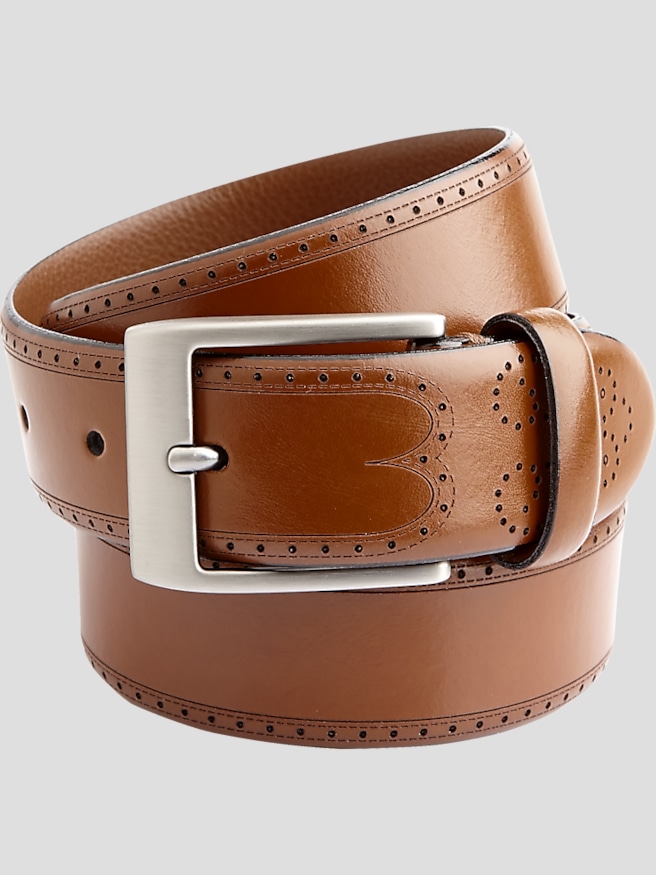
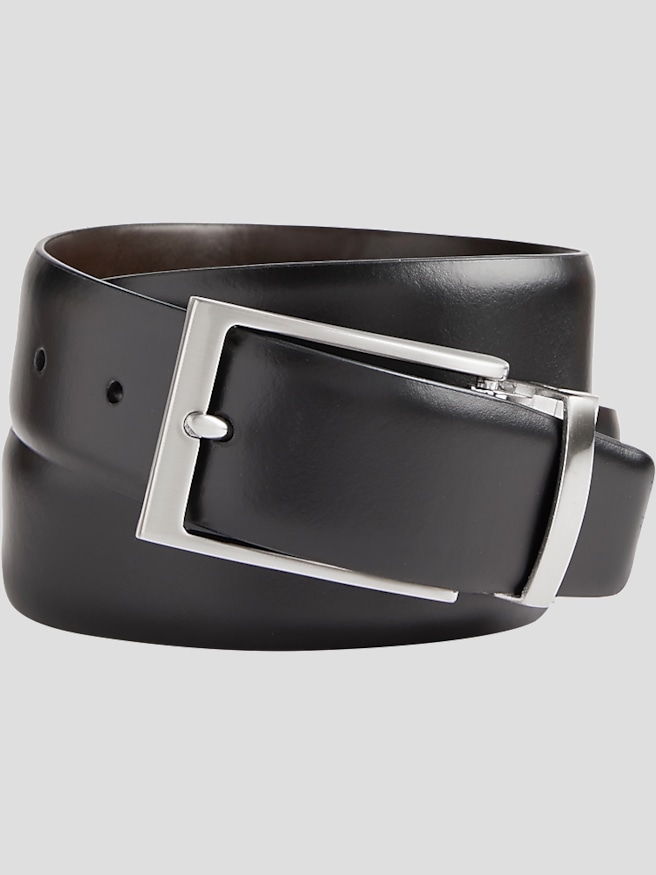
Men’s fall fashion belts bring texture, structure, and a finishing detail to outfits built around denim, chinos, corduroy, and wool trousers. Smooth leather, brushed suede, nubuck, and woven designs each have a place in an autumn wardrobe, with the material and buckle setting the level of formality. A chocolate-brown leather belt can connect dark jeans with brown boots, while a black belt with restrained hardware gives charcoal trousers and polished shoes a clean, coordinated appearance. Cognac and tan introduce contrast against navy or olive; deeper brown shades sit quietly alongside rust, burgundy, and other earthy colors. Texture matters just as much as color. Suede has a soft nap that complements flannel and brushed cotton, while nubuck has a finely sanded grain surface with a subtle, velvety feel. Burnished leather adds depth through variations in tone, making it a natural companion to broken-in denim and substantial footwear. Full-grain leather retains its natural grain, including small variations that give the surface character. Top-grain leather is often refined for a more uniform appearance, although construction, finish, and care all influence how well a belt holds up. Woven leather offers another kind of texture, breaking up a solid shirt-and-trouser combination without requiring a bold pattern. Some woven stretch designs provide flexibility for sitting, walking, and moving through a full day, with leather trim adding definition at the ends. Brushed nickel, muted brass, and antiqued finishes can complement these materials without drawing attention away from the clothing. Polished hardware also has a place, particularly with sleek shoes and tailored trousers. The strongest combinations feel connected rather than identical: a brown belt and brown boots can work together even when their shades vary slightly, provided their overall character is compatible. That balance lets a belt support an outfit instead of becoming its focal point.
Width, length, and buckle proportions determine whether a belt feels appropriate with the trousers it accompanies. Dress belts commonly measure about 1 to 1¼ inches wide, giving them a slim profile that works with tailored belt loops and a tucked-in shirt. Casual belts often fall around 1¼ to 1½ inches wide, providing more visual weight alongside denim, sturdy chinos, and boots. These ranges are useful reference points rather than fixed rules; the actual belt loops and the scale of the buckle matter more than a label. A broad strap squeezed through narrow loops can bunch at the waistband, while a very narrow strap may look undersized against heavy denim. Length deserves similar attention. A comfortable fit allows the belt to fasten without pulling the waistband into folds and leaves enough strap to pass neatly through the keeper. On a traditional belt with several holes, fastening near the middle generally leaves adjustment room in either direction. Belt sizing often starts around 2 inches above a pants waist size, but labeled trouser sizes and belt measurements vary, so the relevant size chart remains the better reference. An existing belt that fits comfortably can also help when measured according to the maker’s sizing method. For tailored combinations, men’s dress leather belts complement wool trousers, refined chinos, and dress shoes without adding unnecessary bulk. A smooth strap and modest frame buckle keep the line of an outfit clean beneath a blazer or suit jacket. Casual settings allow more pronounced grain, braided construction, or a heavier buckle, particularly when the surrounding clothing has a similarly substantial feel. Reversible designs can serve wardrobes that alternate between black and brown footwear, though their buckle mechanisms and thickness may feel unlike a single-sided strap. Across these styles, comfort comes from the relationship between the belt and the trousers: a belt should help maintain a secure fit, not compensate for a waistband that is substantially too large.
Durability depends on more than the surface appearance of a belt. Consistent stitching, neatly finished edges, secure buckle attachment, and holes that resist stretching all contribute to everyday performance. Repeatedly forcing a strap through tight loops or fastening it too tightly puts extra strain on those details. Leather naturally flexes and may develop creases around the most-used hole, while deeper cracking, separating layers, or loosening hardware can signal more significant wear. Care should match the material rather than follow one routine for every finish. Smooth leather generally benefits from a gentle wipe with a soft cloth, with a compatible conditioner used sparingly when recommended by the maker. Suede and nubuck need tools intended for their raised surfaces, such as an appropriate brush, rather than ordinary leather polish. Any treatment is best tested on an inconspicuous area, since it may deepen the color or change the texture. Rain, slush, and accidental splashes make drying especially important for fall outfits that move between outdoor errands and indoor gatherings. A damp belt should dry naturally away from radiators, hair dryers, and other direct heat sources; storage in a dry space, either hanging straight or loosely rolled, helps avoid sharp bends. These practical details matter whether a belt accompanies office trousers several days a week or comes out for dinners, fall weddings, and family photographs. A smooth dark belt can support a more dressed-up wardrobe, while a textured brown style often suits someone who spends more time in jeans and casual button-downs. Belts can also make thoughtful gifts for someone building a work wardrobe or refining familiar outfits, especially when their usual size, footwear colors, and preferred buckle finish are known. The most useful choice reflects how the wearer actually dresses, with proportions, materials, and a finish that feel comfortable in regular rotation.