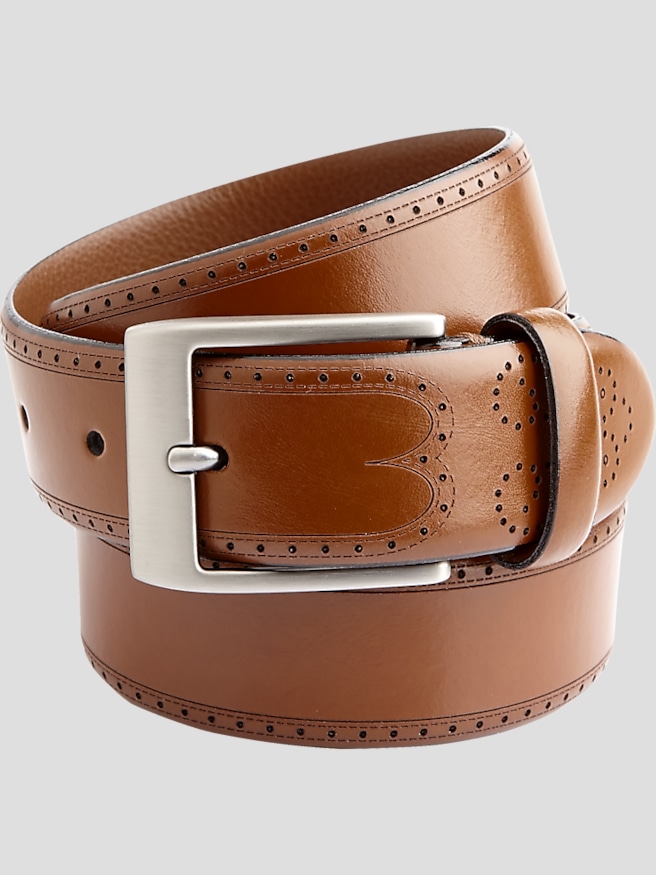
Men’s accessory gifts for coworkers strike a useful balance between personal style and professional familiarity. A thoughtfully chosen finishing touch can acknowledge a helpful teammate, celebrate a work anniversary, or mark the completion of a demanding project without feeling overly intimate. The strongest choices usually reflect something already visible in the recipient’s routine: a preference for clean, understated dressing, an appreciation for texture, or a habit of adding a little color to otherwise neutral clothing. In an office where tailored outfits are common, dress accessories can help familiar combinations feel more considered. In a business-casual setting, simpler everyday accessories may fit more naturally into the rotation. Navy, charcoal, brown, and muted burgundy are versatile starting points because they sit comfortably alongside many common wardrobe colors. Small-scale patterns can add interest without becoming the first thing everyone notices across a conference table. For someone whose work involves presentations or client meetings, a polished finish may be especially useful; for a colleague who moves between a desk and a busy shared workspace, comfort and practicality may matter more. Workplace gifts also benefit from a little restraint. Highly personal messages, prominent novelty details, and designs built around an inside joke can be harder to use beyond a single occasion. An accessory with a quiet pattern or appealing texture is more likely to feel appropriate at a team lunch, an interview, or an evening event after work. The goal is not to reinvent a coworker’s wardrobe, but to recognize the way that person already dresses. A gift that complements an established style feels observant rather than prescriptive. Where workplace gift policies apply, keeping the gesture consistent with those expectations helps it remain comfortable for everyone involved, especially when recognizing a manager, a direct report, or several members of the same team. That sense of proportion is part of what makes accessories so suitable for professional relationships.
Materials influence both the appearance of an accessory and how easily it fits into daily life. Smooth silk can bring a subtle sheen to dressier combinations, while textured woven fabrics create a softer visual effect against crisp shirts and structured jackets. Cotton-rich fabrics often offer a familiar feel, and blends may add stretch, shape retention, or resistance to everyday wear, depending on their construction. Wool can provide depth and a matte finish without relying on a bold pattern to stand out. Leather accessories have their own character: a smooth surface tends to look more formal, while visible grain gives a piece a more relaxed appearance. None of these materials is automatically the right choice for every recipient. Someone who dresses formally several days a week may appreciate a refined fabric that calls for careful handling, while a frequent traveler may get more use from an accessory that is easy to pack and maintain. Construction deserves as much attention as fiber content. Even stitching, neatly finished edges, secure attachments, and fabric that lies smoothly are useful details to assess. Areas that bend, stretch, or receive repeated handling should feel suited to that use rather than merely decorative. Fit matters, too, even with small accessories. Neckwear should have enough length for the wearer’s proportions and preferred knot, while its width should look balanced with the surrounding outfit. Hosiery should follow the labeled size range and feel secure without excessive pressure. Accessories worn at the waist require an accurate measurement rather than a guess based on appearance. When sizing information is difficult to obtain discreetly, designs with fewer fit variables can make a workplace gift easier to give. Care requirements are another practical consideration. Some fabrics tolerate routine washing, while others need spot cleaning or professional care; the care label should always determine the method. Leather generally benefits from gentle handling and protection from excess moisture. A recipient who can maintain an accessory without changing an entire laundry routine has one less obstacle to enjoying it regularly.
The most useful coworker gifts often earn their place through small, repeated moments. An accessory might finish an outfit before an important presentation, bring a familiar combination together for a networking event, or add a considered detail to an ordinary day at the office. That everyday usefulness can be more meaningful than a dramatic first impression. For a new teammate, a versatile design keeps the gesture welcoming without assuming too much about personal taste. For a longtime colleague, a familiar color or understated pattern can show that the choice was made with that person in mind. Group recognition calls for similar care: accessories can share a comparable level of formality while still allowing room for individual preferences. Matching everyone exactly is not necessary for the gifts to feel equally thoughtful. Presentation can stay simple, with neat wrapping and a brief message that recognizes a contribution or expresses appreciation. A specific acknowledgment of someone’s patience during a difficult assignment or willingness to help a new hire often gives a practical gift its personal meaning. For a broader look at accessories suited to gift giving, explore Holiday Gift Accessories For Men. Whatever the occasion, versatility is worth considering alongside appearance. A finishing touch that works with several outfits offers more opportunities for use than one that requires an entirely new combination. Colors that echo an existing wardrobe, textures that complement familiar fabrics, and proportions that feel comfortable all contribute to that flexibility. Durability also comes from the match between the accessory and its intended role: frequent use calls for dependable construction, while more delicate materials may be better suited to occasional dressier settings. There is no need for a workplace gift to make a grand statement. When an accessory feels comfortable, looks appropriate, and suits the recipient’s habits, it can become a welcome part of getting dressed rather than something set aside after the exchange.