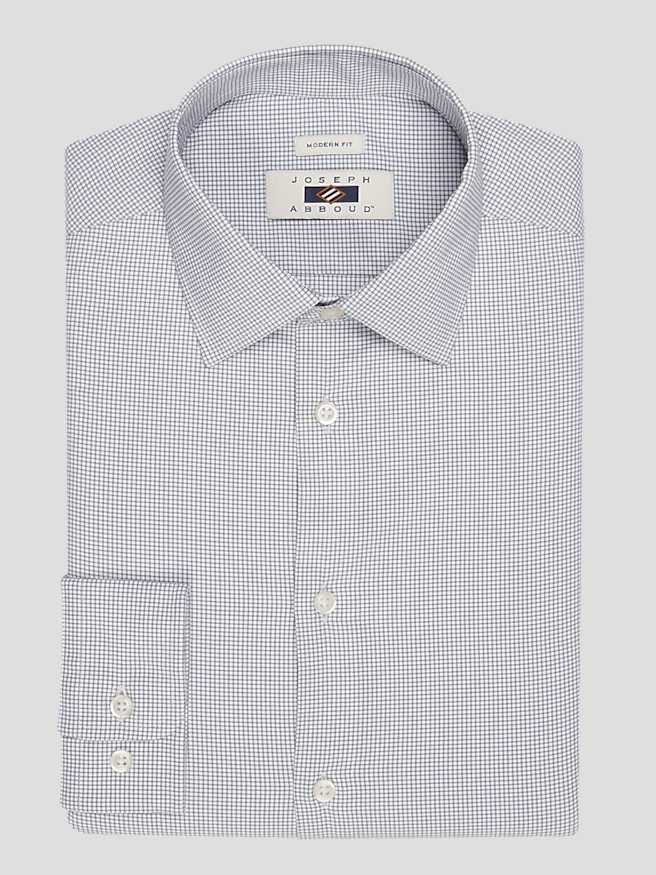
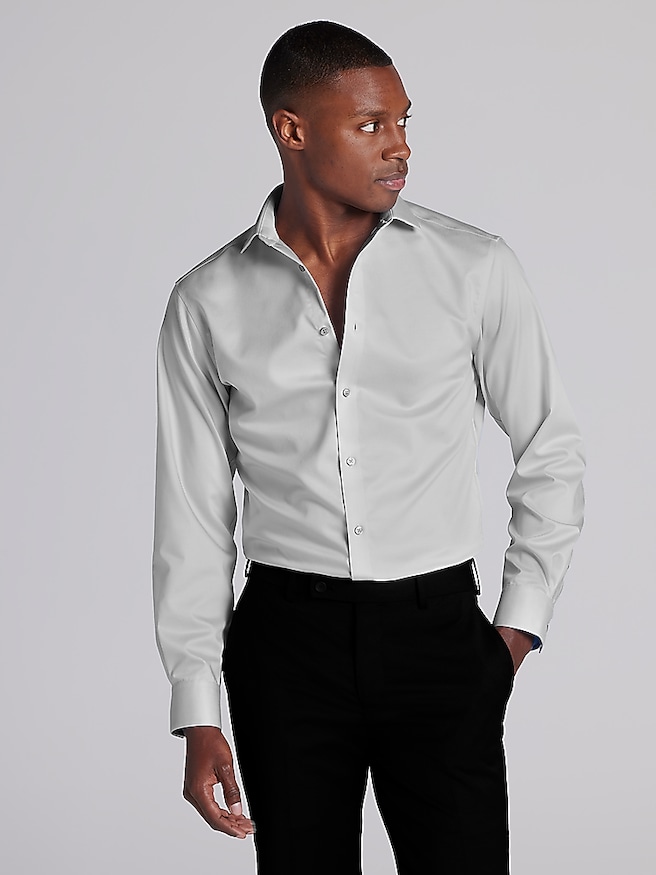
Men’s cotton work shirts bring a familiar combination of softness, breathability, and practical structure to the working wardrobe. The category spans crisp woven shirts suited to offices and customer-facing roles, textured fabrics for business-casual settings, and sturdier constructions for work that involves more movement and everyday abrasion. Cotton is a natural fiber that absorbs moisture and generally feels comfortable against the skin, though it does not necessarily dry as quickly as performance synthetics. Fabric construction makes a meaningful difference: cotton twill has a diagonal weave and can offer a substantial feel, while chambray uses contrasting yarns to create a denim-like appearance without necessarily having denim’s weight. Oxford cloth has a basketweave texture that works particularly well with chinos and other less formal trousers. Poplin typically has a smoother surface and a cleaner, dressier appearance. These names describe weave rather than a fixed level of thickness, so fabric weight and finishing still matter. A shirt labeled 100% cotton contains cotton rather than a fiber blend, but that alone does not establish how rugged, wrinkle-resistant, or easy to maintain it will be. Cotton-rich blends may include polyester for easier care or a small amount of stretch fiber for flexibility; the fabric label explains the actual composition. For a desk-based professional, a smooth collar and fabric that sits neatly beneath a jacket may be the priorities. For someone moving between a front counter, a workroom, and client appointments, freedom through the shoulders and a fabric with enough body to maintain its shape may matter more. The best match depends on the tasks and dress expectations of the workplace, not simply whether a shirt looks tough. Everyday cotton work shirts are not a substitute for required protective clothing. Jobs involving flame, electrical hazards, chemicals, or other regulated risks call for garments with the appropriate certifications, even when an ordinary cotton shirt seems substantial.
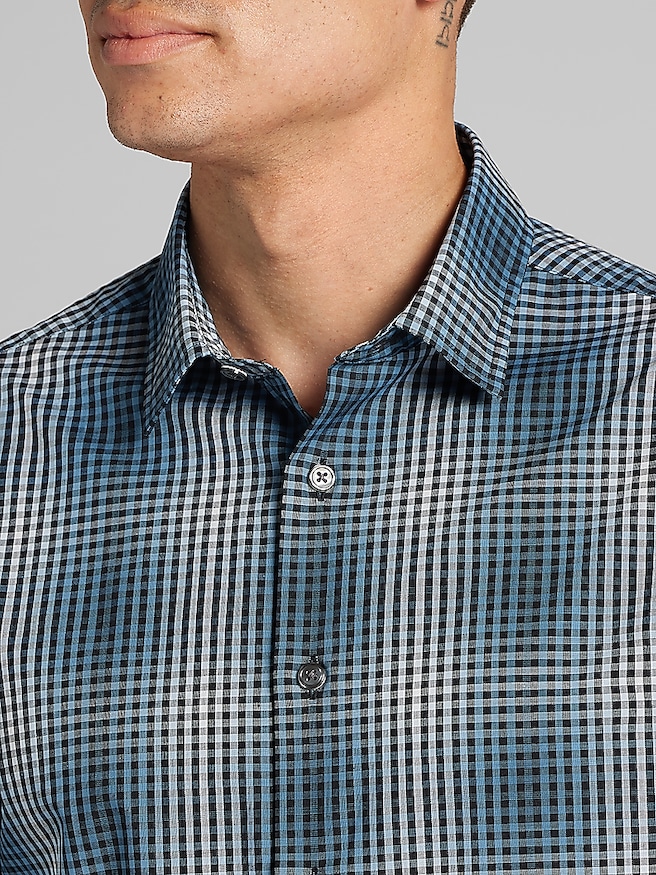
Fit determines much of how a cotton work shirt looks and feels over a full day. A well-positioned shoulder seam, a collar that closes without pressure, and sleeves that allow the elbows to bend comfortably create a useful starting point. Across the chest, the front placket should lie reasonably flat instead of pulling into gaps between buttons. Through the back, enough room to reach toward a shelf or lean across a desk helps prevent the shirt from feeling restrictive. A slim fit generally follows the torso more closely, while a classic or relaxed fit usually provides additional room; those labels vary by maker, so actual measurements are more reliable than the name alone. Men with broader shoulders or fuller upper arms may benefit from extra ease even when the waist measurement seems correct. Shirt length matters, too. A longer, curved hem generally stays tucked more securely during sitting and reaching, while a shorter hem designed for untucked wear creates a more casual outline. Collar shape and cuff details can shift the same basic fabric toward different workplace settings. A button-down collar keeps its points anchored for a neat, approachable look, while a spread or point collar can sit cleanly beneath a blazer. Solid white and light blue are straightforward choices for more traditional offices; subtle stripes, small checks, and textured neutrals add variety without drawing attention away from the rest of an outfit. Darker shades may make some marks less noticeable, but they can also show lint or fading. Cotton shirts pair naturally with chinos, tailored trousers, or denim when the workplace permits it. A tucked shirt with a belt and polished shoes reads more formal than the same general style worn untucked with casual footwear. For wardrobes that lean toward relaxed office dressing, Mens Casual Work Shirts offers a related category to consider. A dependable work wardrobe benefits from consistency in fit, allowing shirts with different textures and patterns to work with the same core trousers and jackets.
Durability comes from more than a heavy fabric. Even stitching, securely attached buttons, neatly finished seams, and reinforcement at stress points all contribute to how a shirt handles repeated wear. Collar edges and cuffs receive frequent contact, while the elbows and underarms experience regular movement, making those areas useful places to assess construction. A chest pocket can be convenient for a small notepad or pen, although carrying bulky objects may distort the fabric or interrupt a clean silhouette. Heavier cotton can feel sturdy, but a lighter, well-made shirt may be better suited to office work and easier to layer beneath a jacket. Care requirements deserve equal attention, particularly for shirts worn several times in a typical workweek. The care label should take priority over general advice because dyes, finishes, interlinings, and blended fibers can require different treatment. Cotton can shrink, especially with high washing or drying heat, and even preshrunk fabric may experience some dimensional change. Washing with similar colors, treating collar and cuff marks promptly according to care directions, and avoiding an overloaded machine can help preserve the fabric’s appearance. Cotton also creases naturally; a wrinkle-resistant finish may reduce maintenance without eliminating the need for occasional pressing. Removing a washable shirt promptly after drying and smoothing the placket, collar, and cuffs before hanging can make the next wear easier. When ironing is permitted, the label’s recommended setting helps protect both the fabric and any finish. Rotating shirts allows time for laundering and attention to loose buttons or small seam problems before they become more noticeable. These practical details also make cotton work shirts thoughtful gifts for a graduate entering an office role, someone beginning a new job, or a person building a more consistent professional wardrobe. A familiar size, preferred fit, usual collar style, and realistic care routine are more useful starting points than a bold pattern chosen only for novelty. The most useful shirt is one that suits the recipient’s actual workday and feels natural alongside clothing already in regular rotation.