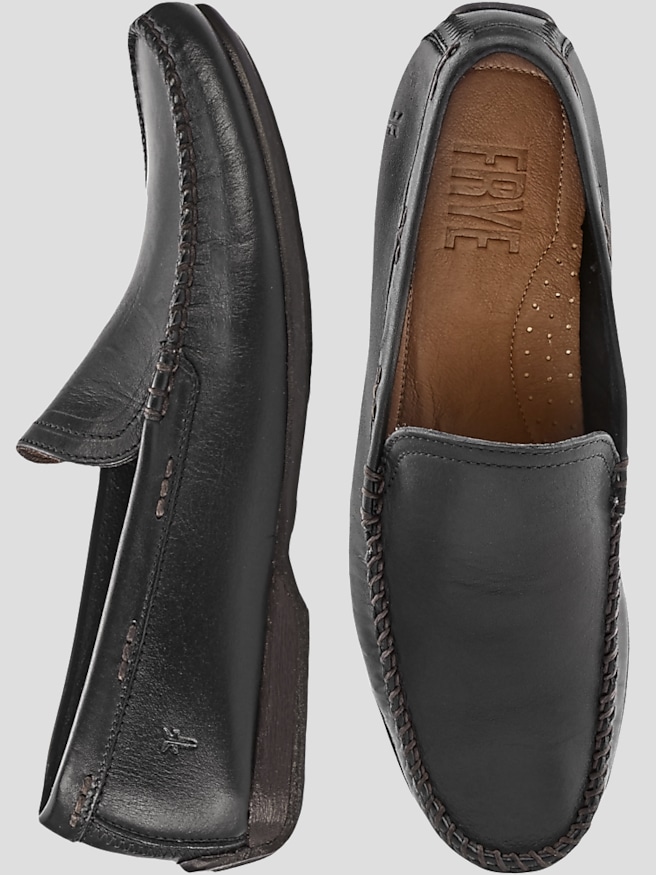
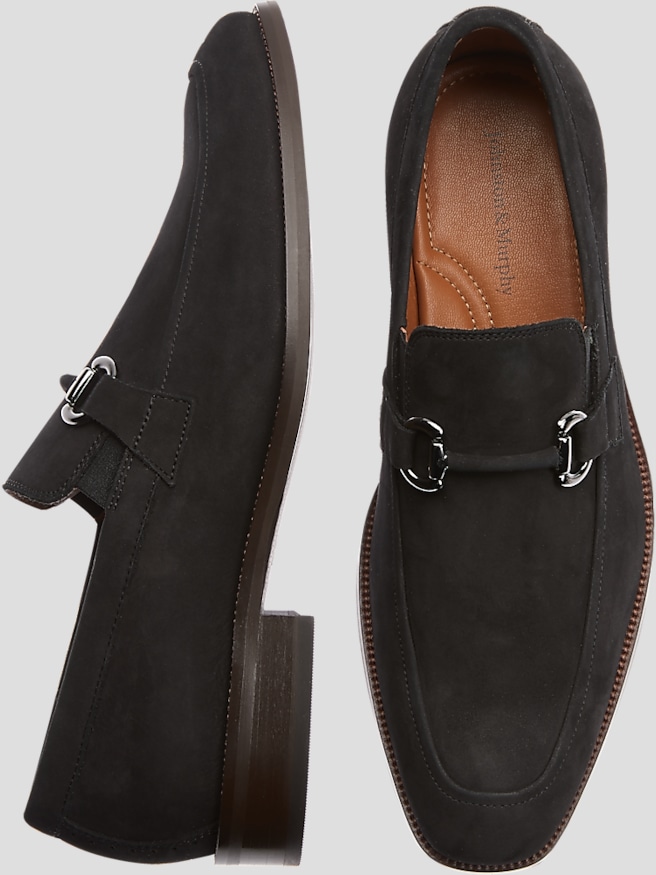
Men’s black tassel loafers are slip-on dress shoes distinguished by decorative tassels across the vamp, offering a polished alternative to lace-up footwear. Their appeal lies in the balance between a clean black finish and a small, expressive detail: the tassels add texture and movement without the visual weight of a buckle or an elaborate pattern. That balance makes them a versatile choice for business clothing, wedding guest outfits, dinner plans, and everyday looks that call for something sharper than sneakers. With a charcoal suit and a white dress shirt, smooth leather tassel loafers create a composed appearance that feels professional without looking overly rigid. Paired with navy chinos and a tucked-in button-down, the same silhouette takes on a more relaxed character. Dark denim can work just as well when the jeans have a neat fit and minimal distressing. The versatility of black tassel loafers comes partly from their restrained color, which keeps attention on proportion, texture, and the rest of the outfit. A relatively sleek toe and a slim sole tend to complement tailored trousers, while a fuller shape or a more substantial sole can suit heavier fabrics and less structured clothing. Rounded toes offer a traditional look; softly tapered shapes can appear a little dressier without feeling exaggerated. Trouser length matters, too. A clean hem with little or no break leaves the tassels visible and keeps fabric from bunching over the shoe. Fine-gauge dress socks in black, charcoal, or navy make an easy connection between the trousers and footwear, while a subtle pattern can add personality without competing with the tassels. A black leather belt usually provides a straightforward finishing touch. Although these loafers can look elegant with a suit, a strict black-tie dress code generally calls for more traditional formal footwear. Their strongest territory is the broad space between relaxed casual clothing and highly ceremonial dress, where a distinctive shoe can finish an outfit without dominating it.
Materials and construction influence how black tassel loafers look, feel, and hold up to repeated wear. Smooth leather provides a crisp surface that can take a soft shine, making it a natural match for tailored clothing and professional settings. Grained leather introduces more visible texture and can make small surface marks less noticeable, while suede offers a softer, more understated appearance that works especially well with chinos and textured trousers. The black color gives each material a versatile foundation, but the finish changes the overall impression: glossy leather reads sharper, while a matte surface feels more relaxed. Tassel size, stitching, and the shape of the apron seam also affect the character of the shoe. Closely spaced stitching and small tassels can look restrained; more pronounced details lend a traditional, substantial feel. Underfoot, leather soles often provide a slim profile and a distinctive feel as they flex, while rubber soles can add cushioning or traction depending on their design. Sole material alone does not determine comfort or grip, so construction, tread, and fit all deserve attention. Because loafers have no laces to adjust, a secure fit through the instep and heel is particularly important. The vamp should hold the foot comfortably without pressing hard across the top, and the toes should have room to rest naturally rather than crowd together. A little heel movement can occur with a new, relatively stiff sole, but persistent slipping or toes gripping to keep the shoe in place can signal a poor fit. Length, width, and instep volume all matter; choosing a smaller size simply to reduce heel movement may create pressure elsewhere. Trying loafers with the type of socks intended for everyday wear gives a more useful sense of fit. For someone who spends much of the day moving between a desk, meetings, and appointments, a supportive footbed, comfortable lining, and stable heel can be just as important as the profile seen in a mirror.
Well-cared-for black tassel loafers can become a dependable part of a wardrobe, with durability shaped by the upper material, construction, frequency of wear, and maintenance. Smooth leather benefits from having dust removed with a soft brush or cloth before a suitable conditioner or polish is applied according to the material’s care directions. Black polish can help maintain an even appearance, but it should be used sparingly so residue does not collect around the tassels, seams, or apron stitching. Suede needs its own brush and material-appropriate care rather than conventional leather cream, which can change its texture and appearance. The tassels themselves deserve a gentle touch; pulling on them when putting on the shoes can strain their attachment. A shoehorn helps protect the heel counter, and cedar shoe trees can help preserve shape and absorb residual moisture between wears. Allowing the shoes to dry naturally away from direct heat protects both the uppers and the components beneath them. Rotating footwear gives each pair time to air out, while checking the heels and soles for uneven wear can help identify repair needs before damage spreads. Some construction methods allow resoling, though repair options depend on how the shoe is made and its condition. These practical details matter for anyone who wants dress shoes that remain presentable through repeated meetings, restaurant dinners, celebrations, and family photographs. Black tassel loafers can also make a thoughtful gift for someone building a professional wardrobe, returning to an office setting, or refining a familiar suit-and-chinos rotation. Knowing the recipient’s usual size, width, and preferred shoe shape makes the choice more personal, especially because slip-on fit can vary across designs. For the wearer, the lasting value is in having a shoe that feels recognizable and easy to style: polished enough to anchor a tailored outfit, relaxed enough for an open-collar shirt, and distinctive enough to bring character to otherwise simple clothing. A comfortable fit and a finish suited to the occasion make that versatility useful, rather than merely decorative.