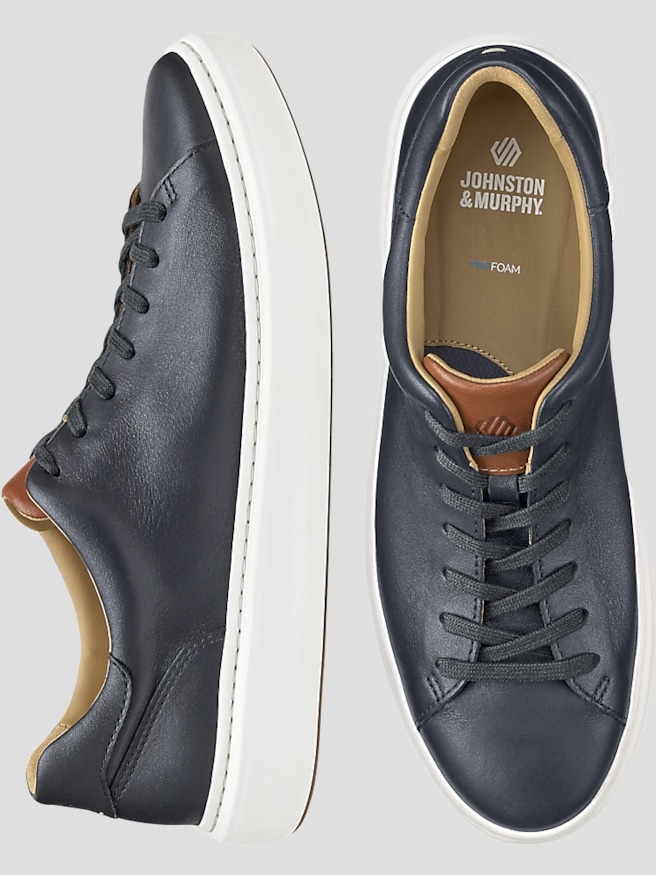
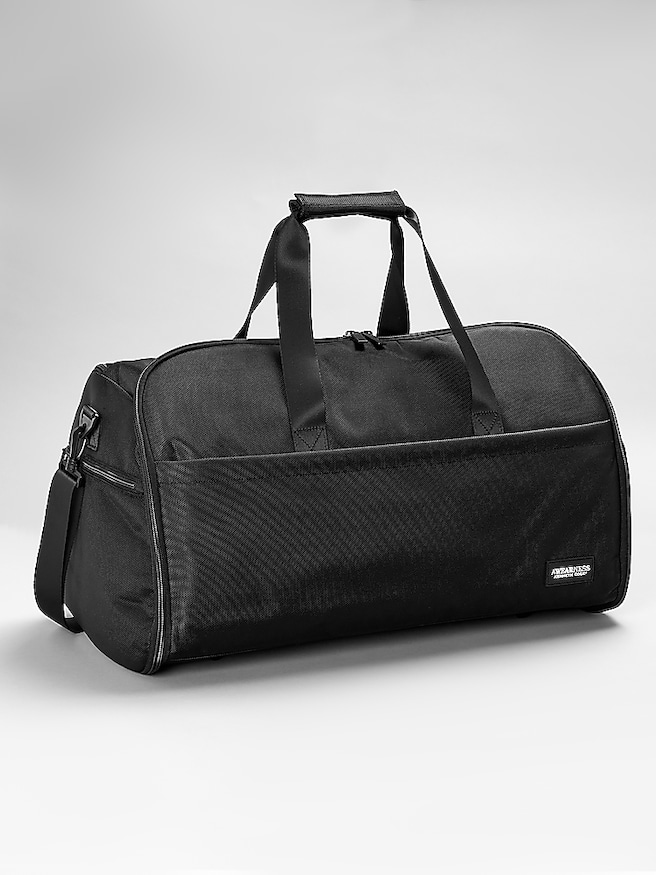
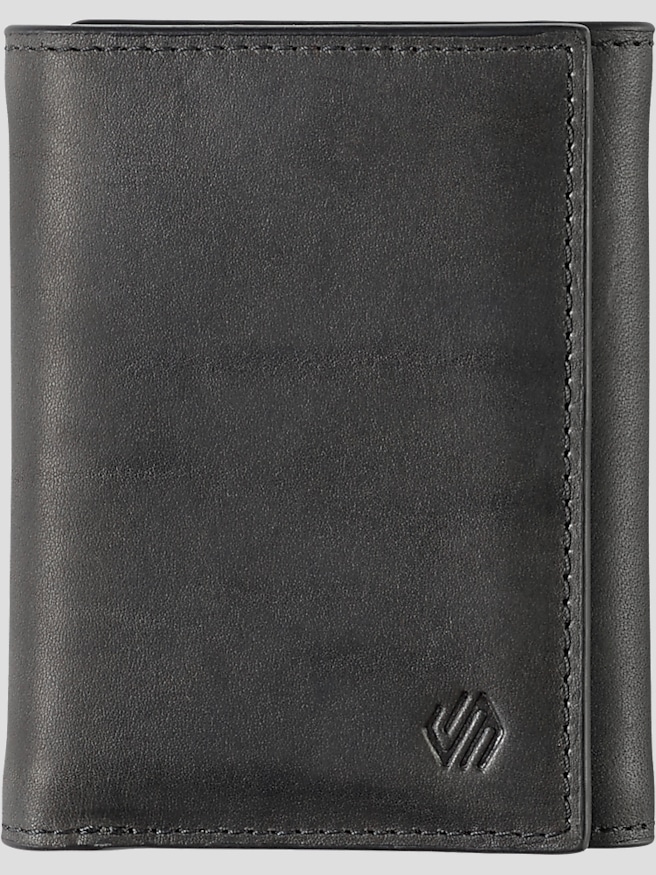
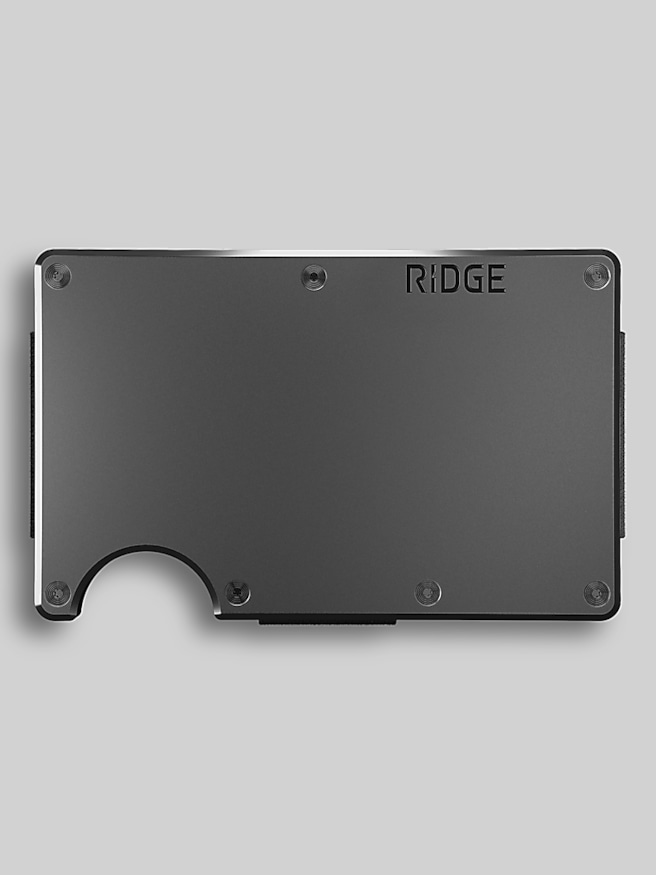
Men’s black leather spans clothing, footwear, and accessories, bringing a consistent color and distinctive texture to everything from tailored outfits to relaxed everyday dressing. Its appeal comes from the balance of practicality and character: a smooth black finish can look crisp with a suit, understated with chinos, or substantial against the texture of denim. The material itself varies considerably. Full-grain leather retains the hide’s natural surface, while top-grain leather has been refined at the surface to create a more uniform appearance. Neither term alone tells the whole story; the quality of the hide, tanning, finish, and construction also influences how a piece feels and wears. Supple lambskin often lends itself to clothing that drapes close to the body, while cowhide can provide a firmer feel and more pronounced structure, depending on its thickness and treatment. Surface finish changes the impression just as much as the type of hide. Matte black leather has a quiet, easygoing appearance, a polished finish adds definition to tailored clothing, and patent leather delivers the pronounced shine associated with formal dressing. In footwear, Black Leather Shoes can anchor an outfit without competing with the fabric or pattern above them. A sleek profile works naturally with a clean trouser break, while a more substantial shape gives visual balance to heavier denim or wider pants. Black leather accessories can repeat that color elsewhere in an outfit, creating a connection between the waist and the shoes. Exact texture matching is less important than a shared level of formality: a refined belt generally sits more comfortably alongside polished dress footwear than a thick, heavily textured one. The result is a coordinated appearance that feels intentional rather than rigid, whether the setting is an office presentation, a wedding reception, or dinner with friends.
Fit and construction determine whether black leather feels as good in use as it looks at first glance. Leather clothing should allow natural movement without relying on the material to stretch into the correct size. Across a jacket’s shoulders, the seams should sit comfortably, with enough room to reach forward or sit down without pronounced pulling through the back. The intended layer underneath matters, too; a close silhouette over a lightweight shirt may feel restrictive over a substantial knit. Sleeves should permit a comfortable bend at the elbow, and closures should meet without straining. Leather trousers need similar attention at the waist, seat, and knees, since a convincing standing fit can feel quite different once seated. Footwear brings its own considerations. A secure heel, adequate room through the toes, and comfortable width across the forefoot matter more than the expectation that leather will eventually loosen. Some softening is normal, but persistent pressure or pinching is not a reliable starting point for a comfortable fit. Linings, cushioning, sole flexibility, and the shape of the shoe all influence comfort, particularly for someone moving between a commute, desk work, and extended periods on foot. Leather soles can offer a refined profile, while rubber soles may provide useful cushioning and traction; performance depends on their design and the surface underfoot. Neat stitching, secure hardware, and well-finished edges are useful construction details across footwear, apparel, and accessories. On a belt, the width should suit the trouser loops, and the buckle should lie comfortably without overwhelming the front of the outfit. A longer strap is not automatically more versatile if it leaves an excessive tail. Durability comes from the combination of suitable materials, sound construction, proper fit, and use that matches the piece’s purpose. A supple leather jacket intended for everyday style, for example, should not be assumed to provide the protective performance of purpose-built riding equipment.
Good care preserves the qualities that make men’s black leather appealing: depth of color, a comfortable feel, and a surface that develops character without becoming neglected. Care methods need to match the leather and its finish, so the manufacturer’s directions take priority over a universal cleaning routine. For many smooth finished leathers, removing loose dust with a soft cloth is a sensible first step. Any cleaner or conditioner should be suitable for the material and tested in an inconspicuous area before broader application, since treatments can alter color, sheen, or texture. Conditioning can help appropriate leathers remain supple, but heavy applications may leave residue rather than improve the surface. Suede, nubuck, and patent finishes require their own methods and should not be treated as interchangeable with smooth leather. Footwear benefits from attention to the areas that see repeated flexing and contact, including the forefoot, heel, and edges. On compatible smooth leather shoes, suitable black cream or polish can help maintain color and appearance, while shoe trees can help preserve shape between wears. Allowing footwear to dry naturally between uses also supports its condition; direct heat can damage leather and adhesives. Clothing keeps its shape better on a supportive hanger than on a narrow hook, and storage with room for air circulation is preferable to tightly enclosing leather in plastic. Belts benefit from storage that avoids sharp folds or repeated bending in the same spot. These habits matter for pieces worn regularly to work as well as those reserved for formal occasions. Black leather can also make a thoughtful gift for someone building a professional wardrobe, celebrating a graduation, or refining an established personal style. Familiarity with the recipient’s size, preferred fit, and everyday routine makes the choice more personal and practical. For the wearer, the lasting appeal lies in that same connection between appearance and purpose: leather that suits the occasion, fits comfortably, and receives appropriate care can become a dependable part of getting dressed.