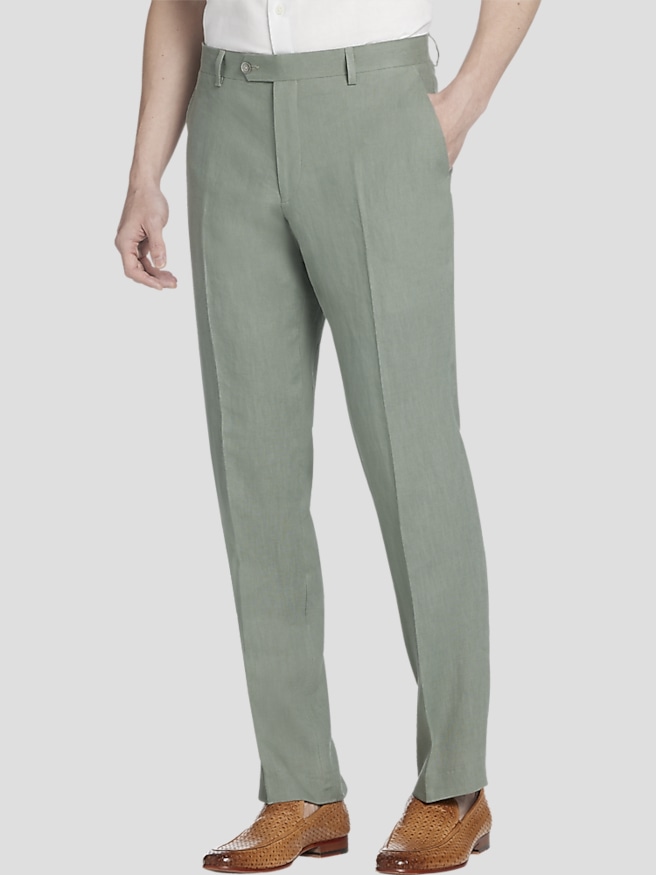
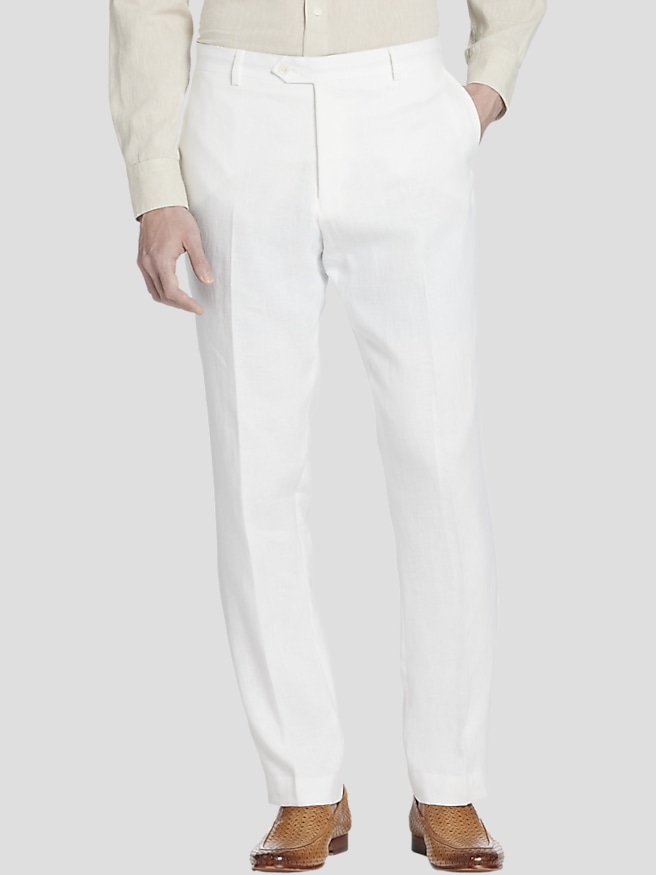
Linen pants for travel combine breathable fabric, a lightweight feel, and a versatile appearance that works for sightseeing, restaurant reservations, and time spent in transit. Their appeal comes from the balance between comfort and polish: they can feel easygoing without looking like clothing meant only for the hotel room. Linen is made from flax fibers, which give the fabric its characteristic texture and subtle variations in the yarn. Those small irregularities are part of its character, adding depth to solid colors without requiring a pattern. Fabric weight and weave make a meaningful difference, however. A lighter, more open weave may feel especially airy, while a denser construction can provide greater coverage and a more substantial drape. Pure linen typically has a crisp hand that becomes more supple with wear and appropriate care. Linen blends offer another approach, with the other fibers influencing softness, structure, stretch, and wrinkle recovery. Cotton can contribute a familiar, softer feel; certain synthetic fibers can improve resilience; and a small amount of elastane can add give. The exact blend matters more than the word “blend” alone, so fabric composition is useful when comparing how pants might suit a particular itinerary. Linen naturally creases, especially across the lap and behind the knees after sitting. That relaxed texture belongs to the fabric’s appearance rather than signaling poor quality, although travelers who prefer a smoother finish may favor blends designed for better wrinkle recovery. Breathability also depends on construction and fit, not simply the fiber name. Pants with room through the seat and thighs allow more movement than an equally lightweight pair cut too closely. For an itinerary that moves from an airport lounge to a walking tour and then a casual dinner, the most useful linen travel pants are those that balance fabric feel, comfortable proportions, and an appearance suited to several settings.
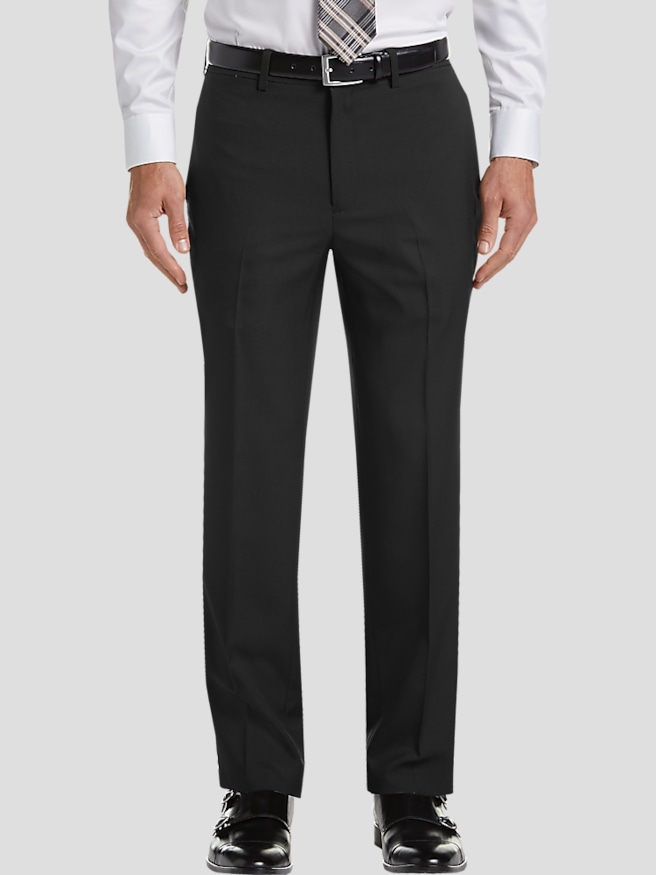
Fit becomes particularly noticeable over the course of a travel day, when long stretches of sitting alternate with stairs, sidewalks, and getting in and out of vehicles. A waistband should sit securely without pressing into the body when seated, and the rise should allow comfortable movement without pulling through the front or seat. Belt loops provide flexibility for adjusting the waist, while elasticized sections or drawstrings can create a more relaxed feel, depending on the design. A drawstring does not automatically make pants suitable for every occasion, just as a flat front does not guarantee comfort; the overall cut and finishing details determine the effect. Straight legs offer a classic outline with room through the lower leg, tapered cuts create a narrower silhouette toward the ankle, and relaxed cuts emphasize ease. None needs to look oversized when the waist, rise, and length are proportioned well. Hem length also changes the impression. A clean hem with little excess fabric at the shoe can look tidy with loafers or low-profile sneakers, while fabric pooling around the ankle may interfere with walking and collect dirt along the edge. Pockets deserve attention for practical reasons. Deep pocket bags and secure closures can help contain small essentials, but carrying too much can distort the drape or make the pants uncomfortable while seated. Color is another consideration for a compact travel wardrobe. Navy, charcoal, tan, and other versatile neutrals can coordinate with several shirts, reducing the need for separate outfits for every stop. Lighter shades may require more attention to fabric opacity and underlayers. A knit polo creates an easy, finished combination, while a woven shirt and unstructured jacket can make linen pants appropriate for a restaurant with a dressier atmosphere, subject to its dress code. For destination stays and relaxed dinners, Linen Resort Pants fit naturally into the same wardrobe, pairing with simple tops and understated footwear without requiring an entirely separate set of accessories.
Practical care helps linen travel pants remain useful beyond a single trip. Although flax fibers are known for strength, the durability of finished pants also depends on fabric construction, stitching, and repeated friction at areas such as the inner thighs, pocket openings, and hems. A fabric that feels substantial enough for frequent wear may be a better match for repeated travel than one chosen solely for its lightness. Care requirements vary by composition, lining, and garment construction, so the sewn-in label should determine whether washing, professional cleaning, ironing, or steaming is appropriate. Washable linen can shrink when exposed to unsuitable washing or drying conditions, and excessive heat may also affect stretch fibers in a blend. Allowing enough time for proper drying is especially relevant when a trip includes laundry between destinations. Packing methods influence appearance, but neither rolling nor folding makes linen wrinkle-free. Giving pants room in a suitcase, avoiding tightly compressed bundles, and unpacking them upon arrival can reduce pronounced creases. Hanging them from a suitable hanger helps maintain their shape between wears; any steaming or pressing should follow the care label. Natural creasing is easiest to live with when the rest of the outfit looks intentional, with a neat shirt, clean footwear, and a hem that sits correctly. For frequent travelers, these pants can serve as a dependable alternative to denim when an itinerary calls for something less casual but does not require a suit. They also make a thoughtful gift for someone who enjoys destination celebrations, extended stays, or trips built around dining and exploring. Familiar measurements and a clear understanding of the recipient’s preferred rise and leg shape matter more than guessing from a usual size alone. Whether chosen for an occasional getaway or regular trips, linen pants for travel earn their place through comfortable movement, adaptable styling, and care needs that fit the way the wearer actually travels.