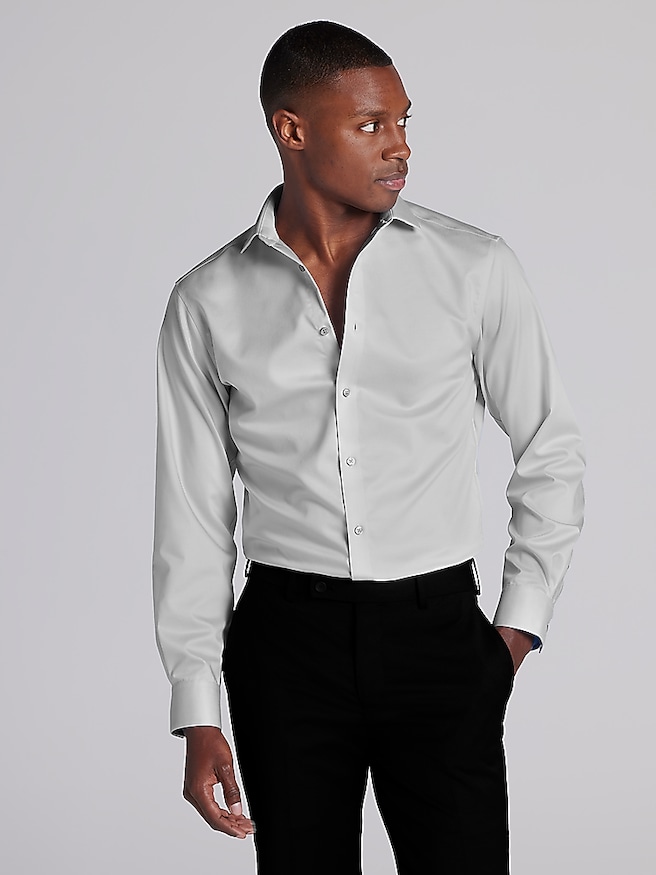
Lightweight shirts for Valentine’s Day bring a polished look to dinner reservations, a neighborhood coffee date, or an evening spent cooking together without the bulk of a heavier shirt. The category includes breathable button-front shirts, soft knit styles, and refined casual tops, with the best choice depending on the setting and how the shirt will be worn. A smooth cotton dress shirt looks crisp beneath a tailored jacket, while a softly textured knit feels relaxed with chinos and clean leather sneakers. Lightweight describes the fabric’s weight, not necessarily its sleeve length or level of formality: a long-sleeve woven shirt can feel airy, and a short-sleeve knit can still have enough structure to look put together. Cotton is a familiar choice for its softness and absorbency, though the weave and fabric density affect how freely air moves through it. Fine poplin typically has a smooth surface that suits dressier outfits, while linen offers distinctive texture and breathability, along with natural wrinkles that create a more relaxed appearance. Blended fabrics may combine the feel of natural fibers with added stretch, shape retention, or easier care; the fiber label provides a more useful picture than fabric weight alone. Color sets the mood without requiring an overt holiday motif. Pale pink adds warmth beneath a navy jacket, burgundy gives neutral trousers a richer contrast, and white or light blue keeps the outfit understated. A small check, subtle stripe, or tonal pattern can add interest when the rest of the look is simple. For a candlelit restaurant, a neat collar and smooth fabric can be enough to make the outfit feel intentional. For takeout and a favorite movie, a soft polo or understated T-shirt may fit the occasion more naturally. The appeal is versatility: a shirt chosen for Valentine’s Day can remain useful for work, weekend plans, and other occasions long after the celebration.
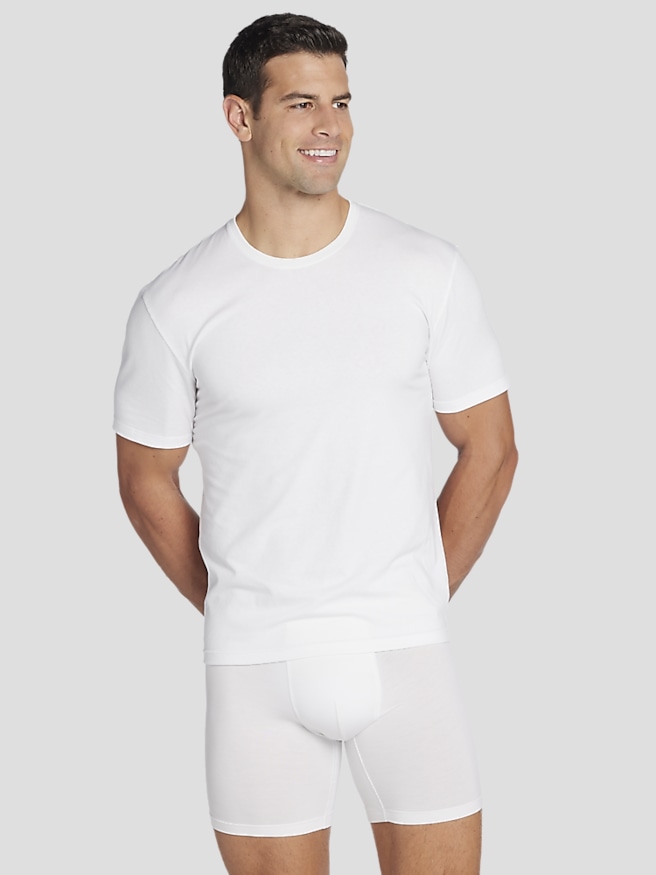
Fit has as much influence on a lightweight shirt’s appearance as the fabric itself. With less weight to disguise pulling or bunching, the shoulder line, chest, and hem deserve attention. On a traditionally constructed shirt, the shoulder seams should sit close to the ends of the shoulders, and the front should lie smoothly without gaps between the buttons. A trim fit creates a clean outline beneath a blazer, but it should still allow comfortable movement when reaching across a table or settling into a chair. A roomier cut offers more space through the chest and waist without needing to look oversized, especially when the shoulders and sleeves are proportioned well. Stretch can provide extra give, although it does not replace choosing the right size. For a closer look at shirts with that additional flexibility, Stretchable Shirts For Valentine's Day connects the occasion with another practical fabric consideration. Sleeve length and hem shape help determine how naturally a shirt fits into an outfit. Long sleeves with button cuffs work well under tailoring and can also look relaxed with the cuffs turned back neatly. Short sleeves create a more casual impression, particularly with an open collar and unstructured trousers. A shirt intended to be tucked in needs enough length to stay secure while sitting, whereas an untucked style should finish at a balanced point around the hips rather than extending far down the thighs. Lightweight fabrics also make layering easier, but pale shades and fine weaves can be somewhat sheer. An unobtrusive undershirt in a shade close to the wearer’s skin tone can reduce contrast; a low neckline keeps it out of sight beneath an open collar. A patterned shirt usually pairs most easily with solid trousers, while a plain shirt leaves room for a textured jacket or pocket square. These small choices keep the outfit cohesive without making a Valentine’s Day look feel overly coordinated or costume-like.
A lightweight shirt can also be a thoughtful Valentine’s Day gift for a partner, spouse, or someone who enjoys dressing with a little extra care. The most useful gift reflects the recipient’s habits rather than an imagined version of their wardrobe. Someone who regularly wears tailored clothing may appreciate a versatile woven shirt with a collar that sits neatly beneath a jacket. A person whose plans usually involve casual restaurants, live music, or relaxed gatherings may get more use from a comfortable knit or an easygoing button-front style. Familiar colors, preferred sleeve lengths, and the fit of a well-loved shirt offer practical clues. Neck and sleeve measurements matter for dress shirts that use numerical sizing, while chest measurements and the stated fit help with more casually sized styles. Care requirements deserve equal consideration, especially for a gift intended to become part of a regular rotation. Cotton and linen can wrinkle, and some fabrics may shrink with heat, so the garment’s care label should determine washing, drying, and ironing methods. Promptly removing a washable shirt from the machine, smoothing the placket, and hanging it appropriately can help limit creasing before it sets. Knits may need reshaping or flat drying when directed, while woven shirts often benefit from a hanger that supports the shoulders. Any steaming or pressing should stay within the label’s temperature recommendations. Lightweight does not automatically mean delicate, but durability depends on more than softness at first touch. Even stitching, secure buttons, tidy buttonholes, and well-finished seams all contribute to a shirt that stands up to repeated wear. Areas that see regular friction, including cuffs, collar edges, and underarms, benefit from attentive laundering and avoiding unnecessary high heat. For a shirt that will be worn beneath a jacket, a smooth surface can also reduce catching and bunching between layers. Ultimately, the strongest choice balances appearance with the way the wearer actually spends the evening: enough polish for the occasion, enough freedom to move comfortably, and a fabric and fit worth reaching for again.