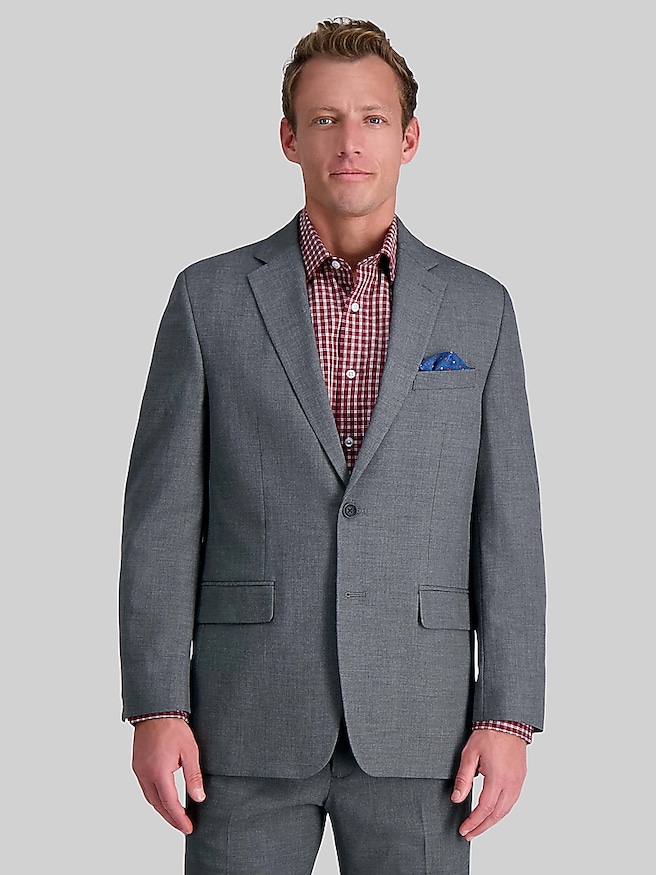
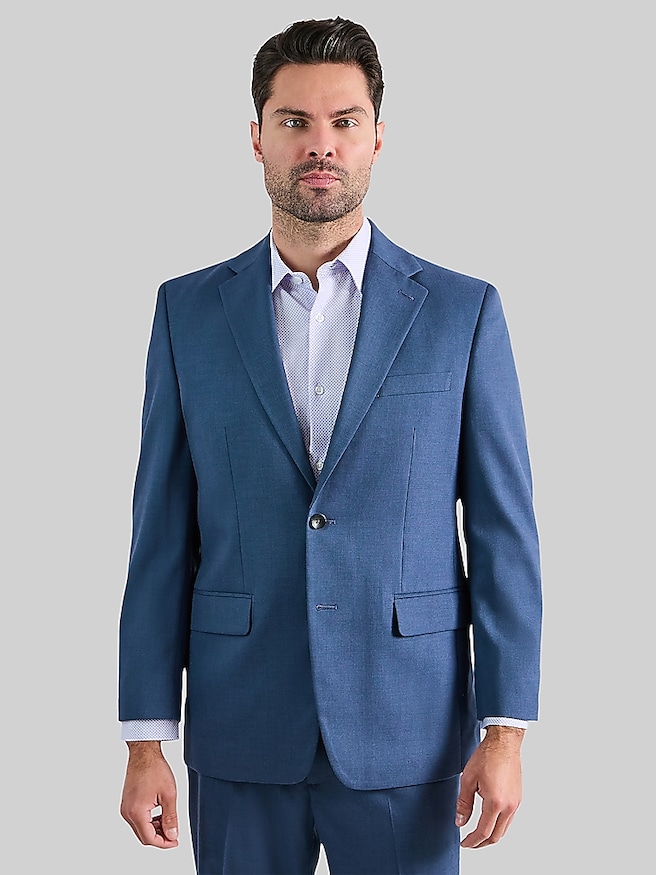
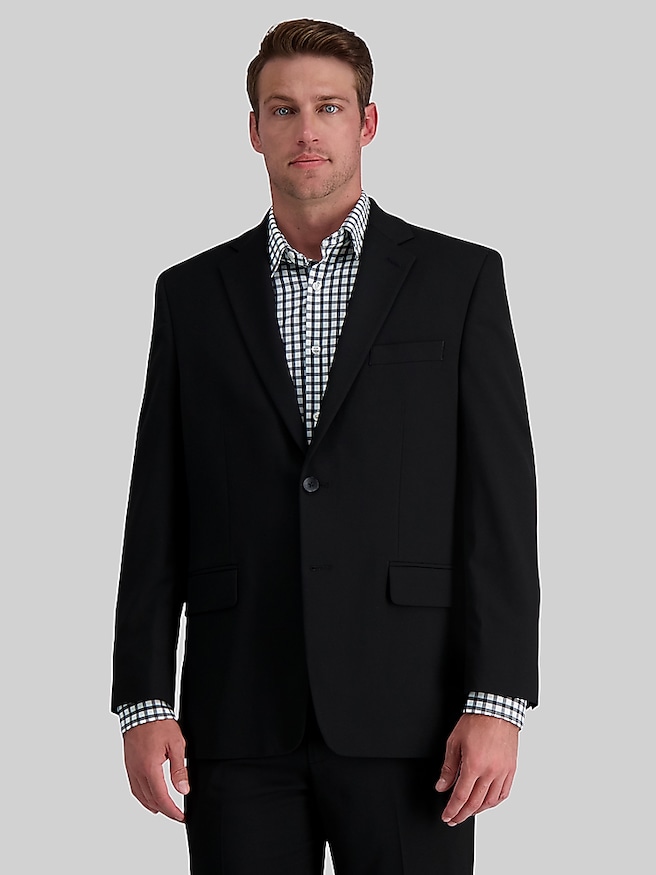
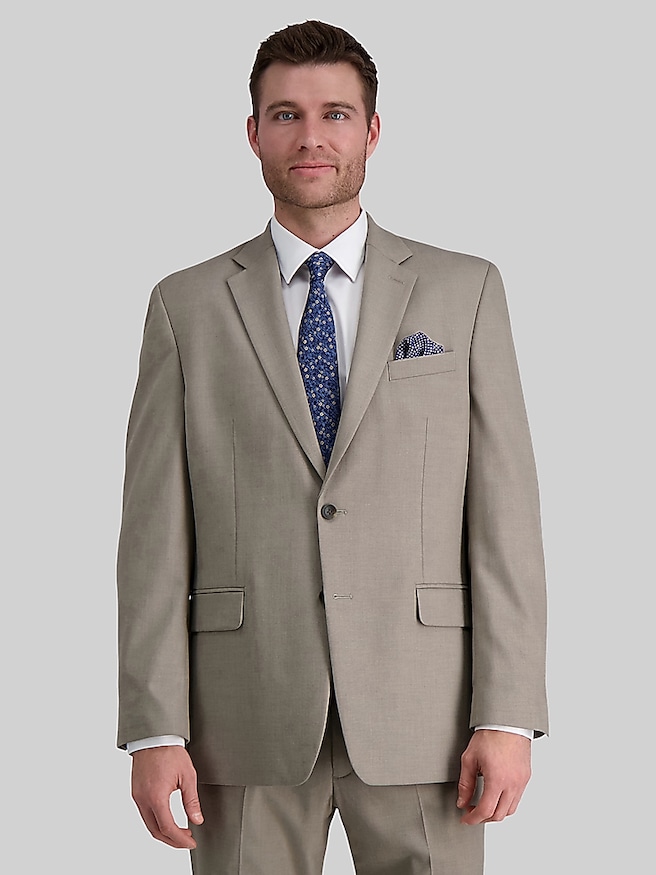
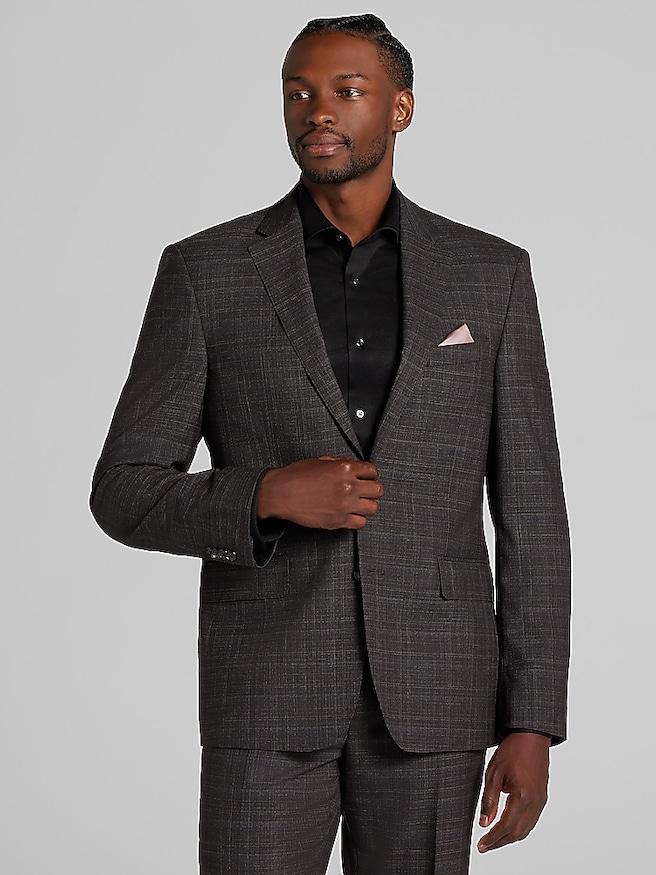
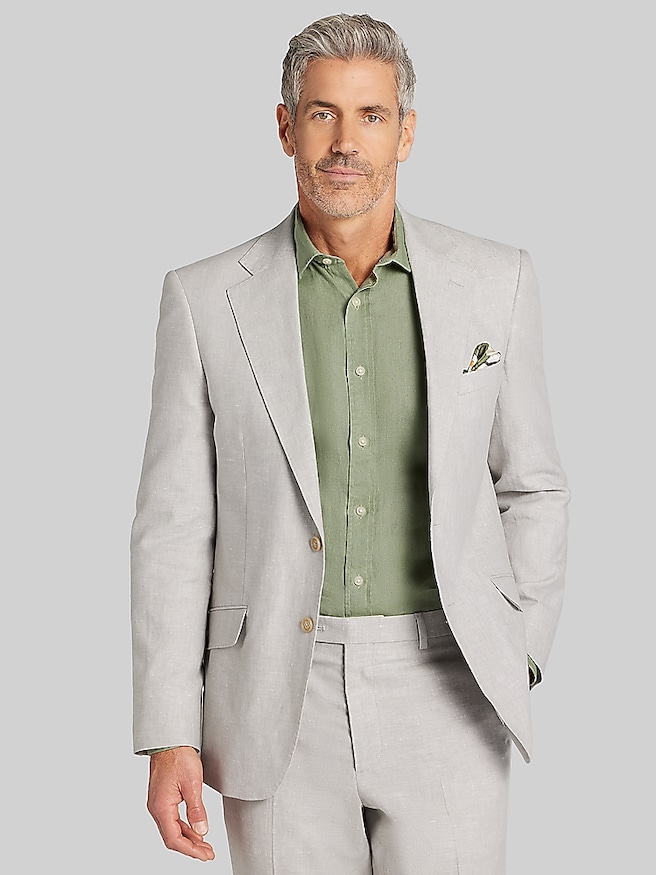
Labor Day men’s suits bring a polished look to holiday weddings, dressier dinners, family celebrations, and other occasions that call for more than a button-down shirt and casual trousers. The right suit feels appropriate to the setting without making the wearer feel overdressed or restricted. A navy two-piece suit, for example, can sit comfortably between a daytime ceremony and an evening reception, while charcoal offers a slightly more reserved look that also works for business meetings and formal gatherings beyond the holiday. Medium gray has a softer appearance in daylight and pairs easily with white, light blue, or subtly patterned dress shirts. Tan and lighter neutral shades lend themselves to relaxed venues when the invitation allows, while black has a sharper, more formal character, especially with a crisp white shirt and dark leather shoes. Solid fabrics put the emphasis on fit and accessories; fine checks, understated plaids, and textured weaves add interest without needing a bold shirt or tie. Sharkskin fabric can offer a subtle two-tone effect that changes with the light, giving a simple silhouette more depth. Two-piece suits keep the overall look straightforward, while a coordinating vest creates a more dressed-up impression and maintains a finished appearance when the jacket comes off. For someone attending a ceremony followed by several hours of dinner and dancing, comfort matters just as much as the first impression. A jacket that settles neatly across the shoulders and trousers that allow an easy stride help the outfit feel natural throughout the event. Labor Day suiting can also serve a purpose well beyond a single invitation: restrained colors and balanced proportions make a suit useful for presentations, milestone birthdays, anniversary dinners, and other occasions where thoughtful dress is part of the experience. That broader usefulness gives a holiday suit a lasting place in a wardrobe rather than tying it to one date on the calendar.
Fabric, construction, and fit shape how a suit looks and how comfortably it wears over a full day. Wool is valued for its drape, breathability, and natural resilience, although the weight and weave of the cloth affect its feel. A finer, smoother weave tends to appear dressier, while a more textured surface brings visual depth to understated colors. Wool blends combine those characteristics with other fibers, with performance depending on the composition and construction. Linen and linen blends have a distinctive texture and relaxed character; some creasing is part of their appearance rather than a sign that the suit fits poorly. Fabrics containing stretch can provide extra give through seated dinners, travel, and movement, but stretch does not replace adequate room through the shoulders, seat, or thighs. The lining also influences how a jacket feels, and a lighter lining arrangement may feel less enclosed than a fully lined design. Slim, modern, and classic fits describe general silhouettes, not a universal sizing standard. Slim cuts usually sit closer through the torso and legs, modern fits balance shape with room, and classic fits generally provide a fuller outline. Body proportions remain more important than the name on the fit label. The shoulder line should sit cleanly, the collar should rest near the shirt collar, and the jacket front should close without pronounced pulling around the button. Trousers need enough room to sit comfortably without excess fabric bunching through the seat. Length changes the impression, too: a slight break over the shoe looks traditional, while little or no break creates a cleaner, more streamlined finish. Short, regular, and long jacket proportions address more than sleeve length because they also affect the placement of the waist and hem. Big and tall sizing can provide additional options for broader builds or longer proportions. Suit separates can accommodate someone who needs one size through the chest and another at the waist, while matching cloth and color keep the finished outfit cohesive.
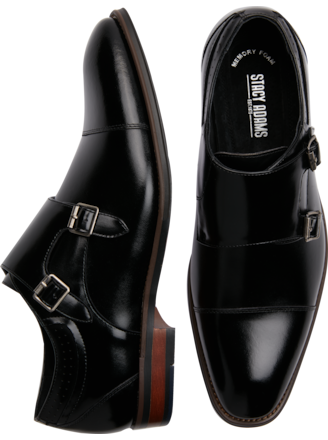
Shirts, shoes, and accessories determine whether Labor Day suits lean toward relaxed celebration or a more formal occasion. An open-collar dress shirt can soften the look for a dinner where a tie is not expected, while a neatly tied silk tie and a white shirt establish a more traditional foundation for a wedding or important gathering. Small-scale shirt patterns work best when they remain distinct from the suit’s pattern; a fine stripe beside a larger windowpane check is easier to read than two patterns of nearly identical size. A pocket square can pick up a color from the shirt or tie without matching either exactly. Coordinating Labor Day dress shoes help finish the outfit, with smooth leather oxfords creating a dressier impression and loafers lending a less formal character when the venue permits. Trouser length and shoe shape work together, so a hem that falls neatly over a lace-up may sit differently over a lower-profile loafer. Socks that relate to the trousers keep the line of the leg continuous, while a belt, when worn, generally looks most cohesive when it complements the shoes. Regular care protects both the appearance and useful life of the suit. A broad, supportive hanger helps a jacket retain its shape, and hanging trousers neatly reduces persistent folds. Airing the suit after wear and gently brushing away surface dust can limit unnecessary cleaning. Care instructions vary by fabric, lining, and construction, so the garment label is the reference for cleaning and pressing; excessive heat can damage some fibers or leave an unwanted shine. Cleaning both pieces together when needed helps their appearance stay consistent over time. For a graduation gift, a career milestone, or a significant birthday, a suit can be a practical choice when the recipient’s measurements, preferred fit, and usual occasions are known. Lasting usefulness comes from comfortable proportions, dependable construction, and a style that feels like the person wearing it.