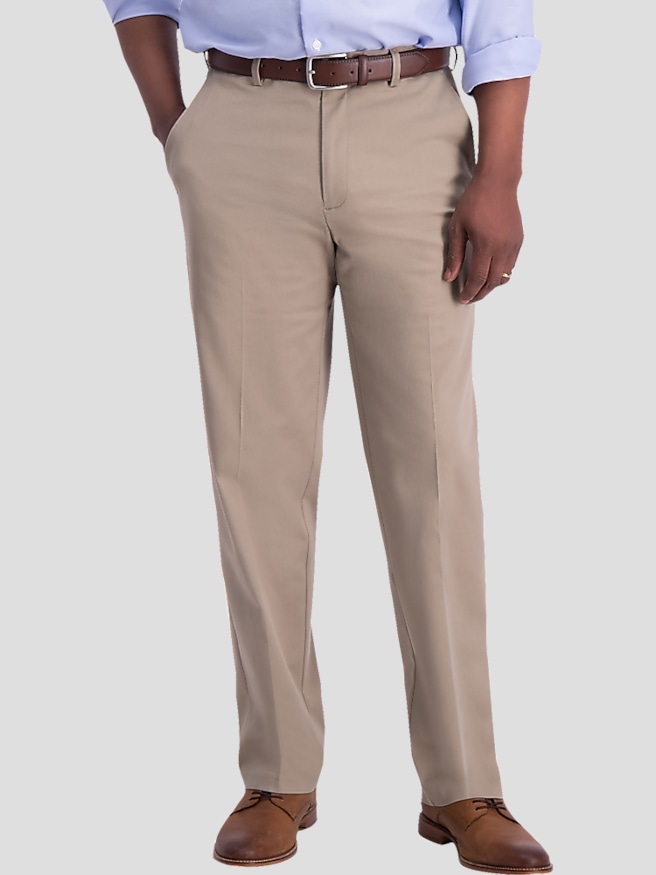
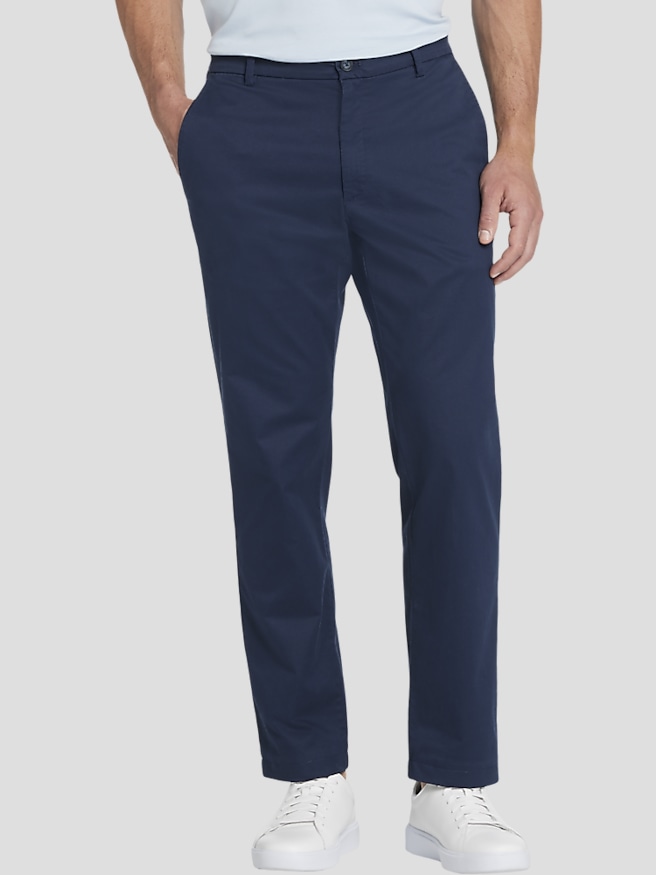
Khaki work pants bring together a neutral color, practical construction, and a look that fits a wide range of workplaces. Khaki describes the tan color family rather than a single fabric or cut, so these pants can range from smooth, office-ready chinos to sturdier styles intended for more active days. Shades from light sand to deeper brown pair naturally with navy, white, blue, gray, and olive, making them an easy foundation for a work wardrobe. For someone moving between a desk, a customer counter, and an afternoon meeting, a clean silhouette and a comfortable waistband can be as important as fabric strength. For work that involves frequent walking, lifting, or bending, freedom of movement and durable construction deserve closer attention. Cotton twill is a familiar choice because its diagonal weave offers a substantial feel while maintaining a tidy appearance. Cotton-rich blends can balance that familiar texture with easier care, while polyester blends may help with wrinkle resistance and shape retention. A small amount of elastane can add flexibility through the seat and knees without making the pants look athletic. Fabric weight also affects the experience: lighter constructions tend to feel less bulky, while heavier weaves can offer more substance for repeated wear. Ripstop fabrics, reinforced seams, and added material at high-friction areas are useful features to consider when the job involves more physical activity, though those details vary by style. A stain-resistant finish or soil-release treatment may make routine upkeep easier, but neither makes fabric immune to marks. The most useful khaki work pants match the demands of the day rather than relying on one feature alone. An office professional may prioritize a smooth front and a crisp crease, while a retail associate, teacher, or supervisor who spends hours on foot may place greater value on stretch, pocket placement, and a waistband that stays comfortable through a full shift. In either setting, a neat appearance works best when it is backed by fabric and construction suited to repeated use.
Fit determines how well work pants perform once the day gets moving. A waistband should sit securely without digging in when seated, and the rise should provide enough room through the seat without pulling at the front. Slim fits create a closer outline through the thigh and lower leg, but they still need enough ease for walking up stairs or reaching a low shelf. Straight fits offer a more consistent line from the knee toward the hem and work well with many dress shoes and understated work shoes. Relaxed fits provide additional room through the seat and thigh, which can be useful for active tasks or for anyone who prefers less restriction. Fit labels are only a starting point; the balance between body shape, fabric stretch, and the actual cut matters more than the name. Pocket openings that flare, horizontal pulling across the thighs, or a waistband that shifts with every step can signal that the proportions need adjustment. At the hem, a slight break can look polished with lace-up shoes, while excessive bunching creates bulk and can interfere with movement. Practical details also deserve attention. Belt loops should accommodate the belt worn for work, pocket bags should feel substantial enough for everyday essentials, and closures should lie flat beneath an untucked polo or tucked-in shirt. Carrying a phone, keys, and a wallet should not distort the shape of the pants or make sitting uncomfortable. Utility pockets can be helpful when tasks call for them, but a simpler pocket arrangement often looks cleaner in customer-facing settings. Reinforced stitching at pocket corners and other stress points can support durability where fabric receives repeated tension. Khaki work pants intended for ordinary workplace wear are not a substitute for required protective clothing. Jobs involving flame, electrical hazards, or other specialized risks require clothing that meets the employer’s safety requirements, regardless of how sturdy everyday pants may feel. Comfortable movement, appropriate coverage, and compliance with the workplace dress code remain the foundation of a useful fit.
The versatility of khaki work pants extends beyond the workday without requiring a complete change of clothes. A button-down shirt and leather belt create a composed look for an office or client visit, while a knit polo keeps the same pants approachable for a more casual workplace. A blazer can add definition when the setting calls for a sharper appearance, provided the pants have a sufficiently clean finish and tailored shape. For occasions that lean more toward polished everyday dressing, Stylish Khaki Pants offer another way to explore the color’s versatility. The shade of khaki influences the overall effect: lighter tones create more contrast with dark shirts and shoes, while deeper tans can feel more understated beside muted colors. Consistent care helps preserve both that color and the structure of the fabric. The care label should determine washing, drying, and pressing methods, especially when pants contain stretch fibers or have a performance finish. Addressing a spill promptly with a treatment suitable for the fabric can help prevent it from becoming a lasting mark. Washing with compatible colors, avoiding unnecessary heat, and removing pants from the dryer promptly when machine drying is permitted can help maintain their appearance. Some fabrics benefit from a light press, while others need only careful hanging and smoothing after laundering. Durable construction still benefits from attention between wears: checking a loose button, repairing an opening seam, or emptying pockets before washing can prevent a small issue from becoming a larger one. Alternating between pairs also gives each pair time to air out and makes regular laundering easier to manage. As a gift for a graduate beginning a first office job or someone building a more versatile work wardrobe, khaki pants are most useful when the recipient’s preferred fit, measurements, and dress requirements are known. Their lasting appeal comes from that combination of practicality and flexibility: enough structure to look put together, enough comfort for an ordinary working day, and a neutral color that works with clothing already in the closet.