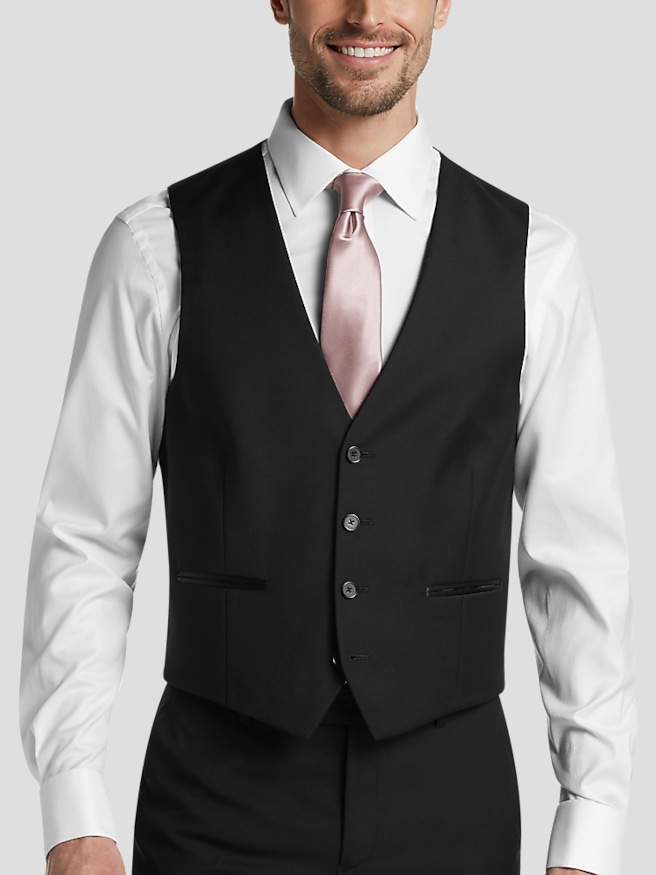
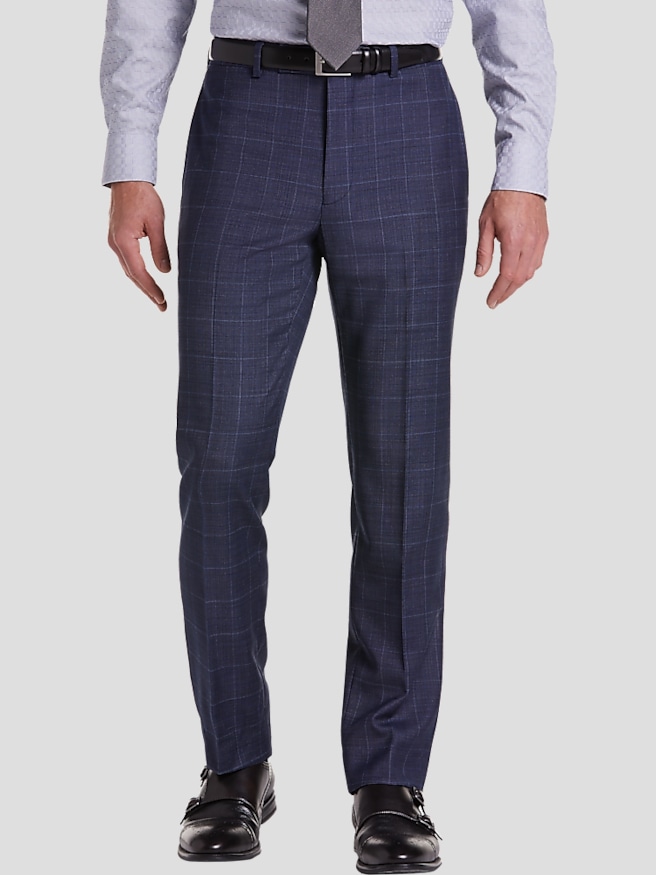
Homecoming essentials bring together the clothing and finishing touches that make a school celebration feel like an occasion: a well-fitting suit or sport coat, dress pants, a dress shirt, polished shoes, and accessories that give the outfit personality. For many students, the homecoming dance is an early opportunity to choose dress clothes that feel distinctly their own, whether that means a classic navy suit, a black-and-white combination, or a subtle pattern with a colorful tie. The right level of formality depends on the event’s dress code. A coordinated suit creates a cohesive look for a dressier dance, while a sport coat with tailored trousers can suit a celebration with more relaxed expectations. A tuxedo belongs in the mix when the invitation calls for black tie, rather than simply because the occasion includes dancing and photographs. Across these options, fit does more for the finished appearance than extra embellishment. Jacket shoulders should follow the natural shoulder line without extending past it, and the collar should rest close to the shirt rather than pulling away from the neck. A smooth chest and a comfortable waist help the jacket look composed without restricting movement. Dress pants should sit securely at the waist, lie smoothly through the seat, and allow enough room to sit through dinner or step onto the dance floor. Slim, tailored, and classic cuts offer distinct silhouettes, but the label matters less than how the clothing feels while standing, sitting, and moving. Shirt cuffs that show slightly beneath jacket sleeves and pant hems that meet the shoes cleanly create a deliberate finish. These details are especially noticeable in group photos, where a tidy collar and balanced proportions stand out more than an elaborate outfit. For students choosing formal clothing for the first time, versatile colors and straightforward shapes also give homecoming pieces a useful life beyond a single evening, including school presentations, family celebrations, and future milestone events. An outfit that feels familiar rather than costume-like makes it easier to enjoy the occasion without constantly adjusting a sleeve, collar, or waistband.
Fabric and construction shape how homecoming clothing looks at the start of the evening and how comfortably it wears through the last song. Wool is valued in suiting for its drape, breathability, and natural resilience, while wool blends can combine those qualities with added strength or easier maintenance, depending on their composition. Fabrics with a small amount of stretch may offer welcome flexibility through the shoulders, elbows, and knees, though stretch does not replace the need for an appropriate fit. Smooth worsted fabrics create a crisp, refined appearance; lightly textured weaves add depth without depending on a bold print. A matte finish can also keep the overall look understated under bright lights and camera flashes. Dress shirts bring their own balance of structure and comfort. Cotton offers a familiar feel against the skin, while cotton blends may help manage wrinkles during a long evening. A collar needs enough room to button comfortably beneath a tie, and the shirt body should remain tucked without bunching heavily around the waistband. Opaque fabric, neatly finished seams, and secure buttons are useful details for clothing expected to handle repeated wear. Jacket linings influence how easily the garment slides over a shirt, and smooth pocket openings and reinforced stress points contribute to durability. Footwear deserves the same attention as the suit itself, especially when the evening includes walking between photo locations, standing with friends, and dancing. Leather dress shoes offer a traditional finish, while loafers or clean-lined lace-ups can complement less formal combinations when the dress code permits. Toe room, heel security, and a comfortable footbed matter more than an unusually sharp silhouette. Shoes that pinch during a brief try-on are unlikely to become comfortable over several hours. Dress socks help reduce friction and cover the ankle when seated; a fine knit also fits more smoothly inside dress shoes than a thick athletic sock. Together, these choices support an outfit that looks polished without feeling stiff or distracting.
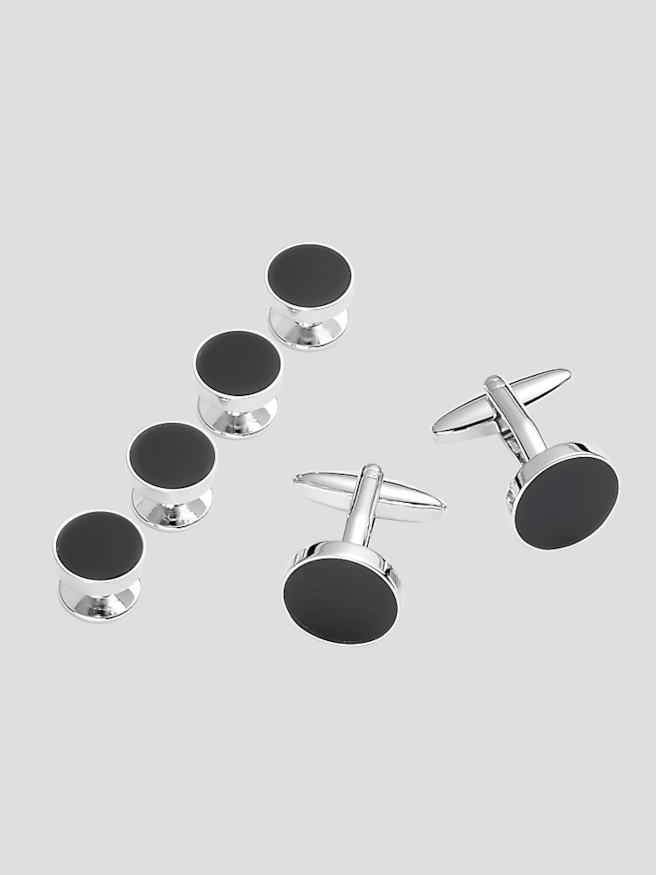
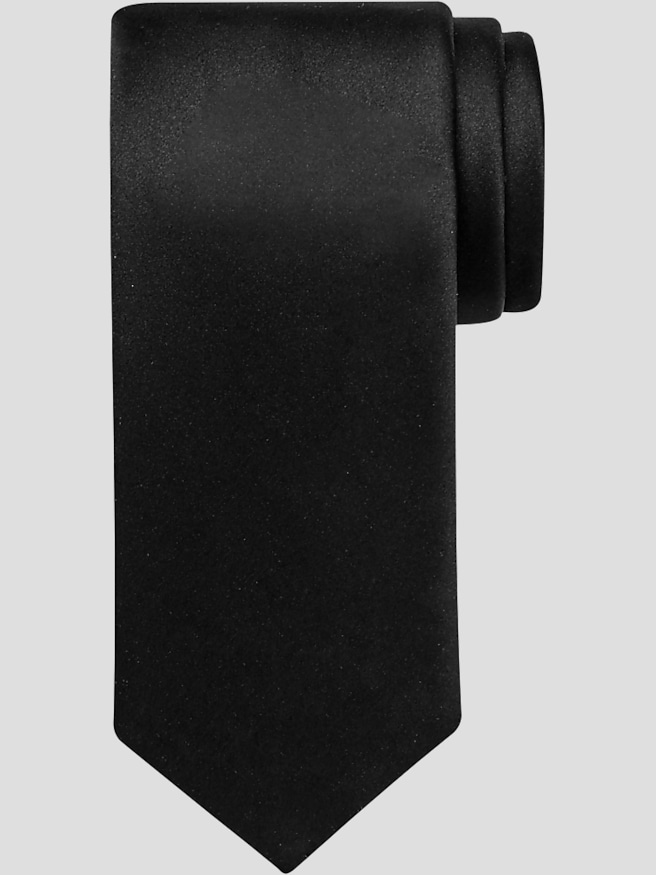
Accessories give homecoming outfits their individual character while keeping the main pieces visually connected. A tie can introduce school colors, echo a companion’s outfit, or add a restrained pattern to a solid shirt and suit. Bow ties offer another dressy option, with the fabric and shape helping determine whether the effect feels traditional or playful. The proportions should work together: a narrower tie generally sits comfortably with slimmer lapels, while fuller lapels can support a wider tie. A pocket square adds contrast near the face, but it does not need to duplicate the tie exactly; a shared color or complementary texture often feels more natural than identical patterns. The finishing pieces gathered in Homecoming Accessories help connect those details, from the neckline to the shoes. Belts and footwear in compatible leather tones give the outfit continuity, while a simple watch or understated cuff links can add interest without competing with every other element. Cuff links require a shirt designed to accommodate them, making cuff construction an important consideration. A boutonniere, when part of the celebration, is traditionally positioned on the left lapel, where it can sit neatly without interfering with the jacket’s closure. Small practical details matter, too: keeping bulky belongings out of trouser pockets preserves a clean silhouette in photographs and makes sitting more comfortable. After the event, thoughtful care helps protect the clothing’s shape and finish. A broad hanger supports jacket shoulders, and hanging trousers neatly helps prevent unnecessary creasing. Garments should have time to air out before being stored, with any cleaning guided by the care label and fabric composition. Dress shirts may be washable, while tailored jackets and trousers often need professional attention; stains are best addressed promptly using a method suited to the material. Leather shoes benefit from gentle cleaning and appropriate conditioning, while suede needs its own brush and care products. For family members choosing a useful homecoming gift, a versatile tie, quality dress socks, or understated finishing accessories can become part of a student’s wardrobe well beyond the dance. The strongest homecoming combinations feel occasion-ready without sacrificing comfort, individuality, or the possibility of wearing the pieces again.