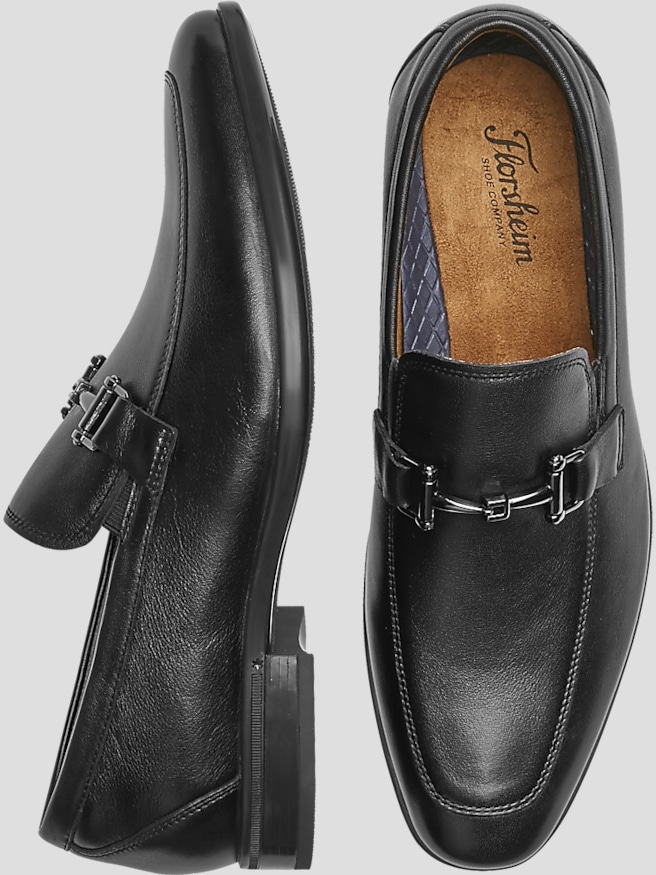
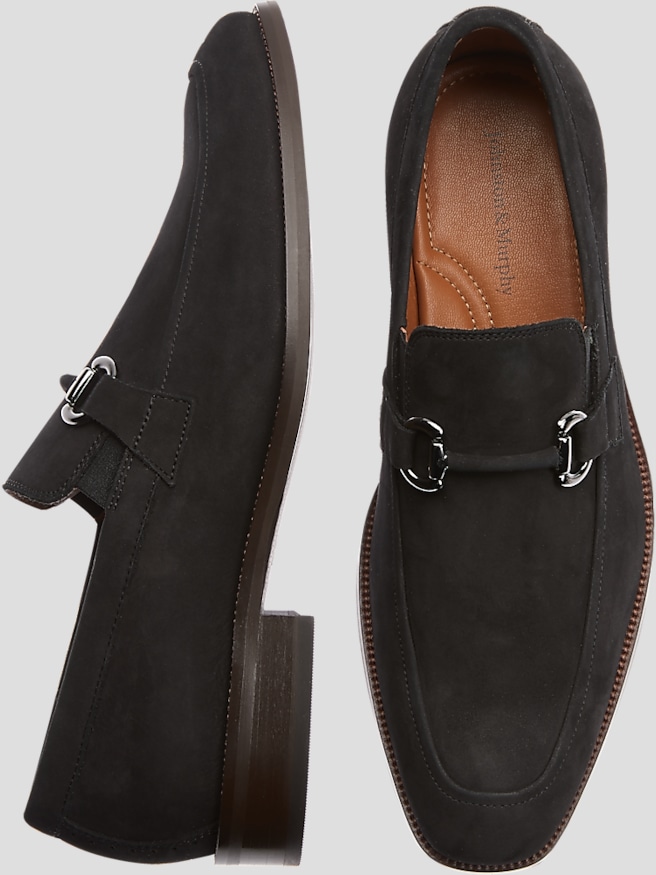
Fabric loafers bring the familiar ease of a slip-on shoe to uppers made from textiles such as canvas, woven cotton, linen blends, and velvet. Their character comes as much from the surface of the material as from the shape of the shoe: a visible weave adds depth to a simple outfit, sturdy canvas keeps the mood relaxed, and velvet catches the light with a richer finish. Unlike suede, which is leather with a soft nap, fabric has a textile structure that influences how the upper bends, breathes, and responds to wear. That distinction matters when choosing shoes for a particular setting. Canvas loafers often feel at home with chinos and an untucked button-down, while finely woven uppers can complement tailored trousers and a knit polo. Velvet loafers lean toward evening occasions, especially when their shape is sleek and their decoration restrained; whether they suit a formal event depends on the dress code and the rest of the outfit. Fabric alone does not determine how cool or lightweight a shoe feels, since lining, padding, and sole construction also play a part. An open weave may allow more airflow than a dense textile, but a substantial lining can change that experience. Color adds another layer of versatility. Navy, charcoal, brown, and black provide understated foundations, while lighter neutrals emphasize texture and create a softer contrast with darker pants. Penny straps, tassels, and simple slipper-style fronts each give the same broad category a distinct personality without changing its easy, lace-free appeal. During the cooler months, textured loafers can look especially natural beside corduroy, brushed cotton, or wool trousers in dry conditions. A pair beneath straight-leg chinos and a crewneck sweater feels relaxed enough for dinner with friends, yet considered enough for a workplace with a casual dress code. The appeal is not limited to one age or wardrobe: fabric loafers suit men who want a softer visual alternative to polished leather, whether their everyday clothing is tailored, casual, or somewhere between the two.
The most comfortable fabric loafers balance a secure fit with enough room for the foot to move naturally. Because there are no laces to adjust, the shape through the heel, instep, and forefoot deserves particular attention. The heel should feel held without rubbing, the upper should sit comfortably across the instep, and the toes should have space without the foot sliding forward. Persistent heel lift or pressure across the top of the foot can signal a mismatch in size or shape rather than something that wear will reliably correct. Some textiles soften with use, but fabric should not be expected to stretch enough to fix a tight fit. Trying loafers with the socks intended for regular wear gives a more useful impression than assessing them barefoot and adding thicker socks later. Low-profile socks keep the ankle line clean, while fine-gauge dress socks provide coverage under trousers as temperatures drop. A smooth lining and neatly finished interior seams can matter during a long afternoon at the office or an evening spent standing and talking. Underfoot construction is equally important: cushioning affects initial softness, support influences how the shoe feels over time, and outsole flexibility helps determine how naturally each step moves. Rubber soles may provide useful grip and a more casual appearance, although traction depends on tread, compound, and the walking surface. Slimmer soles create a dressier outline but do not automatically indicate greater comfort. For another view of low-profile slip-on silhouettes, Flat Loafers offers a related category, with upper material remaining a separate consideration. Intended use helps put those details in perspective. A short walk from the car to a restaurant asks less of a shoe than a full day of commuting and standing. Fabric loafers can work well for indoor gatherings, office days, and relaxed evenings, but loosely woven uppers and smooth soles are not substitutes for footwear designed for cold rain, snow, or icy sidewalks. Matching the construction to the day's activities keeps the choice practical as well as polished.
Care and durability depend on both the textile upper and the way the loafer is assembled. Dense canvas may handle everyday scuffs differently from an open weave or a plush velvet surface, and exposed threads can be vulnerable to snagging against rough edges. Even stitching, tidy joins, and a firmly attached sole are useful construction details to notice, particularly for shoes expected to see frequent use. Keeping fabric loafers looking sharp usually begins with removing loose dust before it settles into the texture. A soft brush or dry cloth can help on suitable materials, while velvet may need gentle brushing in the direction of its pile to maintain an even appearance. Cleaning instructions should take priority over a general approach: a textile upper does not make the whole shoe machine washable, and soaking can affect dyes, adhesives, linings, or the shoe's shape. When spot cleaning is permitted, a small amount of the recommended cleaner, tested first in an inconspicuous area, is a more cautious choice than saturating the surface. Any protective treatment should also be suitable for the exact material, since some sprays can alter color or texture. After damp wear or cleaning, air drying away from direct heat helps protect the construction; clean paper placed loosely inside can help absorb moisture and support the shape. Allowing shoes to dry fully between wears and storing them away from dust can make regular upkeep easier. These habits are especially worthwhile for loafers worn to dinners, celebrations, and other occasions where a clean finish makes an impression. Fabric loafers can also make a thoughtful gift for someone who enjoys textured accessories or prefers slip-on footwear, provided the recipient's size, width, and usual style are known. A familiar neutral shade is often easier to work into an established wardrobe than a bold pattern. Whether chosen for daily rotation or occasional evenings out, the strongest match combines an appealing textile, a comfortable shape, and construction suited to how the shoes will actually be worn.