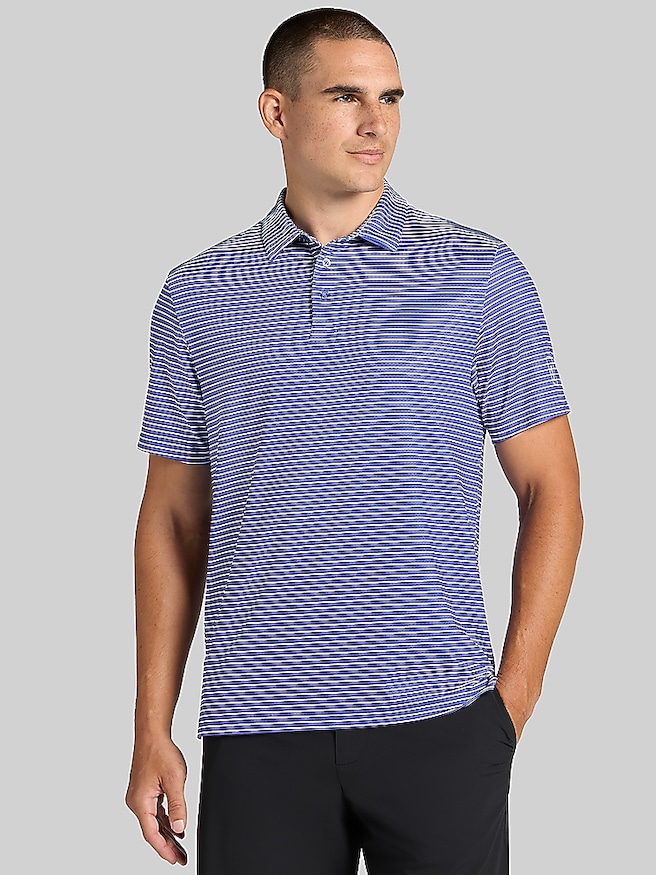
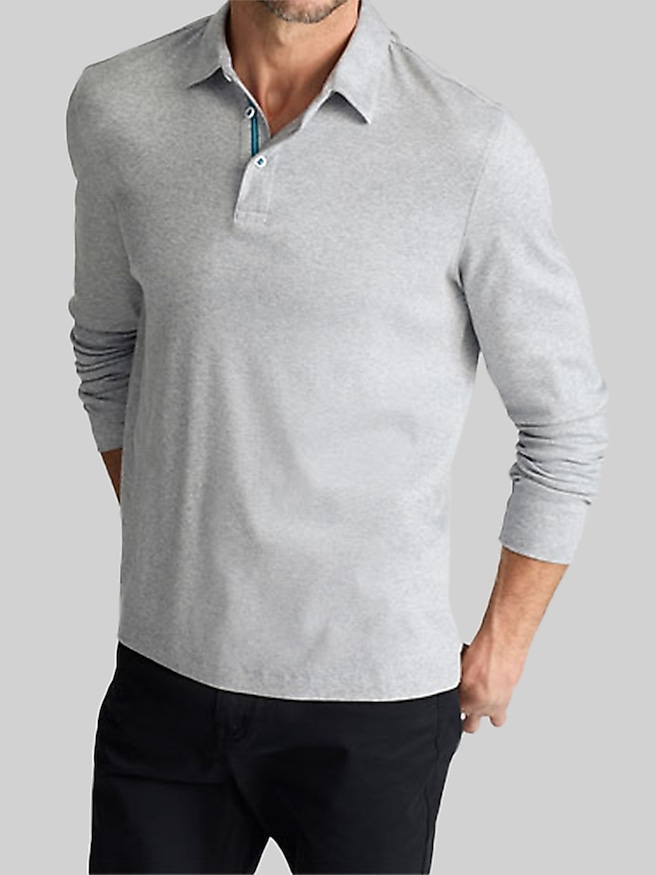
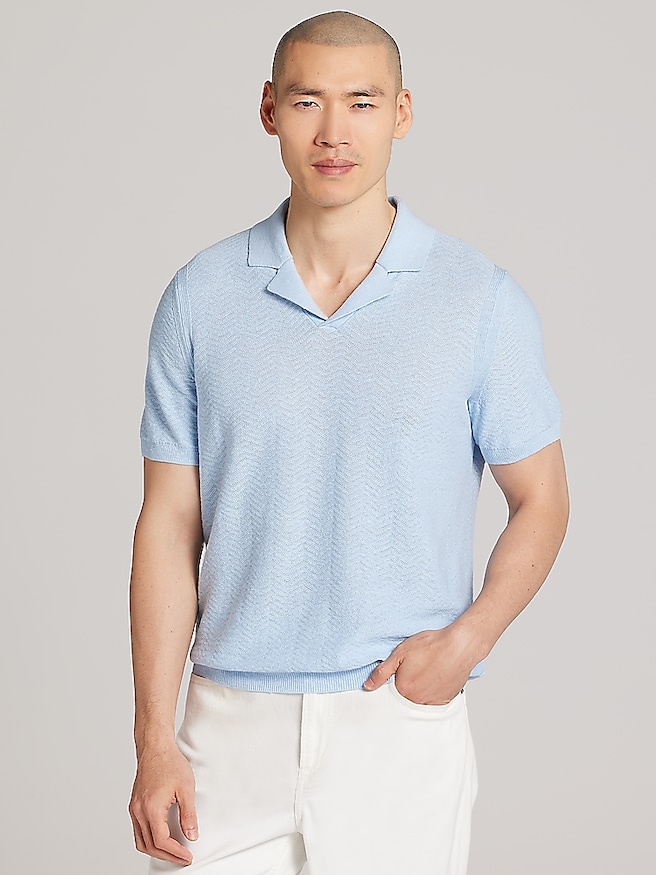
White polo shirts combine the ease of a T-shirt with the definition of a collar, making them a practical focus for Cyber Monday shopping and a versatile foundation for everyday dressing. The appeal starts with their simplicity: a white polo can look relaxed with jeans, polished with chinos, or comfortably put together beneath an unstructured jacket. Fabric and construction determine much of that character. Cotton piqué has a lightly textured surface that gives the shirt visual depth and helps keep the fabric from lying flat against the body. Cotton jersey feels smoother and more like a familiar tee, with a softer drape that suits casual outfits. Cotton blends can bring together the feel of natural fibers and the shape retention of synthetic fibers, although the balance depends on the fabric composition and knit. A small amount of stretch may make reaching, sitting, and moving more comfortable without requiring an oversized fit. Performance fabrics are another consideration for golf, travel, or active days, but moisture management, odor resistance, and wrinkle resistance are separate features rather than automatic benefits of every synthetic shirt. The garment description and care label are the best places to confirm those properties. With white fabric, opacity deserves particular attention because color alone says little about coverage. Knit density, fabric weight, and fit all affect how much shows through, especially across the chest and shoulders. A substantial fabric may offer more coverage, while a lighter knit may feel less weighty; neither is automatically better for every use. Details such as the collar shape, button placket, and sleeve finish also influence the overall impression. A neatly shaped collar and restrained detailing tend to work well in business-casual settings, while a softer collar and relaxed silhouette feel more informal. The most useful choice is a white polo whose texture, coverage, and structure match the places it will actually be worn.
Fit is what makes that simple design look intentional. In a conventional polo, shoulder seams should sit close to the shoulder edges, and the chest should have enough room for a comfortable breath without pulling the placket open. Fabric that forms tight horizontal lines across the torso can indicate too little room, while excess material gathering beneath a jacket can make layering awkward. Slim fits generally sit closer to the body; classic and relaxed fits typically leave more space, though those terms vary between makers. Measurements are more dependable than fit names alone. Comparing a size chart with a well-fitting shirt can help clarify chest width, body length, and sleeve proportions, particularly when choosing a gift. Short sleeves should allow easy movement without pinching the upper arm, and the hem should suit the way the shirt will be worn. An untucked polo generally looks balanced when it covers the waistband without extending so far that it overwhelms the trousers. For a tucked-in look, enough length to stay in place while sitting and reaching matters more than a precisely cropped silhouette. Side vents can help the hem move comfortably over the hips, but their presence does not determine whether a shirt must be tucked. For an office that allows polos, white pairs naturally with navy or charcoal trousers and a leather belt. For dinner at a neighborhood restaurant, dark jeans and clean loafers create a similarly straightforward outfit without looking overly formal. Golf and other movement-heavy activities may call for greater freedom through the shoulders and a fabric suited to the activity. A white polo can also make a thoughtful gift for someone who favors uncomplicated clothing, travels often, or wears collared shirts throughout the week. Matching the recipient’s preferred fit and care habits is more useful than guessing based on appearance alone. It is an adaptable casual shirt, not a substitute for a dress shirt when an invitation or workplace requires one.
Keeping a white polo looking crisp depends as much on routine care as on its initial construction. Start with the care label, since cotton, stretch blends, and performance fabrics can require different wash temperatures and drying methods. Separate white clothing from dark or strongly colored fabrics to reduce the chance of dye transfer, and avoid overfilling the washer so water and detergent can circulate. Collar edges, cuffs, and underarms often need extra attention because they collect skin oils and everyday residue. Pretreat marks promptly with a method suitable for the fabric, and check that a stain has lifted before applying dryer heat, which can make some marks harder to remove. More detergent is not necessarily more effective; excess can leave residue that affects the feel and appearance of the knit. Bleach is not suitable for every white garment, particularly when stretch fibers, finishes, or contrasting details are involved, so follow the label rather than assuming white fabric can tolerate it. Where permitted, lower drying heat can help limit shrinkage and wear, while reshaping the collar and smoothing the placket before drying can reduce unwanted creases. Storage matters, too: folding can help prevent stretching through the shoulders, and a clean, fully dry shirt is less likely to develop musty odors. When assessing durability, look for even stitching, securely attached buttons, a flat placket, and collar ribbing that returns to shape after gentle handling. No single detail guarantees longevity, but sound construction and consistent care support repeated wear. For a related collared option, Cyber Monday On Polo Sweaters offers another direction to explore, with knit texture and layering preferences guiding the choice. Whether worn beneath a casual jacket or on its own with tailored trousers, a white polo earns its place through comfortable proportions, suitable fabric, and the kind of straightforward care that fits an everyday routine.