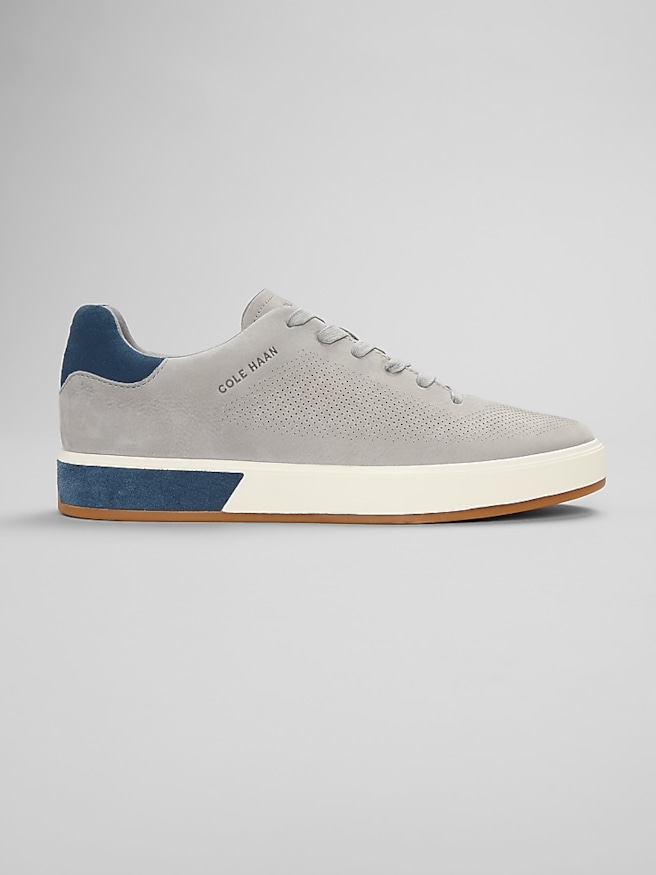
White shoes bring a clean, deliberate finish to men's outfits, balancing the familiar ease of casual footwear with a sharper visual edge. For anyone drawn to Cole Hanes Shoes, a white pair offers a versatile foundation for looks that move between relaxed and polished. Against dark denim, white footwear creates a clear contrast that makes even a simple knit polo feel considered. With tan chinos and an unstructured jacket, it adds brightness without competing with the rest of the outfit. The effect depends partly on shape: a streamlined silhouette sits neatly beneath tapered trousers, while a more substantial sole gives straight-leg pants a balanced finish. Smooth uppers and restrained detailing generally lean toward a dressier look; visible stitching, textured panels, and sport-inspired proportions feel more casual. White itself has subtle variations, from a bright, crisp shade to a softer, creamy tone. Those distinctions can help connect footwear with the colors already in a wardrobe, whether that means gray trousers, navy knitwear, or earthy neutrals. For an office with a relaxed dress code, understated white shoes can look appropriate with pressed chinos and a tucked-in shirt. For dinner or a casual gathering, the same color works naturally with dark jeans and a lightweight knit. Suiting calls for more attention to the setting: clean, minimal footwear can complement a relaxed suit where the dress code permits, but it does not replace traditional dress shoes at every occasion. The strongest combinations usually leave a little visual space around the shoe, with hems that fall cleanly rather than bunching over the upper. Socks can either blend into the trousers for a quieter transition or stay concealed when the shoe design and occasion support that look. That flexibility makes white footwear useful for men who prefer a cohesive wardrobe, where a few well-chosen pieces work across several everyday settings without requiring a completely new outfit for each one.
Materials and construction influence how white shoes look, feel, and hold their shape through regular wear. Smooth leather can provide a refined surface that responds well to appropriate cleaning and conditioning, while textured leather adds visual depth and may make small creases less noticeable. Textile and mesh panels often create a lighter, more athletic appearance, though their care needs differ from those of leather. Suede and other napped finishes have a soft, dimensional character that calls for dedicated cleaning tools rather than the same treatment used on smooth uppers. Across these materials, white makes surface texture especially visible, so the finish matters as much as the color. Neat seams, secure panel joins, and an evenly finished sole edge contribute to a polished impression at close range. Comfort depends on more than softness underfoot. A cushioned footbed may feel inviting at first, but the shoe also needs a stable platform, suitable flexibility, and enough interior space for the foot to move naturally. The heel should feel secure without rubbing, the midfoot should stay comfortably supported, and the toes should have room without sliding forward. Trying footwear with the socks intended for regular wear helps reveal whether the fit is truly right, especially around the instep and heel. A few steps across a room may not tell the whole story; walking, turning, and standing can expose pressure points that are easy to miss while seated. Lacing also changes the feel, allowing a closer hold through the middle of the foot without unnecessary pressure across the top. For men whose day includes a commute, time at a desk, and an evening out, the most useful balance is often a clean profile with dependable underfoot comfort. Flexible construction can support an easy stride, while a thoughtfully shaped outsole helps the shoe feel grounded. No single material or sole design suits every routine, making intended use an important part of choosing footwear rather than an afterthought.
Keeping white shoes looking intentional is less about preserving a flawless surface forever and more about consistent, material-appropriate care. A light mark on the sole edge can change the impression of an otherwise tidy outfit, while a quick wipe after wear may prevent surface dirt from becoming harder to remove. Smooth leather generally benefits from a soft cloth and a cleaner suited to its finish, followed by conditioning when recommended by the maker. Fabric sections may require a gentler spot-cleaning approach, and suede needs a brush or cleaner designed for its nap. Testing any treatment in a discreet area helps protect the original color and texture. Harsh scrubbing, strong chemicals, and excessive soaking can damage finishes or weaken components, so the care label remains the best starting point. Unless the manufacturer specifically allows it, a washing machine is not a substitute for careful cleaning. Air-drying away from direct heat helps preserve the upper and sole, while allowing shoes to dry fully between wears supports a fresher interior. Unfastening the laces before taking shoes off reduces strain at the heel, and a shoehorn can help maintain the shape of the back. Rotating footwear also gives cushioning and interior materials time away from repeated compression and moisture. Durability reflects this combination of construction, fit, use, and upkeep: even a well-made shoe can wear unevenly if the heel slips or the fit places constant pressure on one area. For gifting, white footwear can suit a graduate building a work wardrobe, a partner who favors clean everyday outfits, or a friend who appreciates practical design with a polished finish. Knowing the recipient's usual size, preferred fit, and typical routine makes the choice more personal than color alone. Whether worn for a casual office day, a dinner reservation, or an easy weekend outing, white shoes earn their place through the details that matter over time: a comfortable fit, a shape that complements the wardrobe, and a finish that stays presentable with thoughtful care.