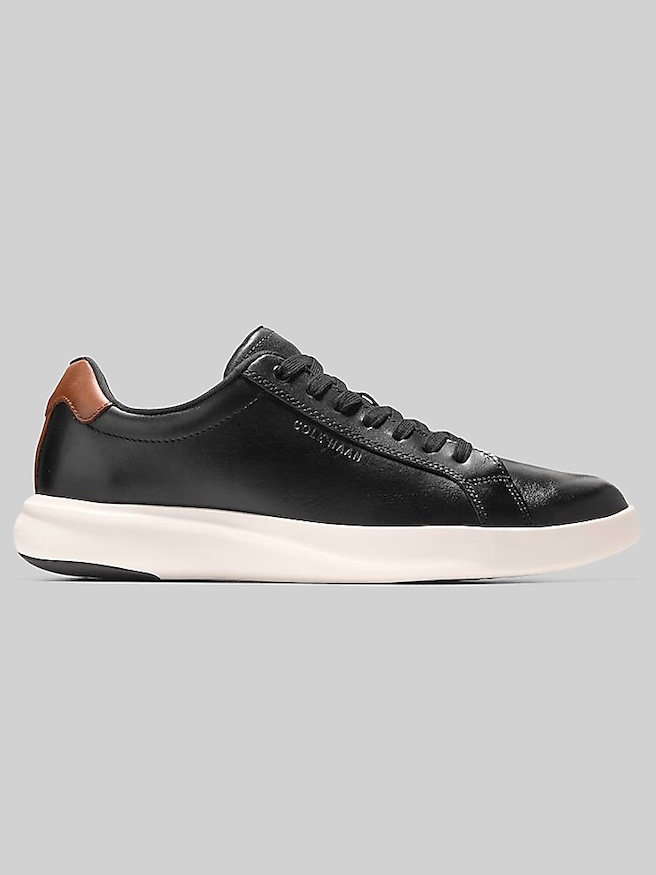
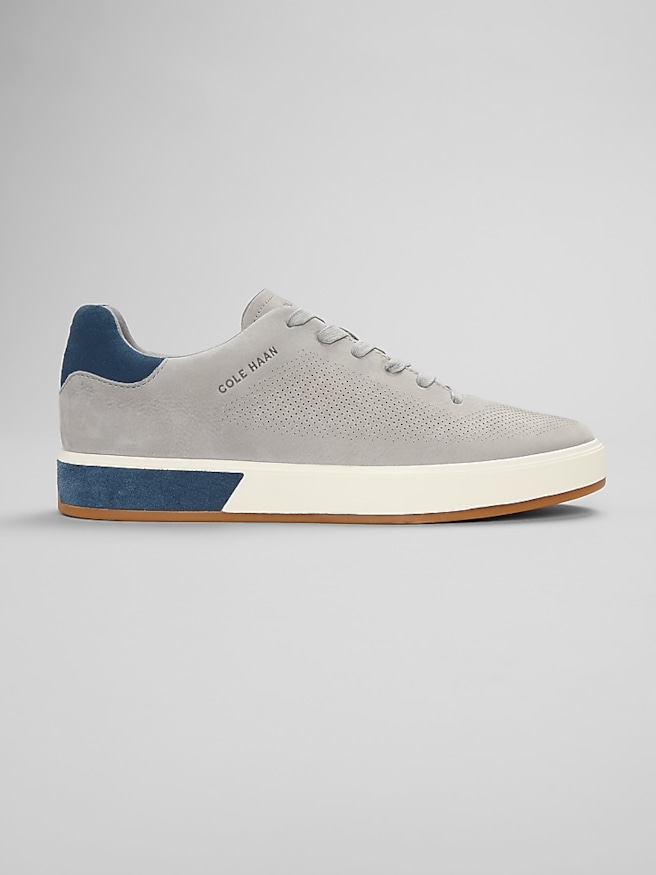
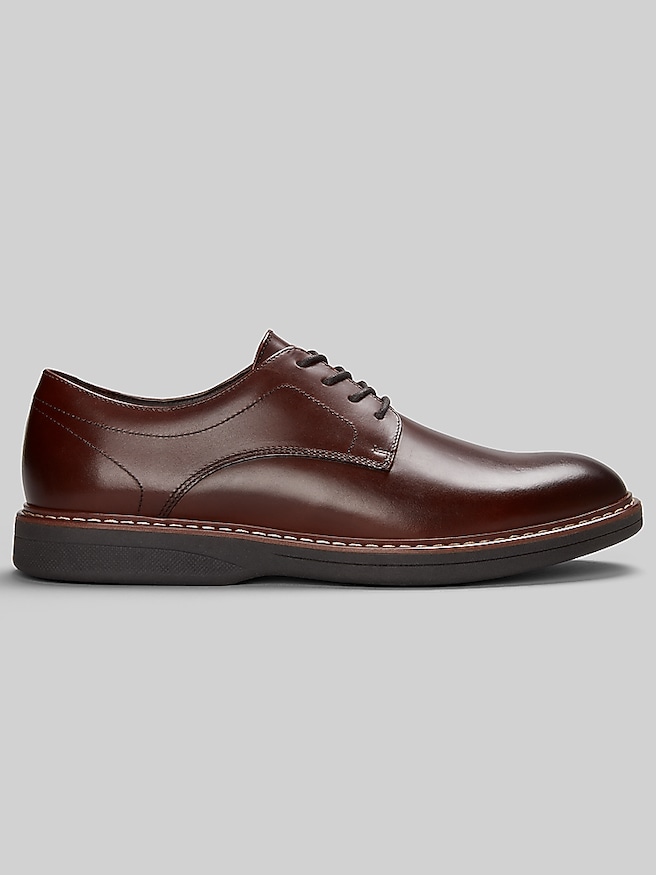
Leather court sneakers combine a classic tennis-inspired shape with the cushioning and versatility of everyday casual footwear. Their appeal comes from a straightforward design: a rounded toe, lace-up closure, relatively clean upper, and a substantial sole that gives the shoe an athletic foundation without the technical appearance of a running shoe. For men who move between a commute, a casual office, and dinner plans, that balance makes court-inspired sneakers a practical part of a well-rounded wardrobe. Smooth leather brings a more finished appearance than many mesh athletic materials, while understated stitching and minimal detailing keep the silhouette easy to pair with different clothes. White and off-white sneakers create a crisp contrast with dark denim or navy chinos; black, brown, and other neutral shades can blend more quietly into an outfit. A low-top profile also leaves room for a clean trouser break, helping the shoes look intentional rather than like an afterthought. With straight-leg jeans and an untucked button-down, the effect is relaxed but pulled together. With tapered chinos, a knit polo, and an unstructured jacket, the same type of sneaker can suit a workplace where casual footwear is appropriate. The distinction matters: a court-inspired sneaker is still casual footwear, not a substitute for dress shoes when an occasion calls for formal attire. Materials contribute as much to that versatility as color. Leather uppers have a smooth surface that can be maintained with regular care, while textile linings can provide a softer feel against the foot. Perforations, where included, may help air circulate, although breathability depends on the complete construction and the socks worn with the shoes. A padded tongue and collar can soften contact around the instep and ankle. Together, these details explain why leather sneakers remain useful beyond the tennis-inspired styling that first defines their appearance, particularly for days that involve several stops without a change of footwear.
Comfort in a travel-friendly court sneaker depends on how the upper, footbed, and sole work together, not simply on how soft the shoe feels at first touch. Lightweight foam cushioning can help soften repeated steps, while a stable sole gives the foot a more settled platform during everyday walking. EVA foam is often used to keep sole weight down, and rubber sections can add durability at contact points that receive repeated wear. The exact combination varies by design, so a thick-looking sole should not automatically be treated as proof of greater cushioning or longer life. Flexibility matters, too: a comfortable walking shoe should bend with the forefoot without feeling loose or unstable through the middle. For a day that includes an airport terminal, a museum visit, and a walk to dinner, these practical details can matter more than decorative features. Fit remains individual, even in a familiar sneaker size. Enough space at the front allows toes to move naturally, while a secure heel helps limit rubbing caused by repeated slipping. Laces should hold the midfoot comfortably without requiring so much tension that the upper presses into the foot. Leather may soften with wear, but a shoe that pinches across the toes or feels too short should not be expected to become the right size through use. Width, instep height, sock thickness, and any regularly worn inserts all affect the fit. Trying footwear with the socks intended for everyday wear gives a more useful impression than relying on a size label alone. A removable footbed, when included, may offer additional flexibility for someone who uses an insert, provided enough interior space remains. Court-inspired casual sneakers are generally best suited to commuting, errands, social plans, and ordinary walking. Their athletic appearance does not necessarily mean they provide the lateral support needed for tennis or the construction intended for distance running. For those activities, purpose-built athletic footwear serves a different role. Likewise, traction depends on the outsole pattern, surface, and condition of the shoe; rubber alone is not a guarantee against slipping.
Thoughtful care helps leather sneakers retain the clean appearance that makes them so adaptable. Loose dust and grit are easier to remove before they work into seams or abrade the finish, and a soft brush or dry cloth is often sufficient for that first pass. For smooth finished leather, a lightly dampened cloth can lift ordinary surface marks, followed by drying at room temperature away from direct heat. Any cleaner or conditioner should be compatible with the upper material and tested on an inconspicuous area, since smooth leather, suede, nubuck, and coated materials do not respond to the same treatment. Machine washing and prolonged soaking can damage leather, adhesives, and interior components unless the care instructions specifically allow them. The sole deserves attention as well: debris caught in grooves and dirt along the sidewall can make an otherwise tidy pair look neglected. Removing that buildup gently, without saturating the upper, helps preserve the contrast between leather and sole. Allowing shoes to air out between wears and loosening the laces before taking them off can reduce unnecessary strain on the lining and heel area. Durability also depends on use. Repeated scuffing at the toe, dragging at the heel, and wearing one pair for every activity can shorten its useful life, regardless of how substantial it feels. For another take on the court-inspired silhouette, explore the Cole Haan Grandpro Tennis Sneaker. Across this footwear category, the strongest wardrobe choices tend to reflect the wearer's actual routine: understated colors for frequent office wear, an easy-to-coordinate shape for packing, or a familiar lace-up design for everyday outings. Leather sneakers can also make a thoughtful gift for a graduate, a frequent traveler, or someone building a more versatile casual wardrobe. Knowing the recipient's usual size, preferred width, and favored colors helps make that choice personal, with comfort and everyday usefulness carrying as much weight as appearance.