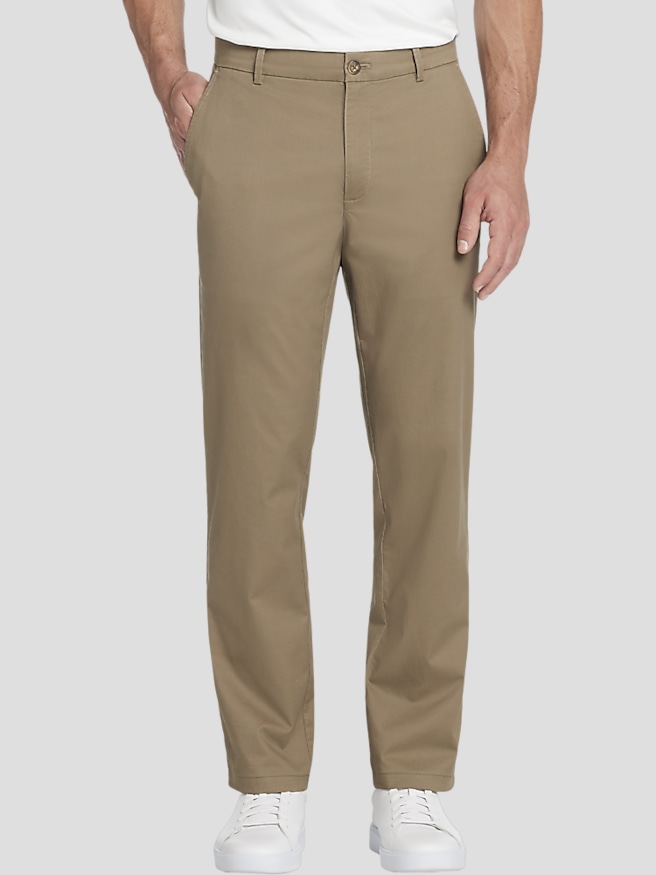
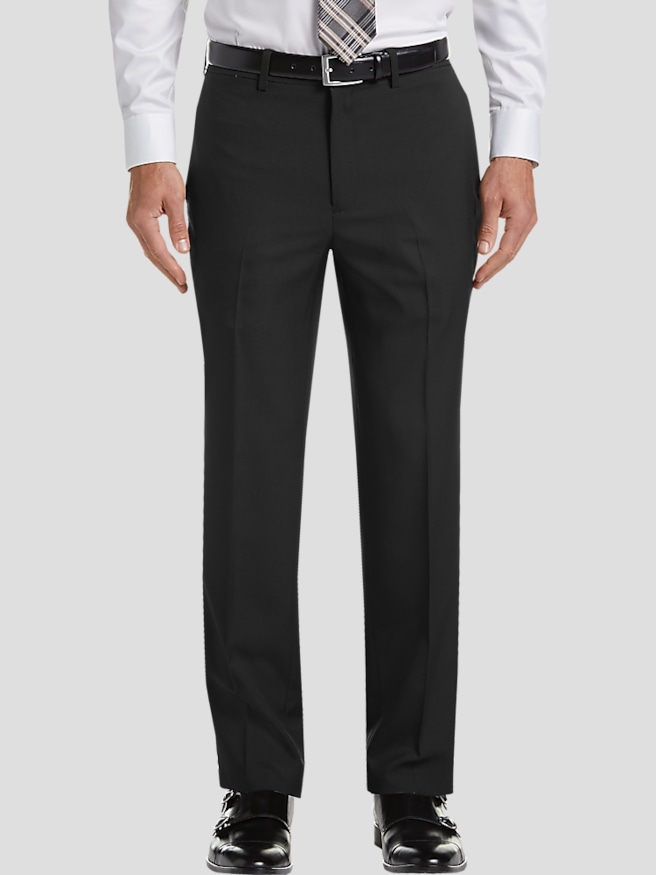
Brown work pants combine a versatile neutral color with fabrics and construction suited to the demands of a working day. Depending on their design, they can serve as polished business-casual trousers, practical pants for hands-on tasks, or an easy middle ground for jobs that involve both a desk and time on the move. Shades range from sandy tan and medium chestnut to deep chocolate, with lighter browns creating a more casual look and darker tones pairing naturally with tailored clothing. The fabric makes a substantial difference in how the pants feel and function. Cotton twill has a recognizable diagonal weave and a balance of structure and softness that works well in everyday settings. Canvas generally has a firmer feel and can be a useful choice when resistance to abrasion matters, although fabric weight and construction affect its performance. Cotton blends with a small amount of stretch allow more give when bending, climbing stairs, or sitting through a long meeting. Polyester blends may offer easier wrinkle management and help the fabric maintain its shape, depending on the weave and finishing. A smooth, relatively lightweight fabric often looks more refined, while a substantial weave gives brown work pants a more rugged character. Construction details deserve the same attention as material. Reinforced seams, sturdy pocket openings, and securely attached belt loops support repeated wear. Double-front construction adds another layer of fabric across the front of the legs, while utility pockets and tool loops provide task-specific storage when the design includes them. These features are useful for some jobs but unnecessary for others; a clean front and discreet pockets may be better suited to a customer meeting or an office dress code. Brown fabric can make some everyday marks less noticeable, but no shade replaces regular cleaning. Ordinary work pants also should not be treated as protective equipment or a substitute for clothing required by workplace safety rules.
Fit determines whether brown work pants remain comfortable from the first commute to the last task of the day. A slim fit generally sits closer through the seat and thigh, producing a neat outline without the extra fabric of a fuller cut. Straight-leg pants maintain a more consistent line from the knee toward the hem and work with many everyday shoes. Relaxed fits offer additional room through the seat and thighs, which may be useful for frequent crouching, lifting, or walking. These descriptions vary by maker, so measurements and the actual cut matter more than the fit name alone. The waistband should sit securely without digging in when seated, and the front pockets should lie reasonably flat rather than pull open. Enough room through the rise helps prevent pulling at the crotch, while adequate thigh space makes movement easier without relying entirely on stretch. For someone who spends part of the day driving between appointments, seated comfort can matter just as much as a crisp appearance when standing. Length changes the overall impression, too. A slight break over loafers or lace-up shoes looks tidy in many business-casual settings; a wider leg opening may sit more comfortably over work boots. Excess fabric gathering around the ankles can look untidy and may interfere with movement, particularly in hands-on environments. Styling brown work pants is straightforward because the color works with familiar wardrobe staples. A light blue button-down creates a clear, professional contrast, while an ivory knit polo gives the outfit a softer finish. Navy layers add depth without making the combination feel overly formal. Black can also work well with rich brown when the contrast looks deliberate and the footwear supports the outfit. For a patterned variation on the same color family, Brown Plaid Pants bring visual texture to combinations built around solid shirts and simple layers. Keeping the surrounding pieces understated lets either the brown tone or the pattern remain the focal point.
Long-term satisfaction with brown work pants depends as much on care and intended use as on the first fitting. The care label provides the most reliable instructions because cotton canvas, stretch twill, and tailored blends do not necessarily respond well to the same washing and drying routine. For washable fabrics, emptying pockets and treating marks promptly can help prevent small problems from becoming permanent. Turning pants inside out may reduce surface abrasion during laundering, and washing with similar colors helps limit unwanted color transfer. High dryer heat can contribute to shrinkage or affect stretch fibers, so the recommended drying method deserves attention. Removing pants promptly after drying and smoothing the legs can reduce set-in wrinkles; fabrics that need pressing should be ironed at the temperature specified on the label. Tailored constructions may require professional cleaning rather than a home wash. Between wears, a sturdy hanger helps preserve the leg line, while checking hems, pocket edges, and seams makes it easier to catch a loose thread before it develops into a larger repair. Durability is not simply a matter of choosing the heaviest cloth. A comfortable fit reduces strain at stress points, appropriate care protects the fabric, and rotating pairs gives each one time between wears. Someone working in a client-facing office may place the greatest value on a smooth finish and reliable shape, while a facilities supervisor moving between a workspace and meetings may prefer a stronger fabric with understated utility details. Brown work pants can also make a practical gift for someone starting a job, updating a business-casual wardrobe, or replacing frequently worn basics. An established waist and inseam measurement, a familiar fit, and a shade that coordinates with existing shoes make the choice more personal and useful. Whether worn with a tucked-in shirt for presentations or a durable overshirt for active tasks, the most useful pair balances appearance with the realities of the job: comfortable movement, appropriate storage, manageable care, and fabric suited to repeated wear.