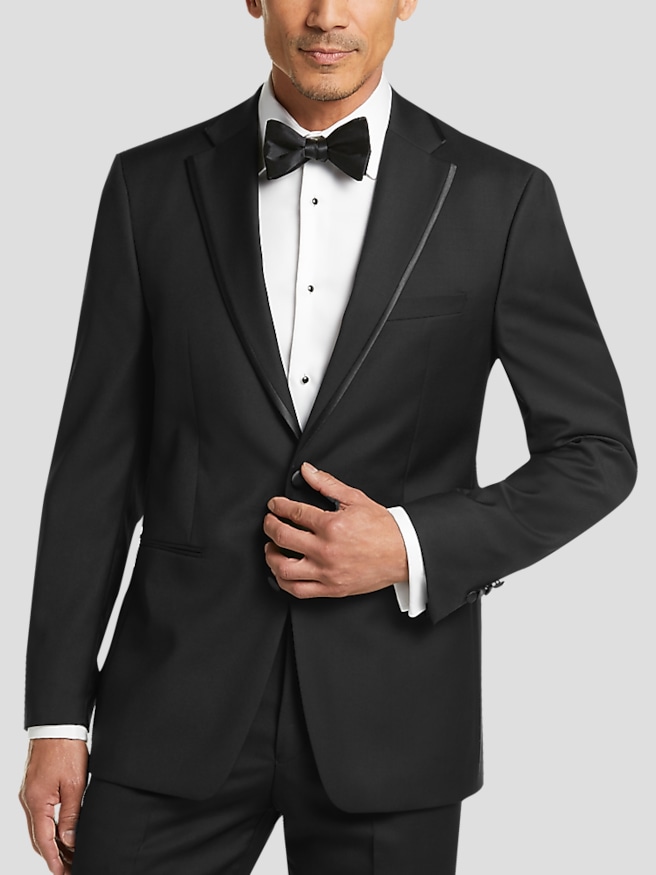
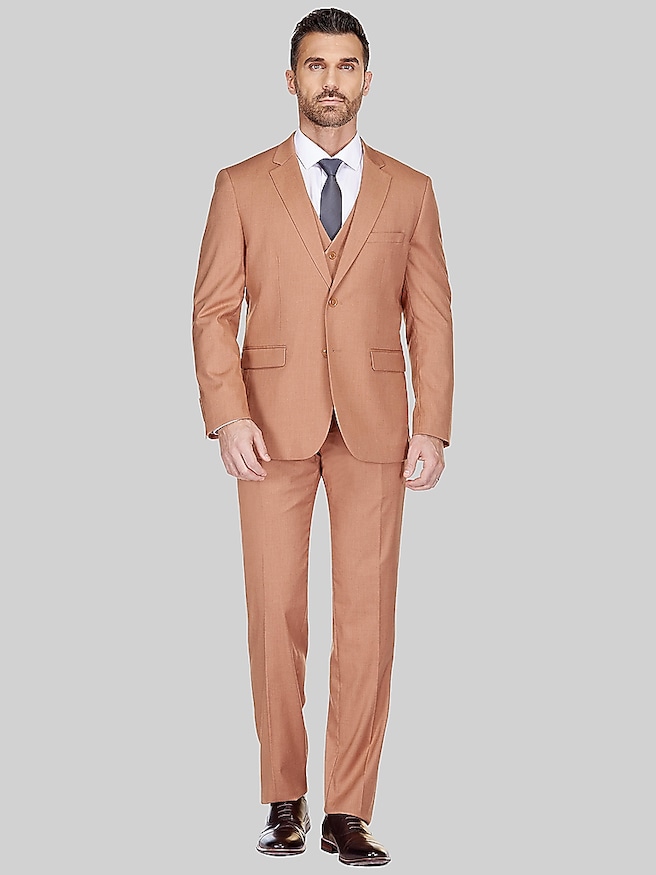
Brown tuxedos offer a distinctive alternative to black formalwear, pairing the polish of a tuxedo with rich, earthy color. Shades can range from soft cocoa and warm chestnut to deep chocolate and espresso, each creating a different impression against a white dress shirt and dark accessories. Lighter browns make the color more prominent, while darker browns can appear nearly black in subdued lighting before revealing their depth up close. The defining details are just as important as the shade: satin or grosgrain lapel facings, formal buttons, and coordinated trousers help distinguish a tuxedo from a brown business suit. This combination makes brown tuxedos especially appealing for weddings, proms, milestone celebrations, and black-tie-optional events where the dress code leaves room for individual style. Strict black-tie occasions may call for black or midnight blue, so the invitation and host’s expectations should shape the choice. At a wedding, a brown tuxedo can give the groom a distinct look while still coordinating with attendants dressed in complementary neutrals. For prom, the same color offers personality without relying on a bright pattern or oversized embellishment. A deep chocolate jacket with dark lapels creates a restrained contrast; a more pronounced brown shade makes the fabric and tailoring a larger part of the overall impression. The broader palette of Brown Formal Wear also provides context for coordinating a complete outfit rather than treating the jacket as an isolated statement. Brown works particularly well with cream, white, black, muted gold, and deep burgundy, although the balance matters more than the number of colors involved. A clean shirt front, a carefully chosen bow tie, and a consistent level of formality allow the tuxedo’s color to stand out naturally. The result can feel expressive and personal while remaining appropriate for an occasion built around dressing with care.
Fabric and construction influence how a brown tuxedo looks in motion, how comfortably it wears, and how well it holds its shape over time. Wool is valued in tailored clothing for its drape, resilience, and ability to release some everyday wrinkles between wears. Wool blends can offer a different balance of texture, structure, and maintenance needs, depending on their fiber content and weave. Velvet creates a plush surface with visible depth, making brown appear lighter or darker as the pile catches the light. Smoother woven fabrics produce a cleaner outline and let the contrast between the body fabric and lapel facing take center stage. Neither a soft hand nor a substantial feel alone determines quality; even seams, secure buttons, smooth lining, and lapels that lie flat all contribute to a well-finished garment. Fit gives those details their intended effect. Jacket shoulders should follow the body without extending into a pronounced shelf, and the collar should rest neatly against the shirt collar rather than pulling away from the neck. Across the chest, a buttoned jacket should look composed without strong pulling lines radiating from the closure. Slim fits tend to create a closer silhouette, while roomier cuts allow more ease through the chest, waist, seat, and thighs. The most flattering choice is the one that accommodates the wearer’s proportions instead of forcing a particular label. Someone expecting to spend an evening seated at dinner, standing for photographs, and moving across a dance floor needs comfort in all three situations. Trousers should sit securely at the intended waist position, hang smoothly through the leg, and meet the shoes with a deliberate hem length. A small amount of visible shirt cuff can add definition at the wrist. Professional alterations can refine sleeve length, trouser hems, and waist shaping, but major shoulder or jacket-length issues are better addressed by choosing a more suitable starting fit.
Finishing details help a brown tuxedo read as formal rather than simply dressed up. A white formal shirt creates a clear contrast and keeps the area around the face bright, especially with deeper brown fabrics. A black bow tie is a straightforward companion to black lapel facings, while textured or tonal accessories can suit celebrations with a more flexible dress code. Shirt studs and cuff links, when the shirt calls for them, look cohesive when their metal finishes relate to one another. A white pocket square offers a simple accent without requiring an exact match to a tie or boutonniere. For wedding parties, repeating one detail across several outfits—a shared shirt color, similar lapel treatment, or consistent bow tie—can create unity without making every person’s clothing identical. Polished black dress shoes generally provide a dependable formal foundation, and a sleek shape works better with tuxedo trousers than a heavy, casual sole. Socks that maintain a continuous dark line between the trouser hem and shoe keep attention on the tailoring. Long-term care is equally important, particularly for someone who plans to wear the tuxedo to multiple celebrations. The sewn-in care label should determine cleaning methods, since the outer fabric, lining, trim, and internal structure may have different requirements. After wear, emptying the pockets and allowing the garments to air before storage helps preserve their shape and freshness. A broad, supportive jacket hanger protects the shoulders, while properly hung trousers are less likely to develop unwanted creases. Gentle brushing can remove surface dust from suitable woven fabrics; velvet requires particular care to avoid crushing or disturbing its pile. Cleaning only when needed, according to professional advice and the garment’s instructions, can reduce unnecessary handling. A breathable garment bag and storage away from prolonged direct light help protect the fabric and its color. With thoughtful fit, coordinated accessories, and consistent care, a brown tuxedo can become a reliable part of a formal wardrobe, ready for occasions that deserve something more distinctive than an everyday suit.