Bengal stripe shirts bring a clear, confident pattern to a dressed-up wardrobe: evenly spaced vertical stripes, traditionally alternating between white and a color, with the colored and white bands approximately equal in width. The stripes are typically broader than pinstripes, giving the shirt a noticeable rhythm without the complexity of a check or plaid. That balance makes a Bengal stripe dress shirt especially versatile alongside solid suits, sport coats, and trousers. Blue and white has a familiar business character, while navy and white creates stronger contrast and pink and white adds a softer accent against charcoal or deep blue tailoring. The pattern is distinctive enough to carry an outfit when a jacket comes off, yet orderly enough to sit comfortably beneath a lapel. Within the broader family of men's striped shirts, Bengal stripes occupy a useful middle ground between very fine lines that nearly disappear at a distance and broad bands that make a more pronounced statement. Stripe width, color contrast, and fabric texture all affect the overall impression. A narrow, muted interpretation feels restrained; a brighter color with crisp white spacing draws more attention. For a client presentation, a blue Bengal stripe shirt with a solid navy suit and a textured tie creates definition without crowding the outfit. For a dinner reservation that calls for something sharper than a polo, the same pattern works with an open collar, tailored trousers, and leather loafers. Solid accessories give the stripes room to stand out, while a tie with a larger, well-spaced motif can add depth without repeating the shirt’s exact scale. A striped shirt can also work beneath a patterned jacket when the patterns differ clearly in size and one stays subdued. The appeal is not limited to one dress code: these shirts offer enough structure for professional settings and enough visual interest to make a simple combination feel considered.
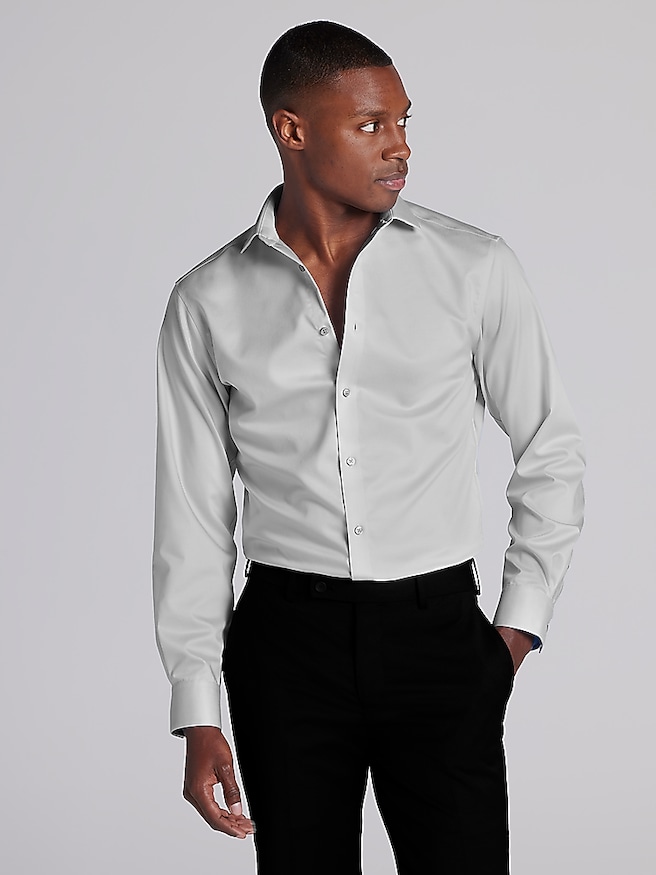
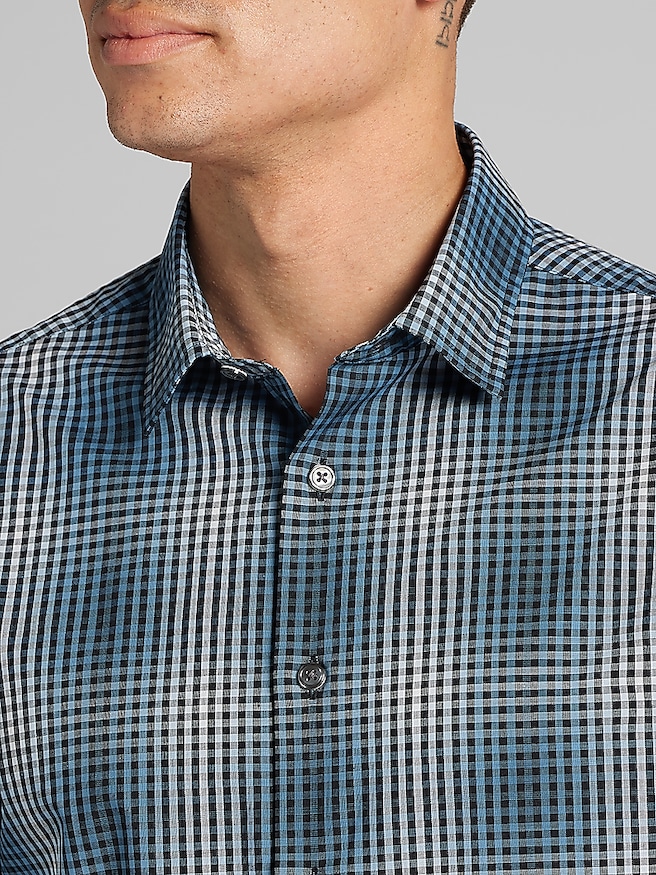
Fabric and construction shape how a Bengal stripe shirt looks and feels as much as the pattern itself. Cotton is a familiar choice for its breathable feel and ability to take a crisp press, though the weave influences the finish. Poplin and broadcloth generally have a smooth surface that gives the stripe edges a clean appearance, making them natural companions to polished tailoring. Twill has a subtle diagonal structure and often a softer drape, adding a little texture without taking attention away from the vertical pattern. An Oxford weave gives the shirt a more tactile surface and a relaxed character that works well with chinos and less structured jackets. Cotton blends may offer stretch, crease resistance, or easier upkeep, depending on their composition and finish; the fabric label is more useful than assuming every striped shirt performs the same way. A non-iron or wrinkle-resistant designation describes an easy-care treatment, not a guarantee that the shirt will stay perfectly smooth after hours of sitting. Fit deserves equal attention because a strong vertical pattern makes pulling and bunching easier to notice. The shoulder seams should sit close to the ends of the shoulders, with enough room across the upper back to reach forward comfortably. The front placket should lie flat rather than bow outward between buttons, and the collar should close without pressing tightly against the neck. A slim fit follows the torso more closely, while a classic fit generally leaves additional room through the chest and waist; the best choice depends on body proportions and preferred ease, not the fit name alone. Sleeves should reach the wrist without covering the hand, and cuffs should close securely while allowing comfortable movement. For frequent wear with a suit, a hem long enough to remain tucked helps keep the waistline neat through a commute or an afternoon of meetings. Collar shape changes the effect, too: a spread collar accommodates a fuller tie knot, a point collar provides a more contained frame, and a button-down collar brings a relaxed finish suited to less formal combinations.
Bengal stripe shirts earn their place through repeated use, so durability and care matter beyond the first wearing. Even stitching, securely attached buttons, and neatly finished seams are useful signs of careful construction. Fabric weight alone does not determine quality: a fine, smooth cloth can feel refined under a jacket, while a more substantial weave may suit someone who prefers a firmer hand. High-friction areas such as the collar edge, cuffs, and elbows benefit from attentive care, especially when a shirt is part of a regular office rotation. Follow the garment’s care label for washing, drying, and ironing, since fiber blends, finishes, and collar construction can require different treatment. Address collar and cuff marks promptly with a method suitable for the fabric, and avoid excessive heat that can contribute to shrinkage or wear. Removing a shirt promptly after its recommended drying cycle and placing it on a hanger can help limit set-in creases. When ironing is appropriate, smoothing the collar, cuffs, and placket makes a visible difference, particularly where the stripes meet those structured edges. Between wearings, give shirts space rather than packing them tightly together. These practical habits help preserve both the shape of the garment and the clean contrast that defines the pattern. For someone building a professional wardrobe, a Bengal stripe shirt offers an alternative to solid white or blue without demanding an entirely new set of trousers and jackets. For an experienced dresser, it introduces pattern into familiar combinations, from a charcoal suit and dark tie to straight-leg denim and a casually rolled sleeve. It can also be a thoughtful gift for a recent graduate, a partner starting a new role, or someone who enjoys dressing well for dinners and celebrations, provided the collar size, sleeve length, and preferred fit are known. The strongest choices reflect how the shirt will actually be worn: comfortable through a full day, proportioned for the wearer, and easy to coordinate with clothing already in the closet.